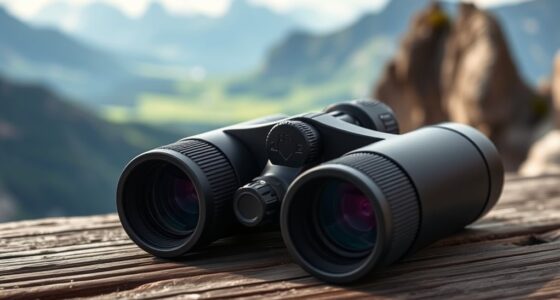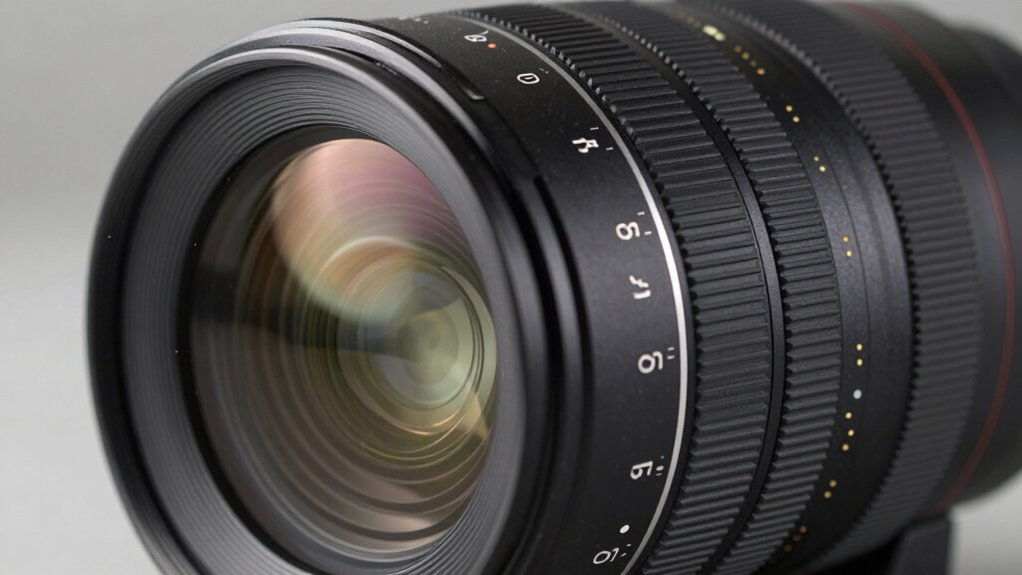

When selecting a professional camera lens, the key considerations revolve around image quality, versatility, and build durability. The Canon RF 24-70mm F2.8L IS USM stands out as the best overall for its balanced performance and flexibility, making it ideal for a wide range of shooting scenarios. For specialized telephoto work, the Canon RF 200-800mm F6.3-9 IS USM offers incredible zoom reach, though it comes with compromises in weight and aperture. Meanwhile, the Sony FE 200-600mm F5.6-6.3 G OSS delivers excellent image stabilization for long-distance shoots at a more accessible price point. Keep reading to explore detailed insights into each lens and what to prioritize when choosing your professional gear.

Get everyday essentials delivered free with Prime
- Fast, free delivery on millions of items
- Prime Video, Amazon Music and more included
- Member-only deals all year
Key Takeaways
- The top lenses balance image quality, versatility, and durability, but specialization often involves tradeoffs in size, weight, or aperture.
- Zoom range is critical; longer focal lengths are ideal for wildlife and sports, but they tend to be bulkier and more expensive.
- Optical stabilization significantly enhances sharpness at long focal lengths, especially in handheld shooting conditions.
- Aperture size influences low-light performance and depth of field control—wider apertures generally cost more but offer more creative flexibility.
- Brand ecosystem and compatibility matter; choosing a lens designed for your camera system ensures optimal performance and autofocus reliability.
| Canon RF 200-800mm F6.3-9 IS USM Super-telephoto Zoom Lens for Mirrorless Cameras |  | Best Versatile Super-Telephoto Zoom | Focal Length: 200-800mm | Maximum Aperture: F6.3-9 | Mount: RF | VIEW ON AMAZON | See Our Full Breakdown |
| Canon EF 70-200mm f/2.8L IS II USM Telephoto Zoom Lens for Canon SLR Cameras |  | Best for High-Quality Professional Telephoto Work | Focal Length: 70-200mm | Maximum Aperture: f/2.8 | Lens Elements: 23 elements in 19 groups | VIEW ON AMAZON | See Our Full Breakdown |
| Sony E 70-350mm f/4.5-6.3 G OSS Telephoto Lens for Sony E-mount Cameras |  | Best Lightweight Telephoto Zoom for Sony E-mount | Focal Length: 70-350mm | Maximum Aperture: f/4.5-6.3 | Weight: 22 oz. | VIEW ON AMAZON | See Our Full Breakdown |
| Sony FE 200-600mm f/5.6-6.3 G OSS Super Telephoto Zoom Lens |  | Best Sharpness and Flexibility in a Telephoto Zoom | Focal Length: 200-600mm | Maximum Aperture: f/5.6-6.3 | Minimum Aperture: f/22 | VIEW ON AMAZON | See Our Full Breakdown |
| Canon RF100-400mm F5.6-8 IS USM Telephoto Lens for EOS R Series Cameras |  | Best Compact Telephoto for Versatility and Travel | Focal Length: 100-400mm | Maximum Aperture: F5.6-8 | Lens Mount: Canon RF | VIEW ON AMAZON | See Our Full Breakdown |
| Canon RF 24-70mm F2.8L IS USM Lens for Canon EOS R Series |  | Best Overall Versatile Standard Zoom | Focal Length: 24-70mm | Maximum Aperture: f/2.8 | Image Stabilization: Yes, up to 5 stops | VIEW ON AMAZON | See Our Full Breakdown |
| Canon RF 70-200mm F2.8L IS USM Lens for EOS R Series |  | Best for Telephoto and Sports Photography | Focal Length: 70-200mm | Aperture: f/2.8 | Image Stabilization: Yes, up to 5 stops | VIEW ON AMAZON | See Our Full Breakdown |
| professional camera len | Focal Length | Maximum Aperture | Compatibility | Image Stabilization |
|---|---|---|---|---|
| Canon RF 200-800mm F6.3-9 IS U | 200-800mm | F6.3-9 | Mirrorless cameras | — |
| Canon EF 70-200mm f/2.8L IS II | 70-200mm | f/2.8 | Canon SLR cameras | — |
| Sony E 70-350mm f/4.5-6.3 G OS | 70-350mm | f/4.5-6.3 | — | Optical SteadyShot |
| Sony FE 200-600mm f/5.6-6.3 G | 200-600mm | f/5.6-6.3 | — | — |
| Canon RF100-400mm F5.6-8 IS US | 100-400mm | F5.6-8 | — | Yes, up to 6 stops |
| Canon RF 24-70mm F2.8L IS USM | 24-70mm | f/2.8 | Canon EOS R series (EOS RP, R, R5, R6) | Yes, up to 5 stops |
| Canon RF 70-200mm F2.8L IS USM | 70-200mm | — | Canon EOS R series (full-frame and APS-C models) | Yes, up to 5 stops |
More Details on Our Top Picks
Canon RF 200-800mm F6.3-9 IS USM Super-telephoto Zoom Lens for Mirrorless Cameras
This lens stands out for its incredibly broad 200-800mm focal range, making it a prime choice for wildlife and outdoor sports photographers who need flexibility in a single lens. Compared with the Sony FE 200-600mm, it maintains high image quality across the zoom, but its narrower maximum aperture at longer focal lengths can limit low-light performance. Its lightweight and compact design enable handheld shooting, a significant advantage over bulkier options like the Canon RF 70-200mm, especially when mobility is key. However, the premium price and need for a compatible mirrorless RF camera make it less accessible for casual users. This pick makes the most sense for professionals or advanced hobbyists seeking a portable super-telephoto solution without sacrificing image quality.Pros:- Extremely versatile 200-800mm zoom range for varied subjects
- Lightweight and compact for handheld shooting
- Compatible with Extenders for extended reach
Cons:- Faintly limited maximum aperture at longer focal lengths reduces low-light capability
- Premium price point may be prohibitive for some buyers
Best for: Wildlife, nature, and outdoor sports photographers who need a portable, high-quality super-telephoto zoom.
Not ideal for: Photographers on a tight budget or those with full-frame DSLR cameras, as it’s designed specifically for RF mirrorless systems and carries a high price tag.
- Focal Length:200-800mm
- Maximum Aperture:F6.3-9
- Mount:RF
- Compatibility:Mirrorless cameras
- Optical Design:Optimized for high image quality
- Weight:Lightweight and compact
Our verdict“This lens is ideal for enthusiasts and professionals needing a portable, high-quality super-telephoto zoom for outdoor photography.”
Canon EF 70-200mm f/2.8L IS II USM Telephoto Zoom Lens for Canon SLR Cameras
This lens is a staple for professional telephoto shooters thanks to its constant f/2.8 aperture, delivering excellent low-light performance and beautiful background blur. Compared with the Sony E 70-350mm, it offers a faster aperture, which significantly enhances its capabilities in dim conditions, but it comes with added bulk and weight, making it less ideal for extended handheld use. Its advanced construction with UD and fluorite elements ensures sharp images with minimal chromatic aberration, standing out against more consumer-focused zooms. Yet, the high price and large size mean it’s best suited for dedicated professionals rather than casual shooters. This lens makes the most sense for those who prioritize image quality and low-light performance over portability.Pros:- Constant f/2.8 aperture for superior low-light performance
- Exceptional sharpness and clarity with advanced lens elements
- Durable build quality suitable for professional use
Cons:- Relatively heavy and bulky, less portable for travel
- Premium price limits accessibility for casual users
Best for: Professional photographers needing reliable, high-performance telephoto zooms for portrait, event, or sports work.
Not ideal for: Amateurs or travelers seeking lightweight gear, as the lens’s weight and size can be burdensome for extended carry.
- Focal Length:70-200mm
- Maximum Aperture:f/2.8
- Lens Elements:23 elements in 19 groups
- Filter Size:77 mm
- Focus System:Inner focusing with USM
- Compatibility:Canon SLR cameras
Our verdict“This lens is ideal for professionals prioritizing image quality and low-light performance in a sturdy, reliable package.”
Sony E 70-350mm f/4.5-6.3 G OSS Telephoto Lens for Sony E-mount Cameras
This lens offers a substantial 70-350mm zoom range while maintaining a manageable weight of just 22 ounces, making it a strong choice for travel and outdoor shooting. Its excellent resolution across the zoom spectrum, paired with fast, quiet autofocus courtesy of XD linear motor technology, makes it stand out among similarly priced options. The optical SteadyShot stabilization enhances handheld usability, especially at longer focal lengths. Compared with the Sony FE 200-600mm, it provides a broader zoom range in a lighter package, but its aperture range of f/4.5-6.3 limits low-light performance and depth of field control. It’s best for photographers who want high-quality images without the bulk of larger super-telephotos, but it may struggle in challenging lighting conditions.Pros:- Excellent image resolution across the zoom range
- Lightweight and easy to handle for extended shooting
- Fast, quiet autofocus with XD linear motor
Cons:- Aperture range limits low-light performance
- Price not specified, but likely premium for its class
Best for: Travel, wildlife, and outdoor enthusiasts who need a lightweight, high-resolution telephoto zoom for handheld use.
Not ideal for: Low-light or studio photographers who require wider apertures for better light gathering and background control.
- Focal Length:70-350mm
- Maximum Aperture:f/4.5-6.3
- Weight:22 oz.
- Image Stabilization:Optical SteadyShot
- Mount:Sony E-mount
- Focus Type:Auto Focus
Our verdict“This lens fits photographers seeking a portable, high-resolution telephoto zoom suitable for outdoor and travel photography.”
Sony FE 200-600mm f/5.6-6.3 G OSS Super Telephoto Zoom Lens
This lens delivers impressive sharpness throughout its 200-600mm range, making it a go-to for wildlife and sports shooters who need consistent image quality. Its relatively compact design combined with fast autofocus driven by direct drive Supersonic Wave Motor sets it apart from bulkier, older telephotos. The optical coatings reduce flare and ghosting, enhancing clarity in challenging lighting. Compared with the Sony E 70-350mm, it offers a longer reach but with a narrower aperture range, which can impact low-light shooting. Its water-resistant build and sturdy construction make it suitable for demanding outdoor conditions, though some users may find it heavy for prolonged handheld use. It’s a strong choice for professionals who want sharp images at all focal lengths.Pros:- Outstanding image sharpness across the zoom range
- Fast, quiet autofocus with direct drive SD motor
- Water-resistant and durable build
Cons:- Limited maximum aperture at f/5.6-6.3 reduces low-light capability
- Heavier than some alternatives, may be tiring for handheld use
Best for: Wildlife and sports photographers who value consistent sharpness and durability in outdoor environments.
Not ideal for: Photographers who prioritize low-light shooting or need a more compact, lightweight lens for travel.
- Focal Length:200-600mm
- Maximum Aperture:f/5.6-6.3
- Minimum Aperture:f/22
- Lens Mount:Sony E
- Zoom Ratio:3:1
- Water Resistance Level:Water Resistant
Our verdict“This lens is suited for those seeking top-tier image quality and rugged performance in outdoor telephoto applications.”
Canon RF100-400mm F5.6-8 IS USM Telephoto Lens for EOS R Series Cameras
This lens excels in portability, offering a 100-400mm zoom range in a lightweight, compact package tailored for EOS R mirrorless cameras. Its effective image stabilization and fast Nano USM autofocus make it suitable for capturing wildlife, sports, or travel scenes without cumbersome gear. When compared with the Canon RF 70-200mm f/2.8, it provides greater reach, but its variable aperture of F5.6-8 limits performance in low-light conditions and creates less control over depth of field. The ability to extend reach with RF extenders adds flexibility, but at some cost to image quality. This lens is best for travelers and casual professionals who need a versatile, easy-to-carry telephoto option that still delivers solid results.Pros:- Compact and lightweight for easy handling
- Versatile 100-400mm zoom range for various subjects
- Effective image stabilization up to 6 stops
Cons:- Aperture range of F5.6-8 limits low-light and background control
- Extended focal length relies on extenders, which may impact image quality
Best for: Travel, wildlife, and outdoor photographers seeking a lightweight, versatile telephoto zoom for casual or semi-professional use.
Not ideal for: Low-light photographers or those needing the fastest apertures for professional studio work, as the variable F5.6-8 limits exposure control.
- Focal Length:100-400mm
- Maximum Aperture:F5.6-8
- Lens Mount:Canon RF
- Image Stabilization:Yes, up to 6 stops
- Minimum Focusing Distance:2.89 feet
- Maximum Magnification:0.41x at 400mm
Our verdict“This lens suits outdoor and travel photographers who prioritize portability and versatility over maximum low-light capability.”
Canon RF 24-70mm F2.8L IS USM Lens for Canon EOS R Series
This lens stands out for its combination of high image quality and versatility, making it the top choice for professional photographers who need a reliable all-rounder. Its bright f/2.8 aperture is ideal for low-light conditions and shallow depth of field, while the optical image stabilization helps maintain sharpness during handheld shooting. Compared with the Canon RF 70-200mm F2.8L, this lens offers a broader focal range, perfect for portraits, landscapes, and travel photography, but it’s notably heavier and bulkier, which may impact portability. The fast, quiet Nano USM autofocus ensures seamless operation in dynamic shooting scenarios. However, the premium price and size could be drawbacks for those seeking a lighter, more budget-friendly option. This lens makes the most sense for photographers who need a flexible, high-quality zoom for a variety of professional situations.
Pros:- Excellent image quality with sharp detail across the zoom range
- Bright f/2.8 aperture suitable for low-light and depth-of-field control
- Effective optical stabilization for handheld shooting
- Fast, quiet autofocus with Nano USM technology
Cons:- Relatively heavy and bulky, impacting portability
- Premium price point may be a barrier for some budgets
Best for: professional photographers who require a versatile, high-performance lens for travel, portraits, and landscapes
Not ideal for: beginners or hobbyists on a tight budget who prefer lightweight, affordable lenses, as this model is heavy and costly
- Focal Length:24-70mm
- Maximum Aperture:f/2.8
- Image Stabilization:Yes, up to 5 stops
- Autofocus:Nano USM, fast and quiet
- Minimum Focusing Distance:0.69 ft (wide), 1.25 ft (tele)
- Compatibility:Canon EOS R series (EOS RP, R, R5, R6)
Our verdict“This lens is best suited for experienced professionals who prioritize image quality and versatility over size and cost.”
Canon RF 70-200mm F2.8L IS USM Lens for EOS R Series
This telephoto zoom lens excels in delivering high-quality images with a bright f/2.8 aperture, making it a strong choice for sports, wildlife, and portrait work. It features optical image stabilization up to 5 stops, vital for maintaining sharpness during handheld shots at longer focal lengths. Compared to the Canon RF 24-70mm, it offers a narrower zoom range but with a larger maximum focal length, enabling tighter framing of distant subjects. Its dual Nano USM autofocus system provides swift, quiet operation, essential for capturing fast-moving action. The lens is more compact and lightweight than many traditional telephotos, yet it still carries a high price tag and is heavier than standard zooms, which could hinder all-day use. This pick is ideal for professional photographers who need a portable, high-quality telephoto solution for dynamic environments.
Pros:- Excellent image quality with sharp results at all focal lengths
- Bright f/2.8 aperture ideal for subject isolation and low-light conditions
- Effective optical stabilization for handheld shooting at telephoto distances
- Lightweight and compact for a telephoto zoom
Cons:- High price point, potentially limiting for some budgets
- Relatively heavy compared to standard kit lenses
Best for: sports, wildlife, or portrait photographers seeking a lightweight, fast telephoto zoom
Not ideal for: beginners or casual shooters who prefer smaller, less expensive lenses for occasional use, due to its weight and cost
- Focal Length:70-200mm
- Aperture:f/2.8
- Image Stabilization:Yes, up to 5 stops
- Autofocus:Dual Nano USM, high speed, quiet
- Minimum Focusing Distance:2.3 ft / 0.7 m
- Compatibility:Canon EOS R series (full-frame and APS-C models)
Our verdict“This lens offers a compelling balance of performance and portability for professionals who need high-quality telephoto capabilities without excessive weight.”

How We Picked
Our evaluation focused on performance, build quality, usability, and value for professional photographers. We considered optical quality, autofocus speed, stabilization features, and weather sealing. Price was a factor but was balanced against durability and versatility, as professionals often invest in gear that withstands frequent use. The ranking emphasizes lenses that excel in real-world scenarios, from portraits to wildlife, ensuring each option serves a distinct niche while maintaining high standards across these criteria.| professional camera len | Maximum Aperture | Compatibility | Image Stabilization |
|---|---|---|---|
| Canon RF 200-800mm F6.3-9 IS U | F6.3-9 | Mirrorless cameras | — |
| Canon EF 70-200mm f/2.8L IS II | f/2.8 | Canon SLR cameras | — |
| Sony E 70-350mm f/4.5-6.3 G OS | f/4.5-6.3 | — | Optical SteadyShot |
| Sony FE 200-600mm f/5.6-6.3 G | f/5.6-6.3 | — | — |
| Canon RF100-400mm F5.6-8 IS US | F5.6-8 | — | Yes, up to 6 stops |
| Canon RF 24-70mm F2.8L IS USM | f/2.8 | Canon EOS R series (EOS RP, R, R5, R6) | Yes, up to 5 stops |
| Canon RF 70-200mm F2.8L IS USM | — | Canon EOS R series (full-frame and APS-C models) | Yes, up to 5 stops |
Factors to Consider When Choosing Professional Camera Lens
Choosing a professional camera lens involves more than just specs; understanding your shooting style and environment is essential. Factors like focal length, aperture, and stabilization directly impact your results and workflow. Being aware of common pitfalls—such as overestimating the need for ultra-wide apertures or ignoring weight—is key to making a satisfying investment. Carefully considering these broader aspects helps ensure your lens complements your camera system and creative goals.Focal Length and Zoom Range
Focal length determines your framing and subject distance. Longer focal lengths, like 200mm and above, excel for wildlife, sports, and distant subjects, but they tend to be larger and more expensive. Versatile zooms, such as 24-70mm or 70-200mm, cover multiple shooting scenarios, reducing the need for multiple lenses. Think about your typical subjects and decide if you prefer dedicated prime lenses for maximum sharpness or zooms for flexibility, but be aware that zooms often compromise slightly on optical quality compared to primes.
Aperture Size and Low-Light Performance
Wide apertures, like f/2.8 or wider, allow more light into the lens, making them invaluable in low-light conditions and for achieving shallow depth of field. However, lenses with larger apertures generally cost more and are heavier. Consider whether your work often involves indoor, nighttime, or portrait photography, where aperture size makes a difference. If budget is a concern, middle-range apertures like f/4 or f/5.6 can still deliver good results with proper lighting and stabilization.
Optical Stabilization and Autofocus
Effective stabilization is a game-changer for handheld shooting at long focal lengths, reducing camera shake and improving sharpness. Look for lenses with optical stabilization features, especially if you shoot wildlife or sports without a tripod. Autofocus speed and accuracy are equally important for capturing fast-moving subjects, so check reviews on autofocus performance. Combining stabilization with fast, reliable autofocus ensures your images stay crisp in challenging conditions.
Build Quality and Weather Resistance
Professional lenses often endure harsh environments, so durability and weather sealing are worth prioritizing. Seals against dust and moisture extend your lens’s lifespan and reduce maintenance concerns. While these features add to the cost, they provide peace of mind during outdoor shoots or in unpredictable weather. Consider your typical shooting conditions and select a lens that balances ruggedness with portability, especially if you frequently work in the field.
Compatibility and System Ecosystem
Matching your lens to your camera system is critical for optimal autofocus, metering, and image quality. Canon, Sony, and other brands design lenses specifically for their mounts, ensuring full compatibility. Using third-party lenses may save money but can lead to compromises in autofocus speed or stabilization. Always verify that the lens you choose is compatible with your camera body and system, and consider the future expansion of your gear collection to maintain system cohesion.
Frequently Asked Questions
Should I choose a prime or zoom lens for professional work?
This depends on your shooting style and needs. Prime lenses typically offer sharper images, wider apertures, and better optical quality, making them ideal for portraits, studio, or low-light scenarios. Zoom lenses provide greater flexibility and can cover multiple focal lengths, which is useful for events, wildlife, or travel photography. Many professionals carry a mix of both, selecting primes for critical work and zooms for versatility in dynamic environments.
Is a wider aperture always better for professional lenses?
While wider apertures like f/2.8 or f/1.4 enable better low-light performance and creative control over depth of field, they also tend to increase the lens’s cost, size, and weight. For most professional needs, an aperture of f/2.8 strikes a good balance between performance and practicality. If you rarely shoot in low light or don’t require ultra-shallow depth of field, mid-range apertures like f/4 or f/5.6 can deliver excellent results at a lower price point.
How important is weather sealing in a professional lens?
Weather sealing is vital if you frequently work outdoors or in unpredictable conditions. It protects against dust, moisture, and light rain, reducing the risk of damage and downtime. While sealed lenses tend to be more expensive, their durability makes them a worthwhile investment for professionals who cannot afford to have their gear compromised during critical shoots. For indoor or studio work, weather sealing is less of a priority but still a valuable feature for longevity.
Can I use a full-frame lens on a crop sensor camera?
Yes, most full-frame lenses can be used on crop sensor (APS-C) cameras, but the effective focal length will be multiplied by the crop factor, typically 1.5x or 1.6x. This means a 70-200mm lens becomes roughly 105-300mm for a crop sensor, which can be advantageous for telephoto work. However, some lenses designed exclusively for full-frame use may have larger size and weight, so consider whether you need the extra reach or prefer a smaller, lighter lens optimized for crop sensors.
How much should I budget for a professional camera lens?
Professional lenses vary widely in price, from around $1,000 to over $3,000 or more for high-end models. It’s important to consider the specific needs of your work—investing in a versatile, high-quality lens can be more cost-effective in the long run than frequently replacing cheaper options. Budgeting for a lens that offers durability, excellent optical performance, and system compatibility will ensure it remains a valuable part of your gear for years, especially if it’s used regularly.
Conclusion
For generalist professionals needing reliable all-around performance, the Canon RF 24-70mm F2.8L IS USM makes the most sense. Wildlife and sports shooters should consider the Canon RF 200-800mm F6.3-9 IS USM or the Sony FE 200-600mm F5.6-6.3 G OSS for their long reach, despite some bulk. Those just starting out or working mainly indoors might prioritize affordability with mid-range zooms or primes. Overall, choose a lens aligning with your typical subjects, environment, and budget, and remember that investing in quality glass enhances your entire photographic workflow.
As an affiliate, we earn on qualifying purchases.Columbus Day / Indigenous Peoples' Day Picks
long weekend sales