
To keep your garden tools in top shape, start by cleaning off dirt and debris with a stiff brush or soak in warm, soapy water for stubborn grime. Dry them thoroughly to prevent rust, then apply a thin coat of oil to metal parts. Sharpen blades with a sharpening stone or file for better performance. Store tools properly in a dry area, hanging them to avoid moisture. For more tips on maintaining your tools, continue exploring the best practices.
Key Takeaways
- Remove dirt and debris with a stiff brush, soak stubborn grime in soapy water, then scrub thoroughly before drying completely.
- Apply a thin layer of oil like WD-40 or mineral oil on metal parts to prevent rust.
- Store tools in a dry, sheltered space, hanging them to avoid moisture contact and corrosion.
- Regularly sharpen blades using a sharpening stone or file, maintaining the original bevel angle for a keen edge.
- Check handles for cracks or splinters, wipe with a damp cloth, and condition handles to ensure comfort and safety.
Are your garden tools ready to perform at their best? Before you dive in to your next gardening project, it’s vital to give your tools some proper care. Well-maintained tools make your work easier, more efficient, and safer. Start by inspecting each tool carefully. Look for signs of rust, dull blades, or loose parts. Cleaning and sharpening them regularly not only extend their lifespan but also improve their effectiveness in the garden.
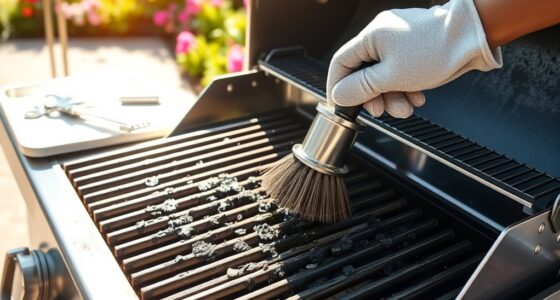
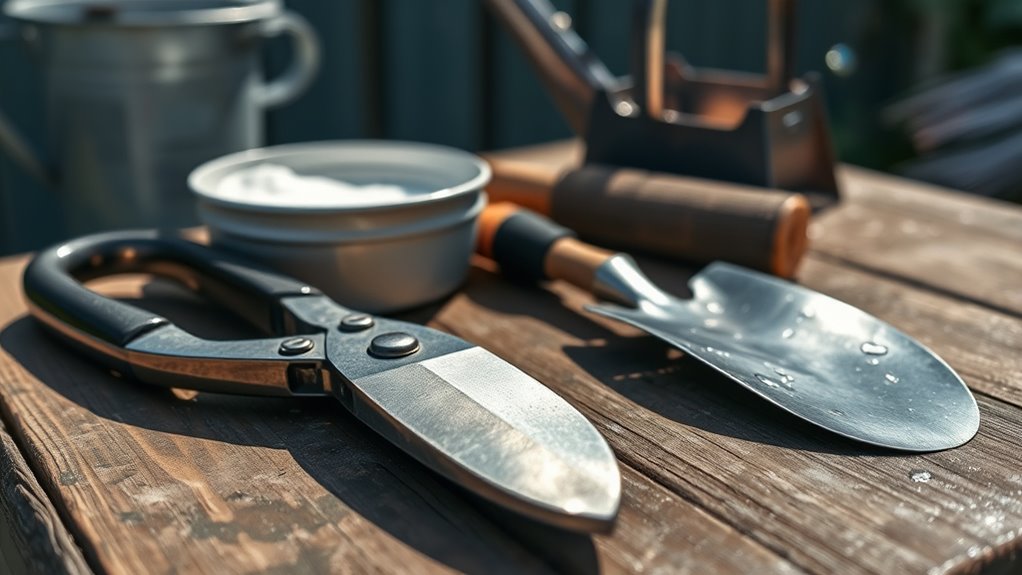
When it comes to cleaning, begin by removing dirt and debris with a stiff brush or a putty knife. For stubborn grime, soak the tools in warm, soapy water, then scrub thoroughly. Once clean, dry them completely to prevent rust. Applying a thin coat of oil—like WD-40 or mineral oil—helps create a protective barrier that fights rust and moisture. Focus on the metal parts, especially if you notice any beginning signs of corrosion. If your tools have ergonomic handles, check them for cracks or splinters. These handles are designed to reduce fatigue and increase comfort, so keeping them in good condition is essential. Use a damp cloth to wipe down handles and, if needed, apply a little wood conditioner or handle-specific treatment to keep them smooth and durable. Properly maintained ergonomic handles not only feel better in your hands but also reduce the risk of blisters or hand fatigue during prolonged use.
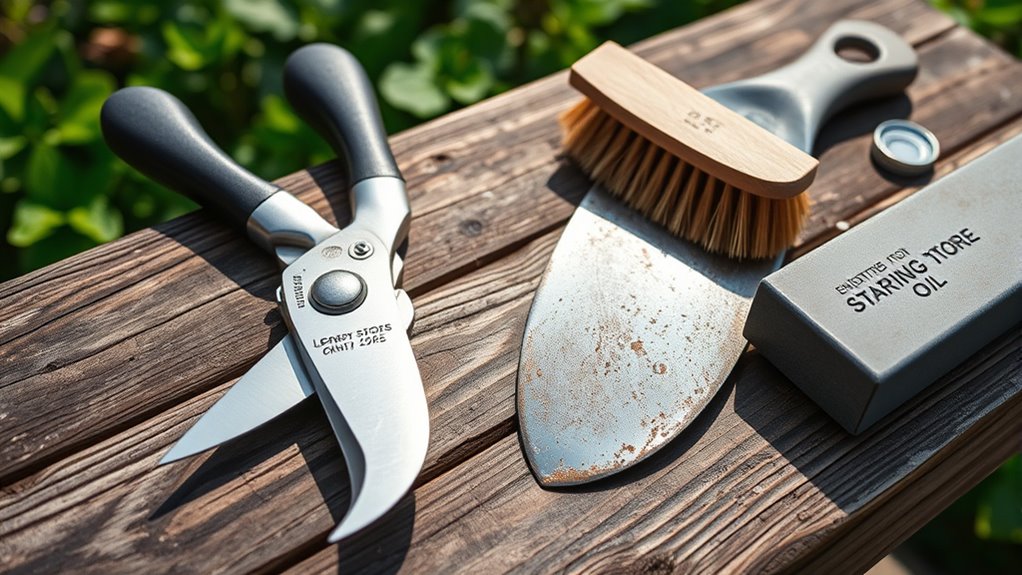
Rust prevention is key to maintaining sharpness and functionality. Store your tools in a dry, sheltered space, and consider hanging them to avoid contact with moisture on the ground. You might also want to invest in rust inhibitors or protective coatings for metal parts. For added rust prevention, apply a light layer of oil after each use, especially if you’re storing tools for an extended period. Regularly checking your tools’ power supply and ensuring they receive proper care can help prevent unexpected issues and prolong their lifespan. Sharpening your tools regularly keeps blades and cutting edges precise, making your work cleaner and less exhausting. Use a sharpening stone or file to restore a keen edge, following the original bevel angle. Be gentle but thorough, and always wipe away any metal filings afterward.
Maintaining your garden tools with proper cleaning, sharpening, and rust prevention techniques guarantees they stay effective season after season. Pay close attention to ergonomic handles, and don’t forget to store your tools properly. When your tools are in top shape, gardening becomes more enjoyable and less of a chore. With a little effort now, you’ll enjoy stronger, sharper tools that perform flawlessly whenever you step into your garden.

Trend Tool, Blade & Bit Cleaner, 18 fl oz, Resin, Pitch & Rust Remover, Safe Non-Toxic Formula for Workshop Tools, CLEAN/500
POWERFUL CLEANING FORMULA: Advanced cleaner that breaks the molecular bond between resin, pitch, rust and dirt, lifting contaminants…
As an affiliate, we earn on qualifying purchases.
As an affiliate, we earn on qualifying purchases.
Frequently Asked Questions
How Often Should I Replace My Garden Tools?
You should replace your garden tools when they show signs of significant wear, rust, or damage that affects their tool longevity and performance. Regular inspections help identify when replacements are needed. As a rule of thumb, if sharpening no longer restores their effectiveness or if handles are cracked, it’s time for replacement. Following these replacement tips ensures you maintain efficient, safe tools and get the most out of your gardening efforts.
What Are Eco-Friendly Cleaning Options for Garden Tools?
You can choose eco-friendly cleaning options for your garden tools by using biodegradable cleaners and natural polishing agents. These alternatives effectively remove dirt and rust without harming the environment. Simply apply biodegradable cleaners to loosen grime, then use natural polishing agents like beeswax or olive oil to shine and protect your tools. This way, you keep your garden tools clean and eco-conscious, ensuring they last longer while supporting sustainability.
Can I Sharpen Tools With Household Items?
Think of sharpening your tools like tuning a musical instrument—you want precision. Yes, you can use household items like a metal file, sandpaper, or a sharpening stone to DIY hack your tools. Just be careful to avoid common mistakes like over-sharpening or using the wrong grit. These simple hacks save money and time, but always test on a small area first to keep your tools in perfect pitch.
How Do I Store Garden Tools to Prevent Rust?
To prevent rust, store your garden tools in a dry, covered area away from moisture. Use storage solutions like hanging hooks, tool racks, or a toolbox to keep tools organized and air circulation high. Apply a light coat of oil before storing to create a protective barrier against rust. Regularly check and clean tools after use, ensuring they stay dry and in good condition for your next gardening session.
Are There Specific Tools for Different Types of Plants?
A stitch in time saves nine, so you should pick plant specific tools for each job. Tailored gardening implements help you work efficiently and avoid damaging delicate plants. For example, use small pruners for roses and larger shovels for digging. Having the right tools for different plants makes gardening easier and ensures healthy growth, guaranteeing you time and effort in the long run.

Corona Tools Handheld Garden Tool Sharpener– Blade Sharpener for Pruning Shears, Loppers, Hedge Clippers & More
Tungsten Carbide Blade for Fast, Effective Sharpening – Features a durable tungsten carbide sharpening edge that restores a…
As an affiliate, we earn on qualifying purchases.
As an affiliate, we earn on qualifying purchases.
Conclusion
By taking the time to clean and sharpen your garden tools, you’re giving them a spa day they deserve—restoring their sharpness and power. Think of your tools as loyal allies, ready to help your garden flourish; with proper care, they’ll perform like new and last for seasons to come. So, roll up your sleeves, pamper your tools, and watch your garden thrive as if it’s been touched by magic. Your green thumb will thank you!

WD-40 Specialist Corrosion Inhibitor, Long-Lasting Anti-Rust Spray, 6.5 OZ
Coats metal parts to lubricate and protect against rust and corrosion by blocking out air and moisture. Protects…
As an affiliate, we earn on qualifying purchases.
As an affiliate, we earn on qualifying purchases.
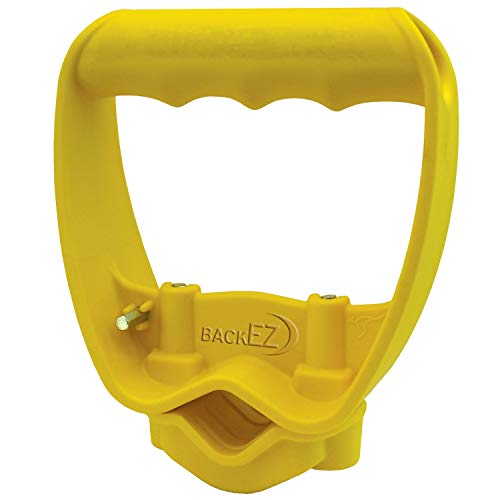
Back-Saving Tool Handle Labor-Saving Ergonomic Shovel or Rake Handle Attachment Yellow
EVR-GRIP BACK SAVER can be added to any long handle stick tool in 1 minute. NEW Upgrade rubber…
As an affiliate, we earn on qualifying purchases.
As an affiliate, we earn on qualifying purchases.