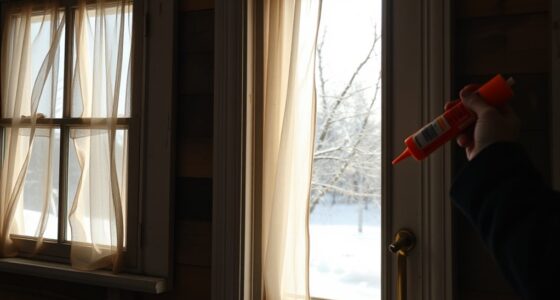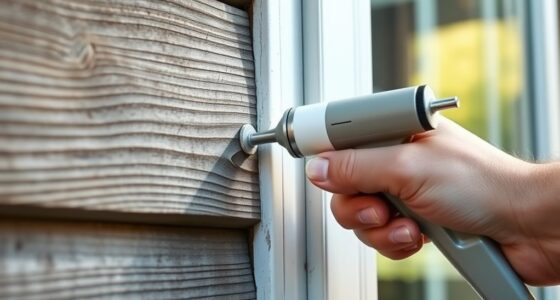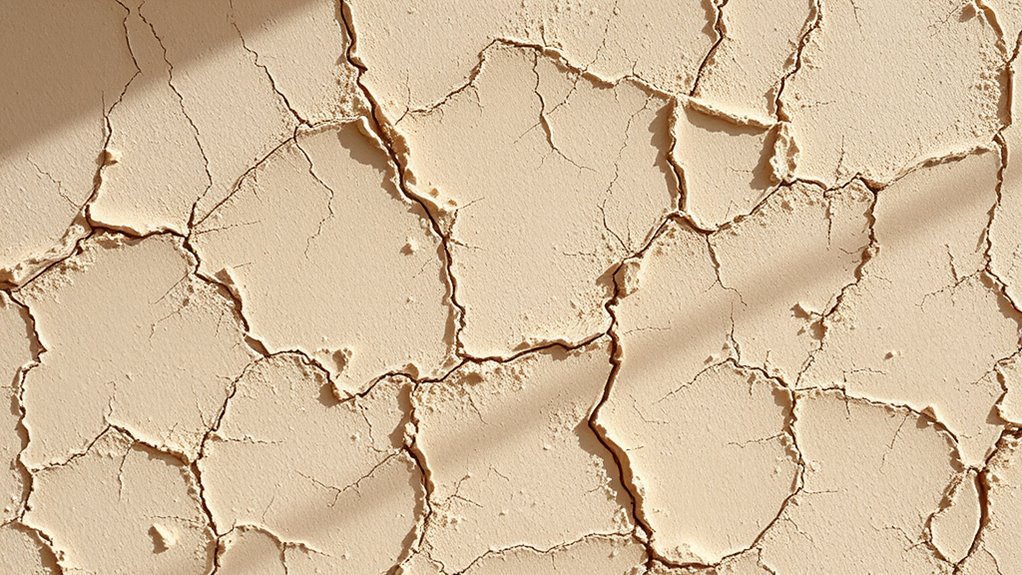

Wall cracks can indicate underlying foundation issues or settling, especially if they are large, diagonal, or growing wider. Small, vertical cracks often mean normal settling, but bigger cracks near doors, windows, or drywall damage suggest more serious problems. Ignoring these signs can lead to costly repairs or structural damage. To understand what your cracks might mean and how to fix them, it’s important to assess the severity and consider consulting a professional for guidance.
Key Takeaways
- Wall cracks can indicate foundation settling or movement, which may require professional assessment.
- Small vertical or hairline cracks often are normal, but large or diagonal cracks suggest serious issues.
- Signs of foundation problems include drywall damage, uneven floors, and sticking doors or windows.
- Prompt repair and professional evaluation are essential to prevent worsening structural damage.
- Repair methods include crack sealing, drywall patching, and addressing foundation stability through specialist interventions.
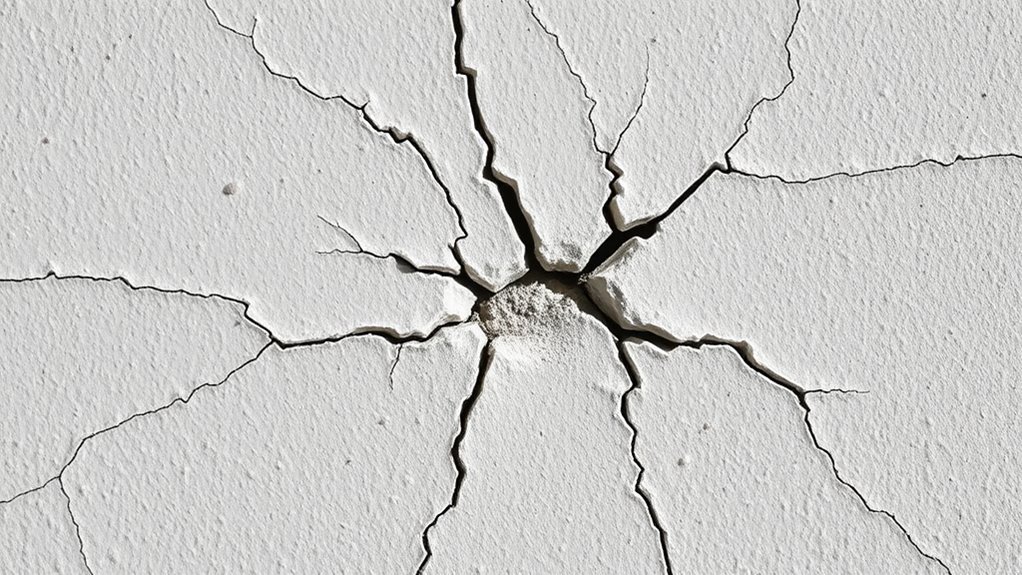
Wall cracks can be a sign of underlying issues with your home’s foundation or settling processes. If you notice cracks developing along your interior or exterior walls, it’s essential to determine whether they’re a normal part of settling or a sign of a more serious problem. Foundation settling occurs naturally over time as the soil beneath your house shifts, but excessive or uneven settling can lead to significant structural issues. When the foundation shifts, you might see cracks appearing in your drywall, especially around door frames, windows, or corners. These cracks often start as small hairline fractures but can grow wider and more noticeable if the underlying cause isn’t addressed.
Understanding the difference between minor settling and foundation problems is vital. Small, vertical cracks that run straight up and down or around the edges of door and window frames are typically signs of normal settling. However, large, diagonal, or stair-step cracks often indicate more serious foundation movement. These types of cracks can lead to drywall damage, where the drywall may begin to bow, crack, or even fall apart if the underlying issue worsens. When drywall damage accompanies foundation cracks, it’s a clear signal that you need to investigate further. You should look for signs like uneven floors, sticking doors or windows, or gaps around frames, which can all point to shifting foundations.
If you notice wall cracks and drywall damage, it’s best to act promptly. Ignoring these signs can result in more extensive and costly repairs down the line. You might need to consult a foundation specialist or structural engineer who can assess the severity of the problem. Sometimes, foundation settling can be managed with underpinning, piering, or soil stabilization techniques, which help return your home to a stable position. Repairing drywall damage is usually straightforward once the foundation is stabilized; you can patch, sand, and repaint the affected areas. But if the foundation issues aren’t resolved, new cracks and drywall damage will likely keep appearing.
To prevent worsening problems, keep an eye on the cracks over time. Measure their width and length, and note whether they expand or change shape. Address minor cracks early before they develop into larger issues. You should also be aware of soil movement and its impact on foundation stability, as it can be a key factor in foundation settling and cracking. When in doubt, professional evaluation is the safest approach. Remember, wall cracks aren’t just cosmetic; they can indicate serious foundation issues that, if left unchecked, threaten the structural integrity of your home. Taking swift action helps protect your investment and keeps your living space safe and stable.
Frequently Asked Questions
How Can I Prevent Wall Cracks From Forming?
To prevent wall cracks, you should follow DIY patching and crack prevention tips like controlling indoor humidity, avoiding sudden temperature changes, and ensuring proper foundation settling. Regularly inspect your walls for early signs of cracking and fix small issues promptly. Use quality materials when patching, and avoid overloading walls with heavy shelves or art. These steps help maintain wall stability and minimize the risk of cracks forming over time.
Are Hairline Cracks a Sign of Structural Damage?
Hairline cracks are often like tiny scars on your wall, not necessarily signs of serious trouble. Usually, they result from weather effects or minor foundation issues, and they don’t indicate structural damage. However, if cracks widen or multiply, it’s wise to consult a professional. Keep an eye on your walls, especially after weather changes, to catch any deeper foundation issues early before they become major problems.
When Should I Call a Professional for Wall Cracks?
You should call a professional if wall cracks are large, widening over time, or accompanied by uneven floors or sticking doors, as these could indicate foundation issues. Even if cracks seem cosmetic, get an expert to assess them, especially if they’re new or worsening. Prompt professional evaluation helps prevent future damage, ensuring your home’s stability and avoiding costly repairs. Don’t ignore signs that might point to underlying structural problems.
Do Wall Cracks Affect Property Value?
Did you know that 25% of homebuyers see wall cracks as a sign of foundation issues? Wall cracks can impact your property value, especially if they’re linked to structural problems rather than just cosmetic concerns. If cracks worsen or are accompanied by other signs of foundation issues, they could lower your home’s worth. Addressing these early can protect your investment and maintain your property’s appeal.
What Materials Are Best for Repairing Wall Cracks?
For repairing wall cracks, you should use drywall tape and epoxy fillers for the best results. Apply the epoxy filler to fill the crack, then embed drywall tape over it to reinforce the repair. Smooth it out with a putty knife and sand once dry. This combination guarantees a durable, seamless finish that restores your wall’s appearance and prevents the crack from reappearing, keeping your property looking its best.
Conclusion
Think of wall cracks as a warning sign on your home’s health. Ignoring them is like ignoring a small leak—you risk bigger problems down the road. By understanding what they mean and addressing them early, you’re patching up tiny cracks before they turn into a full-blown storm. Stay vigilant, fix issues promptly, and your walls will stand strong like a sturdy ship weathering any storm. Your home’s safety is worth every quick repair.