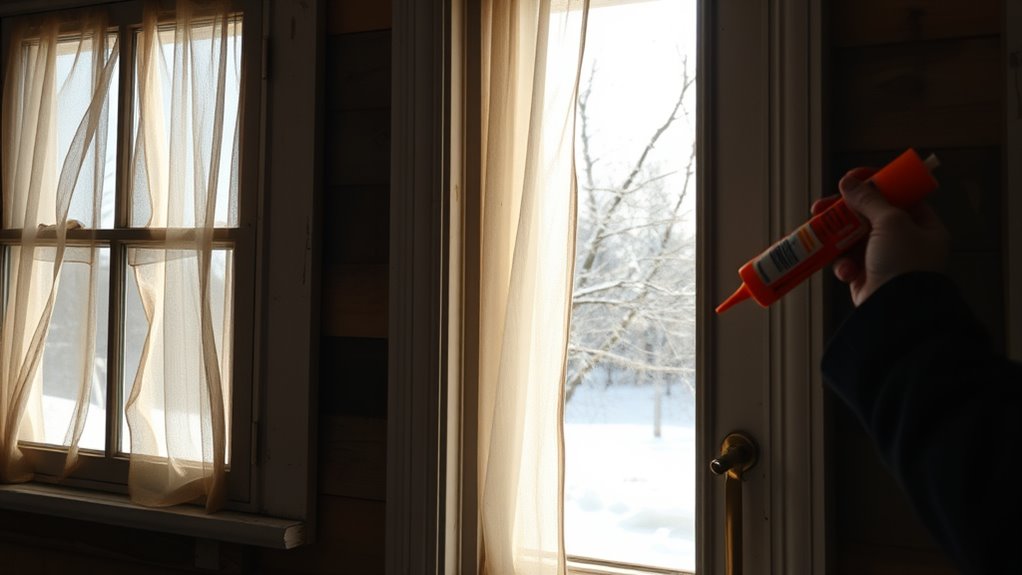
To seal your windows and doors and save energy, start by removing old caulk and debris for a clean surface. Apply new silicone-based caulk along gaps and smooth it out for a tight seal. Install weatherstripping, like foam tapes or rubber gaskets, to block drafts, especially around frames and edges. Regularly check these seals and maintain them to keep your home cozy and efficient—all the tips you need are just ahead.
Open a free Amazon Business account
Business pricing, bulk buying and tax-exempt orders.
As an affiliate, we earn on qualifying purchases.
Key Takeaways
- Remove old caulk and debris, then apply fresh silicone caulk along window and door gaps for a tight seal.
- Install weatherstripping like foam tape or rubber gaskets around frames to block drafts effectively.
- Ensure doors and windows close snugly without forcing, maintaining proper seals for energy efficiency.
- Regularly inspect seals and weatherstripping for damage or wear, replacing as needed to prevent leaks.
- Combine caulking and weatherstripping for a comprehensive barrier that enhances heating and cooling savings.
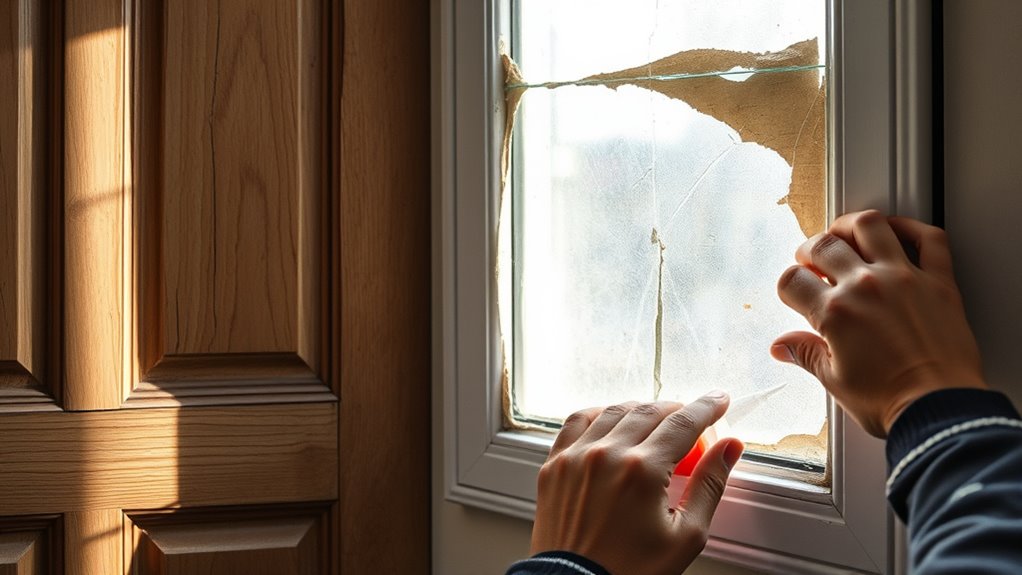
A drafty house can considerably increase your heating and cooling costs while making your living space uncomfortable. Luckily, sealing gaps around your windows and doors is a straightforward way to improve energy efficiency. The first step involves understanding caulking techniques, which are essential for sealing stationary gaps. When applying caulk, you want to guarantee a clean surface—remove old caulk, dust, and debris. Use a caulking gun to apply a steady, even bead along the gap, pressing it in slightly to ensure a good seal. Smooth the caulk with a finger or a caulking tool for a neat finish, and wipe away excess before it dries. For narrow or hard-to-reach areas, consider using a silicone-based caulk, which offers flexibility and durability over time, especially in areas exposed to temperature fluctuations or moisture.
Alongside caulking, weatherstripping options are crucial for sealing moving parts of windows and doors. You can choose from various weatherstripping materials, including foam tapes, rubber gaskets, or metal V-strips, depending on the size of the gap and your aesthetic preferences. For windows, adhesive-backed foam weatherstripping is easy to install—just measure the perimeter, cut to size, and stick it along the frame where air leaks occur. For doors, consider door sweeps or V-strip weatherstripping—these are particularly effective at blocking drafts from entering underneath or around the door edges. When installing weatherstripping, make sure the door or window closes snugly without too much force, as overly tight seals can cause damage or hinder operation.
To maximize your sealing efforts, combine caulking techniques with appropriate weatherstripping options. Regularly inspect your windows and doors, especially before seasons with extreme temperatures, to check for new leaks or wear. Keep in mind that even small gaps can substantially impact your energy bills over time, so addressing them promptly makes a noticeable difference. Additionally, consider using draft stoppers or door snakes for extra protection at the bottom of doors, especially if you notice persistent drafts. The key is to create a continuous barrier against air leaks—no matter how small—so your heating and cooling systems can work more efficiently. Sealing your home’s leaks may take some time initially, but the energy savings and increased comfort make it well worth the effort. Proper sealing techniques are a fundamental energy-saving strategy that can significantly reduce your home’s energy consumption.
silicone caulk for windows and doors
As an affiliate, we earn on qualifying purchases.
As an affiliate, we earn on qualifying purchases.
Frequently Asked Questions
How Often Should I Inspect Window and Door Seals?
You should inspect your window and door seals at least once a year to catch any issues early. Regular inspection frequency helps guarantee the sealant remains effective, maintaining energy efficiency. Keep an eye out for cracks, gaps, or wear, and reapply sealant as needed to prevent drafts. Proper maintenance extends the durability of your seals and saves you money on heating and cooling costs over time.
Can Sealing Windows and Doors Improve Indoor Air Quality?
Sealing your windows and doors can actually improve indoor air quality by reducing drafts that allow dust, pollen, and pollutants to enter. While it doesn’t directly filter the air, it promotes better air circulation and prevents outdoor irritants from sneaking inside, creating a healthier environment. Plus, by controlling airflow, you help your HVAC system work more efficiently, maintaining cleaner, fresher indoor air for you and your family.
Are There Eco-Friendly Sealing Options Available?
Yes, eco-friendly sealing options are available. You can choose biodegradable sealants made from natural materials that break down safely over time. Additionally, using recycled insulation not only improves energy efficiency but also reduces waste. These options help you seal windows and doors effectively while minimizing environmental impact. By opting for biodegradable sealants and recycled insulation, you support sustainability and create a healthier indoor environment.
How Do I Choose the Right Sealing Materials?
You need to pick the right sealing materials, and that’s where your eye for detail pays off. First, consider caulking types—silicone for flexibility, acrylic for easy cleanup. Then, match weatherstripping options—foam tape for irregular gaps, V-seal for gaps around sashes. Think of it as finding a needle in a haystack, but with the right materials, you’ll seal gaps tight and save energy effectively.
Will Sealing Windows and Doors Increase My Home’s Value?
Sealing your windows and doors can boost your home’s value by improving energy savings and showing your commitment to efficiency. Potential buyers appreciate lower energy bills, making your house more attractive. Additionally, sealed windows and doors enhance comfort, which adds to your property’s appeal. Overall, investing in sealing helps increase your home’s market value and saves you money on utility costs long-term.
As an affiliate, we earn on qualifying purchases.
Conclusion
Sealing your windows and doors might seem like a small fix, but it transforms your home from a chilly draft to a cozy retreat. Just like a warm blanket offers comfort on a cold night, these simple steps keep warmth in and cold out. In the end, a draft-free house isn’t just about energy savings—it’s about creating a space where you feel truly at home, no matter the weather outside.
As an affiliate, we earn on qualifying purchases.
As an affiliate, we earn on qualifying purchases.
NFL season / tailgating Picks
team gear
As an affiliate, we earn on qualifying purchases.