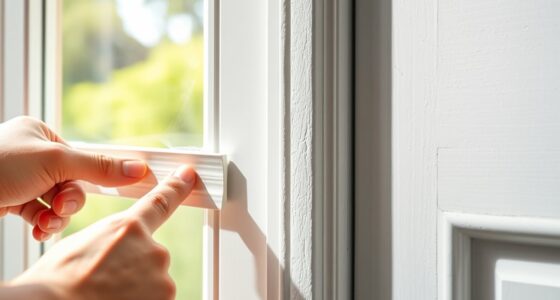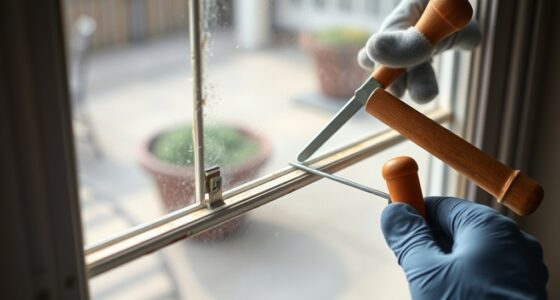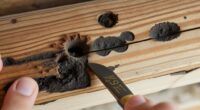
To prevent exterior paint from peeling, start by preparing surfaces properly—remove loose paint, clean, and dry them thoroughly. Choose high-quality paint suitable for weather conditions, and apply multiple thin coats rather than one thick one. Painting during mild, dry weather helps it bond better and lasts longer. Use the right brushes and proper techniques to guarantee smooth application. If you keep these tips in mind, you’ll find ways to extend your paint’s lifespan, which you’ll discover more about next.
Key Takeaways
- Properly prepare surfaces by cleaning, removing loose paint, and ensuring dryness before applying new coats.
- Use multiple thin coats of high-quality, weather-appropriate paint for better adhesion and durability.
- Apply paint during mild, dry weather, avoiding extreme temperatures and high humidity to prevent early peeling.
- Choose suitable primers and coatings designed for exterior surfaces to create moisture barriers.
- Regularly inspect and touch up small areas to prevent moisture infiltration and peeling from spreading.
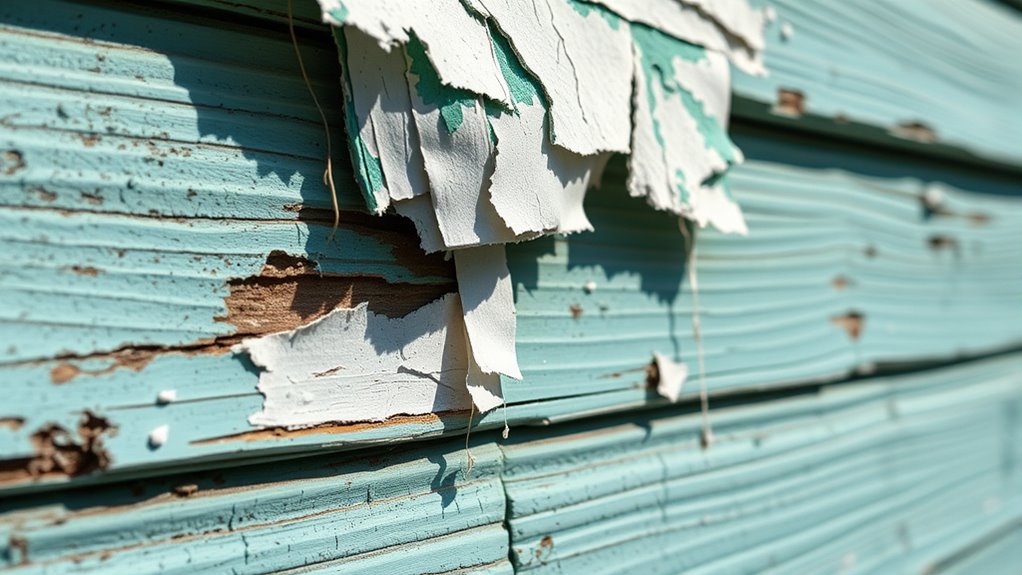
Have you ever noticed patches of paint peeling off your walls or furniture? If so, you’re not alone. Peeling paint is a common issue, especially on exteriors where weather effects play a significant role. To prevent this, understanding proper application techniques and considering environmental factors are essential. One of the most effective ways to guarantee a durable paint job is mastering brush techniques. When painting, use smooth, even strokes to apply the paint, avoiding excessive pressure that can cause uneven layers. Proper brush techniques help the paint adhere better to the surface, reducing the risk of peeling over time. For exterior surfaces, it’s especially important to use the right brush size and type—stiff bristle brushes work well on rough surfaces, while softer brushes suit smooth siding or trim. Applying thin, multiple coats rather than one thick layer also enhances adhesion and durability. Additionally, selecting the appropriate paint type and finish based on the surface and weather conditions can significantly improve longevity. Weather effects are another major contributor to peeling paint. Exposure to rain, humidity, and temperature fluctuations can cause paint to deteriorate prematurely. When moisture seeps behind the paint, it weakens the bond between the layers and the surface, leading to peeling and bubbling. Hot or freezing temperatures can cause the paint to expand and contract, creating stress that eventually causes it to crack or peel away. To combat these weather effects, you should plan your painting project during ideal weather conditions—preferably when the forecast calls for mild, dry weather. Keep in mind that painting in direct sunlight can cause the paint to dry too quickly, leading to poor adhesion. It’s best to paint during times when the surface is cool and dry, and avoid painting just before rain or during high humidity. Additionally, preparing the surface properly before painting is vital. Remove any loose or peeling paint, clean the surface thoroughly, and allow it to dry completely. Applying a suitable primer can also improve adhesion and provide a barrier against moisture. Using proper surface preparation techniques can further enhance the durability of your paint job. Regular maintenance, such as inspecting your exterior paint and touching up small areas before they peel further, can extend the lifespan of your paint job. It’s also beneficial to understand how weather effects like humidity and temperature fluctuations can accelerate deterioration, so timing your project accordingly is crucial. Incorporating proper coating selection can help your paint withstand environmental stressors better. Furthermore, understanding how environmental factors influence paint performance enables better planning and longer-lasting results. By combining proper brush techniques with strategic timing considering weather effects, you can considerably reduce the chances of peeling paint and keep your home looking fresh and well-maintained for years to come.
Frequently Asked Questions
How Long Does Exterior Paint Typically Last Before Peeling?
Exterior paint typically lasts about 5 to 10 years before peeling, depending on factors like paint adhesion and surface preparation. To maximize longevity, you should guarantee proper surface prep—cleaning, sanding, and priming—before painting. Regular maintenance also helps prevent peeling. If you notice early signs, touch up areas promptly to avoid extensive peeling. Proper application and upkeep are key to extending your paint’s lifespan.
Can Weather Conditions Influence Paint Durability?
Think of your paint as a brave shield facing weather impact daily. Cold, heat, rain, and sun test its resilience, much like a knight enduring battles. Harsh weather conditions can weaken your paint’s durability, causing it to peel faster. To boost paint resilience, choose high-quality exterior paints designed for your climate and apply proper prep work. This way, you guarantee your home’s surface stays protected and vibrant through all seasons.
Are There Specific Paints Better for Preventing Peeling?
Yes, certain paints are better for preventing peeling. Look for paints with advanced paint formulation designed for durability and flexibility, which helps them resist cracking and peeling over time. Proper surface preparation is essential—clean, sand, and prime the surface before painting. This guarantees better adhesion and longevity. Choosing high-quality exterior paints and following manufacturer instructions also greatly reduce the risk of peeling, keeping your paint looking fresh longer.
How Often Should I Repaint My Home’s Exterior?
You should repaint your home’s exterior every 5 to 10 years, depending on climate and paint quality. Proper preparation, including cleaning and scraping, guarantees paint sticks and lasts longer. When choosing paint colors, consider shades that resist fading and weathering. Regular maintenance, like touching up chipped areas, prevents peeling. By sticking to a schedule and selecting the right paints, you keep your home vibrant and protected, avoiding costly repairs down the line.
What Signs Indicate My Paint Is About to Peel?
You’ll notice signs like chalking, cracking, or bubbling paint, which indicate your paint is about to peel. Poor paint quality or inadequate surface preparation often cause this. To prevent peeling, make certain surfaces are clean, dry, and properly sanded before painting. Using high-quality paint and applying it correctly can extend the life of your exterior finish, keeping it looking fresh and intact longer.
Conclusion
To keep your paint pristine and peeling-free, prepare properly, pick perfect products, and perform regular inspections. Protect your porch, patio, and panels by planning, priming, and painting with patience. Prevent problems before they start by practicing proactive upkeep. Remember, consistent care creates a curb appeal that lasts, so stay vigilant, schedule seasonal scrutiny, and stay savvy about surface solutions. With these simple steps, your exterior will stay stunning and streak-free for years to come.