To fix a sagging cabinet door hinge, start by inspecting the hinges for damage or looseness. Tighten any loose screws and check for rust or cracks. If the hinges are worn or damaged, replace them with new ones. For misaligned doors, use a screwdriver to adjust the hinge screws slightly until the door sits evenly. Regular maintenance helps prevent sagging, and continuing with these steps will guide you through a more detailed fix.
Key Takeaways
- Inspect hinges for damage, rust, or looseness, and tighten screws if needed.
- Adjust hinge alignment using the screws to realign the door properly.
- Replace damaged or worn hinges with new ones for better support.
- Fill stripped screw holes with wood filler or use larger screws before reinstalling hinges.
- Regularly maintain hinges by cleaning, tightening screws, and checking for wear to prevent sagging.
A sagging cabinet door not only looks unsightly but can also make your cabinets less functional. When your door dips or hangs unevenly, it’s usually due to issues with the hinges, such as misalignment or wear. Fixing this problem begins with evaluating the hinges themselves. Often, hinge replacement is necessary if the hinges are damaged or worn out, but before rushing to replace, you should check if hinge alignment can solve the issue. Proper hinge alignment ensures the door hangs evenly and swings smoothly, restoring both appearance and function.
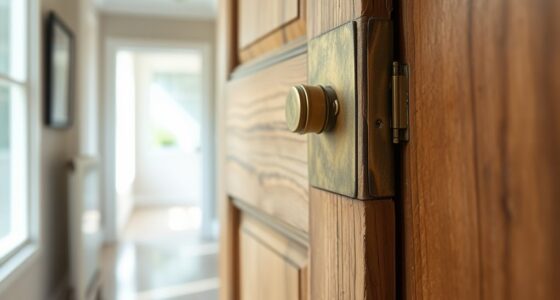
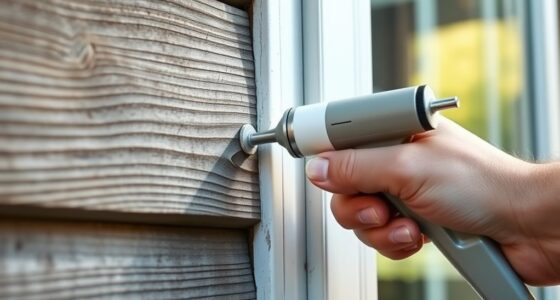
Start by opening the cabinet and inspecting the hinges closely. Look for any visible damage like cracks, rust, or loose screws. If the hinges seem intact but the door still sags, it’s likely an alignment issue. To adjust hinge alignment, you’ll need a screwdriver—most hinges have adjustment screws specifically for this purpose. Loosen the screws slightly, then gently shift the door into the correct position. Once aligned, tighten the screws firmly to hold the door in place. Repeat this process on all hinges until the door hangs evenly and swings without obstruction.
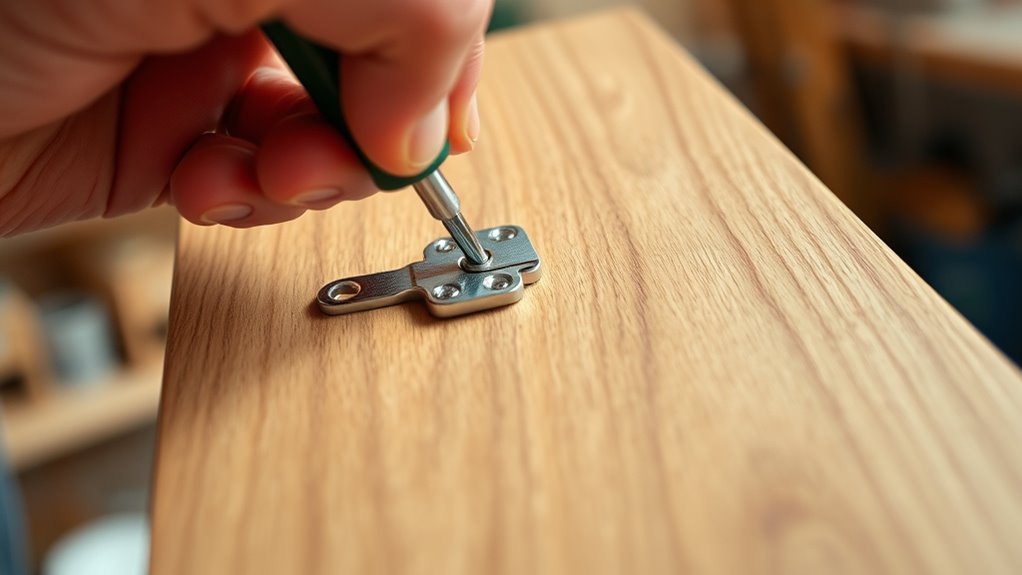
Sometimes, hinge alignment alone isn’t enough. Over time, hinges can become loose or worn, causing the door to sag. In such cases, hinge replacement becomes necessary. To do this, start by removing the old hinges. Unscrew the hinges from both the door and the cabinet frame. Be careful not to damage the wood while removing the screws. After removing the old hinges, check the screw holes. If they’re stripped or enlarged, you might need to fill them with wood filler or use slightly larger screws to ensure a tight fit. Then, install the new hinges by screwing them into the same spots, making sure they are aligned correctly. Use a level or a straightedge to verify that the door hangs properly before tightening all screws fully. Proper hinge alignment and adjustment from the start can prevent sagging altogether and is a key step in ensuring longevity.
If your cabinet hinges are of a type that allows for hinge adjustment, take advantage of the alignment screws during installation. Proper hinge alignment from the start can prevent sagging altogether. Additionally, using high-quality hinges can help maintain proper alignment over time. Keep in mind that regular maintenance, like tightening loose screws and cleaning hinges, can extend their lifespan and keep your cabinet doors functioning well. Checking hinge condition regularly can help you catch issues early before they lead to sagging. Properly aligned and maintained hinges not only improve door appearance but also prevent sagging and ensure smooth operation, saving you time and effort in the long run. By paying close attention to hinge condition and alignment, you’ll ensure your cabinets look tidy and operate smoothly, avoiding future sagging issues.
Frequently Asked Questions
Can I Fix a Sagging Hinge Without Replacing It?
Yes, you can fix a sagging hinge without replacing it. First, try lubricating the hinge to see if it improves movement. If that doesn’t work, consider hinge replacement options like tightening screws or installing shims behind the hinge. Sometimes, adjusting or lubricating the hinge restores proper alignment, avoiding the need for a full replacement. These simple fixes often solve the problem effectively.
What Tools Are Needed for Hinge Adjustment?
Think of fixing your hinge like tuning a musical instrument—you need the right tools to restore harmony. Gather a screwdriver, hinge lubrication, and hinge replacement tools like a drill if needed. Use the screwdriver to adjust screws, apply hinge lubrication to guarantee smooth operation, and keep hinge replacement tools handy if the hinge is too worn. These tools help you realign and stabilize your cabinet door, ensuring it swings effortlessly again.
How Do I Prevent Hinges From Sagging in the Future?
To prevent hinges from sagging in the future, regularly lubricate the hinges to reduce friction and wear. Keep an eye on door alignment, adjusting screws as needed to guarantee the door stays level and properly aligned. Additionally, avoid slamming doors and check hinges periodically for looseness. Proper maintenance helps maintain hinge stability, preventing sagging and extending the life of your cabinet doors.
Are There Different Hinge Types Requiring Unique Fixes?
Yes, different hinge materials and styles need unique fixes. For instance, metal hinges like steel or brass are durable but may corrode, requiring lubrication or replacement. Soft-close hinges or European-style hinges often need specific adjustments or tightening screws, while concealed hinges might need realignment. Always identify your hinge style and material first, then follow the appropriate repair steps. This guarantees a secure, long-lasting fix tailored to your cabinet’s hinge type.
How Long Does a Hinge Repair Typically Take?
A hinge repair usually takes about 15 to 30 minutes, depending on the severity of the sagging and your experience. You’ll want to follow hinge maintenance and repair tips, like tightening screws or replacing worn parts. Keep tools handy, and take your time aligning the door properly. With patience, you can fix it quickly, restoring your cabinet’s function and appearance without needing a professional.
Conclusion
Now that you know how to fix a sagging cabinet door hinge, you’re ready to restore your cabinet’s grace. Think of it as giving your furniture a gentle nudge back to its original poise, like straightening a crooked picture frame. With a few simple tools and some patience, you can keep your cabinet doors hanging perfectly. Soon, your kitchen will look as sharp as ever, and you’ll feel proud of your handiwork—no sagging allowed!