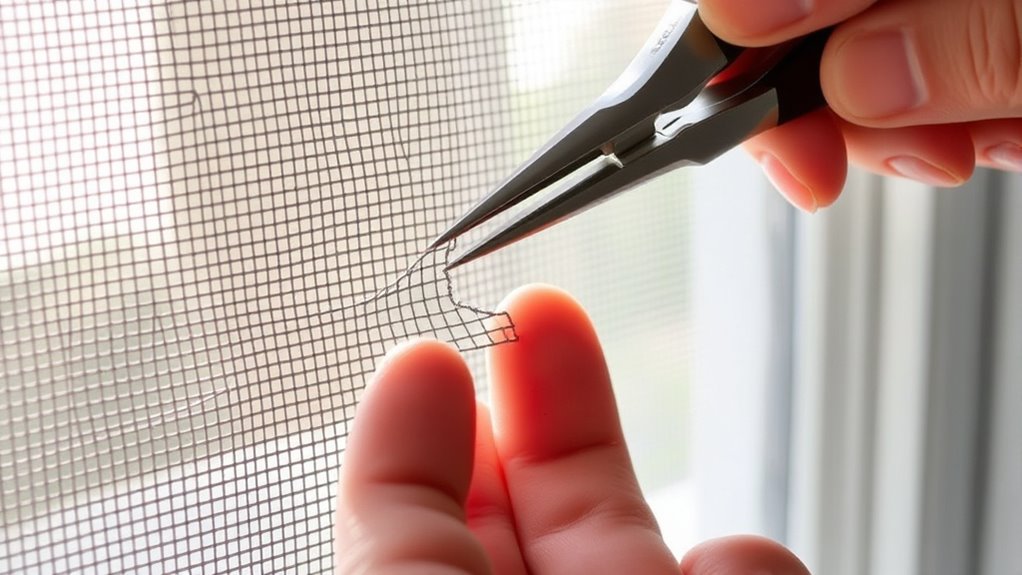

To fix a hole in your window screen and keep bugs out, start by removing the screen from the frame. Trim a piece of replacement mesh slightly larger than the tear and apply waterproof screen repair tape or adhesive around the damaged area. Press the patch firmly onto the mesh, smoothing out any air bubbles. Reinstall the screen, pressing the spline back into the groove. For more tips to guarantee a lasting repair, keep exploring the details ahead.
Key Takeaways
- Remove the damaged screen from the window frame carefully using a flat-head screwdriver.
- Cut a high-quality replacement mesh slightly larger than the hole, ensuring sufficient overlap.
- Apply screen repair tape or adhesive around the damaged area and attach the patch securely.
- Reinstall the screen into the frame, pressing the spline back into its groove to secure the mesh.
- Ensure the patch is taut, trimmed, and the screen is clean to prevent bugs from entering.
A hole in your window screen can quickly turn into a bigger problem if left unrepaired, allowing insects and debris to enter your home. That small tear might seem insignificant, but it can compromise your home’s comfort and cleanliness. Luckily, fixing a hole in your screen is straightforward and can be done quickly with some basic tools and materials. The key is to focus on the screen mesh, which is the material that keeps bugs out. Whether the damage is a tiny tear or a larger gash, patch repair is usually the most effective solution.
Start by removing the screen from your window frame. Carefully pry out the spline— the rubber or vinyl cord that holds the screen mesh in place— using a flat-head screwdriver. Once the screen is loose, lay it flat on a clean surface. Examine the damaged area and cut out the torn section if it’s larger than a small hole. You’ll want a clean, smooth edge to work with for the patch repair.
Remove the screen from the window frame and carefully pry out the spline.
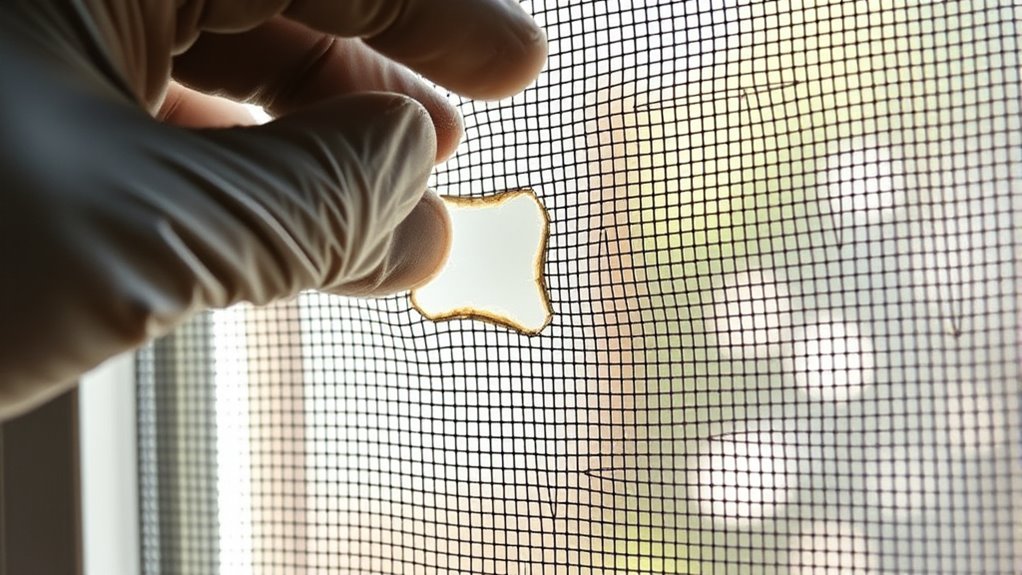
Next, cut a piece of new screen mesh slightly larger than the hole. Make sure to select a mesh that matches your existing screen in terms of material and mesh size. Lay the patch over the damaged area, then cut a piece of adhesive or screen repair tape designed specifically for screens if you prefer a quick fix. For a more durable repair, you can use a screen patch kit, which includes adhesive and a pre-cut patch.
To attach the patch, apply the adhesive around the edges of the damaged area or directly underneath the patch. Press the patch firmly onto the screen mesh, ensuring there are no air bubbles or wrinkles. If you’re using repair tape, smooth it out carefully to create a tight seal. Once the patch is securely in place, allow any adhesive to dry as per the manufacturer’s instructions. Recognizing that high-quality mesh is crucial for durability can help ensure your repair lasts longer.
Finally, reinstall the screen into the window frame by pressing the spline back into its groove, trapping the patched mesh securely. Trim any excess screen material with scissors for a neat finish. When you hang the repaired screen back on your window, you’ll notice it looks almost new and, more importantly, it will effectively keep bugs out again. Regularly inspecting your screens and performing quick patch repairs can extend their lifespan and keep your home bug-free without much hassle.
Frequently Asked Questions
Can I Repair a Screen Hole Without Removing the Screen?
Yes, you can repair a screen hole without removing the screen using simple DIY patch tips. First, clean the area around the hole. Then, cut a piece of screen material slightly larger than the hole. Use a patch adhesive or a patch kit designed for screens, and press the patch firmly over the hole, sealing the edges. This effective screen repair technique keeps bugs out without needing to remove the entire screen.
What Tools Are Best for Patching Small Holes?
Did you know that over 60% of homeowners prefer quick fixes for screen repairs? For patching small holes, you’ll want to use screen patching kits or adhesive patches designed specifically for screens. Essential tool recommendations include scissors to cut the patch to size, a squeegee or credit card to smooth out bubbles, and a small screwdriver or pliers if needed to tighten the frame. These tools make your repair fast and effective.
How Long Does a Screen Repair Typically Last?
A screen repair typically lasts several years, depending on your screen’s durability and how well you maintain it. If you use quality materials and avoid harsh weather, your patch can stay effective longer. Regularly inspecting and gently cleaning your screen helps improve repair longevity. Keep in mind that minor damages may need re-patching sooner, but with proper care, your repaired screen should effectively keep bugs out for a good while.
Is It Better to Replace the Entire Screen or Patch?
It’s usually better to opt for screen patching if the hole is small, as it’s quick and cost-effective. However, if the damage is extensive, replacement options become more practical, offering longer-lasting results. Patching works well for minor tears, but for larger or multiple holes, replacing the entire screen guarantees better durability and bug prevention. Consider the extent of damage to decide whether patching or full replacement suits your needs best.
Can I Fix a Screen Hole in Wet or Humid Conditions?
You can fix a screen hole in wet or humid conditions, but moisture impact may weaken the repair. It’s best to wait for a dry, less humid day because moisture can prevent the patch from adhering properly and cause future issues. Repair timing matters—doing it when the air is dry ensures a stronger, longer-lasting fix. If you must repair in humid conditions, dry the area thoroughly beforehand for better results.
Conclusion
Now that you’ve learned how to mend that tiny tear, your window screen will be back to its quiet, vigilant self. A simple fix like this keeps the little invaders at bay, letting you enjoy the fresh air without worry. Remember, sometimes a small repair is all it takes to restore harmony and peace of mind. So, keep your screens in good shape, and let comfort and serenity gently settle into your home once again.