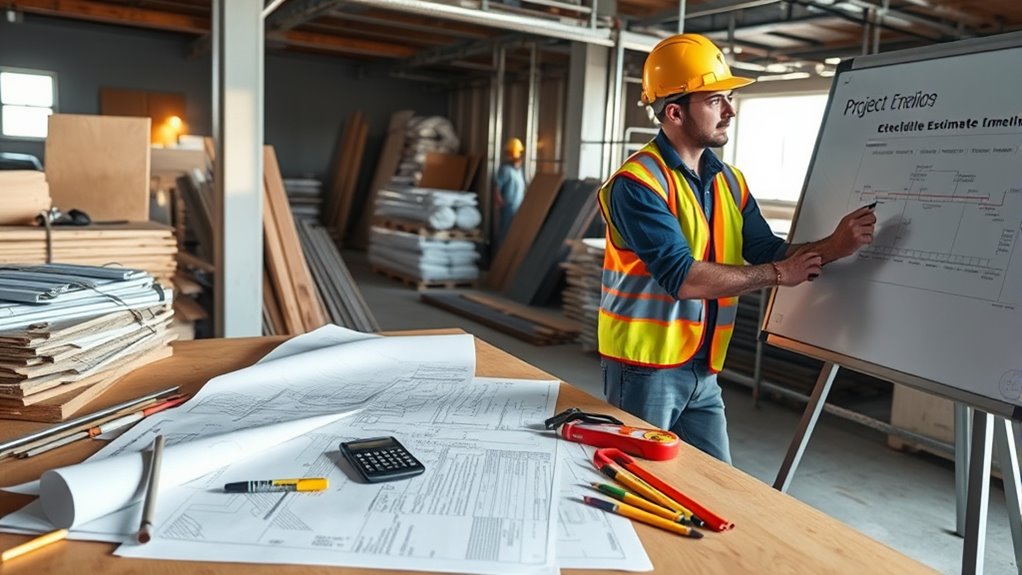

To accurately estimate materials and time in project planning, start by breaking down your project into detailed tasks and listing all required resources. Analyze each task to determine the quantity of materials needed and the time it will take to complete. Prioritize clear, realistic assessments to prevent shortages or delays. Continuously refine your estimates by considering potential risks and dependencies. As you explore further, you’ll discover more effective strategies to improve your planning accuracy.
Prime for Young Adults — start your free trial
Fast free delivery, streaming and member deals for eligible 18–24 year olds.
As an affiliate, we earn on qualifying purchases.
Key Takeaways
- Break down the project into detailed tasks to identify all required materials and activities.
- Use historical data, industry standards, or expert judgment to estimate quantities and durations.
- Incorporate contingency allowances to account for uncertainties in material needs and timeframes.
- Prioritize critical tasks and dependencies to accurately sequence activities and resources.
- Regularly review and update estimates throughout the project to reflect actual progress and changes.
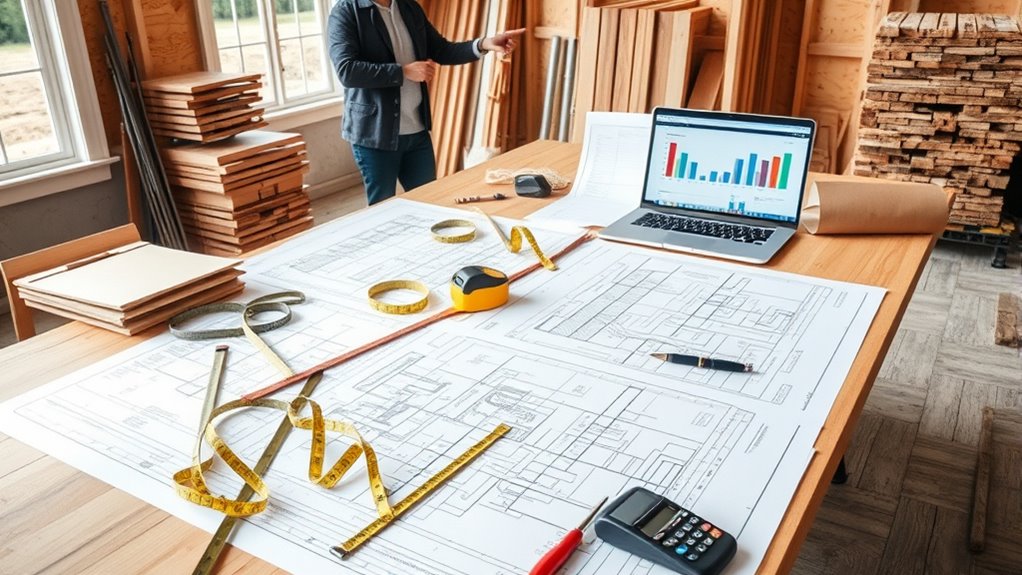
Have you ever wondered what makes a project succeed or fail? One of the key factors is how well you plan your resources and estimate your costs. When you start a project, accurate cost estimation becomes your foundation. It involves analyzing every aspect of the work to determine how much money you’ll need for materials, labor, and other expenses. If you underestimate costs, you risk running out of funds halfway through, leading to delays or incomplete work. Overestimating, on the other hand, might tie up unnecessary resources, making your project less efficient and more expensive than it needs to be. By investing time upfront to develop a precise cost estimate, you set realistic expectations and create a financial plan that guides your decision-making. Additionally, understanding astrological signs can subtly influence your confidence and decision-making style during planning phases, impacting your project’s overall success.
Resource allocation is closely tied to cost estimation. Once you’ve identified what you’ll need, you must decide how best to assign these resources. Effective resource allocation ensures that materials, tools, and personnel are available when needed, avoiding bottlenecks or idle time. You’ll want to prioritize tasks based on their importance and dependencies, making sure critical activities have the right resources allocated to them. This proactive approach minimizes waste and keeps your project on track. Proper resource allocation also involves balancing workloads so no team member or piece of equipment is overburdened, which can cause burnout or delays. When your resources are allocated thoughtfully, you create a smoother workflow, helping your project progress as planned.
As you develop your project plan, incorporating accurate cost estimation and strategic resource allocation becomes essential. These elements help you anticipate potential issues and adjust your approach early, rather than reacting to problems later. For example, if you identify that a particular material is costly or hard to source, you can explore alternatives or adjust your schedule to accommodate delivery times. Similarly, by understanding your resource needs upfront, you can negotiate better contracts or secure additional support before problems arise. A well-planned project with precise estimates and smart resource allocation enhances your chances of success, keeping everything within scope, time, and budget.
project management estimating tools
As an affiliate, we earn on qualifying purchases.
As an affiliate, we earn on qualifying purchases.
Frequently Asked Questions
How Can I Improve Accuracy in Material Estimates?
To improve accuracy in material estimates, you should review past projects to identify common material miscalculations and estimation errors. Use detailed measurements and double-check your calculations to catch errors early. Consult with suppliers for current prices and availability, and include contingency amounts for unexpected needs. Breaking projects into smaller tasks helps refine estimates, reducing overall errors. Regularly updating your estimates based on real-time data guarantees you stay on track.
What Tools Are Best for Time Tracking During Projects?
Did you know that teams using digital tools for time tracking see a 30% boost in productivity? You should consider apps like Toggl or Clockify, which are user-friendly and integrate easily with other project management software. While manual methods work, digital tools help you accurately log hours, identify delays, and improve planning. Embracing these tools facilitates your workflow, saves time, and ensures better project timelines.
How Do Unexpected Delays Impact Project Timelines?
Unexpected delays can considerably extend your project timeline if you don’t plan for them. They disrupt your schedule, causing setbacks and potential cost overruns. To manage this, you should incorporate contingency planning into your project. Building buffer time and preparing backup plans help you stay on track despite unexpected delays. This proactive approach minimizes disruptions and keeps your project moving toward completion, even when unforeseen issues arise.
How Should I Adjust Estimates for Project Scope Changes?
When scope adjustments arise, think of your project like a ship adjusting its sails. You should re-estimate your materials and time, factoring in the new scope, and update your budget considerations accordingly. Break down the changes into smaller tasks, add buffer time for unforeseen issues, and communicate these adjustments with your team. This proactive approach guarantees your project stays on course despite scope changes.
What Are Common Pitfalls in Project Planning?
You often fall into common pitfalls like poor resource allocation and inadequate risk assessment. You might underestimate the time and materials needed or fail to plan for potential risks, leading to delays and budget overruns. To avoid this, you should regularly review your resource allocation, adjust estimates based on scope changes, and conduct thorough risk assessments. This proactive approach helps make sure your project stays on track and within budget.
construction material calculator
As an affiliate, we earn on qualifying purchases.
As an affiliate, we earn on qualifying purchases.
Conclusion
Think of project planning as charting a course through uncharted waters. When you accurately estimate materials and time, you’re steering with confidence, avoiding storms of delays and shortages. With a clear map in hand, your project becomes a smooth sail rather than a turbulent voyage. So, plot your course carefully, stay adaptable, and watch your plans transform from a fragile boat into a mighty ship ready to conquer any challenge that comes your way.
project timeline planning software
As an affiliate, we earn on qualifying purchases.
As an affiliate, we earn on qualifying purchases.
resource allocation tools for projects
As an affiliate, we earn on qualifying purchases.
As an affiliate, we earn on qualifying purchases.
NFL season / tailgating Picks
team gear
As an affiliate, we earn on qualifying purchases.