
If you’re looking for the top MacBook Pros for software development in 2025, I recommend the Apple 2024 MacBook Pro with M4 Max, thanks to its powerful 14-core CPU, 32-core GPU, and extensive memory. The MacBook Pro 14.2-inch with M5 is also a strong choice for portability and performance. Both excel at handling demanding workflows, multitasking, and large codebases. Keep exploring further to discover which model best fits your needs.
Key Takeaways
- The MacBook Pro with the latest M5 or M4 Max chips offers optimal power and performance for demanding development workflows.
- High RAM (32GB or more) and fast SSD storage ensure smooth multitasking and quick access to large codebases.
- The 14.2-inch Liquid Retina XDR display provides vibrant visuals, HDR support, and high refresh rates for visual testing.
- Portability features like lightweight design and long battery life (up to 18 hours) support remote and on-the-go development.
- Compatibility with Apple ecosystem tools and peripherals enhances workflow efficiency and seamless project management.
Apple 2024 MacBook Pro Laptop with M4 Max
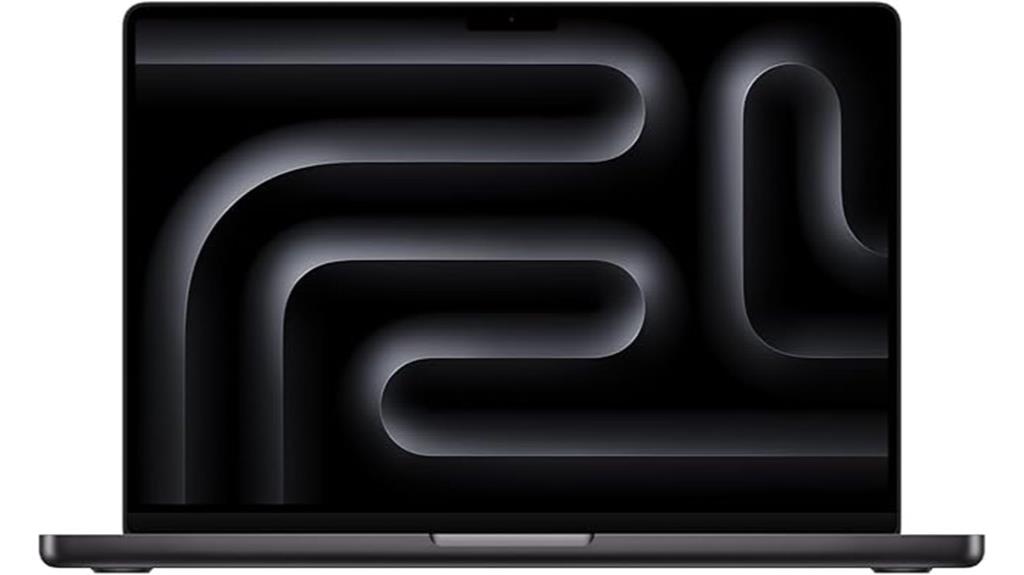
If you’re looking for a top-tier machine that can handle intensive software development tasks, the 2024 MacBook Pro with M4 Max is an excellent choice. Its 14.2-inch Liquid Retina XDR display delivers stunning visuals with 1 billion colors, HDR brightness up to 1600 nits, and ProMotion technology for smooth scrolling. Powered by the M4 Max chip, it offers a 14-core CPU, 32-core GPU, and up to 128GB of unified memory, ensuring fast, efficient performance for coding, compiling, and testing. With a long-lasting battery, versatile ports, and a compact, sleek design, this laptop is built for professional developers who demand power and portability.
Best For: professional developers, multimedia creators, and power users seeking a high-performance, portable laptop with stunning display quality and advanced hardware.
Pros:
- Exceptional performance with the M4 Max chip, including a 14-core CPU and 32-core GPU for demanding workflows
- Stunning 14.2-inch Liquid Retina XDR display with up to 1600 nits HDR brightness and ProMotion technology for smooth visuals
- Long battery life supporting up to 18 hours of usage, ideal for on-the-go productivity
Cons:
- Premium price point may be prohibitive for some users
- Limited upgradeability, with fixed RAM and storage options
- The sleek, lightweight design might compromise port variety for some professional setups
Apple 2024 MacBook Pro Laptop with M4 Max
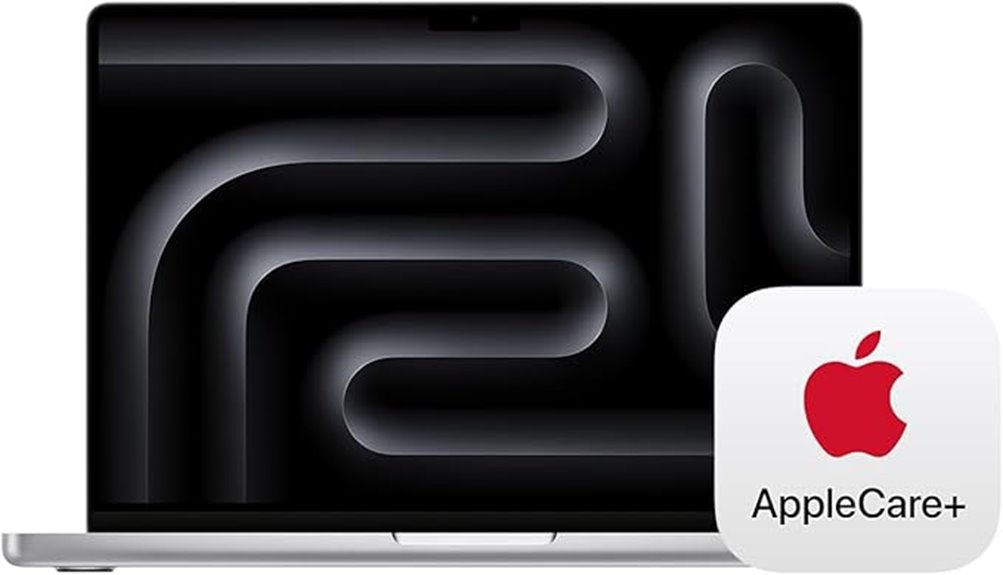
The Apple 2024 MacBook Pro with M4 Max is an ideal choice for software developers who need blazing-fast performance and reliable multitasking. Its 14-core CPU and 32-core GPU, combined with 36GB of unified memory, handle demanding tasks like 3D rendering and code compilation effortlessly. The 14.2-inch Liquid Retina XDR display offers vivid visuals, while the 1TB SSD ensures quick data access. Built for high performance and seamless app operation in macOS, it also features advanced ecosystem integration, superb audio, and an expansive camera system. With AppleCare+ and priority support, this MacBook Pro is a powerhouse designed for professional workflows.
Best For: software developers and creative professionals seeking high-performance multitasking and demanding workflow capabilities in a portable, premium laptop.
Pros:
- Exceptional processing power with 14-core CPU and 32-core GPU for demanding tasks
- Stunning 14.2-inch Liquid Retina XDR display with high brightness and contrast
- Extensive ecosystem integration and advanced audio/video features for a seamless experience
Cons:
- Premium pricing may be prohibitive for some users
- Heavier and bulkier compared to more portable laptops
- Limited upgradeability due to integrated components and fixed storage
Apple MacBook Pro 14.2-inch Laptop with M5 Chip
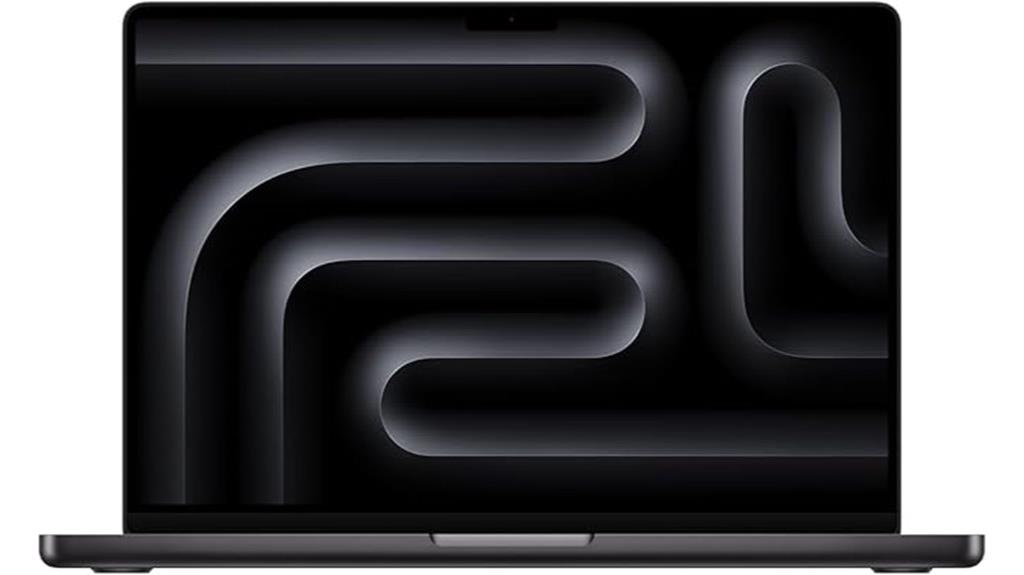
Looking for a powerful laptop that can handle demanding software development tasks with ease? The Apple MacBook Pro 14.2-inch with M5 chip delivers next-generation speed thanks to its 10-core CPU, GPU, and Neural Accelerators. With 16GB of unified memory and a 512GB SSD, it processes heavy workloads swiftly. The Liquid Retina XDR display provides stunning visuals with high brightness and contrast, while the six speakers with Spatial Audio create an immersive experience. Its extensive connectivity options, including Thunderbolt ports, HDMI, and SDXC slot, support multiple external displays. Seamlessly integrated into the Apple ecosystem, it boosts productivity while maintaining top-tier privacy and security.
Best For: creative professionals and developers seeking a high-performance, portable laptop with advanced display and seamless Apple ecosystem integration.
Pros:
- Powerful 10-core CPU and GPU with Neural Accelerators for fast, efficient processing.
- Stunning 14.2-inch Liquid Retina XDR display with high brightness and contrast.
- Extensive connectivity options including Thunderbolt 4, HDMI, and SDXC slot for multiple external displays.
Cons:
- Premium price point may be a barrier for some users.
- Limited to macOS, which may not suit users needing Windows or Linux environments.
- 512GB SSD storage might be insufficient for users with large data storage needs without external drives.
Factors to Consider When Choosing a Macbook Pro for Software Development

When selecting a MacBook Pro for software development, I consider several key factors to guarantee it meets my needs. Prioritizing processing power, display quality, memory, storage, battery life, and connectivity helps me find the right balance for productivity. Let’s explore these points to help you make an informed decision.
Processing Power Needs
Choosing a MacBook Pro for software development means prioritizing processing power to handle demanding tasks efficiently. High-performance CPUs, like those with 14 cores or more, can drastically cut build times and support multitasking with large codebases and virtual machines. For tasks such as 3D rendering, game development, or machine learning, a GPU with a high core count makes a significant difference. Adequate RAM—at least 16GB, ideally 32GB or more—ensures smooth multitasking and seamless handling of complex environments. Fast storage options, like high-speed SSDs with 1TB or more capacity, minimize load times and boost workflow responsiveness. Balancing these elements guarantees your MacBook Pro can meet the intensive processing demands of modern software development efficiently.
Display Quality Standards
A high-quality display is essential for maximizing your MacBook Pro’s effectiveness in software development. A high-resolution screen with accurate color reproduction, like Liquid Retina XDR, helps me see code, UI designs, and debugging details clearly. Support for HDR and a peak brightness of at least 1000 nits ensures visibility in various lighting conditions, reducing eye strain. The 120Hz refresh rate with ProMotion technology provides smooth scrolling, making long coding sessions more comfortable. A wide color gamut, such as P3, guarantees vibrant colors for testing visual elements accurately. Additionally, a high contrast ratio and deep blacks improve readability and lessen fatigue during extended work periods. Prioritizing these display features helps me stay focused and productive without compromising visual clarity.
Memory and Storage
Have you considered how much memory and storage you’ll need to keep your development workflow smooth? Adequate RAM is vital for running multiple tools, virtual machines, and large codebases without lag. I recommend at least 16GB for most tasks, but if you’re working with resource-heavy applications like 3D rendering or complex testing, 32GB or more can boost performance considerably. Storage capacity also matters; 512GB or higher ensures you have enough space for extensive repositories, SDKs, and large project files. Fast SSD storage not only provides quick access to files but also reduces delays during builds and updates, keeping your productivity high. Upgrading memory and storage now helps future-proof your MacBook Pro, guaranteeing it keeps pace with your evolving software development needs.
Battery Life Expectations
Long battery life is essential for maintaining productivity during extended coding sessions or remote work, with at least 10-12 hours being ideal for most software development tasks. The MacBook Pro’s battery performance can vary based on workload, as demanding activities like compiling code or running virtual machines drain power faster. Hardware components like the M4 Max chip enhance efficiency through optimized power management, extending usage time. Fast-charging features allow me to quickly recharge during short breaks, minimizing downtime. However, real-world battery life depends on factors such as screen brightness, connected peripherals, and background applications. When choosing a MacBook Pro, I consider these variables to guarantee it meets my endurance needs for uninterrupted development sessions, especially when working remotely or on the go.
Port and Connectivity Options
When selecting a MacBook Pro for software development, it’s essential to evaluate its port and connectivity options to guarantee seamless integration with your tools and peripherals. I look for models with multiple Thunderbolt ports, such as Thunderbolt 4 or 5, to connect several peripherals and external displays simultaneously. It’s also important to have diverse ports like HDMI, an SDXC card slot, and a headphone jack to support various hardware needs without extra adapters. Reliable power delivery is critical, so I prefer models with MagSafe or USB-C ports for fast charging during long sessions. Compatibility with high-resolution external monitors, supporting DisplayPort 1.4 or 2.1 and HDMI 2.0/2.1, is indispensable for my workflow. Finally, a sufficient number of ports ensures I can connect all my development tools, storage, and testing devices effortlessly.
Software Compatibility
Choosing a MacBook Pro for software development means verifying that your development tools and applications will run smoothly. First, verify your Mac runs on the latest macOS version compatible with your tools, as updates often improve compatibility. Check that the hardware specs—CPU, RAM, and GPU—meet your development environment’s requirements for maximum performance. Confirm that your preferred programming languages and IDEs support Apple Silicon architecture, preventing potential issues. It’s also vital to confirm that third-party libraries and frameworks you rely on are optimized or compatible with macOS and the chip architecture. Lastly, consider whether the MacBook Pro’s ports and connectivity options support your peripherals and external devices, ensuring seamless integration into your workflow.
Portability and Weight
Portability plays a crucial role in selecting the right MacBook Pro for software development, especially if you frequently work away from your desk. A lighter model, weighing around 3.56 pounds, makes it easier to carry during commutes or travel. Its slim profile, approximately 0.61 inches thick, fits comfortably in backpacks or briefcases, simplifying daily transport. The compact dimensions allow for comfortable use in tight spaces like airplanes or cafes, where space is limited. This level of portability enables developers to work seamlessly from various locations without feeling burdened by heavy equipment. For those who value flexibility and mobility, a lightweight MacBook Pro supports frequent travel and remote work, making it an essential choice for staying productive on the go.
Ecosystem Integration
Ecosystem integration is a key factor to contemplate because it enables smooth collaboration and efficient workflows across Apple devices. This seamless synchronization of files, notifications, and settings boosts productivity, especially for software development. Features like iPhone Mirroring and message sharing allow quick testing and communication directly from the MacBook Pro, saving time. Deep integration with macOS and Apple Silicon ensures optimized performance and compatibility with development tools and applications. Universal Clipboard and Handoff make transferring code snippets, documentation, and resources effortless between Mac and iOS devices. Additionally, access to Apple ecosystem services like iCloud and Continuity supports efficient project management and collaboration. Prioritizing ecosystem integration means choosing a MacBook Pro that works harmoniously within the Apple environment, streamlining your development process.
Frequently Asked Questions
How Does the M4 Max Compare to Previous Macbook Pro Chips for Development?
The M4 Max outperforms previous MacBook Pro chips in development tasks, thanks to its enhanced CPU and GPU capabilities. I’ve noticed faster compile times and smoother multitasking, especially with demanding apps. The improvements in efficiency and power make a real difference, allowing me to work longer without overheating or lag. If you want top-tier performance for development, the M4 Max is a significant upgrade over earlier chips.
What Are the Battery Life Expectations During Intensive Coding Sessions?
During intensive coding sessions, I expect MacBook Pro battery life to be around 3 to 4 hours, which is respectable given the power it demands. The contrast between its performance and battery life means I plan my work carefully, saving power-hungry tasks for when I’m plugged in. Still, I appreciate how quickly it charges, making it manageable to keep going even during long, demanding development sessions.
Are There Specific Ports or Accessories Recommended for Software Developers?
For software development, I recommend having a variety of ports like Thunderbolt 4, USB-C, and an SD card slot if possible. These give you flexibility to connect external monitors, drives, and peripherals. I also suggest investing in a good dock or hub to expand connectivity, especially if you work with multiple screens or accessories. Having reliable accessories like external keyboards, mice, and a portable external SSD can boost your productivity.
How Does the Display Quality Impact Long Coding Hours and Eye Comfort?
Clear, vibrant displays make long coding sessions easier on my eyes and boost my focus. The high resolution reduces eye strain, while good color accuracy helps me spot errors faster. Brightness and contrast also matter, preventing fatigue over hours of work. When the screen quality is exceptional, I find myself more comfortable, more productive, and less exhausted at the end of the day. It’s a game-changer for sustained software development.
Is Upgrading RAM or Storage Necessary for Professional Software Development?
Upgrading RAM or storage can be vital for professional software development, especially if I work on large projects or run multiple virtual machines. More RAM helps my system stay responsive, while additional storage ensures I can keep all my tools, code, and resources without constantly managing space. If I want smooth performance and flexibility, I definitely consider upgrading these components upfront, rather than dealing with limitations later.
Conclusion
If you’re serious about software development, investing in a powerful MacBook Pro is essential. The M4 Max and M5 chips offer impressive performance, with the M4 Max delivering up to 35% faster processing than previous models. Remember, 92% of developers prefer Macs for their reliability and ecosystem. Choosing the right model means better productivity and future-proofing your work—so pick the one that best fits your needs!