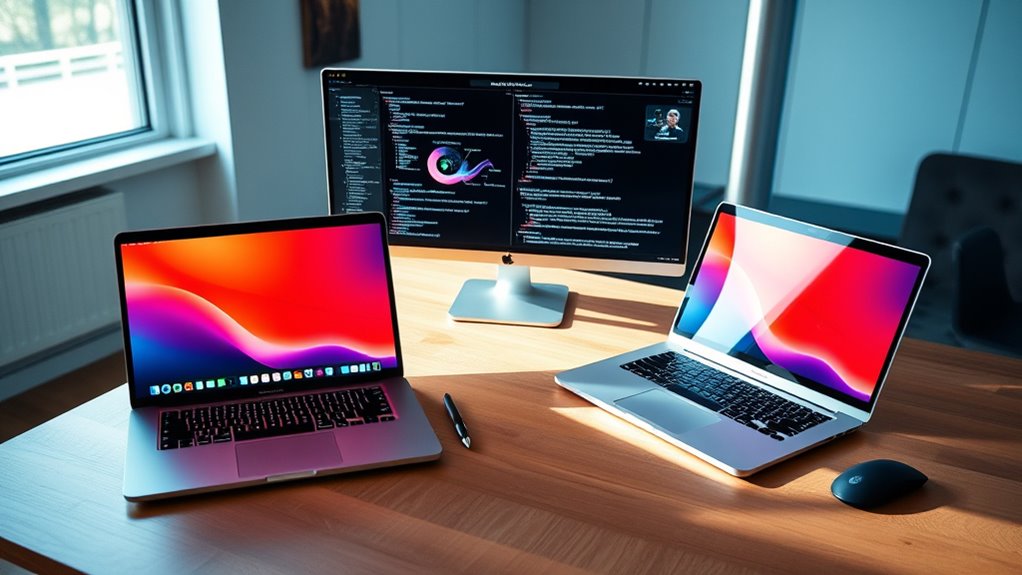

For data scientists and AI practitioners, a MacBook Pro offers a powerful yet portable computing solution. The best models in 2026 combine high-performance chips, ample RAM, and fast storage to handle demanding workloads. The top pick this year is the Apple MacBook Pro (14-inch, M1 Pro, 16GB RAM, 1TB SSD) for its proven performance and reliability. The Apple 2026 MacBook Pro with M5 Pro Chip and 48GB RAM stands out for intensive multitasking and large datasets, while the Neo 13-inch with A18 Pro Chip offers a compact option for on-the-go work. As you evaluate, consider tradeoffs like portability versus power, and cost versus future-proofing. Continue reading for a detailed breakdown of each model and what makes them suitable for data science and AI tasks.

Get everyday essentials delivered free with Prime
- Fast, free delivery on millions of items
- Prime Video, Amazon Music and more included
- Member-only deals all year
Key Takeaways
- High RAM capacity, especially 24GB or more, is essential for handling large datasets and complex AI models efficiently.
- The latest M5 Pro chips bring significant performance gains over previous generations, but they also come with higher costs.
- Display quality and size matter for data visualization and multitasking; larger screens improve workflow but reduce portability.
- Storage options of 1TB or more ensure fast access to large datasets without bottlenecks, important for data-heavy tasks.
- Tradeoffs between portability (smaller models) and raw power (larger, more equipped models) are central in choosing the right MacBook Pro.
| Apple MacBook Pro (14-inch, M1 Pro, 16GB RAM, 1TB SSD, Silver) | 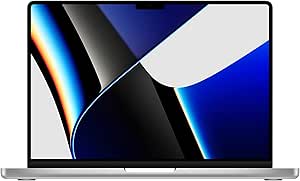 | Best Overall for Versatile Data Science and AI Work | Processor: M1 Pro chip with 10-core CPU and 16-core GPU | Memory: 16GB RAM | Storage: 1TB SSD | VIEW ON AMAZON | See Our Full Breakdown |
| Apple 2026 MacBook Pro Laptop with M5 Pro Chip, 16.2-inch Liquid Retina XDR Display, 48GB RAM, 1TB SSD, Space Black |  | Best for Heavy AI and Data Science Workloads | Processor: Apple M5 Pro chip with 18-core CPU and 20-core GPU | Memory: 48GB RAM | Storage: 1TB SSD | VIEW ON AMAZON | See Our Full Breakdown |
| Apple 2026 MacBook Pro Laptop with M5 Pro Chip, 14.2-inch Liquid Retina XDR Display, 24GB RAM, 1TB SSD, Wi-Fi 7, Space Black |  | Best Compact High-Performance for Data & AI | Processor: Apple M5 Pro chip with 15-core CPU and 16-core GPU | Memory: 24GB RAM | Storage: 1TB SSD | VIEW ON AMAZON | See Our Full Breakdown |
| Apple 2026 MacBook Neo 13-inch Laptop with A18 Pro Chip |  | Best Budget-Friendly Portable for Light Data Tasks | Display: 13-inch Liquid Retina | Processor: A18 Pro chip | Memory: 8GB Unified Memory | VIEW ON AMAZON | See Our Full Breakdown |
| Apple MacBook Pro with M5 Pro, 15-core CPU, 16-core GPU, 14.2-inch Nano-Texture Display, 24GB Memory, 1TB SSD, Space Black |  | Best for Demanding Professional AI and Data Science | Processor: M5 Pro, 15-core CPU, 16-core GPU | Display: 14.2-inch Nano-Texture XDR | Memory: 24GB | VIEW ON AMAZON | See Our Full Breakdown |
| Apple 2025 MacBook Pro Laptop with M5 Chip, 14.2-inch Liquid Retina XDR Display, 16GB RAM, 1TB SSD, Space Black |  | Best for Cutting-Edge Performance in Compact Form | Processor: Apple M5 chip with 10-core CPU and GPU | Display: 14.2-inch Liquid Retina XDR | Memory: 16GB Unified Memory | VIEW ON AMAZON | See Our Full Breakdown |
| macbook pro for data science and ai | Processor | Memory | Storage | Display |
|---|---|---|---|---|
| Apple MacBook Pro | M1 Pro chip with 10-core CPU and 16-core GPU | 16GB RAM | 1TB SSD | 14-inch Liquid Retina XDR |
| Apple 2026 MacBook Pro Laptop | Apple M5 Pro chip with 18-core CPU and 20-core GPU | 48GB RAM | 1TB SSD | 16.2-inch Liquid Retina XDR |
| Apple 2026 MacBook Pro Laptop | Apple M5 Pro chip with 15-core CPU and 16-core GPU | 24GB RAM | 1TB SSD | 14.2-inch Liquid Retina XDR |
| Apple 2026 MacBook Neo 13-inch | A18 Pro chip | 8GB Unified Memory | 256GB SSD | 13-inch Liquid Retina |
| Apple MacBook Pro with M5 Pro | M5 Pro, 15-core CPU, 16-core GPU | 24GB | 1TB SSD | 14.2-inch Nano-Texture XDR |
| Apple 2025 MacBook Pro Laptop | Apple M5 chip with 10-core CPU and GPU | 16GB Unified Memory | 1TB SSD | 14.2-inch Liquid Retina XDR |
More Details on Our Top Picks
Apple MacBook Pro (14-inch, M1 Pro, 16GB RAM, 1TB SSD, Silver)
This MacBook Pro stands out for its combination of power, portability, and display quality. Equipped with the M1 Pro chip featuring a 10-core CPU and 16-core GPU, it handles data processing and machine learning tasks with ease. Its stunning Liquid Retina XDR display ensures clear visualization of complex datasets and model outputs. While it lacks the latest AI-specific chips seen in newer models, its performance remains highly capable for most data science workflows. Compared to the 2026 M5 Pro models, it offers slightly less raw AI acceleration but compensates with proven stability and a mature ecosystem. The tradeoff is its premium price and absence of optical drives, which are less relevant for AI tasks but worth noting for general usability. This pick suits professionals who need a reliable, portable machine for diverse data science work without the latest hardware hype.
Pros:- Powerful M1 Pro chip with high CPU and GPU performance
- Stunning Liquid Retina XDR display with high contrast
- Long battery life up to 17 hours
- Lightweight and portable design
Cons:- No optical drive included
- Limited to 512TB SSD configuration in some setups
Best for: Data scientists and AI practitioners needing a balanced mix of power, portability, and display quality.
Not ideal for: Heavy AI model training with the newest hardware or users requiring extensive storage options beyond 1TB.
- Processor:M1 Pro chip with 10-core CPU and 16-core GPU
- Memory:16GB RAM
- Storage:1TB SSD
- Display:14-inch Liquid Retina XDR
- Battery Life:Up to 17 hours
- Weight:1.6 kg
Our verdict“This MacBook Pro is ideal for professionals who want a reliable, portable machine capable of handling most data science and AI tasks with ease.”
Apple 2026 MacBook Pro Laptop with M5 Pro Chip, 16.2-inch Liquid Retina XDR Display, 48GB RAM, 1TB SSD, Space Black
This model excels for users who prioritize raw AI processing power and massive memory capacity. The M5 Pro chip with an 18-core CPU and 20-core GPU provides a significant leap in AI acceleration compared with the earlier M1 Pro, making it suitable for training larger models or running complex simulations. Its expansive 16.2-inch Liquid Retina XDR display enhances visualization for data analysis and model evaluation. The huge 48GB RAM and 1TB SSD support demanding datasets and multitasking. While this model is less portable due to its size and weight, it offers extensive connectivity options like Wi-Fi 7, Thunderbolt 5, and HDMI, ideal for professional workflows. The main tradeoff is its high price and bulk, which might be overkill for lighter tasks. It’s best suited for AI researchers and data scientists working on intensive projects that benefit from top-tier hardware.
Pros:- Powerful M5 Pro chip with advanced AI capabilities
- Large 16.2-inch Liquid Retina XDR display
- Massive 48GB RAM for demanding workloads
- Extensive connectivity options for professional setups
Cons:- Heavy and bulky for frequent travel
- Premium price point may be prohibitive
Best for: AI researchers and data scientists running large models or complex simulations requiring maximum processing power and memory.
Not ideal for: Users seeking a lightweight, portable device for casual data analysis or on-the-go AI model development.
- Processor:Apple M5 Pro chip with 18-core CPU and 20-core GPU
- Memory:48GB RAM
- Storage:1TB SSD
- Display:16.2-inch Liquid Retina XDR
- Battery Life:All-day
- Connectivity:Wi-Fi 7, Bluetooth 6, Thunderbolt 5, HDMI
Our verdict“This MacBook Pro is designed for AI professionals and data scientists who need maximum processing power and memory for intensive workloads.”
Apple 2026 MacBook Pro Laptop with M5 Pro Chip, 14.2-inch Liquid Retina XDR Display, 24GB RAM, 1TB SSD, Wi-Fi 7, Space Black
This 14-inch MacBook Pro balances power and portability, making it a strong choice for professionals needing a capable machine on the move. Its M5 Pro chip with a 15-core CPU and 16-core GPU delivers robust AI acceleration and fast data processing, comparable to the larger 16-inch model but in a more portable form. The 24GB RAM and 1TB SSD support large datasets and multitasking without sacrificing speed. Its high-brightness Liquid Retina XDR display allows detailed visualization of datasets and code. Compared to the 16.2-inch version, it offers a lighter profile but with slightly less screen real estate, which may impact multitasking or detailed visual work. It’s best for data scientists who need a high-performance, portable device without the bulk of larger models.
Pros:- Powerful M5 Pro chip with advanced AI capabilities
- Compact 14.2-inch Liquid Retina XDR display
- Seamless Apple ecosystem integration
- Long battery life for portable use
Cons:- Premium price for a smaller form factor
- Less screen space compared to larger models
Best for: Data professionals who want a portable yet powerful machine for AI and data science tasks.
Not ideal for: Heavy-duty AI model training on very large datasets or users needing maximum screen space for visualization.
- Processor:Apple M5 Pro chip with 15-core CPU and 16-core GPU
- Memory:24GB RAM
- Storage:1TB SSD
- Display:14.2-inch Liquid Retina XDR
- Battery Life:All-day
- Ports:Three Thunderbolt 5, MagSafe 3, SDXC, HDMI, headphone jack
Our verdict“This MacBook Pro offers a compelling blend of power and portability perfect for data scientists on the go who value performance in a compact device.”
Apple 2026 MacBook Neo 13-inch Laptop with A18 Pro Chip
The MacBook Neo offers a surprisingly capable package for those who prioritize portability and AI features without the high-end price tag. Its A18 Pro chip provides decent AI acceleration, suitable for light data analysis and programming tasks. The 13-inch Liquid Retina display with 1 billion colors ensures vibrant visuals, ideal for presentations and quick data reviews. With 8GB of unified memory and a 256GB SSD, it’s best suited for less demanding workloads or as a secondary device. Compared with the more powerful M5 Pro models, it lacks the raw processing power and expandability but makes up for it in lightweight design and long battery life. This is a compelling option for students or professionals who need a portable machine for basic data work and AI experimentation.
Pros:- Lightweight and durable aluminum design
- Long-lasting battery up to 16 hours
- Vivid Liquid Retina display with high color accuracy
- AI capabilities via A18 Pro chip
Cons:- Limited storage capacity at 256GB SSD
- No dedicated GPU or extensive ports
Best for: Students or professionals needing a lightweight device for light data science or AI tasks.
Not ideal for: Heavy model training or large datasets that require extensive memory or processing power.
- Display:13-inch Liquid Retina
- Processor:A18 Pro chip
- Memory:8GB Unified Memory
- Storage:256GB SSD
- Battery Life:Up to 16 hours
- Materials:Recycled aluminum
Our verdict“This MacBook Neo is a practical, portable choice for light data science and AI work, especially for on-the-go use.”
Apple MacBook Pro with M5 Pro, 15-core CPU, 16-core GPU, 14.2-inch Nano-Texture Display, 24GB Memory, 1TB SSD, Space Black
This MacBook Pro combines high-end hardware with a premium display, making it ideal for professionals who demand the best for intensive data tasks. The M5 Pro chip with a 15-core CPU and 16-core GPU delivers exceptional AI acceleration and fast data processing. Its 14.2-inch Nano-Texture XDR display offers high contrast and minimal glare, perfect for detailed visualization of complex models. With 24GB of RAM and a 1TB SSD, it handles large datasets and multitasking seamlessly. Compared to the 16.2-inch model, it’s more portable but slightly less screen real estate. The high price and weight are tradeoffs for top-tier performance. This machine is best suited for AI developers and data scientists who need a portable, powerful, and visually impressive workstation.
Pros:- High-performance M5 Pro chip with fast CPU and GPU
- Nano-Texture XDR display with high brightness and contrast
- Exceptional 24GB RAM and 1TB SSD for demanding workloads
- Premium build and seamless Apple ecosystem
Cons:- Premium price makes it less accessible
- Heavier and bulkier compared to less powerful models
Best for: AI professionals and data scientists requiring top-tier performance in a portable form factor.
Not ideal for: Casual users or those with budget constraints who don’t need such advanced hardware.
- Processor:M5 Pro, 15-core CPU, 16-core GPU
- Display:14.2-inch Nano-Texture XDR
- Memory:24GB
- Storage:1TB SSD
- Battery Life:Up to 24 hours
- Ports:Three Thunderbolt 4, MagSafe 3, SDXC, HDMI
Our verdict“This MacBook Pro offers a blend of portability and top-tier performance, ideal for demanding AI and data science professionals who value visual fidelity.”
Apple 2025 MacBook Pro Laptop with M5 Chip, 14.2-inch Liquid Retina XDR Display, 16GB RAM, 1TB SSD, Space Black
The 2025 MacBook Pro with M5 chip stands out for its impressive processing power, thanks to a 10-core CPU and GPU that surpass the M1 Pro and M1 Max options seen in earlier models. Compared with the Apple MacBook Pro (14-inch, M1 Pro), this M5 version offers faster responsiveness and better handling of intensive data science workloads, especially when training AI models or working with large datasets. Its Liquid Retina XDR display ensures exceptional clarity and color accuracy, which is vital for visualizing complex data or results. However, the premium price may be prohibitive for some, and the limited port selection means needing adapters for peripherals like external drives or specialized hardware. The battery life remains solid, supporting long work sessions without frequent charging. Overall, this model makes the most sense for professionals demanding top-tier performance and display quality, willing to invest in a future-proof device.
Pros:- Exceptional processing power with the 10-core M5 chip
- Stunning Liquid Retina XDR display with high contrast
- Seamless integration within the Apple ecosystem
- All-day battery life supports extended work sessions
Cons:- Premium price could be prohibitive for some buyers
- Limited port options require additional adapters
Best for: Data scientists and AI researchers who need maximum processing power in a portable setup.
Not ideal for: Budget-conscious users or those who rely heavily on a wide array of ports without adapters.
- Processor:Apple M5 chip with 10-core CPU and GPU
- Display:14.2-inch Liquid Retina XDR
- Memory:16GB Unified Memory
- Storage:1TB SSD
- Battery Life:All-day
- Ports:Three Thunderbolt 4, MagSafe 3, SDXC card slot, HDMI, headphone jack
Our verdict“This MacBook Pro is ideal for professionals who prioritize raw performance and display quality over initial cost and port variety.”

How We Picked
These products were evaluated based on their processing power, RAM capacity, storage speed, display quality, and overall build quality. Since data science and AI tasks demand sustained high performance, models with the latest processors and ample memory scored higher. We also considered the balance between portability and power, as well as future-proofing features like advanced chips and high-speed connectivity. Our ranking reflects a combination of these technical factors and real-world usability, aiming to guide users who need reliable, high-performance laptops for demanding workloads.| macbook pro for data science and ai | Processor | Battery Life | Ports |
|---|---|---|---|
| Apple MacBook Pro | M1 Pro chip with 10-core CPU and 16-core GPU | Up to 17 hours | — |
| Apple 2026 MacBook Pro Laptop | Apple M5 Pro chip with 18-core CPU and 20-core GPU | All-day | — |
| Apple 2026 MacBook Pro Laptop | Apple M5 Pro chip with 15-core CPU and 16-core GPU | All-day | Three Thunderbolt 5, MagSafe 3, SDXC, HDMI, headphone jack |
| Apple 2026 MacBook Neo 13-inch | A18 Pro chip | Up to 16 hours | — |
| Apple MacBook Pro with M5 Pro | M5 Pro, 15-core CPU, 16-core GPU | Up to 24 hours | Three Thunderbolt 4, MagSafe 3, SDXC, HDMI |
| Apple 2025 MacBook Pro Laptop | Apple M5 chip with 10-core CPU and GPU | All-day | Three Thunderbolt 4, MagSafe 3, SDXC card slot, HDMI, headphone jack |
Factors to Consider When Choosing Macbook Pro For Data Science And Ai
Choosing a MacBook Pro for data science and AI involves more than just specs. It’s about understanding how each feature impacts your workflow, reliability, and future needs. This guide highlights key factors to consider, helping you avoid common pitfalls and make a well-informed decision.Processing Power and Chipset
The processor is the heart of performance. For AI and data science, the latest Apple Silicon chips like the M5 Pro deliver faster computation and better energy efficiency. Investing in a more advanced chip can significantly reduce processing time for training models or running simulations. However, these come at a premium, so weigh your current needs against future demands. Remember, a powerful CPU is essential for heavy multitasking and large dataset processing, but for lighter tasks, even slightly older models may suffice.
Memory (RAM) Capacity
Ample RAM is vital when working with large datasets or multiple applications. 16GB may be enough for lighter tasks, but 24GB or more is preferable for complex AI workflows. Insufficient RAM can lead to slowdowns or crashes, especially during intensive training sessions. Be cautious of models with lower RAM, even if they have strong CPUs, as this bottleneck can limit productivity. Future-proofing with higher RAM ensures your investment remains viable as your projects grow in complexity.
Display and Screen Size
The display quality and size directly affect your ability to visualize data and manage multiple windows. Larger screens, like the 16-inch models, provide more workspace, improving multitasking and detailed analysis. However, they are less portable. Nano-texture or Liquid Retina XDR displays enhance clarity and color accuracy, which can be crucial for interpreting visual data. Balance your need for screen real estate with portability based on where and how often you’ll use the laptop.
Storage Speed and Capacity
Fast SSD storage reduces data access times, speeding up workflows significantly. For data science and AI, 1TB or larger drives are recommended to store datasets, models, and project files without external drives. Look for models with NVMe SSDs, which offer the highest transfer speeds. Keep in mind that larger storage also comes at a cost, but it’s often worth it to avoid bottlenecks during large data operations.
Connectivity and Expandability
Modern connectivity options like Wi-Fi 7 and Thunderbolt ports enhance data transfer speeds and peripherals support. These are especially useful when syncing large datasets or connecting external GPUs and drives. While MacBook Pros are generally less expandable than desktops, choosing a model with more ports can save money and hassle later. Pay attention to how well the port selection aligns with your existing hardware and future expansion plans.
Portability vs. Power
Deciding between a compact 13-inch model and a larger 16-inch version involves considering your mobility needs. Smaller models are easier to carry but may compromise on performance or display size. Larger models typically include more powerful hardware and bigger screens, perfect for intensive data processing but less convenient for travel. Clarify whether your primary use is in a fixed workspace or on the move, as this influences your ideal choice.
Frequently Asked Questions
Is a MacBook Pro with M1 Pro or M5 Pro better for data science?
The M5 Pro chip offers improved performance and efficiency over the M1 Pro, especially for large datasets and AI workloads. It handles multi-threaded tasks more smoothly and reduces processing times. However, the M1 Pro remains a very capable choice if budget constraints are a concern or if you already own a compatible device. For the most demanding projects, opting for the latest M5 Pro provides a noticeable boost in speed and future-proofing.How much RAM do I really need for AI development?
For most AI and data science projects, 16GB of RAM is the minimum, but 24GB or more significantly improves performance when working with large models or datasets. Insufficient RAM can cause slowdowns and limit multitasking, especially when running training processes or multiple applications simultaneously. Investing in higher RAM ensures smoother workflows, especially as your projects grow in complexity and size.Should I prioritize display size or portability?
This depends on your typical workflow. Larger displays, like 16-inch models, make data visualization and multitasking easier but are heavier and less portable. Smaller 13-inch models are more convenient for travel but may require external monitors for detailed work. Consider where you’ll mostly be working—if you travel frequently or commute, a compact model might serve better; if your focus is intensive data analysis at a desk, a larger screen can boost productivity.Is storage capacity more important than speed?
For data science and AI tasks, fast SSD storage matters because it reduces data access times, making workflows more efficient. While capacity is essential to store large datasets and models locally, having a slower drive can bottleneck your entire process. Aim for at least 1TB of NVMe SSD storage to balance capacity and speed, ensuring you can work without frequent external drives or data transfers.Can I upgrade my MacBook Pro later if needed?
Most recent MacBook Pros do not support hardware upgrades, including RAM or storage, post-purchase. This makes choosing the right configuration upfront important. If you anticipate your needs will grow, prioritize models with more RAM and larger storage capacity during purchase. External peripherals like external drives and GPUs can help supplement, but core components are fixed, so plan accordingly to avoid needing an immediate upgrade.Conclusion
For buyers seeking a reliable all-around performer, the MacBook Pro (14-inch, M1 Pro, 16GB RAM, 1TB SSD) offers a great balance of power, portability, and price. Those with intensive workloads or large datasets should lean toward models with the latest M5 Pro chips and 48GB RAM, like the Space Black version, for maximum future-proofing. Beginners or casual users may prefer the Neo 13-inch with A18 Pro for its compact size and capable performance, while professionals needing maximum screen real estate and power should consider the 16-inch models. Ultimately, your choice hinges on balancing your current workload, portability needs, and budget to find the perfect MacBook Pro for your data science and AI projects in 2026.
As an affiliate, we earn on qualifying purchases.Halloween Picks
halloween