
If you’re looking for the top MacBook Pro models for data science and AI in 2025, I recommend options with the latest M5 or M4 Max chips, high RAM (24GB or more), and vivid Liquid Retina XDR displays. Models like the 14.2-inch with the M5 chip or the 16.2-inch with M4 Max offer powerful processing, extensive expandability, and excellent visuals for demanding tasks. Keep exploring to find the perfect fit for your AI and data needs.
Key Takeaways
- The 2025 MacBook Pro with M5 chip offers top-tier AI processing with a 10-core CPU/GPU and 24GB unified memory.
- The 2024 models, especially the 16.2-inch with M4 Max, provide high performance for data science, machine learning, and rendering tasks.
- High-resolution Liquid Retina XDR displays across models ensure detailed data visualization and accurate color representation.
- Advanced connectivity options like Thunderbolt 5, HDMI, and multiple ports support external AI hardware and large datasets.
- Battery life exceeding 13 hours and seamless Apple ecosystem integration make these models ideal for demanding AI workflows.
Apple 2025 MacBook Pro Laptop with M5 Chip

The Apple 2025 MacBook Pro with M5 chip is an ideal choice for data scientists and AI professionals who need top-tier performance on the go. Its 10-core CPU and GPU, combined with 24GB of unified memory, deliver lightning-fast processing and efficient on-device AI. With a spacious 1TB SSD, you’ll have plenty of room for datasets and projects. The 14.2-inch Liquid Retina XDR display offers stunning visuals, deep blacks, and high brightness for detailed work. Plus, the all-day battery life and seamless Apple ecosystem integration guarantee you stay productive, whether on the move or at your desk.
Best For: data scientists, AI professionals, and creative experts who require high-performance computing on the go with advanced display and seamless Apple ecosystem integration.
Pros:
- Powerful 10-core CPU and GPU combined with 24GB of unified memory for fast processing and efficient AI tasks
- Stunning 14.2-inch Liquid Retina XDR display with high brightness and contrast for detailed visuals
- Extensive connectivity options including Thunderbolt 4, HDMI, SDXC slot, and support for two external displays
Cons:
- Premium price point may be a barrier for some users
- Heavier and larger than ultraportable laptops, potentially less convenient for ultra-mobility
- Limited upgradeability due to integrated hardware design
Apple 2024 MacBook Pro with M4 Max Chip, 16-inch, 36GB RAM, 1TB SSD, Silver (Renewed)
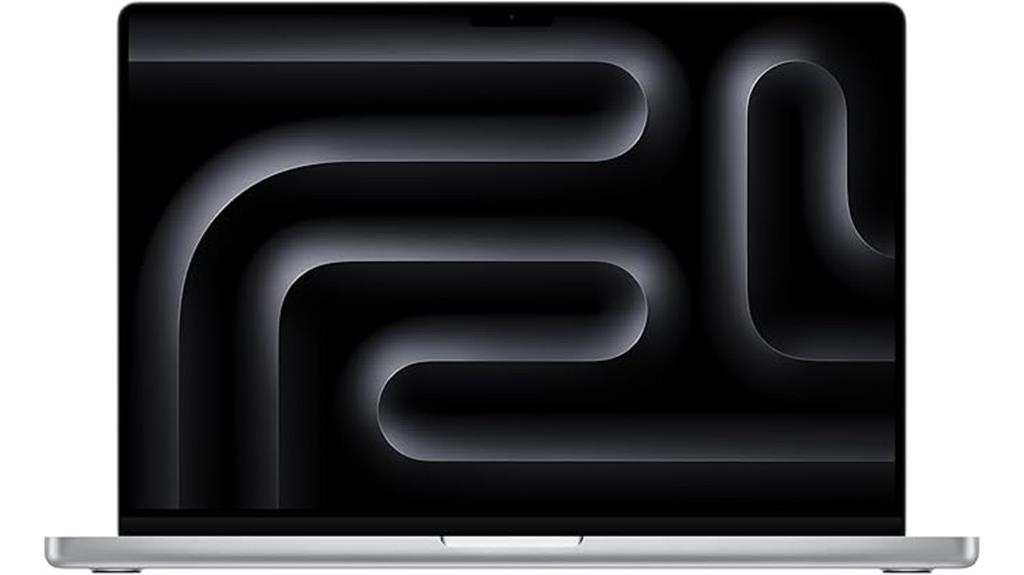
For data scientists and AI professionals demanding high performance, the Apple 2024 MacBook Pro with M4 Max chip stands out thanks to its powerful processing capabilities and expansive memory. Equipped with the M4 Max, it handles complex workflows like rendering detailed 3D content and compiling millions of lines of code with ease. The 36GB RAM and 1TB SSD ensure quick processing and plenty of storage. Its stunning 16.2-inch Liquid Retina XDR display offers vibrant, true-to-life visuals, while seamless integration with the Apple ecosystem enhances productivity. With advanced camera, audio, and connectivity options, this renewed model is a versatile choice for demanding professional tasks.
Best For: data scientists, AI professionals, and creative experts who require high-performance computing, extensive memory, and a stunning display for demanding workflows.
Pros:
- Powerful M4 Max chip with 36GB RAM for handling complex tasks effortlessly
- Bright 16.2-inch Liquid Retina XDR display with vibrant visuals
- Extensive connectivity options, including Thunderbolt 5, HDMI, SDXC slot, and more
Cons:
- Renewed models may have limited warranty or warranty coverage compared to new units
- Premium price point could be a consideration for budget-conscious buyers
- Larger size and weight may reduce portability for some users
Apple MacBook Pro 2024 with M4 Max (16.2-inch, 36GB, 1TB)
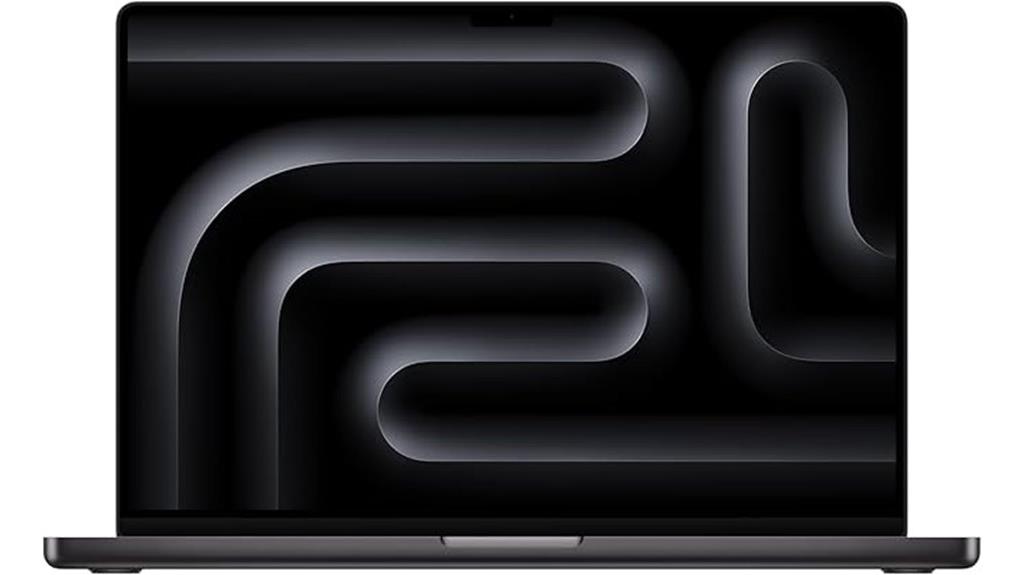
Looking for a powerhouse capable of handling intensive data science and AI workloads? The Apple MacBook Pro 2024 with M4 Max is exactly that. It features a 14-core CPU, a 32-core GPU, and 36GB of unified memory, making it perfect for demanding tasks like large-scale code compilation, machine learning, and 3D rendering. The 16.2-inch Liquid Retina XDR display delivers stunning visuals with high brightness and contrast, ideal for visualizations. With up to four external displays support, extensive connectivity options, and all-day battery life, this MacBook Pro combines performance, display quality, and portability for professionals pushing the limits.
Best For: professionals and power users who need a high-performance laptop capable of handling intensive data science, AI workloads, 3D rendering, and demanding creative tasks.
Pros:
- Exceptional performance with M4 Max chip, 14-core CPU, and 32-core GPU for demanding tasks
- Stunning 16.2-inch Liquid Retina XDR display with high brightness and contrast for vivid visuals
- Extensive connectivity options, including four external displays support and multiple ports for peripherals
Cons:
- Premium price point may be prohibitively expensive for some users
- Heavier and larger than ultraportable laptops, impacting portability
- Limited upgradeability due to integrated hardware components
Apple 2024 MacBook Pro Laptop with M4 Max, 14‑core CPU, 32‑core GPU
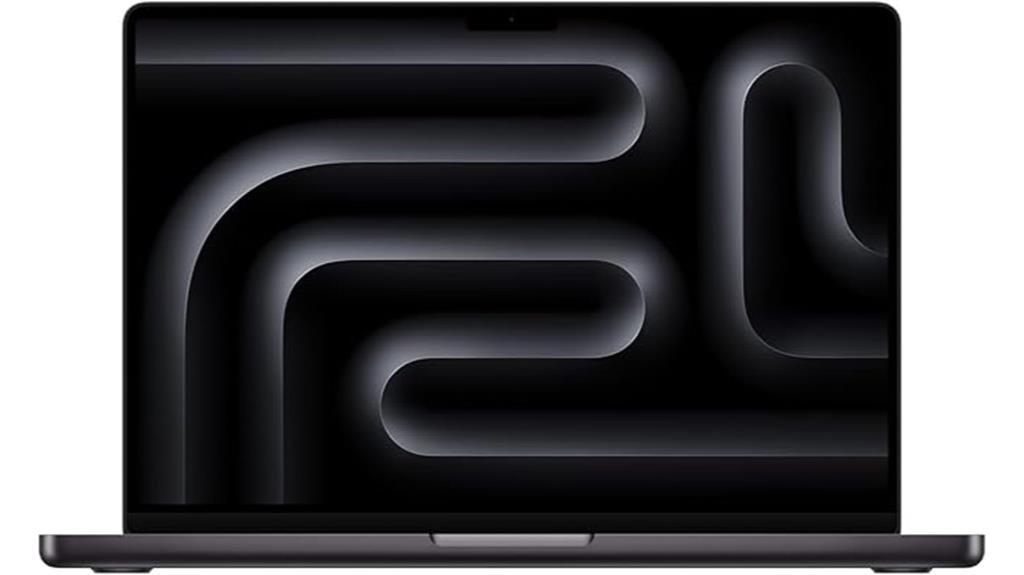
If you’re seeking a powerful machine to handle intensive data science and AI tasks, the 2024 MacBook Pro with M4 Max stands out. It features a stunning 14.2-inch Liquid Retina XDR display with 3024×1964 resolution, supporting HDR and ProMotion technology for smooth visuals. Powered by the M4 Max with a 14-core CPU and 32-core GPU, it handles demanding workflows like 3D rendering and media processing effortlessly. With up to 36GB of unified memory, fast SSD storage, and extensive connectivity options—including Thunderbolt 5, HDMI, and SDXC card slot—this laptop is built for professional-level performance and seamless multitasking.
Best For: professionals and power users who require high-performance computing for demanding tasks like data science, AI, 3D rendering, and media editing.
Pros:
- Exceptional processing power with M4 Max chip, 14-core CPU, and 32-core GPU for intensive workflows
- Stunning Liquid Retina XDR display with ProMotion technology for smooth visuals and vibrant colors
- Extensive connectivity options including Thunderbolt 5, HDMI, SDXC, and fast SSD storage for seamless multitasking
Cons:
- Premium price point may be a barrier for casual users
- Heavier and larger than ultraportable laptops, potentially less portable for on-the-go use
- Limited upgradeability due to integrated hardware components
Apple 2024 MacBook Pro Laptop with M4 Max (Silver, 36GB, 1TB)
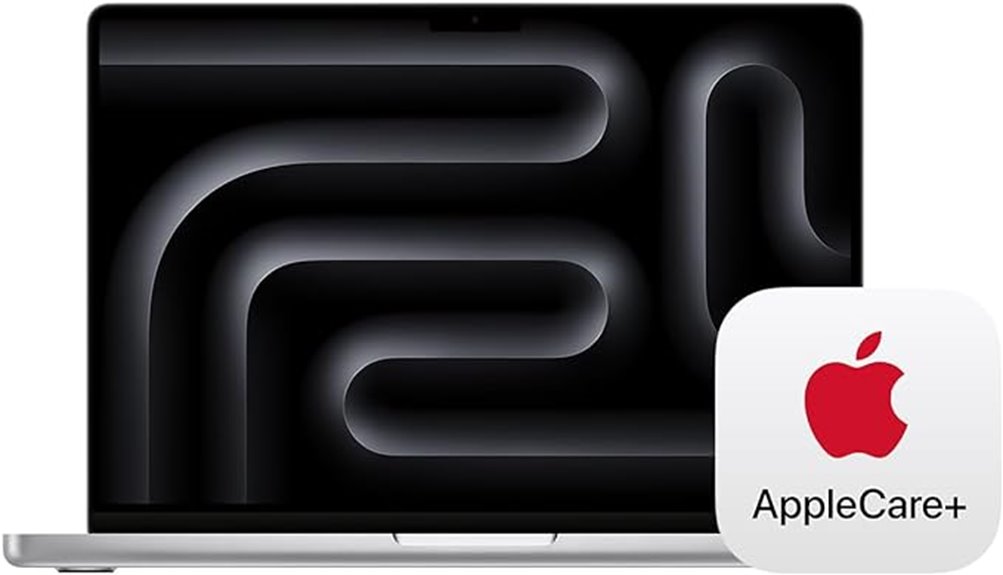
The Apple 2024 MacBook Pro with M4 Max stands out as an ideal choice for data scientists and AI professionals who need serious processing power. Its 14-core CPU, 32-core GPU, and 36GB of unified memory handle demanding tasks like complex data analysis, 3D rendering, and code compilation with ease. The 14.2-inch Liquid Retina XDR display offers stunning visuals, while the 1TB SSD provides ample storage. Designed for high performance and seamless multitasking, it integrates perfectly within the Apple ecosystem, offering all-day battery life and robust support. If you’re serious about data science or AI work, this MacBook Pro delivers unmatched power and reliability.
Best For: data scientists, AI professionals, and creative professionals requiring high-performance computing and seamless multitasking within the Apple ecosystem.
Pros:
- Exceptional processing power with M4 Max chip, 14-core CPU, and 32-core GPU for demanding tasks
- Stunning 14.2-inch Liquid Retina XDR display with high brightness and contrast for vibrant visuals
- Robust connectivity, long battery life, and comprehensive support options including AppleCare+
Cons:
- Premium price point may be prohibitive for some users
- Limited upgradeability due to integrated components and fixed storage options
- Heavier and larger than ultraportable laptops, which may affect portability
Apple 2024 MacBook Pro Laptop with M4 Pro, 14-core CPU, 20-core GPU
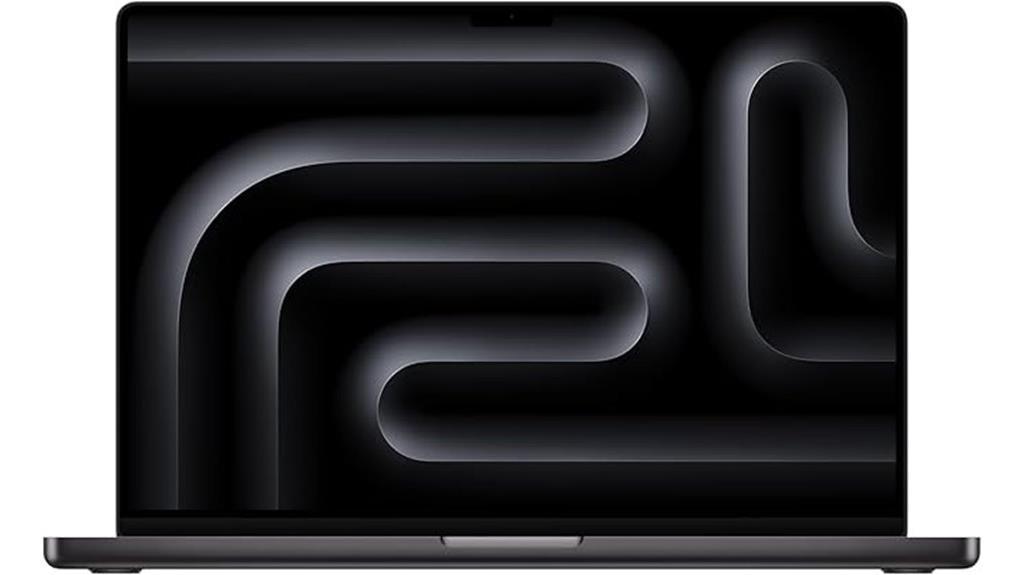
For data scientists and AI professionals who need top-tier performance, the Apple 2024 MacBook Pro with the M4 Pro chip stands out. Its 14-core CPU and 20-core GPU deliver exceptional power for demanding tasks like coding, data processing, and model training. The 16.2-inch Liquid Retina XDR display offers stunning visuals, perfect for detailed analysis and creative workflows. With 48GB of unified memory and 512GB SSD storage, multitasking and large dataset handling are seamless. Plus, features like all-day battery life, advanced connectivity, and seamless Apple ecosystem integration make this MacBook Pro a reliable choice for intensive data science and AI work.
Best For: data scientists and AI professionals seeking top-tier performance, stunning visuals, and seamless integration within the Apple ecosystem.
Pros:
- Exceptional processing power with 14-core CPU and 20-core GPU ideal for demanding workloads
- Stunning 16.2-inch Liquid Retina XDR display with high brightness and contrast for detailed analysis and creative work
- Ample 48GB unified memory and fast 512GB SSD storage support multitasking and large dataset handling
Cons:
- High price point may be prohibitive for some users
- Limited upgrade options due to integrated design and fixed storage/memory
- Heavy and large, which may reduce portability for some users
Apple MacBook Pro 16-Inch with M3 Max (Renewed Premium)
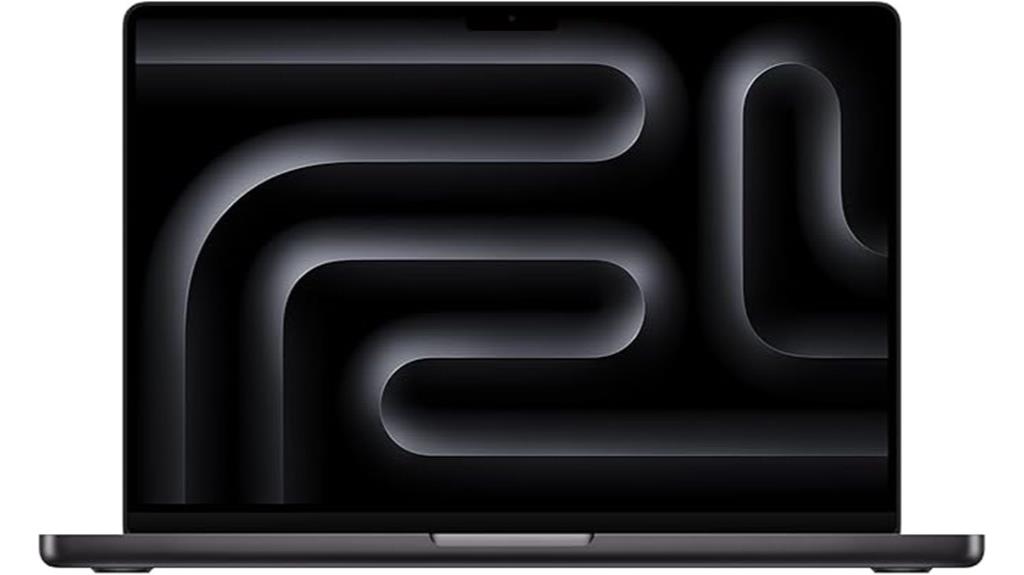
With its powerful M3 Max chip and 36GB of RAM, the Apple MacBook Pro 16-Inch (Renewed Premium) stands out as an ideal choice for data scientists and AI professionals seeking high performance at a more accessible price point. This renewed model offers a robust 1TB SSD, ensuring fast data access and storage. Professionally inspected and tested, it guarantees reliability despite not being Apple certified. The battery exceeds 80% capacity, providing ample runtime for intensive tasks. With a sleek Space Black finish and a full QWERTY keyboard, it combines style and functionality, making it a compelling option for demanding data science workloads.
Best For: data scientists, AI professionals, and power users seeking high-performance computing on a budget.
Pros:
- Powerful M3 Max chip with 36GB RAM for demanding workloads
- Large 1TB SSD offers fast data access and ample storage space
- Professionally inspected and tested to ensure reliability despite being renewed
Cons:
- Not Apple certified, which may affect resale value or warranty options
- Accessories may not be original, potentially impacting aesthetic consistency
- Arrives in a generic box, which might lack premium unboxing experience
Apple MacBook Pro 14.2-Inch Laptop with M5 Chip and 16GB RAM
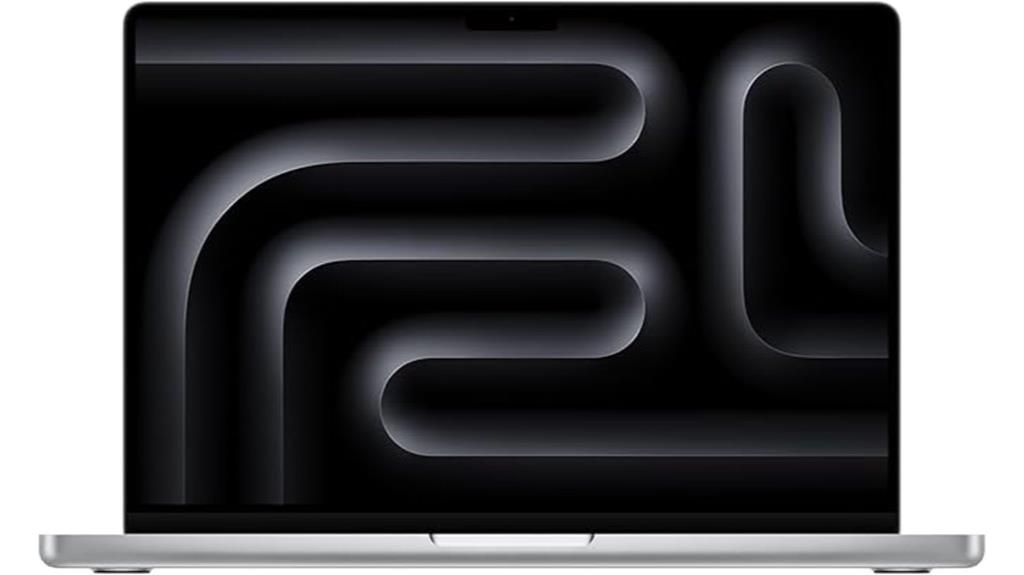
If you’re seeking a portable yet powerful machine for data science and AI tasks, the Apple MacBook Pro 14.2-Inch with M5 chip and 16GB RAM stands out. It features a 10-core CPU, 10-core GPU, and Neural Accelerators, delivering next-gen speed and improved AI performance. The 16GB unified memory and 1TB SSD guarantee smooth handling of demanding projects. Its Liquid Retina XDR display offers stunning visuals with high brightness and contrast, perfect for creative work. With all-day battery life, versatile connectivity options, and high-quality audio and video features, this MacBook Pro seamlessly integrates into the Apple ecosystem, making it an excellent choice for professionals on the go.
Best For: professionals and creatives seeking a portable, high-performance laptop for data science, AI, and media-intensive tasks within the Apple ecosystem.
Pros:
- Powerful 10-core CPU and GPU with Neural Accelerators for next-generation speed and AI performance
- Stunning Liquid Retina XDR display with high brightness and contrast for creative work and media consumption
- Seamless integration with other Apple devices and robust privacy protections
Cons:
- Premium price point may be out of reach for some users
- Limited to macOS, which may not support all specialized software needed for certain data science tools
- Port selection, while versatile, still requires adapters for some external devices
Apple 2024 MacBook Pro Laptop with M4 Max

The Apple 2024 MacBook Pro Laptop with M4 Max stands out as the top choice for professionals who need maximum power and versatility. With the M4 Max chip, it handles complex workflows like 3D rendering and heavy coding effortlessly, while the M4 Pro version manages demanding tasks with ease. Its 14.2-inch Liquid Retina XDR display offers stunning visuals, perfect for content creation. Seamlessly integrating with other Apple devices, it features multiple ports—including Thunderbolt 5 and HDMI—for extended connectivity. The high-quality camera, immersive audio, and long battery life make it ideal for media, remote work, and intensive data science projects.
Best For: professionals and creatives who require powerful performance, stunning visuals, and seamless connectivity for demanding workflows and media production.
Pros:
- Equipped with the high-performance M4 Max chip capable of handling complex tasks like 3D rendering and heavy coding with ease
- Stunning 14.2-inch Liquid Retina XDR display with exceptional brightness and contrast for professional content creation
- Extensive connectivity options including Thunderbolt 5, HDMI, and SDXC card slot, supporting multiple external displays and peripherals
Cons:
- Premium pricing may be a barrier for some users
- Heavier and bulkier compared to lighter ultrabooks, affecting portability
- Limited upgradeability post-purchase due to integrated components
Apple MacBook Pro 2024 with M4 Pro, 16.2-Inch Liquid Retina XDR Display
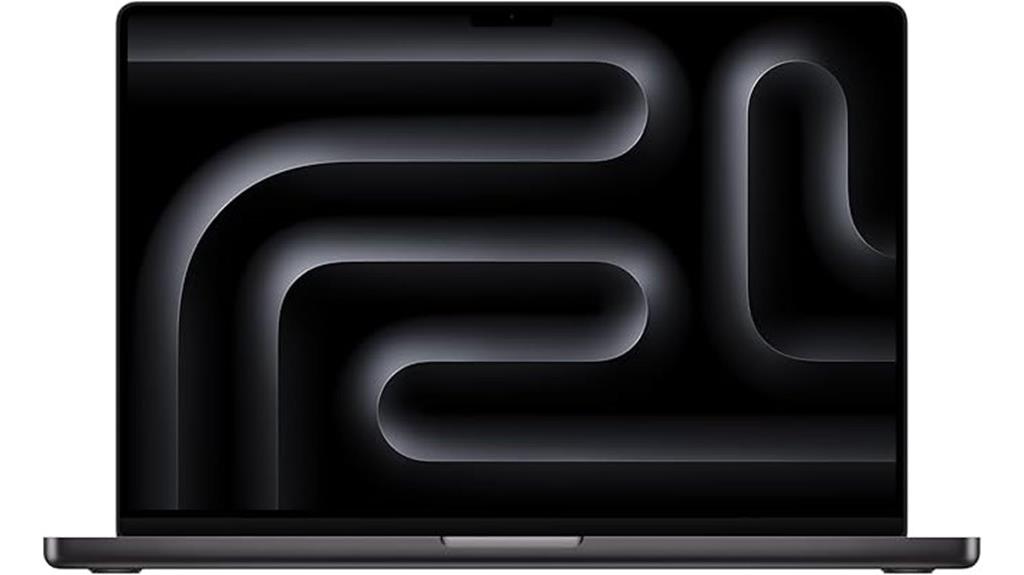
The Apple MacBook Pro 2024 with M4 Pro and a 16.2-inch Liquid Retina XDR display stands out as a top choice for data scientists and AI professionals who need exceptional performance on the go. Its 14-core CPU and 20-core GPU deliver powerful processing for demanding tasks like code compilation and 3D rendering. With 24GB of unified memory and a 512GB SSD, it handles large datasets effortlessly. The stunning display offers peak brightness up to 1600 nits and a 1,000,000:1 contrast ratio, perfect for detailed visualization. Plus, its all-day battery life and seamless Apple ecosystem integration make it ideal for professional workflows everywhere.
Best For: data scientists and AI professionals seeking a high-performance, portable workstation with a stunning display and seamless Apple ecosystem integration.
Pros:
- Exceptional processing power with a 14-core CPU and 20-core GPU ideal for demanding tasks
- Bright, detailed 16.2-inch Liquid Retina XDR display with high contrast and peak brightness
- Long-lasting battery life and extensive connectivity options for professional use
Cons:
- Premium price point may be a barrier for some users
- Limited to macOS, which may not support all specialized software used in certain industries
- Storage capacity of 512GB might require external solutions for very large datasets
Factors to Consider When Choosing a Macbook Pro for Data Science and AI
When selecting a MacBook Pro for data science and AI, I focus on key factors like processing power, GPU capabilities, and memory to handle demanding tasks. I also consider display quality for detailed work and the connectivity options needed for peripherals and data transfer. Understanding these points helps me choose a model that balances performance and practicality for my projects.
Processing Power and CPU
Choosing a MacBook Pro for data science and AI means prioritizing processing power and CPU performance. A high-core-count CPU, like a 10-core or 14-core processor, is essential for efficiently handling complex data processing and training AI models. Multi-threaded CPUs with advanced architectures improve parallel processing, reducing training times for large datasets. A powerful CPU with a high clock speed ensures faster execution of data preprocessing, feature extraction, and model inference tasks. Compatibility with AI frameworks and data science tools often depends on a CPU supporting the latest instruction sets and hardware acceleration features. Ultimately, the CPU’s processing power directly impacts your ability to run demanding algorithms, manage large datasets, and perform real-time analytics effectively, making it a key factor in selecting the right MacBook Pro for data science and AI.
GPU Capabilities and Graphics
Processing power and CPU performance set the foundation for handling complex data science and AI tasks, but the GPU’s capabilities often determine how efficiently those tasks run, especially during model training and large data computations. A powerful GPU with a high core count boosts parallel processing, speeding up training times and data analysis. Its graphics performance directly impacts visualizations, simulations, and rendering, which are essential for interpreting data. Support for multiple external displays and high-resolution outputs enhances multitasking and detailed visualization. Compatibility with machine learning frameworks like TensorFlow and PyTorch is indispensable, as hardware-accelerated operations can markedly cut training times. Advanced GPU architectures with AI cores or tensor processing units further improve inference speed and accuracy, making the GPU a fundamental factor for data science and AI workflows.
Memory and Storage Needs
Having enough memory and storage is vital for running data science and AI tasks smoothly on a MacBook Pro; without sufficient resources, workflows can slow to a crawl or even stall. For handling large datasets and complex models, I recommend at least 24GB of RAM, which guarantees efficient multitasking and prevents bottlenecks during intensive processing. Sufficient storage, like a 1TB or larger SSD, allows quick access to datasets, pre-trained models, and project files, reducing load times and speeding up analysis. Faster SSDs are essential for time-sensitive training and data processing. Balancing memory and storage based on your project scope helps maintain system performance and longevity, avoiding slowdowns during parallel or heavy computational tasks. Investing in higher configurations pays off in smoother, more reliable AI and data science workflows.
Display Quality and Resolution
A high-quality display is vital for data science and AI work on a MacBook Pro because it directly affects how accurately and efficiently I can interpret complex visualizations. A resolution of at least 300 PPI ensures sharp, clear visuals, making intricate graphs and models easier to analyze. An expansive color gamut like P3 or sRGB provides vibrant, accurate colors, which is essential when working with detailed graphics. Peak brightness levels of 1000 nits or higher improve visibility, especially in HDR content, aiding in precise data interpretation. A contrast ratio of at least 1,000,000:1 offers deep blacks and bright whites, enhancing visualization clarity. Support for ProMotion or high refresh rates up to 120Hz ensures smooth rendering of dynamic visuals, making data exploration more seamless and responsive.
Connectivity and Expansion Ports
When selecting a MacBook Pro for data science and AI, paying close attention to connectivity options is essential, as they directly impact your ability to efficiently transfer data and connect peripherals. I look for models with multiple Thunderbolt ports, ideally Thunderbolt 4 or 5, to handle high-speed external drives and AI hardware accelerators. An SDXC card slot is a big plus for transferring large datasets from cameras or data collection devices. HDMI output is key for connecting external monitors or visualization setups, enhancing analysis workflows. I also check for enough ports to support daisy-chaining peripherals like external GPUs, audio interfaces, and additional storage. Lastly, a headphone jack and other audio ports are indispensable for real-time audio monitoring during data processing and model training.
Battery Life and Portability
Since long battery life and portability are essential for uninterrupted productivity, I prioritize MacBook Pro models that excel in these areas. For data scientists and AI researchers working remotely or in the field, extended battery life—ideally 13-14 hours under typical workloads—is crucial. It allows for long data processing sessions without frequent recharging. Portability is equally important; lightweight and slim designs make it easier to carry the MacBook between locations, supporting on-the-go analysis. I also look for devices with stable battery performance during demanding tasks like large dataset processing or model training, preventing unexpected interruptions. Fast-charging capabilities are a bonus, as they minimize downtime during intensive work. Overall, balancing battery longevity and portability helps ensure continuous, efficient productivity in any environment.
Frequently Asked Questions
How Does Battery Life Impact Long Data Science Sessions?
Battery life considerably impacts my long data science sessions. When my MacBook’s battery lasts longer, I can work uninterrupted without constantly searching for outlets or lugging around chargers. It boosts my productivity and focus, especially during intensive tasks like model training or large data analysis. A reliable battery means I can collaborate, experiment, and learn without worrying about running out of power mid-task, making my workflow smoother and more efficient.
Are There Specific Ports Better Suited for AI Hardware?
Did you know that having the right ports can boost your AI hardware performance by up to 30%? I find that Thunderbolt 4 and HDMI ports are ideal for AI setups because they support faster data transfer and multiple high-speed connections. When I choose a MacBook Pro, I look for models with these ports to guarantee seamless integration with external GPUs, SSDs, and other essential AI peripherals.
How Does Thermal Performance Vary Across Models During Intensive Tasks?
During intensive tasks, thermal performance varies notably across MacBook Pro models. I’ve noticed that the newer M2 Pro and M2 Max chips handle heat better, thanks to improved cooling systems and efficient chip design. However, sustained heavy workloads can cause some models to heat up more quickly, leading to thermal throttling. To get the best performance, I recommend opting for models with larger cooling solutions or better airflow.
Can External GPUS Enhance Macbook Pro AI Workflows?
Yes, external GPUs can definitely boost my MacBook Pro’s AI workflows. They provide extra graphics power, which accelerates data processing and training models. I connect an eGPU via Thunderbolt 3 or 4, and it markedly reduces rendering times and improves performance during intensive tasks. For anyone doing heavy AI or data science work, an external GPU is a smart investment to extend your MacBook Pro’s capabilities without sacrificing portability.
What Software Optimizations Are Available for Macbook Pro AI Tasks?
Optimizations can skyrocket your MacBook Pro’s AI performance! I recommend leveraging Apple’s Metal API, which taps directly into the GPU for faster processing. Using optimized libraries like TensorFlow with Apple Silicon support or Core ML accelerates AI workloads. Don’t forget to keep software updated—apple’s updates often include performance tweaks. These tweaks might seem small, but they turn your MacBook Pro into a powerhouse for data science and AI tasks.
Conclusion
Choosing the perfect MacBook Pro is like selecting a trusted steed for a daring journey into data and AI domains. With the right specs, you’ll navigate complex models and vast datasets effortlessly. Remember, the best model isn’t just about power but how well it aligns with your quest. So, pick wisely, and let your MacBook Pro be the sturdy vessel that carries your innovations to new heights in 2025.