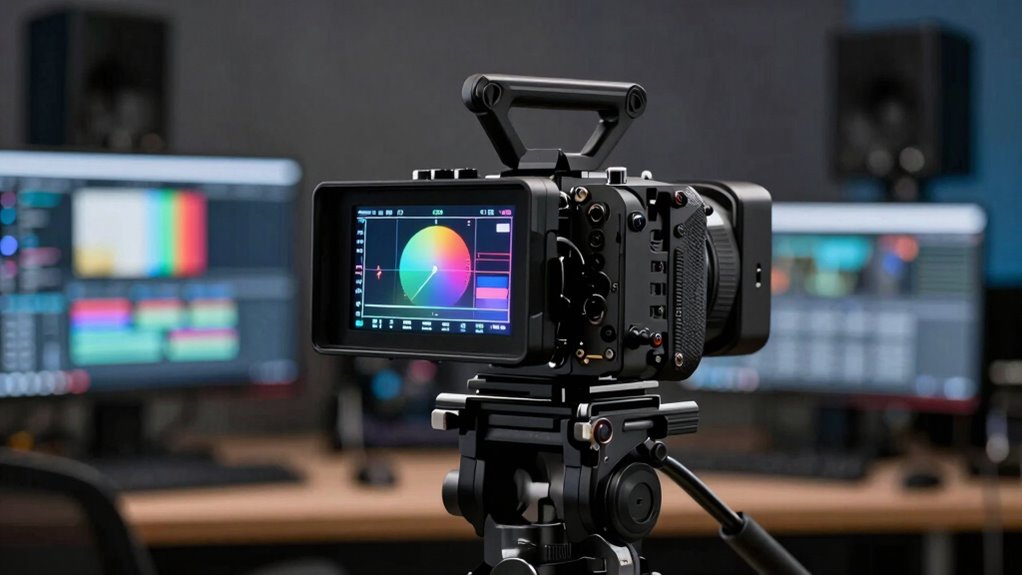

Choosing the right cinema camera as an independent filmmaker involves balancing budget, image quality, and usability. The Blackmagic Design Cinema Camera 6K stands out as the best overall choice for its impressive image quality and affordability. The Sony FX30 offers a compact, user-friendly option for those prioritizing mobility, while the Canon EOS C80 provides robust full-frame capabilities for more professional productions. Each of these options involves tradeoffs — like price, size, or feature set — that can influence your decision. Continue reading for a full breakdown of the best cinema cameras tailored to different needs and budgets.

Get everyday essentials delivered free with Prime
- Fast, free delivery on millions of items
- Prime Video, Amazon Music and more included
- Member-only deals all year
Key Takeaways
- The top-ranked models balance affordability with professional-grade image quality, making them accessible for independent filmmakers.
- Sensor size and format significantly influence the cinematic look; full-frame cameras offer more depth, but Super 35 options are more compact and budget-friendly.
- Lens compatibility and mount options are key considerations, impacting future upgrade paths and creative flexibility.
- Ease of use and ergonomics vary widely; compact models excel for run-and-gun shooting, while larger bodies suit more controlled environments.
- Price often correlates with features like dynamic range, low-light performance, and internal recording options—buyers must prioritize what matters most for their projects.
| Blackmagic Design Cinema Camera 6K for L Mount Bundle with Battery and Cleaning Kit |  | Best Overall | Sensor Resolution: 6048 x 4032 | Lens Mount: L Mount | Dynamic Range: 13 stops | VIEW ON AMAZON | See Our Full Breakdown |
| Blackmagic Design Pocket Cinema Camera 4K Power Bundle |  | Best Value | Sensor: 4/3” image sensor | Resolution: 4096 x 2160 | Dynamic Range: 13 stops | VIEW ON AMAZON | See Our Full Breakdown |
| Sony FX30 Cinema Line Super 35 Camera |  | Best for Compact Cinematic Shooting | Sensor Type: CMOS | Sensor Resolution: 20.1 MP | Sensor Size: APS-C | VIEW ON AMAZON | See Our Full Breakdown |
| Blackmagic Design Pocket Cinema Camera 6K G2, EF Mount |  | Best for High-Resolution Super 35 Shooting | Sensor: Super 35 | Resolution: 6144 x 3456 | Dynamic Range: 13 stops | VIEW ON AMAZON | See Our Full Breakdown |
| Canon EOS C80 6K Full-Frame Cinema Camera – Black |  | Best for Versatile Shooting | Sensor Type: CMOS | Sensor Size: Full Frame (35mm) | Resolution: 26.67 MP | VIEW ON AMAZON | See Our Full Breakdown |
| Canon EOS R5 C Mirrorless Cinema Camera with 64GB Memory Card and Shoulder Bag |  | Best Overall for Versatile High-Resolution Filmmaking | Sensor: Full-Frame | Video Resolution: 8K60 RAW, 4K120 | Memory Card: 64GB UHS-II SDXC | VIEW ON AMAZON | See Our Full Breakdown |
| Blackmagic Design Pocket Cinema Camera 6K Pro |  | Best Value for Professional 6K Image Quality | Sensor: Super 35 | Resolution: 6144 x 3456 | Dynamic Range: 13 stops | VIEW ON AMAZON | See Our Full Breakdown |
| Sony FX30 Super 35 Cinema Line Camera with E PZ 18-105mm f/4.0 G OSS Lens |  | Best for Cinematic Flexibility in a Compact Form | Sensor: 26.1 MP Exmor R APS-C | Dynamic Range: Wide | S-Cinetone: Yes | VIEW ON AMAZON | See Our Full Breakdown |
| Canon EOS C50 Body |  | Best for Versatile 4K and RAW Capabilities in a Compact Body | Sensor: 7K full-frame CMOS | Recording Modes: 4K 120P, RAW, 2K crop | Frame Rate: Up to 120P | VIEW ON AMAZON | See Our Full Breakdown |
| Blackmagic Design Cinema Camera 6K, Full Frame Sensor, L Mount |  | Best for High-End Cinematic Quality and Post-Production Power | Sensor: Full Frame 6K | Resolution: 6048 x 4032 | Dynamic Range: 13 stops | VIEW ON AMAZON | See Our Full Breakdown |
| Sony FX6 Cinema Camera with 24-105mm Lens Bundle |  | Best for Professional-Grade Cinematic Production | Sensor: Full-Frame 10.2MP CMOS Exmor R | Lens: 24-105mm f/4 G OSS | Recording Resolutions: DCI 4K60p, UHD 4K120p, 1080p240 | VIEW ON AMAZON | See Our Full Breakdown |
| cinema camera for independent filmmaker | Sensor | Dynamic Range | Resolution | Display |
|---|---|---|---|---|
| Blackmagic Design Cinema Camer | — | 13 stops | — | — |
| Blackmagic Design Pocket Cinem | 4/3” image sensor | 13 stops | 4096 x 2160 | 5-inch LCD |
| Sony FX30 Cinema Line Super 35 | — | — | — | 3 inches |
| Blackmagic Design Pocket Cinem | Super 35 | 13 stops | 6144 x 3456 | 5-inch tilt LCD |
| Canon EOS C80 6K Full-Frame Ci | — | — | 26.67 MP | — |
| Canon EOS R5 C Mirrorless Cine | Full-Frame | — | — | — |
| Blackmagic Design Pocket Cinem | Super 35 | 13 stops | 6144 x 3456 | 5-inch HDR LCD |
| Sony FX30 Super 35 Cinema Line | 26.1 MP Exmor R APS-C | Wide | — | — |
| Canon EOS C50 Body | 7K full-frame CMOS | — | 7K | — |
| Blackmagic Design Cinema Camer | Full Frame 6K | 13 stops | 6048 x 4032 | 5-inch HDR LCD, 1500 nits |
| Sony FX6 Cinema Camera with 24 | Full-Frame 10.2MP CMOS Exmor R | 15+ stops | — | 3.5-inch touchscreen LCD |
More Details on Our Top Picks
Blackmagic Design Cinema Camera 6K for L Mount Bundle with Battery and Cleaning Kit
The Blackmagic Design Cinema Camera 6K stands out for delivering professional-grade cinematic quality with a full-frame sensor and versatile lens options thanks to its L mount. Compared to the Canon EOS C80, it offers higher resolution and advanced post-production capabilities through Blackmagic Raw, making it ideal for filmmakers aiming for maximum image flexibility. The bundled accessories, including extra batteries and a cleaning kit, support extended shoots, but this setup is bulkier and requires familiarity with professional workflows. While the cost might be steep for newcomers, its cinematic image quality and post-production tools justify the investment for serious indie filmmakers.
Pros:- High-quality 6K cinematic footage with excellent dynamic range
- Versatile lens compatibility with L mount and adapters
- Advanced post-production options with Blackmagic Raw and DaVinci Resolve
Cons:- Relatively high cost for amateur users
- Requires familiarity with professional filmmaking equipment
- Bulkier setup due to additional accessories
Best for: Independent filmmakers seeking cinematic 6K quality with robust post-production options and versatile lens choices.
Not ideal for: Beginners or hobbyists on a tight budget who prefer smaller, simpler cameras with less technical setup.
- Sensor Resolution:6048 x 4032
- Lens Mount:L Mount
- Dynamic Range:13 stops
- Native ISO:Dual native ISOs
- Recording Formats:Blackmagic Raw, H.264
- Supported Resolutions:6K, 4.8K
- Included Software:DaVinci Resolve Studio
- Bundle Includes:Battery NPF550, Cleaning Kit
Our verdict“This camera is best suited for indie filmmakers ready for a steep learning curve and higher investment to achieve cinematic quality.”
Blackmagic Design Pocket Cinema Camera 4K Power Bundle
The Blackmagic Pocket Cinema Camera 4K Power Bundle offers impressive 4K recording quality in a compact, lightweight body, making it a strong value for indie filmmakers. Its 4/3” sensor delivers excellent dynamic range comparable to the Sony FX30, with user-friendly features like a bright 5-inch LCD for on-the-fly framing. While it excels for run-and-gun shooting and small crews, it does require external accessories for advanced audio, and the learning curve for professional features can be steep for newcomers. Compared with more expensive options like the Canon EOS C80, it provides a more accessible entry point into high-quality cinema, especially with its bundled accessories for extended shoots.
Pros:- High-quality 4K video with excellent dynamic range
- Multiple recording formats including Blackmagic RAW and ProRes
- Lightweight, portable design with a bright LCD display
- Includes additional batteries and accessories for extended shooting
Cons:- Requires external accessories for advanced audio
- May be expensive for casual users
- Learning curve for professional features
Best for: Budget-conscious indie filmmakers who want professional 4K quality with portable, easy-to-use equipment.
Not ideal for: Filmmakers requiring internal professional audio recording options or more advanced built-in stabilization.
- Sensor:4/3” image sensor
- Resolution:4096 x 2160
- Dynamic Range:13 stops
- ISO Range:up to 25,600
- Recording Media:SD/UHS-II, CFast 2.0, external SSD
- Inputs:mini XLR, 3.5mm microphone
- Display:5-inch LCD
- Body Material:carbon fiber polycarbonate composite
Our verdict“This pick makes the most sense for indie filmmakers seeking affordable, high-quality 4K cinema footage in a portable package.”
Sony FX30 Cinema Line Super 35 Camera
The Sony FX30 caters to indie filmmakers who need a lightweight, highly capable camera with cinematic flair. Its 20.1 MP APS-C sensor with 6K oversampling produces stunning images comparable to larger cinema cameras, but in a much smaller form factor. Features like fast autofocus and built-in stabilization make it ideal for on-the-move shooting, especially for content creators and documentary filmmakers. However, its limited details on battery life and external audio options mean it’s less suited for long shoots without additional gear. Compared to the Blackmagic Pocket 4K, it offers superior autofocus and stabilization but may lack some post-production flexibility without external recording accessories.
Pros:- Cinematic imaging with 6K oversampling
- Compact and portable for on-the-go shooting
- Advanced color grading options with S-Cinetone and S-Log3
- Fast autofocus and active stabilization
Cons:- Limited info on battery life and external audio ports
- Potentially high cost for hobbyists
- Requires compatible lenses for best performance
Best for: Content creators and indie filmmakers who prioritize compactness, speed, and high-quality cinematic images for mobile shooting.
Not ideal for: Filmmakers needing extensive manual controls or built-in professional audio inputs for complex sound design.
- Sensor Type:CMOS
- Sensor Resolution:20.1 MP
- Sensor Size:APS-C
- Maximum Shutter Speed:1/8000 seconds
- Maximum Aperture:3.5 mm
- Video Resolution:1080p, 2160p
- Display:3 inches
- Weight:1.2 pounds
Our verdict“Ideal for indie creators seeking a portable, cinematic camera with quick setup and professional image quality.”
Blackmagic Design Pocket Cinema Camera 6K G2, EF Mount
The Blackmagic Pocket Cinema Camera 6K G2 offers a Super 35 sensor with 6144 x 3456 resolution, making it a prime choice for indie filmmakers aiming for high-resolution images with excellent dynamic range. Its user-friendly design includes a bright tilt LCD, supporting formats like Blackmagic RAW and Apple ProRes, and the included DaVinci Resolve Studio key enhances post-production flexibility. Compared with the 4K version, it delivers sharper detail and more cinematic depth but adds weight and size, which can be less convenient for handheld shooting. It’s best suited for those who prioritize image quality over ultra-lightweight setups.
Pros:- High-resolution Super 35 sensor with excellent dynamic range
- Supports multiple professional recording formats
- Adjustable tilt LCD for flexible shooting angles
- Includes DaVinci Resolve Studio activation
Cons:- Relatively heavy for handheld use
- Requires compatible lenses for optimal performance
- Bulkier design may limit mobility
Best for: Filmmakers needing high-resolution Super 35 footage with a flexible, user-friendly design and strong post-production tools.
Not ideal for: Those seeking a lightweight, highly portable camera for long handheld shoots or minimal gear setups.
- Sensor:Super 35
- Resolution:6144 x 3456
- Dynamic Range:13 stops
- ISO Range:up to 25,600
- Recording Formats:Blackmagic RAW, Apple ProRes
- Display:5-inch tilt LCD
Our verdict“Best suited for indie filmmakers who prioritize high-resolution, cinematic images and post-production flexibility in a slightly heavier form factor.”
Canon EOS C80 6K Full-Frame Cinema Camera – Black
The Canon EOS C80 combines a 6K full-frame sensor with advanced autofocus and internal 4K/120p recording, providing a versatile option for indie filmmakers who need both high-quality cinematic footage and reliable performance. Its compact design and extensive connectivity, including SDI and Ethernet, make it adaptable for various shooting scenarios. Compared with the Sony FX30, it offers more professional I/O options and a broader feature set, but it also weighs more at 6.5 pounds, which can limit handheld mobility. The complex array of controls may require training for optimal use, but its high-resolution sensor and autofocus make it a compelling choice for serious content creators.
Pros:- High-resolution 6K full-frame sensor for cinematic quality
- Versatile recording options including 4K/120p and RAW
- Advanced autofocus with Dual Pixel CMOS AF II
- Multiple connectivity options for flexible workflows
Cons:- Relatively heavy at 6.5 pounds
- Premium price point may be prohibitive for hobbyists
- Complex features require training for full utilization
Best for: Experienced indie filmmakers requiring a professional-grade, full-frame camera with extensive connectivity and autofocus capabilities.
Not ideal for: Filmmakers seeking ultra-lightweight, handheld solutions or those with limited technical training.
- Sensor Type:CMOS
- Sensor Size:Full Frame (35mm)
- Resolution:26.67 MP
- Maximum Shutter Speed:1/8000 seconds
- ISO Range:500-12800
- File Format:JPEG
- Video Resolution:6000×3164
- Weight:6.5 pounds
Our verdict“Best suited for indie filmmakers who need a premium, full-frame cinema camera with robust features and high-quality imaging.”
Canon EOS R5 C Mirrorless Cinema Camera with 64GB Memory Card and Shoulder Bag
The Canon EOS R5 C stands out as the most adaptable choice for filmmakers needing both high-resolution stills and cinematic video in one package. Its ability to shoot 8K60 RAW and 4K120 video surpasses many competitors like the Blackmagic Pocket 6K Pro, which offers excellent image quality but lacks the same level of resolution for large-format projects. The active cooling system enables unlimited recording, making it suitable for long shoots, though its weight and size can challenge handheld operation. Its dual modes provide seamless switching between photography and cinema work, which is ideal for creators wearing multiple hats. However, the higher price and complexity of settings mean it’s best for users already comfortable with professional gear. For those who prioritize resolution, flexibility, and dual-use capabilities, this camera is a compelling, though premium, option.
Pros:- High-resolution 8K60 RAW and 4K120 video for detailed cinematic footage
- Dual photo and cinema modes for multi-purpose shooting
- Active cooling enables unlimited recording sessions
Cons:- Relatively high cost may be prohibitive for hobbyists
- Heavy and bulky for handheld shooting, requiring stabilization equipment
Best for: Independent filmmakers who need a versatile camera capable of high-resolution cinema and still photography, with the budget for a professional setup.
Not ideal for: Beginners or those on a tight budget, since the camera’s weight, size, and advanced features require familiarity and investment.
- Sensor:Full-Frame
- Video Resolution:8K60 RAW, 4K120
- Memory Card:64GB UHS-II SDXC
- Cooling:Active cooling fan
- Includes:Shoulder bag
Our verdict“This camera is best suited for experienced indie filmmakers seeking top-tier resolution and versatility despite its higher price and size.”
Blackmagic Design Pocket Cinema Camera 6K Pro
Compared with the Canon EOS R5 C, the Blackmagic Pocket Cinema Camera 6K Pro offers impressive 6K resolution with a Super 35 sensor, making it an excellent choice for filmmakers prioritizing cinematic quality without the high cost of full-frame options. Its built-in ND filters and bright tilt LCD simplify on-the-fly adjustments, especially in variable lighting conditions. While it provides a wide dynamic range of 13 stops and supports professional formats like Apple ProRes and Blackmagic RAW, it also tends to be heavier and less portable, similar to the EOS R5 C. The inclusion of DaVinci Resolve Studio for editing adds significant value but may be overwhelming for beginners. This model makes the most sense for creators who want high-end image quality on a budget and are willing to handle a slightly bulkier camera.
Pros:- High-resolution 6K Super 35 sensor with excellent dynamic range
- Built-in ND filters for flexible shooting in different lighting
- Supports professional recording formats like ProRes and RAW
Cons:- Heavier and less portable than smaller models
- Requires compatible lenses, adding to overall cost
Best for: Serious indie filmmakers seeking high-resolution cinema quality with professional-grade features at a more accessible price point.
Not ideal for: Beginners or those seeking lightweight, simple setups, as the camera’s weight and professional features can be complex to master.
- Sensor:Super 35
- Resolution:6144 x 3456
- Dynamic Range:13 stops
- ISO:Up to 25,600
- Recording Formats:Apple ProRes, Blackmagic RAW
- Display:5-inch HDR LCD
Our verdict“This camera is ideal for filmmakers prioritizing high-quality image capture with a focus on professional post-production workflows, despite its weight and complexity.”
Sony FX30 Super 35 Cinema Line Camera with E PZ 18-105mm f/4.0 G OSS Lens
The Sony FX30 offers a compelling blend of cinematic image quality and portability, making it a strong choice for indie filmmakers who need a lightweight yet capable camera. Its 26.1 MP APS-C sensor provides a broad dynamic range and S-Cinetone color profiles, aligning well with the look of more expensive cinema cameras like the Blackmagic 6K Pro. The inclusion of Cine EI modes and user LUT support allows for flexible grading workflows, although their complexity might challenge newcomers. The kit lens offers convenience but may limit creative flexibility without additional glass. Compared to larger, full-frame options, the FX30’s smaller sensor may sacrifice some shallow depth of field, but its compact size and advanced features make it ideal for run-and-gun shoots or tight spaces.
Pros:- Cinematic S-Cinetone color profiles and wide dynamic range
- Compact, lightweight design perfect for mobile shooting
- Flexible ISO and log modes for professional-grade footage
Cons:- Designed primarily for experienced videographers; steep learning curve
- Standard zoom lens may limit creative options without additional lenses
Best for: Indie filmmakers who want cinematic quality in a portable package, suitable for documentary-style shooting or on-the-move productions.
Not ideal for: Users seeking the shallow depth of field and maximum resolution of full-frame cameras, or those who prefer a camera with a broader selection of lenses included.
- Sensor:26.1 MP Exmor R APS-C
- Dynamic Range:Wide
- S-Cinetone:Yes
- ISO:Flexible, Dual Base ISO
- Log Modes:Cine EI, Cine EI Log
- Additional Features:User LUTs, 14+ stop range
Our verdict“This camera is best for indie creators needing a portable, feature-rich option that produces cinematic images on the go, despite its learning curve.”
Canon EOS C50 Body
The Canon EOS C50 introduces a 7K full-frame CMOS sensor offering high-resolution capture in a compact form. Its ability to shoot at 4K 120P and include internal RAW recording makes it appealing for indie filmmakers seeking flexibility in fast-paced shoots. Compared to the Blackmagic 6K, the C50 emphasizes higher frame rates and raw options, though details on battery life and accessory compatibility remain limited. The multiple sensor modes and crop options add versatility but might increase complexity for newcomers. This camera suits creators who need high-quality 4K footage with high frame rate options in a more portable package, though it’s less beginner-friendly and requires familiarity with advanced features.
Pros:- High-resolution 7K full-frame CMOS sensor
- Supports 4K 120P high frame rate recording
- Multiple sensor modes and RAW recording options
Cons:- Limited info on battery and accessory ecosystem
- Potentially complex setup for newcomers
Best for: Indie filmmakers who need high-resolution, high-frame-rate 4K recording with RAW options, and are comfortable managing advanced camera settings.
Not ideal for: Beginners or those who prefer a straightforward, user-friendly interface without extensive customization options.
- Sensor:7K full-frame CMOS
- Recording Modes:4K 120P, RAW, 2K crop
- Frame Rate:Up to 120P
- Resolution:7K
- Additional Features:Multiple sensor modes
Our verdict“This camera fits advanced indie filmmakers needing high-res, high-frame-rate footage with RAW capabilities, despite its complexity.”
Blackmagic Design Cinema Camera 6K, Full Frame Sensor, L Mount
The Blackmagic Cinema Camera 6K with a full-frame 6K sensor offers an excellent balance of resolution, dynamic range, and post-production flexibility. Its 13 stops of dynamic range and dual gain ISO up to 25,600 produce rich, cinematic images comparable to larger, more expensive cinema cameras. The ability to record via CFexpress Type B or external SSDs provides extended recording times, suitable for serious indie projects. Its inclusion of DaVinci Resolve Studio for editing and grading adds professional finishing tools, making it a strong choice for filmmakers with post-production in mind. However, its weight and need for external storage make it less suitable for handheld shooting or quick setups. This camera is an ideal pick for creators prioritizing image quality and post-production workflow, despite the higher investment and bulk.
Pros:- High-resolution 6K full-frame sensor for cinematic images
- Wide 13-stop dynamic range for detailed highlights and shadows
- Supports CFexpress Type B and external SSDs for extended recording
Cons:- Relatively heavy and bulky for handheld use
- Requires external storage for longer shoots, adding complexity
Best for: Serious indie filmmakers who value high-resolution, flexible recording options, and want integrated professional editing tools, even if it means extra equipment handling.
Not ideal for: Filmmakers seeking lightweight, run-and-gun solutions or those new to professional-grade cameras due to its weight and external storage needs.
- Sensor:Full Frame 6K
- Resolution:6048 x 4032
- Dynamic Range:13 stops
- ISO Range:Up to 25,600
- Recording Options:CFexpress Type B, external SSD
- Display:5-inch HDR LCD, 1500 nits
Our verdict“This camera is best for indie productions focused on high-end image quality and post-production flexibility, accepting extra weight and storage complexity for superior results.”
Sony FX6 Cinema Camera with 24-105mm Lens Bundle
The Sony FX6 stands out for filmmakers who need high-end cinematic quality without the bulk of traditional cinema cameras. Compared to the Blackmagic Design Cinema Camera 6K, the FX6 offers a more compact and lightweight form factor, making it ideal for handheld shooting or drone work. Its full-frame sensor and 15+ stops of dynamic range deliver stunning image quality that rivals higher-budget setups, yet it’s still approachable for serious independent filmmakers committed to professional results. However, this camera’s high price tags and complex feature set can be daunting for those just starting out or working on tighter budgets. Its limited battery life may also require additional planning for extended shoots. Overall, this pick makes the most sense for seasoned creators who prioritize image quality and versatility and are prepared to invest in the necessary accessories.
Pros:- Exceptional cinematic image quality with 15+ stops of dynamic range
- Versatile 24-105mm f/4 G OSS lens suitable for a wide range of shooting styles
- Lightweight and compact design enhances mobility during handheld or drone shoots
- Advanced autofocus with Eye and Face Detection ensures sharp focus in dynamic scenes
Cons:- High purchase price may be prohibitive for independent filmmakers on a tight budget
- Complex feature set requires a steep learning curve for newcomers
- Limited battery life demands extra batteries or power solutions for long shoots
Best for: Experienced indie filmmakers aiming for professional-level cinematic footage with mobility and flexibility.
Not ideal for: Beginners or hobbyists seeking an affordable, easy-to-operate camera for casual projects, due to its cost and complexity.
- Sensor:Full-Frame 10.2MP CMOS Exmor R
- Lens:24-105mm f/4 G OSS
- Recording Resolutions:DCI 4K60p, UHD 4K120p, 1080p240
- Dynamic Range:15+ stops
- ISO Range:800-12,800, Max 320-409,600
- Weight:Just under 2 lbs
- Display:3.5-inch touchscreen LCD
- Media Slots:Dual CFexpress Type A/SDXC
- Connectivity:HDMI, Raw output
Our verdict“This camera is best suited for experienced filmmakers who need premium quality and are ready to handle its complexity and higher cost.”

How We Picked
The products in this roundup were selected based on a combination of performance, usability, build quality, and value specifically for independent filmmakers. We prioritized cameras that offer a solid balance of image quality and affordability, avoiding overly niche or high-end models that are less accessible. Each camera was evaluated for its sensor size, recording capabilities, lens compatibility, and versatility in different shooting scenarios. The ranking reflects an overall assessment of how well each model meets the needs of solo or small production teams seeking professional results without breaking the bank.Factors to Consider When Choosing Cinema Camera For Independent Filmmakers
When selecting a cinema camera for independent filmmaking, several factors deserve careful consideration to ensure your investment aligns with your creative goals and practical needs. Beyond just image quality, ease of use, and budget constraints, you should think about lens compatibility, workflow, and future expandability. Making informed decisions in these areas can save you time and money while helping you produce cinematic results that match your vision.Sensor Size and Image Quality
Sensor size is a primary factor influencing the cinematic look—full-frame sensors provide a shallower depth of field and better low-light performance, which is desirable for many filmmakers. However, they tend to come with a higher price tag and larger form factor. Super 35 sensors, common in many cinema cameras, offer a good balance between size and image quality, making them popular among indie creators. Understanding your needs and how sensor size impacts your shooting style is essential before making a choice.
Lens Compatibility and Mount Options
Lens selection shapes your creative options and future-proofing. Cameras with versatile mount systems, like EF or RF, allow you to access a wide range of lenses, often from multiple manufacturers. Cheaper or more niche mounts can limit your options and increase costs later. Consider what lenses you already own or plan to buy, and ensure the camera’s mount supports your current and future gear investments.
Ease of Use and Ergonomics
Shooting comfort and interface design can dramatically affect your shooting experience. Smaller, lighter cameras excel for handheld and run-and-gun shooting, but may sacrifice some features or durability. Larger models with better ergonomics and more controls suit controlled environments or where stable mounting is possible. Think about your typical shooting scenarios and how much gear you’re willing to carry or set up.
Workflow and Recording Options
Efficient workflows depend on recording formats, codec options, and media compatibility. Cameras with internal RAW or ProRes recording provide higher quality and more post-production flexibility, but often come at a higher cost. Compatibility with editing software, storage media, and data management is equally important. Prioritize cameras that support your preferred editing pipeline to streamline the entire process.
Price and Future Expandability
Budget constraints are real, but investing a bit more upfront can unlock significant benefits like better sensors, stabilization, and expandability. Consider whether the camera allows future upgrades, such as additional lenses, accessories, or firmware enhancements. Sometimes, a slightly higher initial investment pays off in the long run by avoiding the need for early replacements or costly upgrades.
Frequently Asked Questions
Is a full-frame camera necessary for indie filmmaking?
While full-frame cameras offer advantages like a shallower depth of field and better low-light performance, they are not always necessary for indie projects. Many successful films are shot with Super 35 or smaller sensors, which can be more affordable and lighter. The choice depends on your desired aesthetic, budget, and shooting conditions—full-frame can be beneficial but isn’t a strict requirement for cinematic quality.
How important is lens selection when choosing a cinema camera?
Lens selection is vital because it directly impacts your creative control, image quality, and workflow. A camera with a versatile mount and access to a wide range of lenses offers more flexibility, especially if you plan to grow your kit over time. However, high-quality lenses can be expensive, so balancing your lens budget with your camera choice is crucial to avoid bottlenecks or compromises in your visual storytelling.
Should I prioritize internal recording formats or external recorders?
Internal recording options like ProRes or RAW are convenient and often sufficient for most indie projects. However, external recorders can provide higher bitrates, better quality, and more flexibility if your workflow demands it. The decision depends on your post-production needs, budget, and whether you value portability or maximum image fidelity. Many affordable cameras now support high-quality internal recording, making external solutions less necessary for smaller productions.
How much should I spend on a cinema camera for indie filmmaking?
Budgeting is key; you can find capable cinema cameras in the $1,000–$3,000 range that deliver professional-looking results. Investing slightly more can unlock features like better sensors, stabilization, and modularity. However, overspending on features you won’t use can be wasteful. Focus on what your projects require now and consider future expansion when setting your budget to get the best value.
Is stabilization important for indie filmmakers?
Stabilization can significantly improve production value, especially if you’re shooting handheld or in unpredictable environments. Some cameras come with built-in stabilization, while others rely on lenses or external rigs. For indie filmmakers, a camera with good in-body stabilization or compatibility with stabilizing accessories can reduce the need for expensive stabilization gear and make shooting less cumbersome.
Conclusion
For those new to filmmaking or working with a tight budget, the Blackmagic Pocket Cinema Camera 4K offers an excellent starting point with a manageable learning curve and solid image quality. The Sony FX30 makes a compelling choice for creators needing a compact, versatile option. For more experienced or professional indie filmmakers, the Sony FX6 or Canon EOS C80 provide advanced features and robust build quality. The best overall pick depends on your specific project needs, budget, and future plans—consider these factors carefully to select a camera that truly matches your filmmaking journey.
As an affiliate, we earn on qualifying purchases.Fall Picks
fall essentials