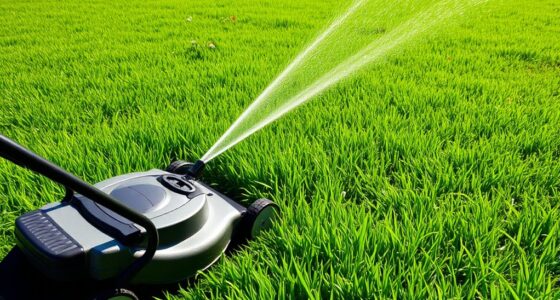
To winterize your sprinkler system and prevent burst pipes, first shut off the main water supply and drain all water lines, including valves and hoses. Insulate exposed pipes, valves, and sprinkler heads with foam or insulating tape. Use compressed air to blow out residual water from each zone and components. Remove and store sprinkler heads and accessories in a dry, protected area. Finally, double-check that all valves are closed and insulation is properly applied—so you’re ready for winter’s worst.
Key Takeaways
- Drain all water lines completely by opening valves, using compressed air, and manually blowing out residual water.
- Insulate exposed pipes, fittings, sprinkler heads, and valves with foam, tape, or foam covers to prevent freezing damage.
- Turn off the main water supply and activate each zone to drain remaining water from the system.
- Remove and dry sprinkler heads, nozzles, and accessories; store them in a dry, temperature-controlled area.
- Perform final system checks to ensure all valves are closed, insulation is secure, and no residual water remains.
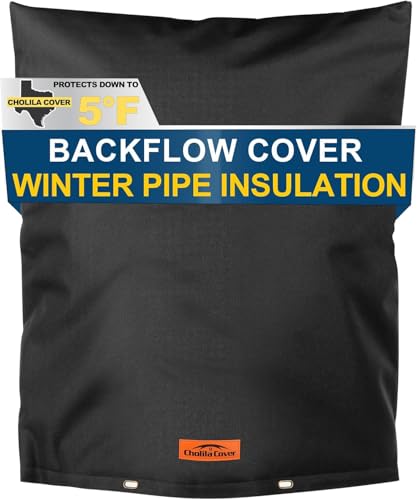
Cholila Cover Backflow Preventer Cover Insulated with Thicker 7 Layers Fabric, 16" W x 20" H Backflow Cover with Aluminum Foil Layer for Winter Pipe Freeze Protection, Backflow Insulation Cover
SIZE: Attention Please! The size is the cover's outside size. Please measure the pipe size accurately and reserve…
As an affiliate, we earn on qualifying purchases.
As an affiliate, we earn on qualifying purchases.
Identify and Drain All Water Lines
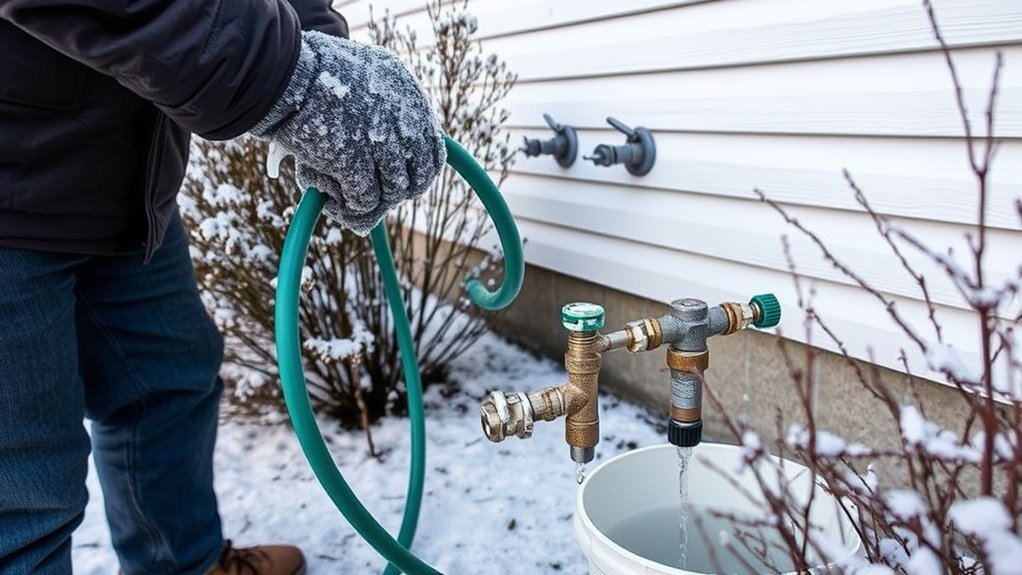
Before winter arrives, you need to identify and drain all water lines in your sprinkler system. Start by turning off the main water supply to prevent new water from entering. Next, locate all valves, including backflow preventers and zone valves, and open them to release any remaining water. Use the drain valves if your system has them; if not, you’ll need to manually blow out the lines with compressed air. Make sure to check each zone individually, ensuring all water is expelled. Don’t forget to drain above-ground components like hoses, spigots, and sprinkler heads. Properly draining all water minimizes the risk of freezing and burst pipes, saving you from costly repairs and system damage come spring. Understanding system components can help you identify all potential water traps and ensure a thorough winterization process. Additionally, inspecting the system layout before winterizing can help you confirm that all areas have been properly drained and prepared.

Duck Brand Foam Pipe Covers, Pipe Insulation Foam Tubes for Hot and Cold Water Pipes, Pre Slit and Self Sealing Adhesive Edge, 0.75 in. x 1 Ft., 6 Sticks Per Package, 6 Feet Total, Black
Duck Brand insulating foam pipe stick covers are great for insulating both hot and cold water pipes
As an affiliate, we earn on qualifying purchases.
As an affiliate, we earn on qualifying purchases.
Protect Vulnerable Components With Insulation

To prevent freeze damage, you need to insulate all vulnerable above-ground components of your sprinkler system. Proper insulation creates a barrier against freezing temperatures, reducing the risk of cracks or splits. Wrap exposed copper pipes, brass fittings, and PVC valves with closed-cell foam or insulation tape. Use insulated bags or foam covers for backflow preventers and pressure vacuum breakers, securing them with zip ties for extra protection. Pool noodles or foam sheets can serve as alternative insulators. Proper insulation ensures your system stays resilient during cold snaps, saving you costly repairs later. Additionally, insulating thermal protection for winter can provide enhanced thermal protection for your system. Here’s a quick overview:
| Component | Insulation Method | Additional Tips |
|---|---|---|
| Sprinkler heads and pipes | Foam covers, pipe wrap tape | Secure with duct tape |
| Backflow preventers | Insulated bags with velcro | Seal tightly for best protection |
| Valves and fittings | Closed-cell foam, pipe wrap | Trim foam to fit precisely |
| Exposed spigots and hoses | Foam pipe covers, pool noodles | Use duct tape for extra security |

Litorange Lead-Free Brass Winterize Sprinkler Systems: Air Compressor Hose Water Faucet Blow Out Adapter Fitting For RV, Travel Trailer, Boat & Camper(a couple)
Blow out plug adapter fitting to winterize underground irrigation sprinkler systems, outdoor pipes, RV, boat, watercraft, motorhome, camper,…
As an affiliate, we earn on qualifying purchases.
As an affiliate, we earn on qualifying purchases.
Use Proper Techniques to Remove Remaining Water

Effective removal of remaining water from your sprinkler system is essential to prevent freeze damage during winter. First, turn off the main water supply to stop new water from entering. Then, activate each zone to drain residual water, ensuring all pipes are emptied completely. Use a compressor with regulated air pressure to blow out the lines—only once per zone—to avoid damage. Carefully direct compressed air into each valve and sprinkler head until no more water escapes. Be mindful of the air pressure; too high can cause damage. For above-ground components, manually drain and shake out sprinkler heads and fittings. Confirm all water is removed, especially from traps, valves, and sprinkler heads, before sealing the system for winter. Properly removing remaining water minimizes the risk of freezing and costly damage. Additionally, consulting water quality guidelines can help identify any residual debris or mineral buildup that may obstruct drainage. Proper drainage techniques are crucial for complete winterization and will prevent system damage during freezing temperatures. Ensuring proper drainage techniques are followed will enhance the effectiveness of winterization and protect your system from potential damage. Regular inspection of system components can further prevent overlooked areas where water might remain.

ArtiGifts Insulated Pouch – Backflow Preventer Insulation Cover for Winter Freeze Protection, Pale Khaki, 35’’W x 30’’H – Measure Before Purchase
Measure before purchase: the outer sizes of cover protector measures about of 35 x 30 x 1.5 inches…
As an affiliate, we earn on qualifying purchases.
As an affiliate, we earn on qualifying purchases.
Prepare and Store Sprinkler Heads and Accessories

Preparing and storing your sprinkler heads and accessories properly guarantees they stay in good condition over the winter. First, remove all sprinkler heads, nozzles, and accessories from the system. Shake out any remaining water to prevent freezing damage. Clean off dirt, debris, and mineral buildup with a soft brush or cloth to keep components in the best possible condition. Store these parts in a dry, protected container, such as a plastic bin or zippered bag, to prevent corrosion and damage. Label the containers if you have multiple types of heads or accessories. Keep everything in a location with stable, moderate temperatures, away from freezing temperatures and moisture. Proper storage helps ensure your sprinkler system is ready to go when spring arrives, saving you time and money. Proper storage is essential for maintaining the longevity of your sprinkler components and ensuring optimal performance next season. Additionally, consider winterizing your system by draining any remaining water to prevent ice expansion from causing cracks. Protecting your sprinkler system from winter damage can also include inspecting and repairing parts before storage to prevent future issues. Incorporating smart maintenance techniques can help monitor your system’s health remotely and address potential problems early.
Perform Final Checks to Ensure System Is Winter-Ready
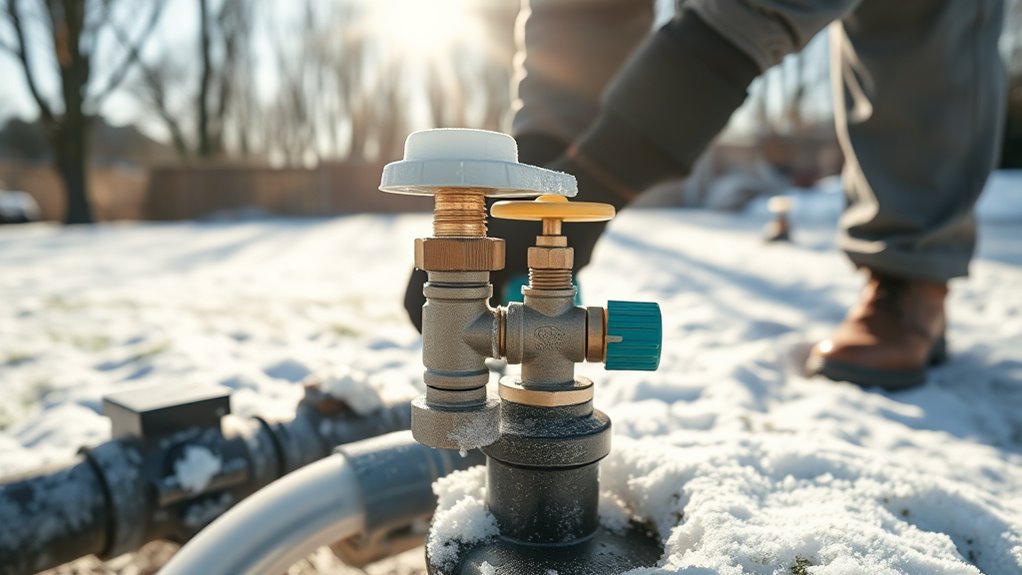
After storing your sprinkler heads and accessories properly, it’s time to perform final checks to confirm your system is winter-ready. First, inspect all valves and drain valves to ensure they’re fully closed or left slightly open as recommended. Verify that the main water supply is turned off and that pressure has been relieved from the system. Check that all exposed pipes and components are insulated with appropriate materials, such as foam covers or tape. Confirm that backflow preventers and pressure vacuum breakers are properly drained or protected. It’s also helpful to understand system components to ensure all parts are correctly prepared for winter. Additionally, inspecting for system vulnerabilities like weak points or potential freeze zones can help prevent damage. Recognizing vulnerable areas in your system allows you to reinforce or address them before winter arrives. Performing comprehensive system checks can further identify hidden issues that might cause problems during freezing temperatures. Being aware of freeze damage risks emphasizes the importance of thorough winterization steps. Completing these checks guarantees your system is prepared to withstand winter conditions effectively.
Frequently Asked Questions
How Do I Know if My System Has Been Fully Drained?
You can tell if your system is fully drained by opening each valve and checking for residual water, which should be minimal or none. Listen for the sound of air escaping, and make certain sprinkler heads are dry and free of water. Use a pressure gauge to confirm no pressure remains in the system. If you’re unsure, try running compressed air through the system again or consult a professional to verify complete drainage.
What Insulation Materials Are Best for Extreme Cold Temperatures?
For extreme cold temperatures, you should use closed-cell foam insulation or foam pipe wrap tape, as they provide the best protection against freezing. These materials are easy to cut and fit around pipes, creating a tight barrier. You can also consider insulated bags with velcro ends for sprinkler components. For additional protection, pool noodles or foam sheets secured with duct tape work well, keeping your system safe during harsh winter conditions.
Can I Winterize My System Myself or Should I Hire a Professional?
You can definitely winterize your system yourself, but think of it as taming a wild horse—you need the right tools, knowledge, and patience. If you’re comfortable turning off valves, draining pipes, and insulating exposed components, go ahead. However, if you’re unsure about using compressed air or handling complex components, hiring a professional guarantees the job’s done correctly, saving you money and headaches later.
How Often Should I Inspect My System During Winter?
You should inspect your system at least once every two to four weeks during winter. Check for signs of freezing, such as frozen pipes or sprinkler heads, and make certain insulation remains intact. If you notice any issues, take action promptly to prevent damage. Regular inspections help catch problems early, saving you money on repair costs and protecting your system from costly burst pipes caused by ice buildup.
What Are Signs My System Is Already Damaged From Freezing?
If you notice cracks or leaks in your pipes, it’s a clear sign of freeze damage—water expands by about 11%, enough to burst pipes and crack fittings. You might also see sudden water pressure drops or uneven spray patterns in your sprinkler heads. Hissing sounds or dripping after shutting off the system indicate damage. Catching these signs early helps prevent costly repairs and further system failure.
Conclusion
Winterizing your sprinkler system is essential to prevent costly burst pipes, which can cause thousands in damages. Did you know that water expands by about 9% when it freezes? By following these simple steps, you can protect your system and save money. Taking the time now to drain, insulate, and check your sprinklers guarantees peace of mind all winter long. Don’t wait—prepare your system today and avoid the hassle of winter repairs tomorrow.