
Whole-house surge protectors are a smart investment that shields your entire home from damaging power surges caused by lightning, grid fluctuations, or electrical faults. They are usually installed at your main electrical panel, providing extensive protection for all your appliances and electronics. While they involve some upfront costs and installation effort, the long-term savings and peace of mind they offer make them worth considering. Keep exploring to find out how they can best suit your home’s needs.
Key Takeaways
- Whole-house surge protectors safeguard all electrical devices from lightning and grid fluctuations, reducing potential damage and repair costs.
- Proper installation by a licensed electrician ensures optimal performance and compliance with local electrical codes.
- The initial investment is relatively low compared to long-term savings on appliance repairs and replacements.
- Regular testing and maintenance are essential to maintain effective surge protection over time.
- Overall, they provide peace of mind and enhanced electrical safety, making them a worthwhile home improvement.
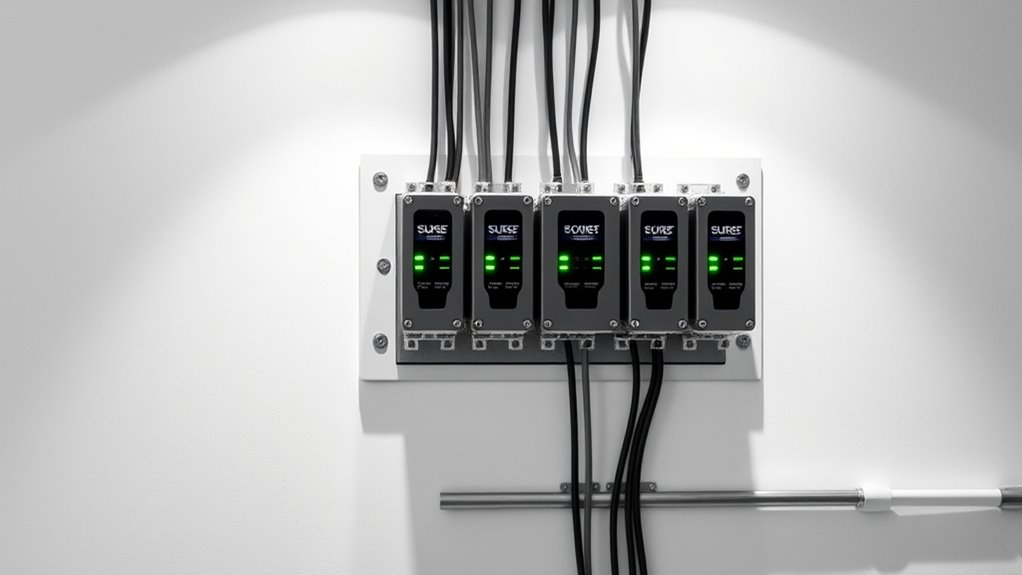
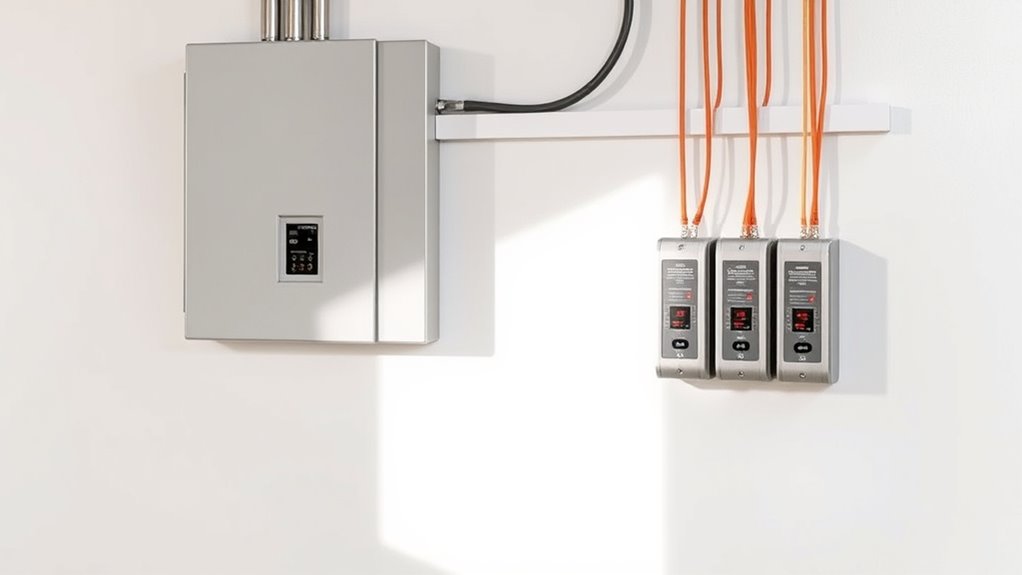
If you want to safeguard your entire home from unexpected power surges, installing a whole-house surge protector is one of the most effective solutions. This device is installed at your main electrical panel, acting as a barrier that diverts excess voltage before it reaches your appliances and electronics. The installation process for a whole-house surge protector is straightforward but requires careful attention. Typically, it involves turning off the main power, removing the panel cover, and connecting the surge protector to the breaker box. If you’re comfortable working with electrical systems, you might consider doing it yourself, but for safety reasons, many homeowners prefer hiring a licensed electrician. A professional ensures the device is properly installed, tested, and compliant with local electrical codes. The process usually takes a few hours, depending on your panel’s configuration and the surge protector model you choose.
When contemplating the installation process, think about accessibility and compatibility. Some models require specific breaker types, so verifying your electrical panel’s specifications beforehand helps streamline the setup. You’ll also need to think about whether you want a single, whole-house surge protector or multiple devices for different areas. Keep in mind that installing a surge protector isn’t a one-time task—periodic inspections guarantee it functions correctly over the years. Proper installation is vital because an improperly installed surge protector may not effectively divert surges or could even cause electrical issues. Regular maintenance and testing ensure your surge protector continues to provide optimal protection.
Cost considerations are another essential aspect. Whole-house surge protectors vary in price, typically ranging from around $50 for basic models to over $300 for high-end, advanced systems. In addition to the unit’s cost, you should factor in installation fees, which can range from $150 to $300 depending on your location and the complexity of the job. While the initial investment might seem significant, think of it as a small price compared to the potential damage caused by a power surge—damage that can cost hundreds or thousands to repair or replace. Some insurance policies even offer discounts if you’ve invested in surge protection, adding to the long-term savings. Understanding the electrical system’s capacity is crucial when selecting a surge protector to ensure it can handle your home’s power demands effectively.
When evaluating whether a whole-house surge protector is worth it, consider the peace of mind it provides. Protecting your home’s electrical system from surges caused by lightning strikes, grid fluctuations, or other disturbances can save you money and prevent damage to your valuable devices. While the upfront costs and installation might seem intimidating, the protection and convenience they offer often outweigh these considerations. Ultimately, this investment can be a smart move to secure your home’s electrical safety and guarantee your electronics stay protected for years to come.
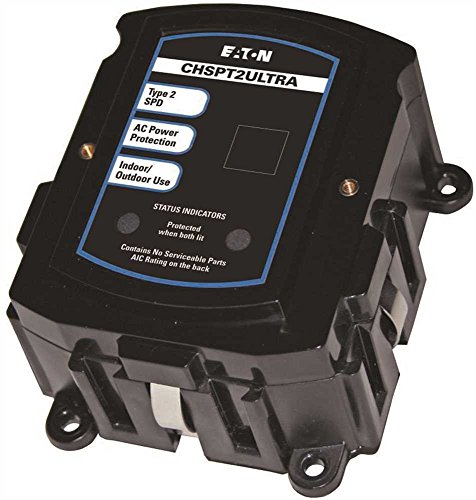
Eaton CHSPT2ULTRA Ultimate Surge Protection 3rd Edition, 2.38" Length, 5.25" Width 7.5" Height
Universally connects to any manufacturer’s load center (breaker box)
As an affiliate, we earn on qualifying purchases.
As an affiliate, we earn on qualifying purchases.
Frequently Asked Questions
How Do Whole-House Surge Protectors Differ From Basic Outlet Protectors?
Whole-house surge protectors differ from basic outlet protectors because they cover your entire electrical system, offering broader protection. While outlet protectors focus on individual outlets and can only handle small surges, whole-house systems block larger surges before they reach your devices. Surge protector types vary, but whole-house options are more extensive, addressing outlet protector limitations by safeguarding everything from appliances to electronics across your home efficiently.
What Is the Typical Lifespan of a Whole-House Surge Protector?
A typical surge protector lifespan is about 5 to 10 years, but regular surge protector maintenance can prolong this. To maximize its lifespan, check for signs of wear, keep it clean, and replace it as recommended by the manufacturer. Using lifespan extension methods like installing a whole-house surge protector and performing periodic testing ensures your system stays effective, protecting your home’s electrical devices longer.
Are There Specific Brands Known for Reliability?
If you’re considering brands, Eaton is a reliable choice, known for its strong reputation and solid warranty coverage. For example, a homeowner installed an Eaton surge protector and experienced minimal damage during a lightning storm, showcasing its durability. Eaton’s brand reputation and all-encompassing warranty give you confidence in its performance. You can trust that investing in a reputable brand like Eaton helps protect your home’s electrical system effectively.
Can a Whole-House Surge Protector Prevent All Power Surges?
A whole-house surge protector can’t prevent all power surges, especially from lightning strikes or major power grid issues. It acts as a first line of defense by blocking many surges before they reach your home’s wiring. However, extreme events like lightning can still cause surges that bypass the protector. To maximize protection, consider using additional point-of-use surge protectors on sensitive devices.
What Is the Cost Comparison Between Installation and Potential Repairs?
You’ll find that a cost analysis shows installing a whole-house surge protector costs less than frequent repair expenses caused by power surges. While the initial investment varies, it can save you money by preventing damage to appliances and electronics. Over time, the protection reduces repair expenses, making it a smart financial move. Considering both upfront costs and long-term savings, a surge protector is often a cost-effective choice for your home.
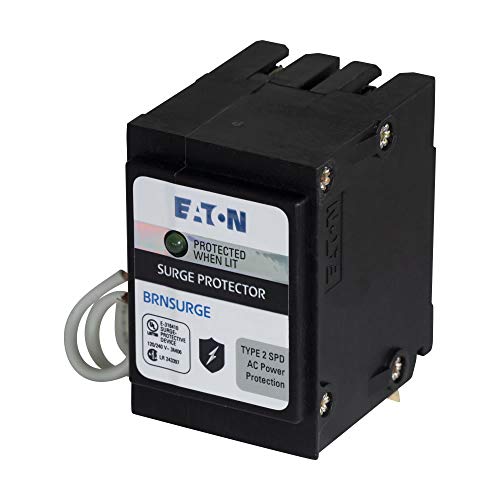
Eaton BRNSURGE Type BR Whole-Panel Circuit Breaker Surge Protective Device
Uses 2 Branch Circuit Spaces
As an affiliate, we earn on qualifying purchases.
As an affiliate, we earn on qualifying purchases.
Conclusion
Imagine flickering lights just as you plug in your new device—an everyday reminder of why whole-house surge protectors matter. When lightning strikes or power surges happen, these protectors act like a shield, often unnoticed until a storm hits. Investing in one is like installing a silent guardian for your home’s electronics. It’s a small step that could save you from unexpected damage, keeping your devices safe and your mind at ease—sometimes, coincidence is just good planning.

Square D HEPD80 Universal Whole House Surge Protection Device, 1-Phase, 3-Wire for 120/240V, 80kA
WHOLE HOME SURGE SUPPRESSOR: The Square D Whole Home Electronics Protective Device is a compact surge suppressor designed…
As an affiliate, we earn on qualifying purchases.
As an affiliate, we earn on qualifying purchases.
Eaton BRNSURGE Type BR Whole-Panel Circuit Breaker Surge Protective Device
Uses 2 Branch Circuit Spaces
As an affiliate, we earn on qualifying purchases.
As an affiliate, we earn on qualifying purchases.