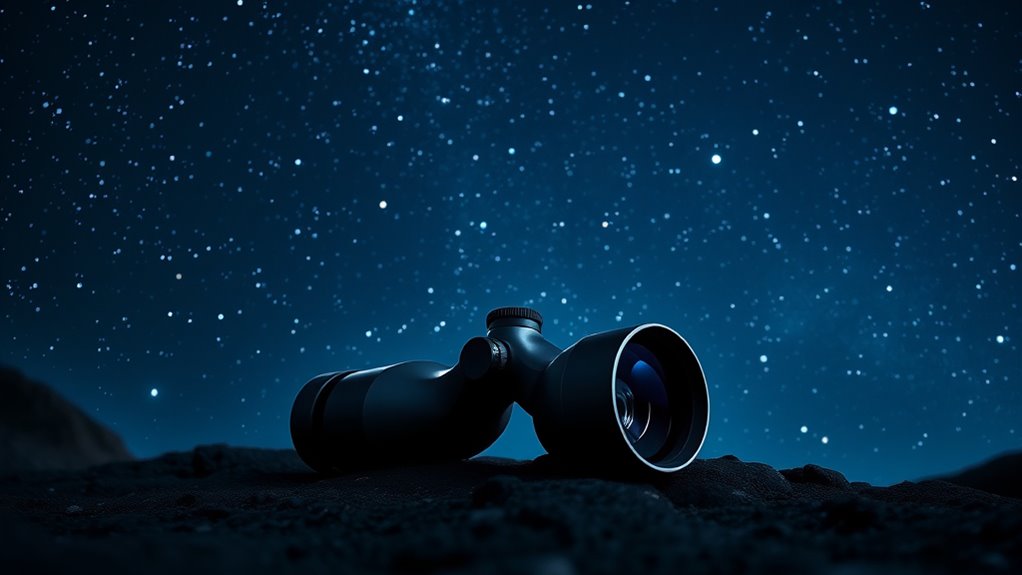

Finding the right binoculars for stargazing can significantly enhance your night sky experience. The 20×52 Binoculars for Adults High Powered stand out for their excellent magnification and brightness, making distant celestial objects clearer. The Celestron SkyMaster 15×70 offers a great balance of power and light-gathering ability for serious stargazers, while the Pentax SP 10×50 WP provides durability and versatility for both star watching and outdoor use. However, tradeoffs exist: higher magnification often means a heavier, bulkier instrument, and cheaper models may lack the clarity needed for detailed astronomy. Continue reading for a full breakdown of each option and how to choose the best binoculars for your stargazing needs.

Get everyday essentials delivered free — and shop member deals
- Fast, free delivery on millions of items
- Access to Prime Big Deal Days deals on October 6–7
- Prime Video, Amazon Music and more included
Key Takeaways
- Higher magnification (like 15x or 20x) enhances distant object detail but usually results in a heavier, less stable viewing experience.
- Larger objective lenses (70mm and above) gather more light, making them better suited for low-light conditions typical of stargazing.
- Build quality and waterproof features are essential for outdoor use, especially in variable weather conditions.
- Weight and size vary significantly, so consider portability if you plan to hike or travel with your binoculars.
- Optical quality, including coatings and glass type, directly impacts image clarity and brightness, especially at night.
| 20×52 Binoculars for Adults High Powered |  | Best Overall for Versatile Stargazing and Outdoor Use | Magnification: 20x | Objective Lens Diameter: 52mm | Field of View: 168 feet / 1000 yards | VIEW ON AMAZON | See Our Full Breakdown |
| Celestron SkyMaster 15×70 Astronomy Binoculars for Stargazing and Deep-Sky |  | Best for Deep-Sky and Long-Distance Astronomy | Magnification: 15x | Objective Lens Diameter: 70mm | Prism Type: BaK-4 | VIEW ON AMAZON | See Our Full Breakdown |
| Celestron Cometron 7x50mm Astronomy Binoculars |  | Best for Beginners and Versatile Day/Night Use | Magnification: 7x | Objective Lens Diameter: 50mm | Field of View: 6.6° | VIEW ON AMAZON | See Our Full Breakdown |
| Pentax SP 10×50 WP Binoculars for Star Watching and Bird Watching |  | Best for Low-Light Conditions and Durability | Objective Lens Diameter: 50mm | Magnification: 10x | Water Resistance: Waterproof | VIEW ON AMAZON | See Our Full Breakdown |
| SVBONY SV407 Astronomy Binoculars 2.1x42mm Wide Angle for Stargazing |  | Best Compact Wide-Angle Binoculars for Beginner and Casual Astronomy | Magnification: 2.1x | Objective Lens Diameter: 42mm | Field of View: 26 degrees | VIEW ON AMAZON | See Our Full Breakdown |
| Sogries 18×70 High Power Binoculars for Adults Professional Long Range |  | Best for Serious Stargazing and Long-Range Observation | Magnification: 18x | Objective Lens Diameter: 70mm | Build Material: Aircraft-grade aluminum | VIEW ON AMAZON | See Our Full Breakdown |
| 20×50 High Powered Binoculars for Adults |  | Best for Versatile Outdoor Use and Star Gazing in Well-Lit Conditions | Magnification: 20x | Objective Lens Diameter: 50mm | Eyepiece Diameter: 26mm | VIEW ON AMAZON | See Our Full Breakdown |
| 20×80 Astronomy Binoculars for Adults High Powered |  | Best for Low-Light and Deep-Sky Astronomy | Magnification: 20x | Objective Lens Diameter: 80mm | Eye Relief: 17mm | VIEW ON AMAZON | See Our Full Breakdown |
| Celestron UpClose G2 10×50 Porro Binoculars for Wildlife & Astronomy |  | Best for Versatile Outdoor Use and Beginners | Magnification: 10x | Objective Lens Diameter: 50mm | Water Resistance: Yes | VIEW ON AMAZON | See Our Full Breakdown |
| 20×50 High Powered Waterproof Binoculars for Adults, Compact and Low Light Vision |  | Best for Long-Distance Viewing and Outdoor Adventures | Magnification: 20x | Objective Lens Diameter: 50mm | Field of View: 168 yards at 1000 yards | VIEW ON AMAZON | See Our Full Breakdown |
| Celestron SkyMaster 25×70 Binoculars for Astronomy, Long-Range & Wildlife |  | Best for Serious Long-Distance Stargazing and Wildlife Observation | Magnification: 25x | Objective Lens Diameter: 70mm | Prism Type: BaK-4 | VIEW ON AMAZON | See Our Full Breakdown |
| binoculars for stargazing | Magnification | Objective Lens Diameter | Prism Type |
|---|---|---|---|
| 20×52 Binoculars for Adults Hi | 20x | 52mm | Roof Prism |
| Celestron SkyMaster 15×70 Astr | 15x | 70mm | BaK-4 |
| Celestron Cometron 7x50mm Astr | 7x | 50mm | — |
| Pentax SP 10×50 WP Binoculars | 10x | 50mm | Porro Prism |
| SVBONY SV407 Astronomy Binocul | 2.1x | 42mm | — |
| Sogries 18×70 High Power Binoc | 18x | 70mm | BAK4 Porro |
| 20×50 High Powered Binoculars | 20x | 50mm | — |
| 20×80 Astronomy Binoculars for | 20x | 80mm | — |
| Celestron UpClose G2 10×50 Por | 10x | 50mm | Porro |
| 20×50 High Powered Waterproof | 20x | 50mm | — |
| Celestron SkyMaster 25×70 Bino | 25x | 70mm | BaK-4 |
More Details on Our Top Picks
20×52 Binoculars for Adults High Powered
This model stands out for its impressive 20x magnification paired with a bright, 52mm objective lens, providing sharp images of stars and celestial objects. Compared with the Celestron Cometron 7×50, it offers higher magnification but at the expense of stability—requiring a tripod for extended viewing. The ergonomic design with non-slip grips ensures comfortable handling during outdoor excursions, making it ideal for serious stargazers who also wish to use binoculars for daytime activities. However, the lack of waterproofing and limited low-light performance mean it’s less suited for heavy rain or complete darkness without additional gear. Overall, this pick makes the most sense for those seeking a balance of power and versatility in a durable, portable package.
Pros:- High 20x magnification with bright, clear images
- Ergonomic, non-slip rubber coating for outdoor handling
- Easy to focus with adjustable center focus wheel
- Suitable for multiple outdoor activities
Cons:- Not waterproof, avoid heavy rain
- Requires a tripod for extended viewing sessions
- Limited low-light performance in total darkness
Best for: Amateur astronomers and outdoor enthusiasts who want high magnification with reliable handling in varied conditions
Not ideal for: Beginners or casual users who prefer lightweight, fully waterproof options or less demanding low-light performance
- Magnification:20x
- Objective Lens Diameter:52mm
- Field of View:168 feet / 1000 yards
- Prism Type:Roof Prism
- Water Resistance:Not water resistant
- Weight:2.18 lbs
Our verdict“This binoculars are best suited for experienced users seeking versatility and power for both stargazing and outdoor adventures.”
Celestron SkyMaster 15×70 Astronomy Binoculars for Stargazing and Deep-Sky
The Celestron SkyMaster 15×70 excels in providing bright, detailed images of distant celestial objects, making it a top choice for serious stargazing. Its 15x magnification, combined with large 70mm objectives, surpasses the 20×52 model in light-gathering capability, offering clearer views of nebulae and galaxies—especially when mounted on a tripod. Unlike the SVBONY SV407, which has broader appeal due to its low magnification, the SkyMaster’s higher quality optics and water resistance make it more durable for outdoor astronomy sessions. The heavier weight and size mean it’s less portable but preferable for those who prioritize image quality and stability. If you’re committed to deep-sky viewing, this model provides unmatched detail, provided you can handle its bulk.
Pros:- Bright, detailed images with high magnification
- Water-resistant and durable construction
- Compatible with tripods for stable viewing
- Includes lifetime warranty and expert support
Cons:- Heavy and large, less portable for field use
- Requires tripod for extended sessions
- Price not specified, potentially higher for beginners
Best for: Experienced stargazers and astrophotographers seeking detailed views of deep-sky objects with tripod support
Not ideal for: Casual users or beginners who prefer lighter, handheld options with lower magnification
- Magnification:15x
- Objective Lens Diameter:70mm
- Prism Type:BaK-4
- Water-Resistant:Yes
- Tripod Mount:Yes
- Weight:3.5 lbs
Our verdict“This binocular is perfect for serious astronomy enthusiasts ready to invest in deep-sky observation with a stable setup.”
Celestron Cometron 7x50mm Astronomy Binoculars
The Celestron Cometron 7×50 offers an accessible entry point into astronomy, combining large 50mm objectives with 7x magnification for bright, wide views of stars and planets. Compared to the higher-power options like the 20×52 Binoculars, its lower magnification provides a steadier image, ideal for those new to stargazing who might struggle with hand-shake at higher zoom levels. Its multi-coated lenses enhance brightness, and the tripod adapter allows for stable long-term viewing. While it’s bulkier and less portable than compact models like the SVBONY SV407, this binocular strikes a balance between ease of use and optical performance. It’s a solid choice for beginners who want a straightforward, affordable tool for both day and night exploration.
Pros:- Easy to operate for beginners
- Bright, detailed images with multi-coated optics
- Versatile for day and night use
- Tripod adapter included
Cons:- Tripod adapter not included in the package
- Bulkier size may reduce portability
- Lower magnification limits detailed astronomical viewing
Best for: Beginners and casual stargazers seeking an easy-to-use, versatile binocular with good light gathering
Not ideal for: Advanced astronomers or users wanting high magnification for detailed celestial studies
- Magnification:7x
- Objective Lens Diameter:50mm
- Field of View:6.6°
- Close Focus:26.2 feet
- Tripod Mount:Yes
Our verdict“This binocular is an excellent starting point for newcomers seeking a reliable, multi-purpose tool for stargazing and outdoor viewing.”
Pentax SP 10×50 WP Binoculars for Star Watching and Bird Watching
The Pentax SP 10×50 WP offers a compelling combination of brightness and ruggedness, making it suitable for outdoor star gazing in challenging conditions. Its 10x magnification and large 50mm lenses gather ample light, producing crisp images even in twilight or overcast skies—something the 20×52 Binoculars struggle with in low-light. The waterproof, nitrogen-filled construction ensures durability against weather, which is essential for outdoor astronomy. Compared to the lightweight, compact SVBONY SV407, it’s heavier but more capable in adverse conditions. Manual focus may require some adjustment, and its weight could be a drawback for prolonged handheld use. But for outdoor enthusiasts who prioritize durability and low-light performance, this model is highly suitable.
Pros:- Bright, crisp images in low light
- Waterproof and nitrogen-filled for durability
- Large 50mm objective lenses for maximum light intake
- Suitable for star and bird watching
Cons:- Relatively heavy over 2 pounds
- Manual focus may need fine-tuning
- No mention of tripod included or compatible
Best for: Outdoor lovers who want rugged, waterproof binoculars for star watching in less-than-ideal weather
Not ideal for: Those seeking ultra-light, portable binoculars for quick, casual stargazing sessions
- Objective Lens Diameter:50mm
- Magnification:10x
- Water Resistance:Waterproof
- Prism Type:Porro Prism
- Focus Type:Center Focus
- Weight:2.34 lbs
Our verdict“This binocular is ideal for outdoor enthusiasts who need rugged, low-light capable optics for serious star watching and weather resilience.”
SVBONY SV407 Astronomy Binoculars 2.1x42mm Wide Angle for Stargazing
The SVBONY SV407 offers a very different approach with its ultra-wide 26-degree field of view and 2.1x magnification, making it perfect for wide sky scans and constellation mapping. Compared to higher-power options like the 20×52 Binoculars, it provides a more immersive experience, especially suited for beginners or casual viewers. The FMC coating ensures bright, clear images, and its compact size makes it highly portable. While it lacks the detail for deep-sky objects, its ease of use and broad field make it appealing for quick, wide-area observations. However, the low magnification limits detailed viewing, and focusing may take some getting used to. This is a great choice for those who value a wide perspective over high zoom.
Pros:- Wide 26-degree field of view for extensive sky coverage
- Bright, clear images with FMC coating
- Compact and lightweight for portability
- Includes filter thread for additional viewing options
Cons:- Limited magnification for detailed views
- Focusing may require practice
- Not suitable for high-magnification astronomy
Best for: Casual astronomers and stargazing newcomers who want a portable, easy-to-use wide-angle option
Not ideal for: Advanced users needing high magnification for detailed celestial objects
- Magnification:2.1x
- Objective Lens Diameter:42mm
- Field of View:26 degrees
- Minimum Focusing Distance:1 meter
- Filter Thread:2-inch
Our verdict“This binocular is perfect for beginners and casual star gazers who prefer a broad, immersive sky view without complex setups.”
Sogries 18×70 High Power Binoculars for Adults Professional Long Range
This pair stands out for its impressive 18x magnification paired with a substantial 70mm objective lens, delivering exceptionally bright and detailed images. Compared to the 20×80 astronomy binoculars, the Sogries 18×70 offers a slightly more manageable size while still providing high-quality long-distance views. Its fully multi-coated optics maximize light transmission, making it ideal for low-light celestial viewing. However, at 2.4 kg, it’s quite heavy and bulky, requiring a tripod for stable viewing—something that might deter casual users. The durable aircraft-grade aluminum build ensures longevity in harsh conditions, making it suitable for outdoor stargazing sessions. Still, the need for a separate tripod adapter adds an extra step for setup. This pick makes the most sense for dedicated astronomers or outdoor enthusiasts who prioritize high magnification and brightness over portability.
Pros:- High 18x magnification with large 70mm aperture for bright, detailed images
- Durable construction with aircraft-grade aluminum for outdoor durability
- Long eye relief and eyeglass friendliness for comfortable extended viewing
Cons:- Heavy and bulky, requiring a tripod for steady viewing
- Tripod adapter sold separately adds to setup complexity
Best for: Amateur astronomers and wildlife observers who want high power and clarity for long-range viewing
Not ideal for: Casual stargazers or travelers seeking lightweight, easy-to-carry binoculars for quick use
- Magnification:18x
- Objective Lens Diameter:70mm
- Build Material:Aircraft-grade aluminum
- Prism Type:BAK4 Porro
- Lens Coating:Fully Multi-Coated (FMC)
- Eye Relief:Long eye relief
Our verdict“Best suited for serious stargazers who need high magnification and brightness, and are willing to use a tripod for stability.”
20×50 High Powered Binoculars for Adults
The 20×50 binoculars strike a balance between power and portability, offering excellent brightness and clarity for both terrestrial and celestial observations. Compared with the 18×70 Sogries, it’s more compact and easier to handle, making it suitable for prolonged use without a tripod. Its waterproof and fog-resistant design enhances durability in outdoor environments, though it’s less effective in very low-light conditions typical of deep night sky viewing. The ergonomic design reduces fatigue during extended sessions, and the included accessories add value. However, it’s not ideal for total darkness or very distant stars, where higher magnification or larger lenses would excel. This model appeals to outdoor enthusiasts who want decent long-distance viewing with ease of use and weather resistance.
Pros:- High 20x magnification with 50mm objective for bright, sharp images
- Waterproof and fog-resistant for outdoor resilience
- Ergonomic design reduces eye fatigue during extended use
Cons:- Less suitable for very low-light or deep-sky viewing
- Bulkier than compact binoculars, less portable for travel
Best for: Hikers, birdwatchers, and casual stargazers who need a versatile, durable binocular for varied outdoor activities
Not ideal for: Dedicated astronomers seeking maximum magnification or low-light performance for deep-sky objects
- Magnification:20x
- Objective Lens Diameter:50mm
- Eyepiece Diameter:26mm
- Water Resistance:Yes
- Fog Resistant:Yes
- Prisms:BAK4 Porro
Our verdict“A reliable choice for outdoor enthusiasts who want versatile, weatherproof binoculars with respectable magnification.”
20×80 Astronomy Binoculars for Adults High Powered
The 20×80 astronomy binoculars excel at celestial observation thanks to their large 80mm lenses and high 20x magnification, providing bright, detailed images even under low-light conditions. Compared to the 20×50 models, these binoculars deliver superior light gathering capability, making them the ideal choice for serious astronomers wanting to explore deep-sky objects. The inclusion of a tripod mount ensures stability during long viewing sessions, and their waterproof, shock-resistant design adds outdoor resilience. The heavier weight of over 2 kg, however, makes them less suitable for prolonged handheld use, and setup time increases with tripod mounting. Limited eye relief might also pose issues for eyeglass wearers. This model suits dedicated stargazers who prioritize brightness and detail over portability.
Pros:- Large 80mm lenses for superior light collection
- High 20x magnification for detailed celestial views
- Includes tripod mount for stable, long-duration viewing
- Waterproof and shock-resistant for outdoor use
Cons:- Relatively heavy at over 2 kg, less portable
- Limited eye relief for eyeglass wearers
Best for: Deep-sky astronomers and serious stargazers seeking maximum brightness and detail in celestial viewing
Not ideal for: Casual night sky observers or travelers who need lightweight, portable binoculars
- Magnification:20x
- Objective Lens Diameter:80mm
- Eye Relief:17mm
- Exit-Pupil Diameter:4mm
- Focus Type:Center Focus
- Water Resistance:Waterproof
Our verdict“Perfect for dedicated astronomers who want high brightness and magnification for celestial exploration, and don’t mind the weight.”
Celestron UpClose G2 10×50 Porro Binoculars for Wildlife & Astronomy
The Celestron UpClose G2 10×50 offers a balanced mix of power and ease of use, making it a solid choice for newcomers and casual observers. Its 10x magnification, combined with 50mm lenses, provides bright images suitable for general wildlife viewing and basic stargazing. Compared to higher-magnification models like the 20×50 or 20×80, it’s more forgiving for handheld use and easier to focus, especially for beginners. The multi-coated BK-7 prisms enhance contrast and brightness, while the waterproof and durable body withstands outdoor conditions. However, the lower 10x magnification limits the ability to resolve distant celestial objects compared to more powerful options. It’s best for those starting out or seeking a versatile, reliable binocular for multiple outdoor activities.
Pros:- Bright, sharp images with high contrast
- Water-resistant and durable for outdoor use
- Ergonomic design with included accessories
Cons:- Limited magnification for distant celestial objects
- Bulkier size may be less convenient for travel
Best for: Beginners and casual outdoor enthusiasts wanting an easy-to-handle binocular for both wildlife and star watching
Not ideal for: Experienced astronomers or users seeking the highest magnification and detail for deep-sky viewing
- Magnification:10x
- Objective Lens Diameter:50mm
- Water Resistance:Yes
- Prism Type:Porro
- Coating:Multi-coated BK-7
- Body Material:Rubber-covered aluminum
Our verdict“A versatile and user-friendly binocular ideal for beginners and outdoor enthusiasts seeking reliable performance in various conditions.”
20×50 High Powered Waterproof Binoculars for Adults, Compact and Low Light Vision
The 20×50 waterproof binoculars prioritize high magnification and ruggedness, making them suitable for long-distance observation during outdoor activities like birding and hunting. Their 50mm lenses gather enough light for clear images in moderate lighting, but they’re less effective in very low-light conditions typical of deep night sky viewing. Compared with the 20×80 astronomy models, these binoculars are more compact and lightweight, offering easier handling during extended outdoor use. The impact-resistant design ensures durability, while the 20x power provides impressive reach. However, at around 850 grams, they can be tiring to hold steady over long periods without a tripod. They are ideal for outdoor enthusiasts who need a tough, high-powered binocular that’s easy to carry.
Pros:- High 20x magnification for long-distance viewing
- Waterproof and impact-resistant for rugged outdoor use
- Ergonomic, lightweight design for easy handling
Cons:- Not suitable for prolonged handheld viewing without stabilization
- Limited low-light capability for deep-sky observation
Best for: Hikers, hunters, and outdoor adventurers needing a durable, high-power binocular for long-range observation
Not ideal for: Serious astronomers or deep-sky observers who require larger lenses and lower-light performance
- Magnification:20x
- Objective Lens Diameter:50mm
- Field of View:168 yards at 1000 yards
- Eyepiece Diameter:26mm
- Waterproof:Yes
- Focus Type:Center focus
Our verdict“A strong choice for outdoor explorers who prioritize durability and long-range viewing, with a caveat on weight for handheld use.”
Celestron SkyMaster 25×70 Binoculars for Astronomy, Long-Range & Wildlife
The Celestron SkyMaster 25×70 stands out for its impressive high magnification, making it ideal for detailed views of planets, stars, and distant wildlife. Compared with the SkyMaster 15×70, the 25×70 offers more detailed images, but this comes with increased weight and a need for a sturdy tripod—something consumers should be aware of, as it’s less portable for quick setups. The large 70mm objectives gather more light, resulting in brighter, clearer images in low-light conditions, which is essential for quality stargazing. Water resistance and a rugged rubber exterior add durability, but the heft makes extended handheld use impractical without support. This model is better suited for dedicated stargazers and wildlife enthusiasts willing to invest in a tripod, rather than casual observers or those seeking lightweight optics. While other options like the 20×50 high-powered binoculars are more portable, they lack the long-distance detail and low-light performance of the SkyMaster 25×70. Overall, this pick makes the most sense for serious users who prioritize detailed, stable views over portability and ease of use.
Pros:- High 25x magnification provides detailed views of distant objects
- Bright optics with large 70mm objectives enhance low-light performance
- Water-resistant and rugged build for outdoor durability
- Tripod compatibility for steady, shake-free viewing
Cons:- Heavy and large, making handheld use tiring for extended periods
- Tripod required for optimal viewing, adding setup complexity
- Less portable compared to smaller, lower-magnification options
Best for: Astronomy enthusiasts and wildlife observers who need high magnification and brightness for long-distance viewing and are ready to use a tripod.
Not ideal for: Casual stargazers or hikers seeking lightweight, portable binoculars for quick glimpses without the need for tripods.
- Magnification:25x
- Objective Lens Diameter:70mm
- Prism Type:BaK-4
- Water-Resistant:Yes
- Tripod Mount:¼”-20 adapter included
- Weight:Approximately 3.3 lbs (1500g)
- Field of View:Approx. 105 ft at 1000 yards
- Eye Relief:17mm
Our verdict“This binocular is best suited for committed astronomers and wildlife enthusiasts who prioritize high detail and brightness over portability.”

How We Picked
These binoculars were selected based on a combination of optical performance, build quality, ease of use, and value for money. I evaluated each model’s magnification, lens size, light-gathering capability, and durability, considering how these factors influence stargazing performance. Additional emphasis was placed on user reviews and expert opinions to ensure real-world reliability. The ranking reflects a balance between affordability and optical excellence, prioritizing models that offer clear, bright images in low-light conditions while remaining manageable in weight and size for typical stargazers.| binoculars for stargazing | Prism Type |
|---|---|
| 20×52 Binoculars for Adults Hi | Roof Prism |
| Celestron SkyMaster 15×70 Astr | BaK-4 |
| Celestron Cometron 7x50mm Astr | — |
| Pentax SP 10×50 WP Binoculars | Porro Prism |
| SVBONY SV407 Astronomy Binocul | — |
| Sogries 18×70 High Power Binoc | BAK4 Porro |
| 20×50 High Powered Binoculars | — |
| 20×80 Astronomy Binoculars for | — |
| Celestron UpClose G2 10×50 Por | Porro |
| 20×50 High Powered Waterproof | — |
| Celestron SkyMaster 25×70 Bino | BaK-4 |
Factors to Consider When Choosing Binoculars For Stargazing
Choosing the right binoculars for stargazing involves more than just picking the highest magnification. Several key factors influence how enjoyable and effective your stargazing experience will be, from optical quality to portability. Understanding these considerations helps avoid common pitfalls, such as opting for overly heavy models or those with inferior lenses, which can result in dim, blurry images. Here are the main factors to keep in mind:Magnification and Objective Lens Size
Magnification determines how large celestial objects appear, but higher isn’t always better. For stargazing, 10x to 20x magnification strikes a good balance, providing detailed views without excessive weight or shaking. The objective lens size, measured in millimeters, impacts light collection; larger lenses (70mm or more) gather more light, resulting in brighter images of stars and planets. However, bigger lenses also mean increased weight and bulk, so consider your ability to handle larger instruments for extended viewing sessions.
Optical Quality and Coatings
Optical quality directly influences image brightness, clarity, and contrast. Look for binoculars with fully multi-coated lenses, which maximize light transmission and reduce glare—crucial for low-light conditions like night sky viewing. Glass type also matters; ED (extra-low dispersion) glass minimizes chromatic aberration, providing sharper images. Cheaper models with inferior coatings may produce dull or blurry views, so investing in quality optics pays off during late-night sessions.
Size, Weight, and Portability
Portability is often overlooked but vital if you plan to carry your binoculars to remote locations or hikes. Larger models with big objective lenses tend to be heavier and bulkier, which can cause fatigue over extended use. Compact or mid-sized binoculars are easier to handle but may sacrifice some light-gathering ability. Think about your typical use—if you’re traveling, lighter and more compact models may be preferable; for stationary stargazing, weight might be less of an issue.
Durability and Weather Resistance
Stargazing often involves outdoor environments with varying weather conditions. Waterproof and fog-proof binoculars with rubber armor provide durability and better grip, which helps protect delicate optics from moisture and dirt. While these features may add to the cost, they extend the lifespan of your investment and ensure clear views even in damp or cold conditions. Cheaper, non-resistant models might fog up or get damaged more easily, especially after exposure to dew or rain.
Ease of Use and Stability
Magnification at higher levels can make the image harder to stabilize, resulting in shaky views. Tripod adapters are helpful for long sessions and high-magnification models, reducing fatigue and providing steadier images. Additionally, ergonomic design and comfortable eye relief are important for prolonged use. Beginners often underestimate the importance of these factors, leading to frustration and less enjoyable stargazing. Balancing magnification with ease of handling is key to a satisfying experience.
Frequently Asked Questions
Can I use regular daytime binoculars for stargazing?
While many daytime binoculars can be used for stargazing, models with larger objective lenses (around 50mm or more) perform better in low-light conditions. Daytime binoculars often have lower magnification and less suitable coatings for night viewing, which can result in dim or blurry images. For optimal stargazing, choosing binoculars specifically designed for astronomy ensures brighter, clearer views of celestial objects.
Is higher magnification always better for stargazing?
Not necessarily. Higher magnification provides more detail but also introduces more shake and reduces brightness. For many users, 10x to 15x offers a sweet spot—enough magnification to see planets and star clusters clearly without sacrificing stability or brightness. Extremely high magnifications (above 20x) often require tripod stabilization, which can be inconvenient for casual observers. Balance your desire for detail with ease of use and stability.
Should I prioritize waterproof features for stargazing binoculars?
Yes, especially if you plan to observe outdoors in conditions where dew, rain, or humidity are factors. Waterproof and fog-proof binoculars maintain clear optics even in damp environments, preventing internal fogging that can ruin views. While these features may increase the cost, they add durability and reliability, making them worth considering for serious or frequent stargazing sessions in variable weather.
How important is weight when choosing binoculars for stargazing?
Weight is a critical consideration, particularly if you plan to hike or carry your binoculars over long distances. Heavier models with large lenses provide better light gathering but can cause fatigue during extended use. For casual or stationary stargazing, weight may be less of an issue, and larger models can be used comfortably. If portability is a priority, look for mid-sized or compact options that still offer good optical performance.
Do I need a tripod for high-magnification binoculars?
High-magnification binoculars, such as those above 15x, often benefit from tripod support to reduce shaky images. Hand-holding these can be frustrating, especially in low-light conditions where stability is key. Tripod adapters are usually compatible with larger models, allowing you to enjoy steadier, sharper views of planets, star clusters, and other celestial objects. Investing in a tripod or mount can significantly enhance your stargazing experience with high-power binoculars.
Conclusion
For casual observers or beginners, the Pentax SP 10×50 WP offers a durable, easy-to-handle option that balances size and brightness. Serious stargazers aiming for detailed views might prefer the Celestron SkyMaster 15×70 for its superior light-gathering ability, despite its weight. Those seeking premium quality and maximum performance should consider high-end models with ED glass and waterproofing, like the Sogries 18×70 High Power Binoculars. Budget-conscious buyers will find good value in mid-range options, but investing a bit more often yields significantly better night-sky images. Ultimately, your choice depends on whether portability, optical quality, or durability is your priority—each factor shaping the best fit for your stargazing pursuits.
As an affiliate, we earn on qualifying purchases.Fall Picks
fall essentials