To manage tangled cords and create a neat home setup, start by evaluating which cables need organization. Use wire organizers or cable clips to keep cords bundled and routed neatly. Protect high-traffic cables with cord protectors to prevent wear and reduce tripping hazards. Label your cords for easy identification and re-evaluate your setup regularly to maintain order. Keep your workspace safe and clutter-free — discover more tips to perfect your cable management.
Key Takeaways
- Assess your workspace to identify and prioritize cables needing organization.
- Use cable clips or zip ties to secure loose cords without over-tightening.
- Route cables through wire organizers to keep them neat and prevent tangling.
- Apply cord protectors in high-traffic areas to shield cables from wear and tear.
- Label cords for easy identification, troubleshooting, and efficient device management.

Keeping your cables organized can considerably improve your workspace’s safety and efficiency. When cords are cluttered or tangled, it’s not just unsightly—it’s also a hazard. Tripping over loose wires or accidentally yanking a device off the desk can cause injuries or equipment damage. A straightforward way to prevent this is by investing in a good wire organizer. These devices help keep cords neatly bundled and out of the way, making your workspace look cleaner and reducing the risk of accidents. Using a wire organizer, you can categorize your cables, label them for easy identification, and prevent them from intertwining. It’s a simple step that makes a big difference in maintaining order and safety.
Keeping cables tidy boosts workspace safety and efficiency, preventing hazards and making equipment management easier.
Alongside a wire organizer, a cord protector is a valuable tool for managing cables effectively. A cord protector is designed to shield your cords from wear and tear, especially in high-traffic areas or places where cords run along the floor. It prevents damage caused by foot traffic, furniture movement, or pets. Installing a cord protector over your cables not only prolongs their lifespan but also minimizes trip hazards. Plus, it creates a smooth surface that’s easier to clean and maintain. Whether you’re working at a desk or setting up entertainment equipment, a cord protector helps keep your cables contained and protected, making your setup safer and more durable. Proper navigation and mapping of your cables ensures you can easily access and troubleshoot your setup when needed.
To optimize the benefits of these tools, start by evaluating your space and identifying the cables that need organizing. Gather your wire organizer and cord protector, then route your cables through the organizer to keep them grouped and tidy. Use the cord protector to cover any runs along the floor or high-traffic areas. Secure loose ends with cable clips or zip ties, but don’t tighten them too much—you want to avoid damaging the cables. Label your cords with tags or markers so you can easily identify which cable belongs to which device. This not only saves time when troubleshooting but also prevents unnecessary unplugging or replugging.
Regularly check your cable management system to guarantee everything remains in place. Over time, cords can shift or loosen, so re-evaluate and readjust as needed. Incorporating a wire organizer and cord protector into your setup isn’t just about aesthetics; it’s about creating a safer, more functional workspace. With these simple tools, you’ll prevent tangles, reduce hazards, and enjoy a more organized environment that boosts productivity and peace of mind.
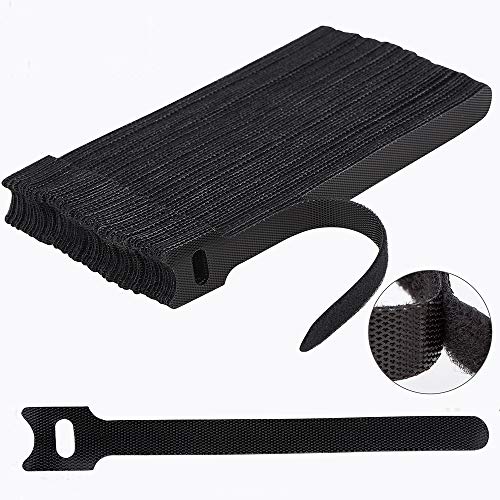
Nettbe 60 PCS 6 Inches Reusable Cable Ties, Adjustable Cord Straps Wire Organizer Cord Wrap and Hook Loop Cable Management
Reusable cable ties are made from premium nylon adhesive materials can be environmentally used multiple times
As an affiliate, we earn on qualifying purchases.
As an affiliate, we earn on qualifying purchases.
Frequently Asked Questions
What Are the Best Tools for Cable Management?
The best tools for cable management are cable ties and Velcro straps. They help you bundle cords neatly and keep them secure, preventing tangles and clutter. You can easily adjust Velcro straps if you need to add or remove cables, making your setup flexible. Use cable ties for permanent fixes, and Velcro straps for a tidy, adjustable solution. These tools make maintaining an organized, clutter-free space simple and efficient.
How Often Should I Organize My Cables?
You should organize your cables every few months, or when your living room turns into a spaghetti factory. Regularly update your cable labeling and practice cord slack management to prevent chaos. If you ignore this, you’ll spend more time untangling cords than enjoying your devices. Make it a habit to revisit your setup so your cables stay neat, functional, and less likely to cause a tripping hazard or a mini art installation.
Can Cable Management Improve Device Longevity?
Yes, cable management can improve device longevity by protecting cables from damage, reducing wear and tear. When you organize your cables, you prevent unnecessary bending, twisting, or pulling, which boosts their durability. Proper cable management also minimizes electrical interference, helping your equipment perform better and last longer. By keeping cables neat and secure, you enhance cable durability and extend your equipment lifespan, saving you money and hassle in the long run.
Are There Eco-Friendly Cable Management Options?
Did you know that over 300 million pounds of e-waste are generated globally each year? Eco-friendly cable management options include using recyclable materials and biodegradable products, which reduce environmental impact. You can choose cable sleeves made from recycled plastics or biodegradable wraps to keep cords neat while supporting sustainability. These eco-conscious choices help minimize waste and promote a greener future for your home setup and the planet.
How Do I Hide Cables Behind Furniture?
You can hide cables behind furniture by using concealed wiring methods that run through the back of your pieces. Choose furniture with built-in cable management features or create a custom integration by drilling discreet holes for cords. Use cable clips or sleeves to keep wires organized and out of sight. This way, your cables stay neatly tucked away, maintaining a clean look while preventing tripping hazards.

50Pcs Adhesive Cable Management Clips with 50Pcs Zip Ties, Adjustable Nylon Cable Strap Ties Wire Clips Clamps Organizer with Strong Adhesive Tape, Extra Screw & Hole – 3.35 Inch Black
【NEAT CABLE MANAGEMENT】- The self adhesive cable strap tie is made with the concept of adjustable zipper design,…
As an affiliate, we earn on qualifying purchases.
As an affiliate, we earn on qualifying purchases.
Conclusion
So, there you have it—your ultimate guide to conquering untamed cables and transforming your chaos into calm. With these tips, you’ll be the envy of every tech enthusiast and the hero of your own cluttered universe. Who knew that a little patience and some clever tricks could turn your tangled mess into a sleek masterpiece? Now go forth, tame those cords, and enjoy the sweet victory of a neater, more organized home—your cables will thank you.

VEVOR 3 PCs Drop Over Cable Cover Ramp, 2,000 lbs/axle Load Capacity, Heavy Duty Cable Hose Protector Ramp, Floor Cord Cover for High Walking Traffic Areas Indoor Outdoor Home Office Warehouse School
Well Designed 3 Pack 1 Channel: Are you tired of tangled wires? Well, get ready to prevent an…
As an affiliate, we earn on qualifying purchases.
As an affiliate, we earn on qualifying purchases.

fernfern 40 Pcs Cable Labels, Write On Cord Labels Tags for Electronics,Cable and Wire Tags,Reusable Large Size Plastic Velcro Label for Charging Cords Management and Identification (8 Colors)
Cable Managerment: Tired of tangled cables and afraid of pulling the wrong plug? Try these Cable Labels –…
As an affiliate, we earn on qualifying purchases.
As an affiliate, we earn on qualifying purchases.