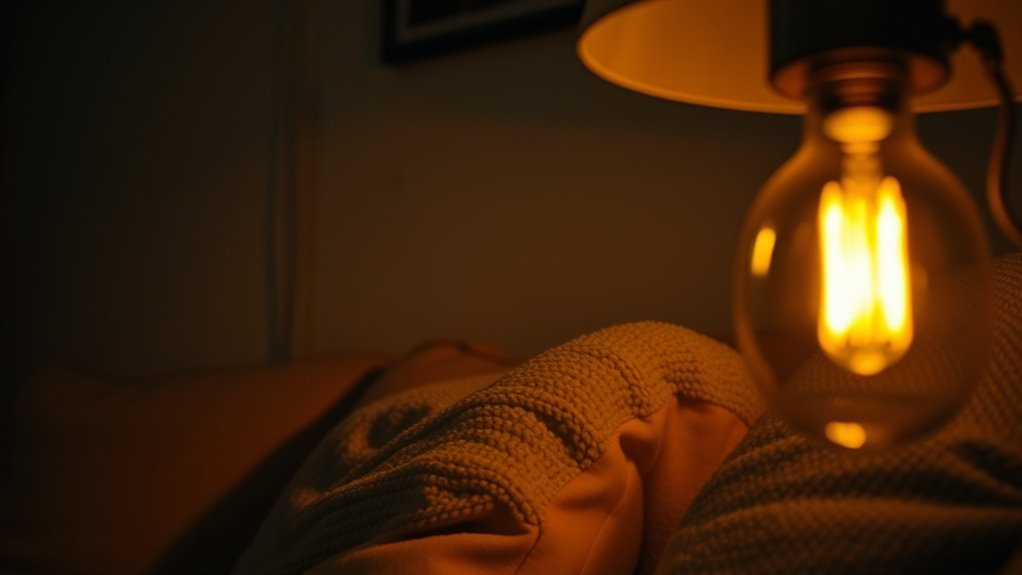
If your lights flicker at home, it could mean a loose bulb, faulty wiring, or overloaded circuits. Voltage fluctuations from your power grid or incompatible switches, like dimmers, may also cause this issue. It’s important to address these signs promptly to prevent safety hazards such as fires or shocks. Regular inspections and professional repairs can help keep your electrical system safe and reliable. Keep exploring to learn how to fix and prevent flickering effectively.
Key Takeaways
- Flickering lights often indicate loose wiring, bulb issues, or voltage fluctuations needing inspection.
- Replacing old bulbs and ensuring tight connections can often resolve flickering.
- Persistent flickering may signal faulty switches, fixtures, or overloaded circuits requiring professional repair.
- External factors like power grid fluctuations can cause flickering; installing surge protectors can help stabilize voltage.
- Addressing flickering promptly prevents fire hazards, electrical shocks, and extends the lifespan of your electrical components.

Flickering lights at home can be more than just a minor annoyance; they often signal underlying electrical issues that need attention. When your lights flicker unexpectedly, it’s a sign that something isn’t quite right with your electrical system. Ignoring these signs can compromise electrical safety and potentially lead to more serious problems down the line. One common cause of flickering lights is a bulb nearing the end of its lifespan. Over time, bulbs can become loose, damaged, or simply lose their efficiency, causing intermittent flickering. Replacing old bulbs with new, high-quality ones can often resolve this issue and improve overall lighting stability. However, if flickering persists despite changing the bulbs, it’s time to look deeper into your electrical system.
Flickering lights often signal underlying electrical issues that need prompt attention for safety and reliability.
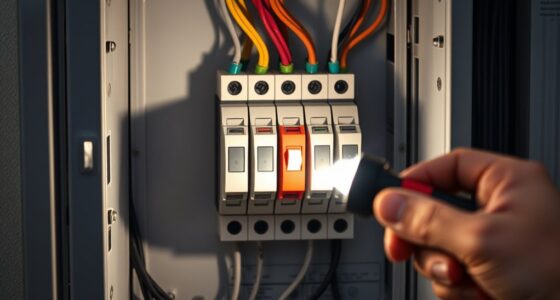
Loose or faulty wiring is another significant culprit behind flickering lights. When wires aren’t securely connected, the electrical current may fluctuate, leading to inconsistent lighting. This is particularly dangerous because faulty wiring can pose fire hazards or cause electrical shocks. It’s essential to have a qualified electrician inspect and repair any wiring issues to guarantee your home is safe. Additionally, flickering lights can be caused by overloaded circuits. If too many appliances or devices draw power from the same circuit, it can cause voltage fluctuations, resulting in flickering. Distributing the load more evenly or upgrading your circuit breakers can help stabilize the voltage and eliminate flickering. Regular maintenance and inspections can help identify potential electrical hazards, preventing costly repairs and improving home safety. Addressing these issues early can also help prevent damage to electrical components****, which could lead to more extensive repairs later.
Voltage fluctuations from the power grid itself can also affect your lights. If your utility company’s supply is inconsistent, you might notice flickering even if your home’s wiring is in good condition. In such cases, installing a voltage regulator or surge protector can help buffer these fluctuations and protect your electrical devices. It’s also important to understand electrical safety and how to identify signs of potential hazards before they become serious. Keep in mind that persistent flickering could also indicate a failing fixture or switch, which might need replacement. Sometimes, the issue is as simple as a faulty dimmer switch incompatible with certain bulbs, especially LED or CFL types. Understanding home electrical systems and their proper maintenance can help you prevent flickering caused by incompatible components.
Addressing flickering lights promptly is vital for maintaining electrical safety. Not only does it prevent potential fire hazards, but it also extends the lifespan of your bulbs and electrical components. Regularly inspecting your lighting fixtures, replacing worn-out bulbs, and scheduling professional electrical inspections can keep your home safe and well-lit. Remember, flickering lights shouldn’t be ignored—by taking proactive steps, you can guarantee your electrical system runs smoothly and safely for years to come. Proper home electrical maintenance is essential to prevent hazards and ensure reliable lighting.
Frequently Asked Questions
Can Flickering Lights Indicate an Upcoming Power Outage?
Flickering lights can sometimes signal an upcoming power outage warning, but they’re more often electrical system indicators of issues like loose wiring or overloaded circuits. You should pay attention to patterns and other signs, like dimming or circuit breaker trips. If you notice persistent flickering, it’s best to contact an electrician to check your electrical system, as addressing issues early can prevent a potential power outage and secure your home’s safety.
Are Flickering Lights Common in Older Homes?
Think of your old home like a vintage car—it sometimes sputters. Flickering lights are common in older homes due to wiring issues or incompatible bulbs. Over time, wiring can degrade, causing inconsistent power flow, and outdated fixtures may struggle with modern bulbs. If you notice frequent flickering, it’s wise to have an electrician check your wiring and confirm your bulbs are compatible, preventing further electrical problems.
How Can I Tell if the Flickering Is Electrical or Bulb-Related?
You can tell if the flickering is electrical or bulb-related by first replacing the bulb with a new one to see if the issue persists. If the flickering continues, it might be wiring issues or an electrical problem. Check the bulb’s lifespan; if it’s old or nearing the end, a new bulb could fix the issue. Persistent flickering despite a new bulb suggests you should consult an electrician to inspect your wiring.
Is Flickering Lights a Sign of a Dangerous Electrical Problem?
Flickering lights can indicate dangerous electrical problems, like wiring issues or circuit overloads. If your lights flicker frequently or unpredictably, don’t ignore it. You should have a professional electrician inspect your wiring and circuit systems promptly to prevent potential fire hazards or damage. Addressing these issues early keeps your home safe and ensures your electrical system functions properly. Never delay in seeking expert help for flickering lights.
Can Flickering Lights Affect My Electronic Devices?
Did you know that electrical surges cause over $1.5 billion in appliance damage annually? Flickering lights can indeed affect your electronic devices, signaling voltage fluctuations that may lead to damage or data loss. When lights flicker, they can be a sign of electrical surges, which pose a risk to sensitive electronics. To protect your devices, consider installing surge protectors and addressing wiring issues promptly.
Conclusion
Flickering lights are like a warning sign flashing in your home’s symphony—demanding your attention before bigger issues strike. By understanding the causes and taking quick action, you can restore harmony and keep your home shining brightly. Don’t ignore those flickers; they’re your home’s way of whispering that something needs fixing. Addressing them now keeps your living space safe and steady, turning a fleeting glitch into a mere ripple in your peaceful life.