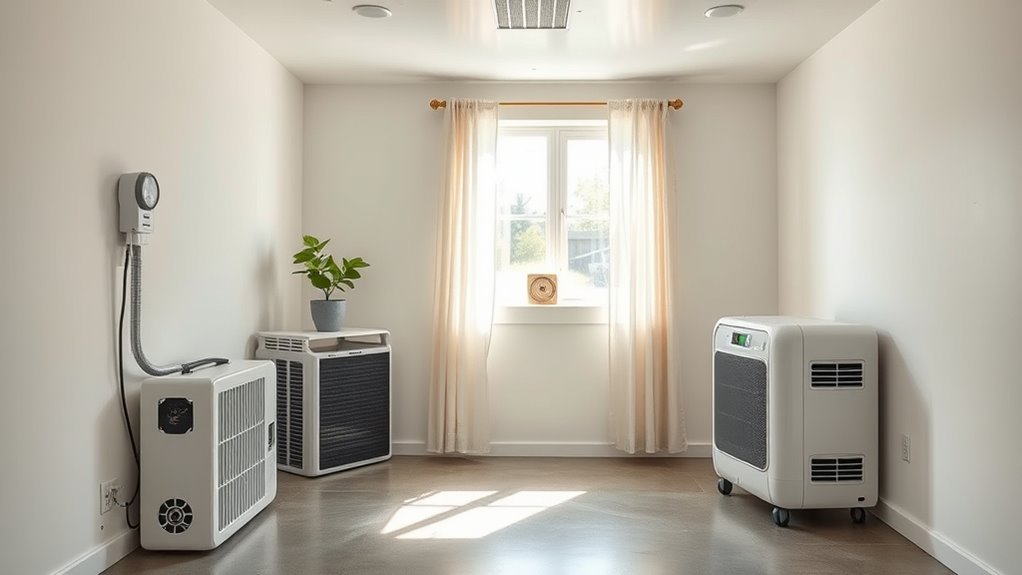

To prevent mold from starting, control indoor moisture by fixing leaks promptly and keeping humidity levels between 30-50%. Improve ventilation by using exhaust fans and opening windows to promote air circulation. Seal windows and doors to avoid water intrusion, and avoid overwatering plants or drying towels indoors. Regularly inspect for leaks and clean damp areas thoroughly. Keeping your space dry and well-ventilated makes it harder for mold to grow—discover more ways to keep your home mold-free.
Key Takeaways
- Maintain indoor humidity levels between 30% and 50% to inhibit mold growth.
- Fix leaks promptly and ensure proper sealing around windows and doors.
- Use exhaust fans and ensure good ventilation in moisture-prone areas like bathrooms and kitchens.
- Regularly dry wet surfaces, towels, and plants to reduce excess moisture.
- Inspect your home regularly for leaks or water intrusion and address issues immediately.
Mold can quickly become a problem if you don’t take steps to prevent it from growing in your home. The key to keeping mold at bay lies in effective moisture control and making ventilation improvements. Mold thrives in damp, poorly ventilated environments, so addressing these issues head-on will considerably reduce the chances of mold developing. Start by inspecting your home for areas prone to excess moisture, such as bathrooms, kitchens, basements, and around windows. Fix leaks promptly and make sure that water doesn’t accumulate where it shouldn’t. Keep humidity levels low, ideally between 30% and 50%, using dehumidifiers or air conditioners during humid months. This simple act of moisture control makes your space less inviting to mold spores.
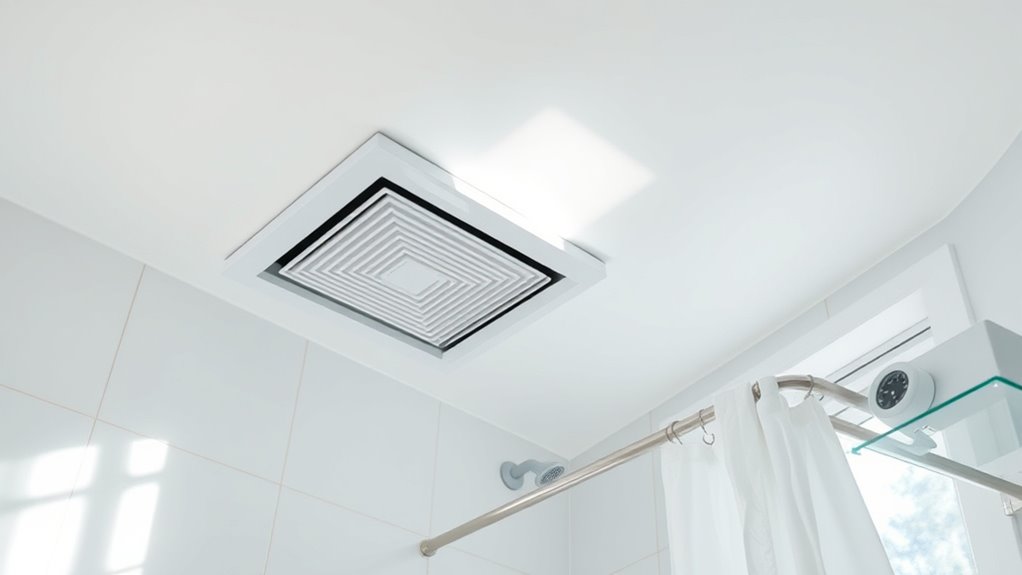
Ventilation improvements are equally vital. Proper airflow helps dry out damp surfaces and remove excess moisture from the air. In rooms like bathrooms and kitchens, install exhaust fans that vent outside and turn them on during and after activities that produce moisture, such as showering or cooking. If your home has limited natural ventilation, consider adding vents or upgrading existing ones to promote better air circulation. Open windows regularly to allow fresh air inside, especially on dry days, and use cross-ventilation techniques by opening windows on opposite sides of a room. For spaces that tend to stay damp, like basements, consider installing a ventilation system or air exchange units to keep the air moving and moisture levels in check. Additionally, maintaining properly sealed windows and doors helps prevent unwanted moisture intrusion.
You should also pay attention to everyday habits that influence moisture. Dry wet towels outside or in a well-ventilated area instead of leaving them damp inside. Avoid overwatering plants or overusing humidifiers, which can raise indoor humidity levels unnecessarily. When cleaning, focus on areas where mold spores might settle, and make sure these spots dry completely afterward. Using fans and dehumidifiers regularly can help maintain a dry environment, especially during the wetter months.
Frequently Asked Questions
How Quickly Can Mold Start Growing After Water Exposure?
Mold can start growing within 24 to 48 hours after water exposure, especially if moisture remains for an extended period. The speed depends on surface porosity; porous materials like drywall absorb water and promote faster mold growth, while non-porous surfaces like tiles resist it. To prevent mold, you need to dry affected areas quickly, ideally within 24 hours, and reduce moisture duration to stop mold spores from settling and multiplying.
Are Certain Materials More Resistant to Mold Than Others?
Think of building materials as your home’s armor against mold. Some materials, like treated wood or plastic, are more resistant to moisture and mold growth. These materials act like a shield, offering better moisture resistance. Conversely, porous materials like drywall or unsealed wood absorb water easily, making them more vulnerable. Choosing resistant building materials helps you keep mold at bay, protecting your home’s health and longevity.
Can Indoor Plants Contribute to Mold Growth?
Indoor plants can contribute to mold growth if you don’t manage indoor humidity and plant watering properly. Excess moisture from overwatering or high humidity creates a damp environment ideal for mold. To prevent this, water your plants only when needed, ensure proper drainage, and use a dehumidifier if necessary. Keeping indoor humidity levels below 60% helps inhibit mold development and keeps your plants healthy.
What Are the Long-Term Health Effects of Mold Exposure?
Long-term mold exposure can pose serious health risks, especially if you’re sensitive or allergic. You might experience chronic conditions like asthma, persistent coughs, or sinus issues. Mold can also worsen existing respiratory problems and lead to other health complications over time. It is crucial to address mold promptly to protect your health and prevent these long-lasting effects, especially if you notice ongoing symptoms related to mold exposure.
Does Using a Dehumidifier Eliminate All Mold Risk?
Using a dehumidifier substantially reduces mold risks, but it doesn’t eliminate them entirely. While it lowers moisture levels, you should also consider an air purifier with HEPA filters and mold resistant paint in problem areas. These tools work together to improve air quality and inhibit mold growth, providing a thorough approach. Remember, consistent maintenance and proper ventilation are key to keeping mold at bay and protecting your health.
Conclusion
So, now that you know the secrets to mold’s downfall, go ahead—stay dry, ventilate, and wipe away those tiny spores before they take over. After all, who needs a spooky, green fuzzy surprise in their closet? Keep mold at bay, and you’ll enjoy a fresher, healthier home. Remember, mold might be persistent, but with your vigilance, it’s no match for your clean, dry, and mold-free sanctuary. Stay vigilant—mold doesn’t stand a chance!