
TL;DR

Get everyday essentials delivered free with Prime
- Fast, free delivery on millions of items
- Prime Video, Amazon Music and more included
- Member-only deals all year
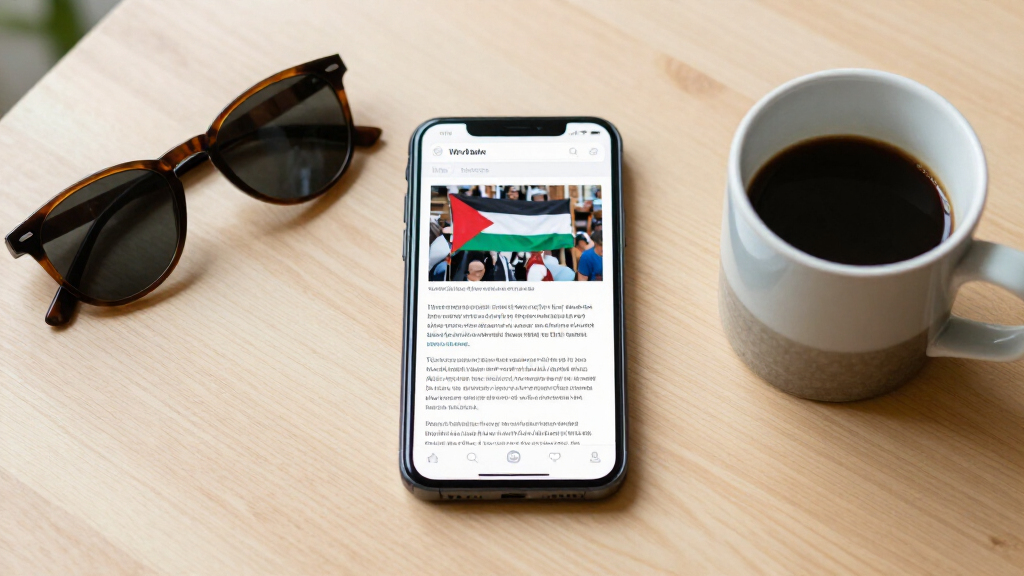
The West Bank has seen a sixfold increase in global media mentions, according to GDELT data, indicating a surge in international attention. This development reflects growing concern and interest in recent events there, though specific details remain emerging.
According to data from GDELT, the West Bank has experienced a sixfold increase in international media mentions over the past 24 hours, marking a significant surge in global coverage of recent developments there. This heightened attention underscores growing international concern and interest, though specific events prompting this surge are still unfolding.
GDELT, a global monitoring database, reported approximately 100 mentions of the West Bank within the current window, compared to a baseline of around 16 mentions. This spike suggests an imminent increase in coverage by mainstream news outlets, with estimates indicating that major media channels could begin reporting extensively within approximately eight hours. The surge coincides with recent escalation in tensions, protests, or clashes in the region, though the precise nature of these events remains under investigation. Officials and analysts have noted that this increase in coverage may reflect both ongoing violence and international diplomatic reactions, but details are still emerging from multiple sources.Implications of Increased International Media Focus on the West Bank
This surge in global coverage is significant because it can influence international diplomatic responses, shape public opinion, and potentially impact policies related to the region. Increased media attention often correlates with heightened political pressure and can lead to broader international engagement or intervention. For residents and stakeholders in the West Bank, this heightened focus may result in increased diplomatic scrutiny, humanitarian aid, or security measures. For the global community, it signals a moment of intensified interest that could affect future negotiations or peace efforts.
Products Worth Considering

Bose TV Speaker Compact Soundbar with Bluetooth and HDMI-ARC, Black

Philips Hue Festavia Globe Outdoor String Lights, 32 Bulbs, 91 ft

Bose TV Speaker (2nd Gen) Compact Soundbar with Bluetooth and HDMI-ARC, Black
As an affiliate, we earn on qualifying purchases.
Recent Escalations and Media Monitoring Trends in the West Bank
The West Bank has been a focal point of ongoing conflict and tension, with periodic escalations resulting in protests, clashes, and international concern. Over the past few weeks, reports of violence and diplomatic tensions have increased, prompting heightened media scrutiny. GDELT, a real-time global event database, tracks media mentions and has recorded a notable spike in coverage over the past day, indicating a shift from baseline levels. Historically, surges in international reporting have often preceded diplomatic interventions or shifts in regional stability, though the specific trigger for this recent spike remains unclear.
Unclear Details Behind the Media Coverage Spike
While the data confirms a surge in mentions, it remains unclear what specific events or developments have triggered this increase. Details about recent violence, protests, or diplomatic statements are still emerging, and it is not yet confirmed whether this coverage is driven by a particular incident or a series of smaller events. Analysts caution that media monitoring tools like GDELT reflect interest levels but do not specify the content or tone of coverage, which remains to be clarified.
Expected Media and Diplomatic Responses in the Coming Hours
Major news outlets are likely to begin extensive reporting on the West Bank within the next several hours. International diplomatic actors may issue statements or calls for calm, especially if violence escalates. Monitoring agencies and regional officials will seek to clarify the specific triggers of this surge, while analysts will assess whether this marks a turning point in regional tensions. Further updates are expected as more details become available and coverage expands.
Key Questions
What caused the surge in media coverage of the West Bank?
The exact cause is still unclear, but recent escalations in violence, protests, or diplomatic tensions are likely factors. The spike is based on increased mentions tracked by GDELT, not specific confirmed events.
How reliable is GDELT data for understanding media coverage?
GDELT provides real-time monitoring of global media mentions, offering a useful indicator of interest levels. However, it does not specify the content or tone of coverage, so further confirmation from mainstream outlets is needed.
What are the potential consequences of increased international coverage?
Greater media attention can influence diplomatic efforts, potentially leading to international interventions, policy shifts, or increased humanitarian aid. It may also impact regional stability depending on how events unfold.
Is there any confirmed violence or specific incident linked to this surge?
No specific incident has been confirmed yet. The surge reflects increased interest, but details of recent events are still emerging and unconfirmed.
Source: gdelt