
TL;DR
Listen free for 30 days with Audible
Thousands of audiobooks and originals — cancel anytime.
Start your free trialAs an affiliate, we earn on qualifying purchases.
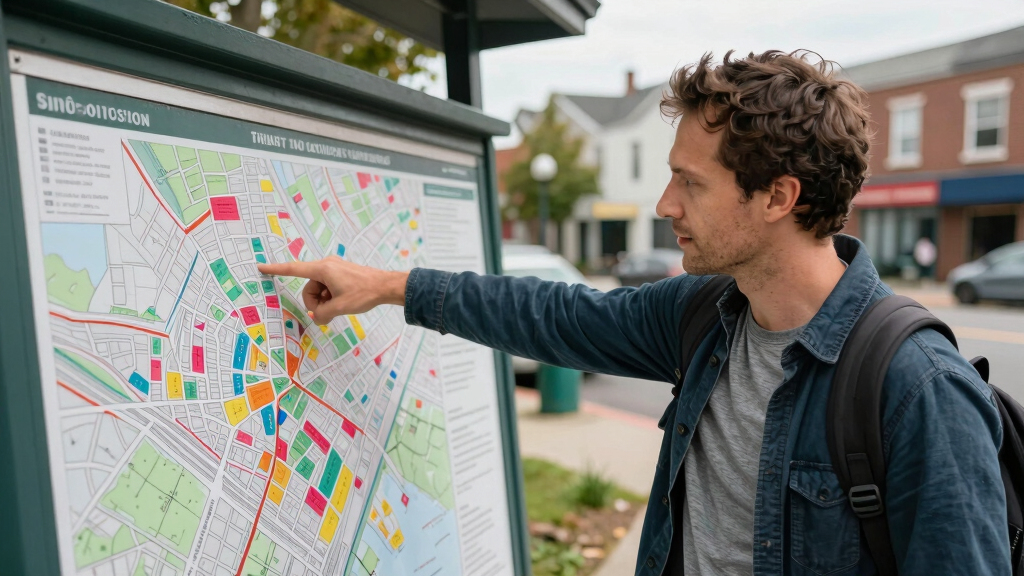
Mamdani has stated he will revise the map of immigrant neighborhoods after facing criticism for omitting certain communities. The change aims to address community concerns and ensure accurate representation.
Mamdani has declared he will revise the map of immigrant neighborhoods after facing significant backlash from community groups for excluding several areas. The announcement comes amid ongoing criticism over the accuracy and inclusiveness of the current map, which has sparked debate about representation and resource allocation.
The decision was publicly communicated by Mamdani during a community meeting on March 15, 2024. He acknowledged that the current map does not fully reflect the diversity and distribution of immigrant communities in the region. According to Mamdani, the revised map will include additional neighborhoods that were previously omitted, aiming to better serve community needs and improve outreach efforts.
Community leaders and residents from several affected neighborhoods expressed strong support for the change, citing concerns over misrepresentation and lack of access to services. Mamdani stated that the updated map will be released within the next two months, after consultations with local organizations and demographic experts.
Implications of Revising the Immigrant Neighborhood Map
This development matters because the map influences resource distribution, community outreach, and policy planning. An accurate representation of immigrant neighborhoods can lead to better access to services, targeted support, and more equitable policy decisions. The decision to revise the map reflects an acknowledgment of community concerns and a move toward greater inclusivity.
As an affiliate, we earn on qualifying purchases.
Background on the Original Map and Community Reactions
The original map was created by Mamdani’s office last year to identify key immigrant communities for resource allocation. However, it faced immediate criticism for omitting several neighborhoods with significant immigrant populations. Critics argued that the map’s inaccuracies could lead to underfunding and neglect of certain communities. The backlash intensified over the past few weeks, with protests and petitions calling for a revision.
Mamdani’s announcement follows a series of public discussions and consultations with community organizations, which highlighted the need for a more comprehensive and inclusive mapping approach. The controversy underscores broader issues of representation and equity in regional planning.
“We recognize that the current map does not fully capture the diversity of our communities, and we are committed to making necessary changes.”
— Mamdani
community resource allocation maps
As an affiliate, we earn on qualifying purchases.
As an affiliate, we earn on qualifying purchases.
Details of the Map Revision Process Remain Unclear
It is not yet clear how extensive the changes to the map will be or what specific neighborhoods will be added. The timeline for the final revised map is also uncertain, as consultations are ongoing and the process may face delays.
As an affiliate, we earn on qualifying purchases.
Next Steps for Map Revision and Community Engagement
Mamdani’s office plans to hold additional consultations with community groups over the next few weeks. The revised map is expected to be released within two months, followed by a public review period. Authorities will monitor community feedback and may make further adjustments based on input.
As an affiliate, we earn on qualifying purchases.
Key Questions
Why was the original map criticized?
The original map was criticized for omitting several neighborhoods with significant immigrant populations, leading to concerns about misrepresentation and resource allocation.
How will the map be changed?
Mamdani announced he will include additional neighborhoods that were previously left out, aiming for a more comprehensive and accurate representation of immigrant communities.
When will the revised map be available?
The revised map is expected to be released within the next two months, after further consultations and reviews.
What is the significance of this change?
This change could improve resource distribution, community outreach, and policy planning, ensuring all immigrant neighborhoods are properly represented.
Source: google-trends
Evergreen bestsellers Picks
bestsellers
As an affiliate, we earn on qualifying purchases.