
TL;DR

Get everyday essentials delivered free — and shop member deals
- Fast, free delivery on millions of items
- Access to Prime Big Deal Days deals on October 6–7
- Prime Video, Amazon Music and more included
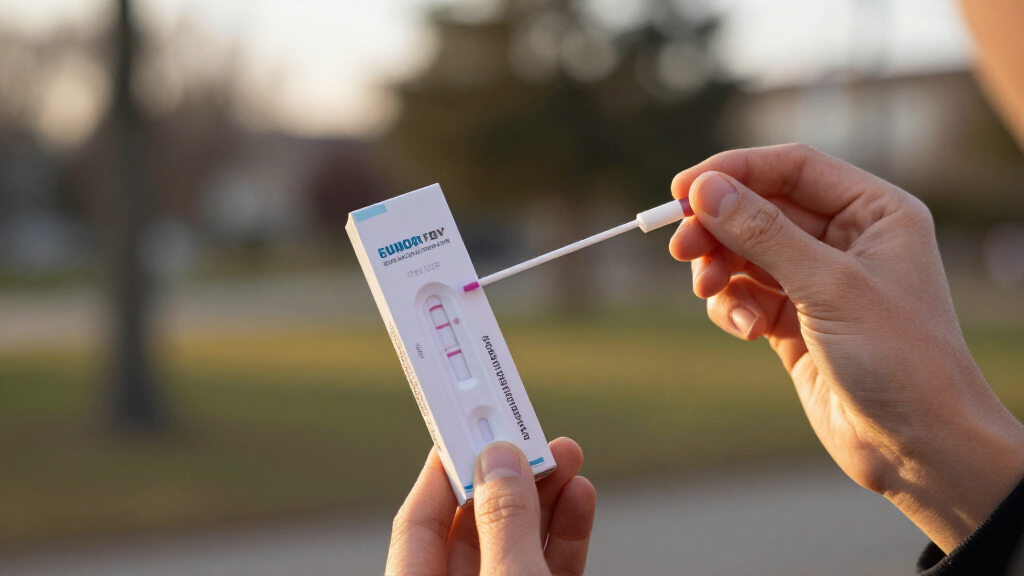
In 2023, ICE collected DNA samples from nearly 1 million individuals, including minors. This marks a significant increase in biometric data collection by federal authorities. The move prompts questions about privacy and legal limits.
U.S. Immigration and Customs Enforcement (ICE) collected nearly 1 million DNA samples last year, including from young children, according to newly released government data. This marks a substantial increase in biometric data collection by federal authorities, raising privacy and ethical concerns among civil rights advocates and lawmakers.
The data, obtained through a Freedom of Information Act (FOIA) request, shows ICE collected approximately 950,000 DNA samples in 2023. The samples were gathered during immigration proceedings, detention processes, and other enforcement actions. Notably, the collection included minors, with some as young as infants, prompting questions about the legality and ethics of collecting genetic data from children.
ICE officials defend the practice, stating that DNA collection is used for identification purposes, to verify familial relationships, and to assist in criminal investigations. An ICE spokesperson said, “DNA sampling is a vital tool for ensuring accurate identification and maintaining the integrity of immigration proceedings.” However, privacy advocates argue that such widespread collection without explicit consent infringes on individual rights, especially for vulnerable populations like children.
Implications of Large-Scale DNA Collection by ICE
This extensive collection of DNA data raises significant privacy and civil liberties concerns. Critics argue that collecting genetic information from nearly a million people, including children, without clear limits or oversight, could lead to misuse or unauthorized sharing of sensitive data. The practice also prompts legal questions about the scope of government authority in biometric data collection and individual rights in immigration enforcement.
For affected individuals and advocacy groups, this development underscores the need for transparency and regulation around biometric data collection, particularly when minors are involved. The potential for long-term data storage and use amplifies these concerns, as genetic information is uniquely personal and immutable.
As an affiliate, we earn on qualifying purchases.
Background on ICE DNA Collection Practices
ICE has increasingly relied on biometric data to identify individuals and verify family relationships during immigration and detention processes. Previous reports indicated smaller-scale DNA collection efforts, but the recent FOIA release reveals a significant jump in numbers for 2023. Civil liberties groups have long questioned the legality and ethics of government collection of genetic data, especially from minors and vulnerable populations.
Legal challenges and policy debates have centered around the limits of government authority to collect and store biometric data, with some courts ruling that certain practices may violate privacy rights. The use of DNA in immigration enforcement has expanded amid broader discussions about surveillance and data privacy in the United States.
“DNA sampling is a vital tool for ensuring accurate identification and maintaining the integrity of immigration proceedings.”
— ICE spokesperson
As an affiliate, we earn on qualifying purchases.
Legal and Ethical Questions About DNA Collection
It remains unclear what specific legal frameworks govern ICE’s DNA collection practices and whether they fully comply with privacy laws. The extent of data storage, sharing with other agencies, and protections against misuse are still under review. Additionally, the long-term implications of collecting DNA from minors are not yet fully understood or addressed by policymakers.
As an affiliate, we earn on qualifying purchases.
Potential Policy Changes and Oversight Efforts
Legislators and privacy advocates are expected to scrutinize ICE’s DNA collection practices further, possibly leading to new regulations or restrictions. Civil rights groups may push for transparency reports and safeguards to prevent misuse. Legal challenges could also emerge, questioning the constitutionality of collecting genetic data from vulnerable populations.
As an affiliate, we earn on qualifying purchases.
Key Questions
Why is ICE collecting DNA samples from individuals?
ICE states that DNA collection helps verify identities, establish familial relationships, and assist in criminal investigations during immigration enforcement.
Are children’s DNA samples legally collected?
While ICE claims the collection is part of enforcement procedures, critics argue that collecting DNA from minors raises ethical and legal concerns, especially without explicit consent.
What safeguards exist to protect this genetic data?
Details about data storage, sharing, and protections are limited. Civil liberties groups call for more transparency and regulation to prevent misuse.
Could this practice lead to privacy violations?
Yes, many experts warn that large-scale DNA collection without strict oversight risks infringing on individual privacy rights, especially for vulnerable populations like children.
What is the next step for policymakers?
Expect increased scrutiny, potential legislative action, and legal challenges aimed at regulating or restricting government DNA collection practices.
Source: hn
Halloween Picks
halloween
As an affiliate, we earn on qualifying purchases.