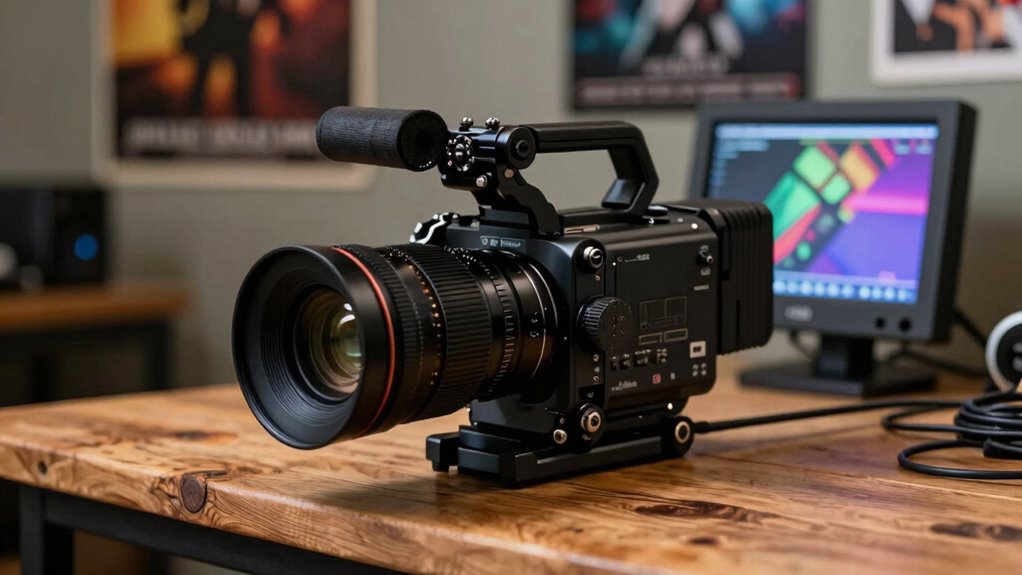

Understanding cinema cameras helps you create professional-quality films by capturing rich details, vibrant colors, and wide dynamic ranges. You’ll learn how sensor size, frame rates, and recording formats impact your footage and post-production options. Knowing how to use lighting and sound with your camera enhances image quality and storytelling. As you explore these elements, you’ll gain confidence in making technical decisions that elevate your projects. Keep exploring to discover how mastering these tools can turn your vision into reality.

Get everyday essentials delivered free with Prime
- Fast, free delivery on millions of items
- Prime Video, Amazon Music and more included
- Member-only deals all year
Key Takeaways
- Cinema cameras capture high dynamic range, color depth, and detail essential for professional-quality filmmaking.
- Sensor size influences image quality, lighting needs, and depth of field in footage.
- Frame rate options affect motion portrayal and creative effects like slow motion.
- Proper lighting enhances image quality, reduces noise, and complements camera capabilities.
- High-quality audio recording and synchronization are crucial for a polished final product.
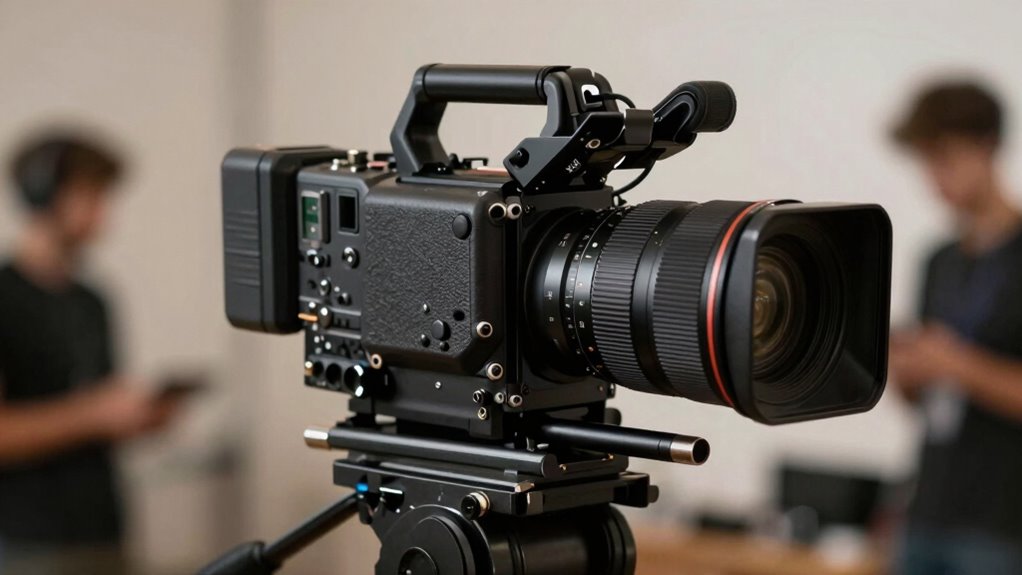
If you’re dreaming of making professional-quality films, understanding cinema cameras is a critical first step. These cameras are designed to capture images with a level of detail, color depth, and dynamic range that can elevate your filmmaking. But before you start investing in equipment, it’s important to grasp how they function and how they fit into your overall production process. Cinema cameras aren’t just about the hardware; they also influence your approach to lighting techniques and sound recording, both of which are essential for creating a polished final product. A good understanding of your camera’s capabilities helps you plan your lighting setup effectively, making sure that your scenes are well-lit and visually compelling. Proper lighting techniques can dramatically improve image quality, reduce noise, and highlight the mood or atmosphere you want to convey. You’ll learn to control shadows, fill light, and color temperature, ensuring every shot looks intentional and vibrant.
Understanding your cinema camera enhances lighting and sound techniques for professional, visually compelling films.
Sound recording, on the other hand, is often overlooked by beginners but is equally important. High-quality audio can make or break your film, and your camera’s audio inputs, as well as your sound recording setup, will determine how clear and professional your dialogue and ambient sounds come across. Many cinema cameras offer professional-grade audio inputs, allowing you to connect external microphones or recorders. This flexibility is essential because built-in microphones usually don’t provide the quality needed for professional projects. Knowing how to synchronize your sound with your visuals, manage audio levels, and minimize background noise will ensure your film sounds as good as it looks.
When choosing a cinema camera, consider its sensor size, frame rate options, and recording formats, because these factors influence your creative choices, including how you approach lighting and sound. Larger sensors, for example, require more precise lighting to avoid shadows or underexposure, but they also deliver a more cinematic look. Frame rate options impact your ability to achieve slow-motion effects or match the natural motion of scenes, which can also influence your lighting setup. Recording formats determine the post-production flexibility you’ll have, affecting color grading and editing. Understanding how sensor size impacts your image quality and lighting needs is especially crucial for achieving the desired cinematic aesthetic.
Ultimately, mastering cinema cameras means understanding how they interact with your lighting techniques and sound recording practices. The better you grasp these connections, the more confident you’ll be in creating visually stunning, sonically clear films. With every project, you’ll develop a keen eye for how to use your camera’s features to tell compelling stories visually and aurally.
cinema camera with high dynamic range
As an affiliate, we earn on qualifying purchases.
As an affiliate, we earn on qualifying purchases.
Frequently Asked Questions
How Do Cinema Cameras Differ From DSLR Cameras?
Cinema cameras differ from DSLR cameras mainly in camera ergonomics and lens compatibility. You’ll notice cinema cameras are designed for extended shooting sessions, offering better grip, customizable controls, and robust build quality. They also support cinema-specific lenses with larger mounts and interchangeable accessories. This makes them more suitable for professional filmmaking, providing precise focus control and superior image quality, unlike many DSLRs that prioritize still photography features.
What Is the Best Budget Cinema Camera for Beginners?
The Blackmagic Pocket Cinema Camera 4K is your best budget option for beginners. It offers excellent image quality, so you can focus on learning color grading techniques and experimenting with lens selection. Its user-friendly interface makes it easier to troubleshoot and grow your skills. Plus, its compact size means you can practice shot composition and camera angles without breaking the bank, making it ideal for those starting their filmmaking journey.
How Important Is Sensor Size in Filmmaking?
Sensor size is pretty important in filmmaking because it impacts image quality and depth of field. Larger sensors, like full-frame, provide better low-light performance and a more cinematic look. When you compare sensors, a sensor size comparison helps you understand how it affects your shots. Keep in mind, bigger sensors usually mean higher costs, but they can considerably elevate your film’s visual quality, making your storytelling more compelling.
Can I Shoot Professional Films With Mirrorless Cameras?
Yes, you can shoot professional films with mirrorless cameras. Many filmmakers use them for their compact size and excellent image quality. To impress at a film festival, focus on mastering shooting techniques like proper framing, lighting, and camera movements. Invest in good lenses and accessories, and make sure your footage is stable and well-lit. With skill and creativity, your mirrorless camera can produce films that stand out professionally.
What Are Common Accessories Needed for Cinema Cameras?
You’ll need essential accessories like lenses and filters to enhance your footage quality. Lenses determine your shot’s look, while filters help control light and create specific effects. Camera rigs are also vital—they stabilize your camera, making movements smooth and professional. These accessories improve your control, stability, and image quality, helping you achieve cinematic results. Always choose high-quality lenses, filters, and rigs suited to your project for the best outcomes.
professional external microphone for cinema cameras
As an affiliate, we earn on qualifying purchases.
As an affiliate, we earn on qualifying purchases.
Conclusion
So, now you know the ins and outs of cinema cameras—everything from sensor sizes to frame rates. Ironically, even with all this technical knowledge, the real magic still comes down to your storytelling and creativity. Don’t get too caught up in specs; remember, a great film isn’t made by gear alone. So go ahead, pick your camera, and make a movie that proves it’s not the equipment but your vision that truly matters.
As an affiliate, we earn on qualifying purchases.
4K recording format cinema camera
As an affiliate, we earn on qualifying purchases.
As an affiliate, we earn on qualifying purchases.
Halloween Picks
halloween
As an affiliate, we earn on qualifying purchases.