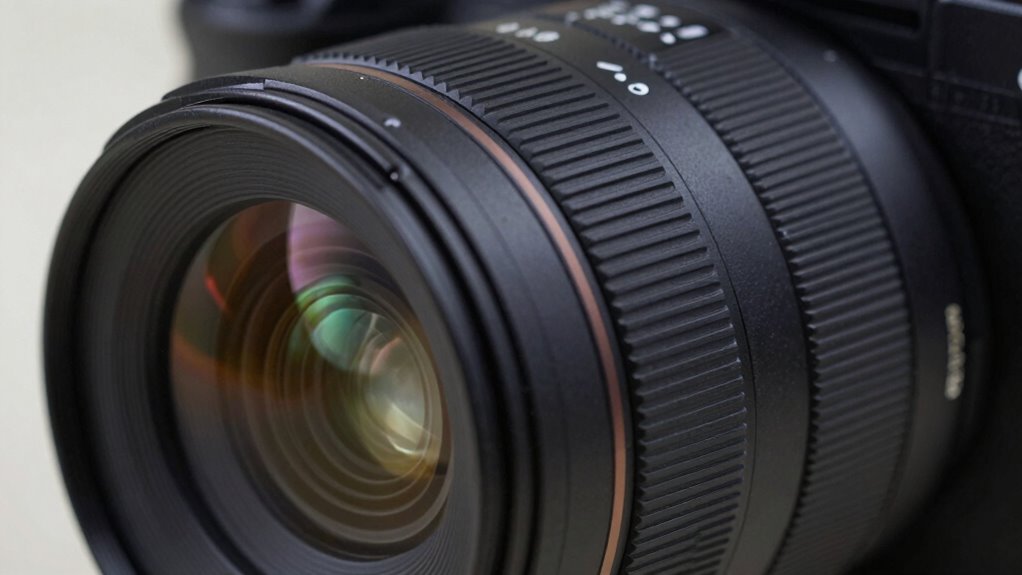

Upgrading your camera lens is worth it when you want better durability, faster autofocus, and superior image quality. A high-quality lens can withstand weather and regular use, ensuring long-term reliability. It also captures fast-moving moments without missing sharpness, thanks to quick autofocus. Improved optical elements reduce distortions, especially in low-light situations, while compatibility and size help you balance performance with portability. Keep exploring to discover more about how a new lens can transform your photography.

Get everyday essentials delivered free with Prime
- Fast, free delivery on millions of items
- Prime Video, Amazon Music and more included
- Member-only deals all year
Key Takeaways
- Enhanced optical quality reduces distortions, delivering sharper and clearer images.
- Faster autofocus improves responsiveness, capturing fleeting moments with precision.
- Increased durability ensures reliable performance in various environments and conditions.
- Wider apertures enable better low-light performance and creative depth-of-field control.
- Improved compatibility and overall performance elevate your photography experience and creative potential.
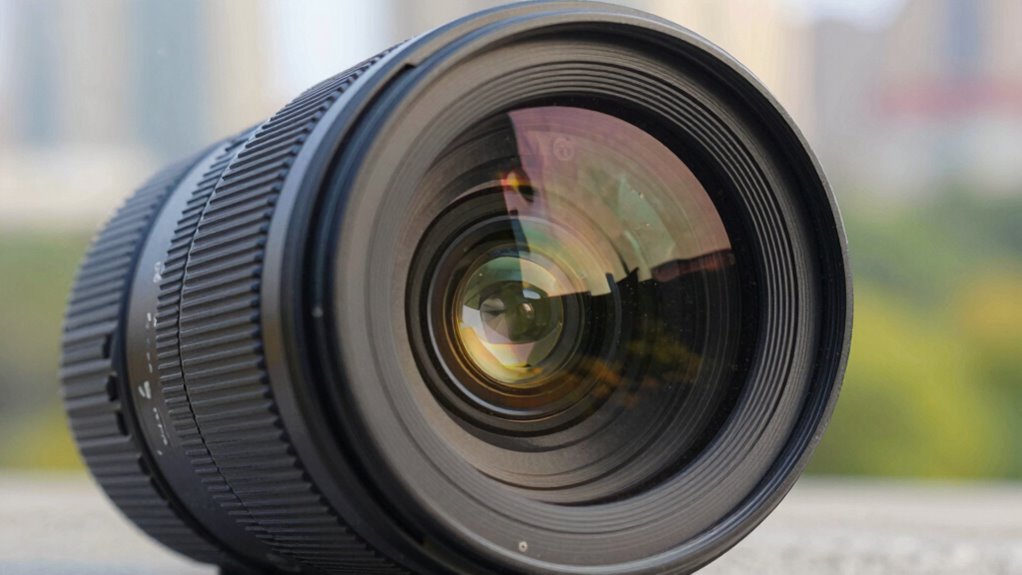
Are you ready to elevate your photography game? Upgrading your camera lens can markedly impact the quality of your images, but knowing what makes a lens worth the investment is essential. First, consider lens durability. A sturdy lens withstands the rigors of travel, weather conditions, and regular use, ensuring your gear remains reliable over time. Look for lenses with robust construction, weather sealing, and high-quality materials, so you’re not constantly worried about dust, moisture, or accidental bumps. A durable lens means fewer worries during outdoor shoots, allowing you to focus on capturing the perfect shot without hesitation. This longevity adds value to your purchase, especially if you shoot frequently or in unpredictable environments.
Next, think about autofocus speed. When you’re trying to capture fast-moving subjects or fleeting moments, quick and accurate autofocus is essential. A lens with rapid autofocus allows you to lock onto your subject effortlessly, reducing missed shots and ensuring sharp images. The better the autofocus speed, the more responsive your camera will be, letting you stay in the moment instead of fiddling with slow focusing mechanisms. This is particularly important for sports, wildlife, or event photography, where timing is everything. Fast autofocus also minimizes frustration and helps you maintain a steady workflow, especially when you’re working under pressure or in dynamic settings.
Beyond durability and autofocus speed, consider the optical quality and aperture. A lens with superior glass elements delivers crisp, clear images with minimal distortion and chromatic aberration. An adjustable wide aperture, like f/2.8 or wider, grants you more control over depth of field and allows for better low-light performance. These features can dramatically improve your creative possibilities and the overall sharpness of your photos.
Finally, assess the compatibility and size of the lens. A lens that fits well with your camera system and complements your style of shooting makes the upgrade worthwhile. While larger, professional-grade lenses often offer better performance, they can also be heavier and more cumbersome. Balance your needs with portability and ease of use to find a lens that truly enhances your photography experience.
In the end, a lens worth upgrading to combines durability, fast autofocus, optical excellence, and compatibility with your camera. When you choose wisely, you’ll notice an immediate improvement in your images’ clarity, focus, and overall quality, helping you push your creative boundaries further.
best weather sealed camera lenses
As an affiliate, we earn on qualifying purchases.
As an affiliate, we earn on qualifying purchases.
Frequently Asked Questions
How Do Lens Coatings Affect Image Quality?
Lens coatings improve image quality by reducing reflections and glare, enhancing optical clarity. They allow more light to pass through, resulting in sharper, more vibrant photos. Good coatings also minimize lens flare and ghosting, especially in challenging lighting conditions. Plus, high-quality coatings offer coating durability, protecting the lens surface from scratches and environmental damage. This combination guarantees your images are clearer and your lens stays in top condition longer.
Is a More Expensive Lens Always Better?
A more expensive lens isn’t always better, but it often offers better lens durability and comes from a reputable brand, which can guarantee higher quality and reliability. You should consider your specific needs, like image quality, build, and compatibility, rather than just price. Investing in a reputable brand can provide long-term value, but always weigh features and performance against cost to find the best lens for your photography.
Can I Use a Full-Frame Lens on a Crop Sensor Camera?
Yes, you can use a full-frame lens on a crop sensor camera. It’s like fitting a wide road into a smaller street—your lens will work, but you’ll get a crop factor, making images appear more zoomed in. Keep in mind crop sensor compatibility and lens mount variations; verify your camera’s mount matches the lens. This setup offers versatility, though it may change your framing and field of view.
What Is the Significance of Lens Aperture in Photography?
The lens aperture profoundly impacts your photos by controlling depth of field and light gathering. A wider aperture (like f/1.4) creates a shallow depth of field, blurring backgrounds and highlighting subjects. It also allows more light to enter, which is essential in low-light conditions. Conversely, a smaller aperture (like f/16) increases depth of field and reduces light, making it ideal for landscapes. Your choice of aperture shapes the mood and clarity of your images.
How Does Lens Weight Impact Camera Handling?
Lens weight considerably affects camera handling, especially if you’re concerned with ergonomics considerations and portability concerns. Heavier lenses can cause fatigue during long shoots and make your camera less comfortable to hold, impacting stability and precision. Conversely, lighter lenses improve portability and ease of use, allowing you to shoot longer without strain. When choosing a lens, balance your need for quality with its impact on handling and how easily you can carry your gear.
fast autofocus prime lens for wildlife
As an affiliate, we earn on qualifying purchases.
As an affiliate, we earn on qualifying purchases.
Conclusion
Upgrading your camera lens is like giving your photography a fresh pair of wings—opening new perspectives and sharper, more vibrant images. When a lens offers better clarity, faster focus, or unique features that elevate your creativity, it’s worth the investment. Think of it as turning on a new light in your artistic journey—illuminating details you never knew existed. So, trust your instincts and choose a lens that helps your vision soar to new heights.
As an affiliate, we earn on qualifying purchases.
wide aperture low light camera lens
As an affiliate, we earn on qualifying purchases.
As an affiliate, we earn on qualifying purchases.
Fall Picks
fall essentials
As an affiliate, we earn on qualifying purchases.