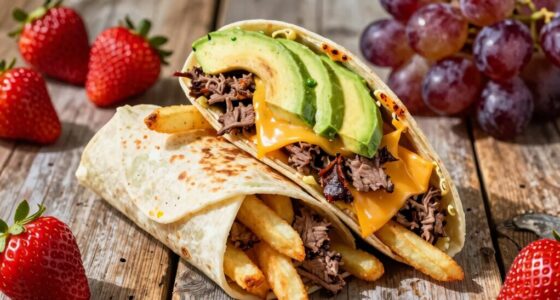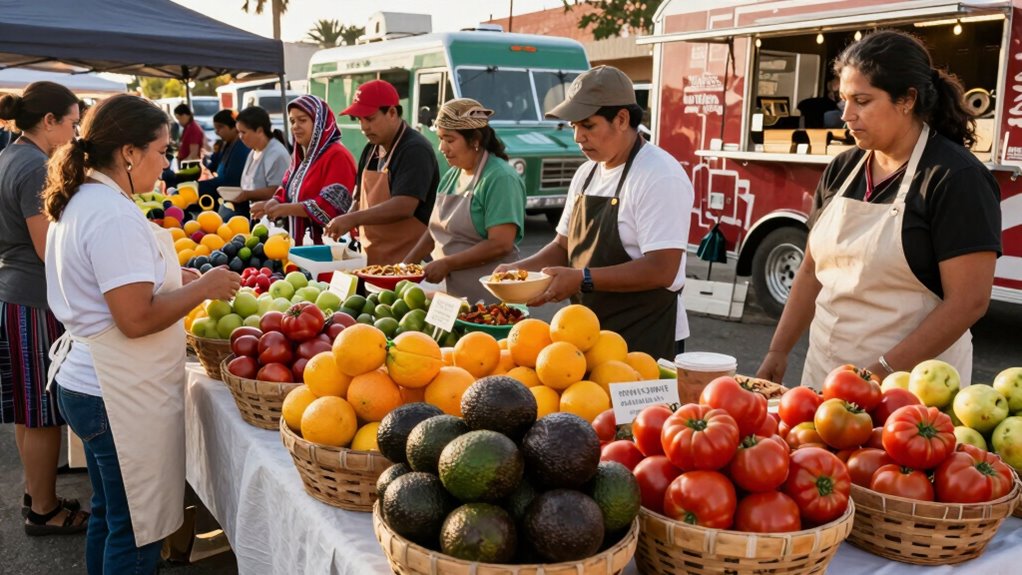

California’s food scene became so regionally diverse because its geography and climate offer a wide variety of ingredients, from seafood on the coast to fruits and nuts inland. Immigrants bring their cultural flavors, blending traditions into local dishes. Chefs push culinary boundaries through innovation, creating fresh tastes. This mix of environment, culture, and creativity shapes unique regional identities across the state. Keep exploring to discover how these elements continue to influence California’s vibrant cuisine.

Get everyday essentials delivered free with Prime
- Fast, free delivery on millions of items
- Prime Video, Amazon Music and more included
- Member-only deals all year
Key Takeaways
- California’s diverse geography and climate create unique local ingredients and culinary traditions in each region.
- Historical immigration introduces a variety of cultural cuisines, blending into California’s food landscape.
- Coastal, inland, desert, and mountain areas contribute distinct flavors and ingredients to regional dishes.
- Chefs continually innovate, reinterpret, and fuse culinary styles, enhancing regional diversity.
- The farm-to-table movement emphasizes local ingredients, reinforcing regional culinary identities.
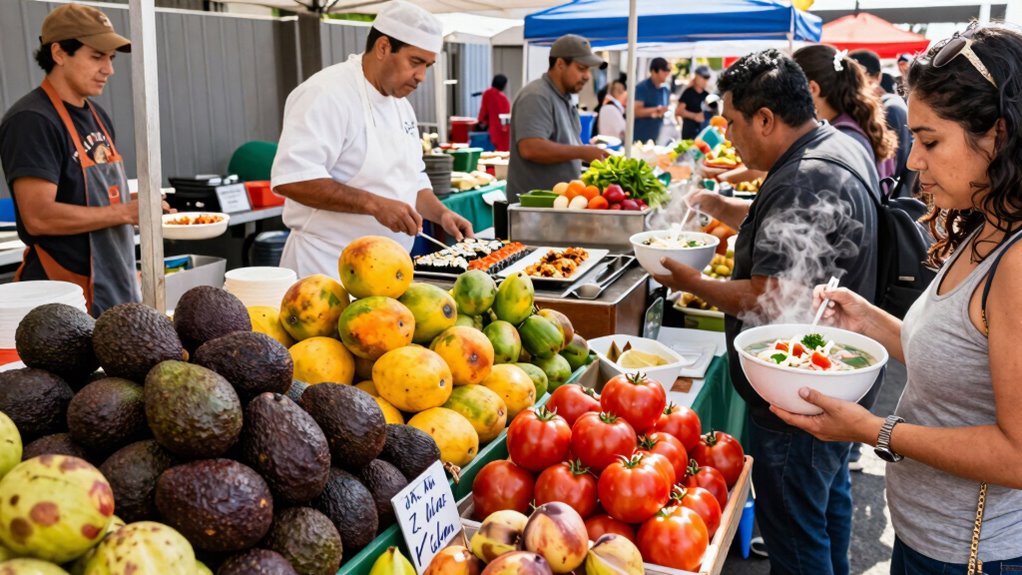
California’s geographic variety plays a vital role in its culinary evolution. The coastal regions offer an abundance of seafood, from the fresh oysters of San Francisco to the fish tacos of Southern California. Inland valleys and Central California produce an array of fruits and vegetables—think grapes, almonds, and citrus—that influence local dishes. Meanwhile, the desert areas and mountain regions contribute their unique ingredients and flavors, inspiring creative dishes that reflect the environment. This geographical patchwork cultivates a rich tapestry of regional cuisines, each with its own identity shaped by the local produce, climate, and cultural influences.
The state’s history of immigration also fuels its regional diversity. You’re likely to find influences from Mexico, Asia, Europe, and beyond, blending seamlessly into California’s culinary identity. These cultural layers add depth and variety, allowing you to enjoy authentic tacos, dim sum, Mediterranean mezze, and more, all within a single city or region. The diversity means that no matter where you are in California, you’re never far from a dish that encapsulates a specific culture or tradition, yet always with a California twist.
Finally, culinary innovation is a constant, driven by chefs enthusiastic to push boundaries and reinterpret traditional dishes. They experiment with ingredients, techniques, and presentation, creating new regional favorites. This spirit of innovation keeps California’s food scene dynamic and evolving, ensuring that each region continues to develop its unique identity while staying connected to the broader farm to table ethos. As you explore, you see how all these elements—local ingredients, cultural influences, and creative minds—intertwine to make California’s culinary landscape as diverse as its geography.
California seafood cooking tools
As an affiliate, we earn on qualifying purchases.
As an affiliate, we earn on qualifying purchases.
Frequently Asked Questions
How Do Immigrant Communities Influence California’s Regional Cuisines?
Immigrant communities influence California’s regional cuisines through cultural fusion and culinary innovation, shaping unique flavors across the state. You’ll notice how Mexican, Asian, and Middle Eastern traditions blend seamlessly into local dishes, creating vibrant, diverse food scenes. These communities bring authentic ingredients and cooking techniques, inspiring chefs and home cooks to experiment and adapt. This ongoing cultural exchange fuels California’s reputation for inventive, eclectic cuisine that reflects its rich, multicultural fabric.
What Role Does Agriculture Play in Shaping Local Food Trends?
Agriculture heavily influences California’s local food trends by providing fresh, local ingredients that inspire farm-to-table dining. You’ll notice restaurants emphasizing seasonal, locally sourced produce, supporting sustainable practices. Farmers’ markets thrive because of this focus, encouraging chefs and consumers to prioritize regional ingredients. This farm-to-table approach shapes the culinary scene, fostering a deeper connection between the land and the diverse flavors that define California’s regional cuisines.
How Have Historical Migration Patterns Affected Regional Food Diversity?
You’ll find that nearly 40% of California’s population is foreign-born, shaping its vibrant culinary landscape. These historical migration patterns foster cultural fusion and inspire culinary innovation, blending diverse flavors and techniques. As newcomers bring their traditional recipes, they contribute to regional diversity, making California’s food scene a dynamic mosaic. Your taste buds benefit from this rich, multicultural influence, creating a unique dining experience rooted in history and ongoing cultural exchange.
Are There Specific Festivals Celebrating California’s Culinary Diversity?
Yes, California hosts vibrant culinary festivals celebrating its diversity, where food fusion plays a key role. Events like the LA Food & Wine Festival and San Francisco’s Chinese New Year Parade highlight regional flavors blending into unique dishes. These festivals give you a chance to experience California’s culinary richness firsthand, showcasing multicultural influences through innovative food fusion and bringing communities together to enjoy diverse cuisines in a lively, festive atmosphere.
How Does Climate Impact Regional Food Production Across California?
Imagine golden fields stretching across diverse climate zones, where the sun warms the soil just right. You see how the climate impacts regional food production by shaping which crop varieties thrive. In cooler coastal areas, vineyards flourish, while arid inland zones grow hearty vegetables. The varied climate zones allow California to cultivate a rich tapestry of flavors, making its food scene as vibrant and diverse as the landscapes themselves.
As an affiliate, we earn on qualifying purchases.
Conclusion
As you walk through California’s vibrant food landscape, it’s like strolling through a living mosaic, each region adding its own splash of color and flavor. The state’s diverse history, cultures, and climates blend into a rich tapestry you can taste with every bite. So next time you savor a dish, remember—you’re tasting the vibrant heartbeat of California’s ever-evolving culinary story, a delicious reflection of its colorful, sprawling soul.
citrus and nut recipe ingredients
As an affiliate, we earn on qualifying purchases.
As an affiliate, we earn on qualifying purchases.
As an affiliate, we earn on qualifying purchases.
Halloween Picks
halloween
As an affiliate, we earn on qualifying purchases.