
To keep deer and critters out naturally, install sturdy fences at least 8 feet tall and add double layers or angling to deter jumps. Use natural repellents like garlic sprays, soap solutions, or peppermint oil around your garden edges. Incorporate deer-resistant plants and set up motion-activated sprinklers or lights to startle intruders. Combining these strategies creates a layered defense. Keep going to discover more effective ways to protect your garden naturally.
Key Takeaways
- Install tall, multi-layered fences with outward angles or electric components for effective physical barriers.
- Use natural repellents like garlic spray, peppermint oil, and scatter human or pet hair around plants.
- Incorporate deer-resistant plants and natural deterrent plants as part of layered garden design.
- Employ motion-activated sprinklers and lights to startle and deter deer and critters.
- Regularly rotate and maintain deterrents and combine physical and natural methods for maximum protection.

FRUITEAM 8ft×165ft Deer-Fence,Deer-Netting for Garden,Wildlife Netting,Heavy Duty Garden Fencing Roll for Plant Protection
- Available Sizes: 8ft x 165ft and 8ft x 100ft
- Effective Animal Deterrent: Keeps deer and large animals out
- Heavy Duty Material: Made from durable, corrosion-resistant PP
As an affiliate, we earn on qualifying purchases.
As an affiliate, we earn on qualifying purchases.
Installing Physical Barriers and Fencing
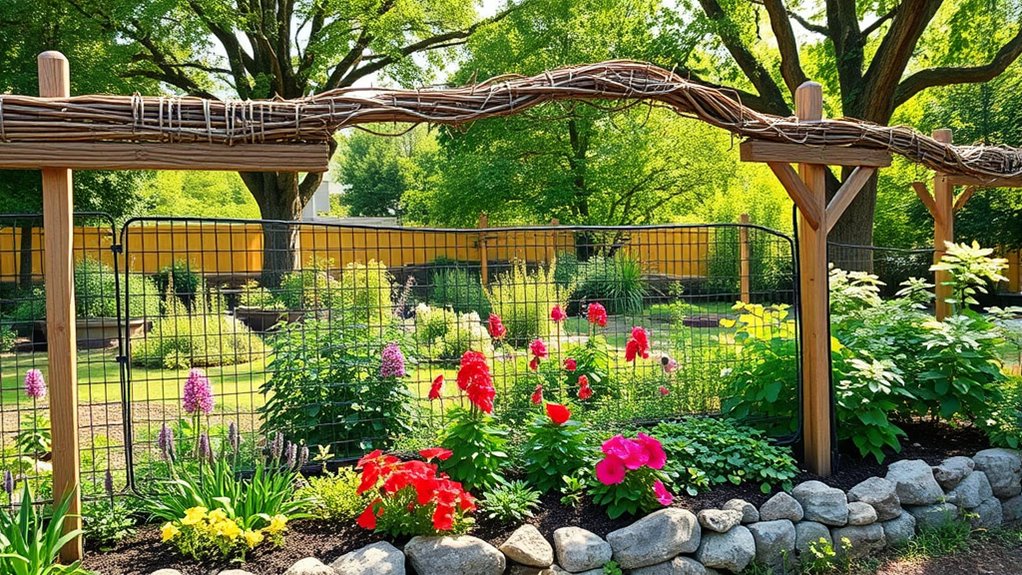
Installing physical barriers and fencing is one of the most effective ways to protect your garden from deer. You should use a fence at least 8 feet tall since deer are excellent jumpers. Angling the fence outward or adding double layers with a gap makes it even harder for deer to leap over. Wire or mesh fencing allows visibility and blends with your surroundings while preventing entry. For larger areas, electric fencing provides the most reliable barrier—it’s considered 100% effective when installed correctly. You can also string invisible fishing lines about 3 feet high around your garden perimeter as a subtle deterrent. Regularly inspecting and maintaining your fencing guarantees it stays effective, keeping deer out and your plants safe. Additionally, understanding the importance of contrast ratio can help you choose fencing or barriers that stand out clearly against your garden landscape, making them more noticeable to deer and other critters. Incorporating sound vibrations into your deterrent methods can further enhance protection by discouraging critters without harming them. Using natural deterrents such as certain plantings or repellents can also contribute to a holistic approach to garden protection. Applying visual cues like reflective objects or movement-based devices can increase the effectiveness of your overall deterrent strategy. Furthermore, integrating smart home technology such as motion sensors or outdoor cameras can help monitor and alert you to critters approaching your garden, allowing you to respond promptly.

I Must Garden Deer Repellent: Powerful All-Natural Protection, 32oz Mint
- Trusted by Professionals: Used by experts for over 20 years
- Naturally Stronger Formula: Contains triple active ingredients for protection
- Plant Safe and Effective: Spray directly on various plants safely
As an affiliate, we earn on qualifying purchases.
As an affiliate, we earn on qualifying purchases.
Creating and Using Homemade Repellents

Homemade repellents offer a natural and cost-effective way to keep deer away from your garden. You can create simple sprays using ingredients like eggs, garlic, and water. For example, blend three eggs with water and spray the mixture on your plants; the smell is unappealing to deer. Reapply after rain or watering to maintain effectiveness. Soap solutions, such as dish soap mixed with water, also make leaves taste bitter, deterring deer from browsing. Essential oils like peppermint or hot pepper sprays can add scent-based deterrents. Human hair or pet fur scattered around your garden may also act as natural repellents. Remember, these homemade solutions require consistent application, usually weekly, and thorough coverage for best results. Incorporating natural repellents into your gardening routine can increase their effectiveness and make upkeep more manageable. Using sound therapy techniques, such as playing recordings of predators or distress calls, can further discourage deer from approaching your garden. Creating simple systems can help you maintain these deterrents more easily over time, especially when combined with other integrated pest management strategies.

Orbit Yard Enforcer Motion-Activated Sprinkler – Outdoor Animal Repeller & Lawn Protector – Motion Sensor – Multi-Angle Detection – Weatherproof Dual-Purpose Sprinkler – 62100
- Lawn Protection: Guards gardens from unwanted animals
- Motion Detection: Wide multi-angle infrared detection
- Water Control: Adjustable spray duration and timing
As an affiliate, we earn on qualifying purchases.
As an affiliate, we earn on qualifying purchases.
Selecting Deer-Resistant and Companion Plants
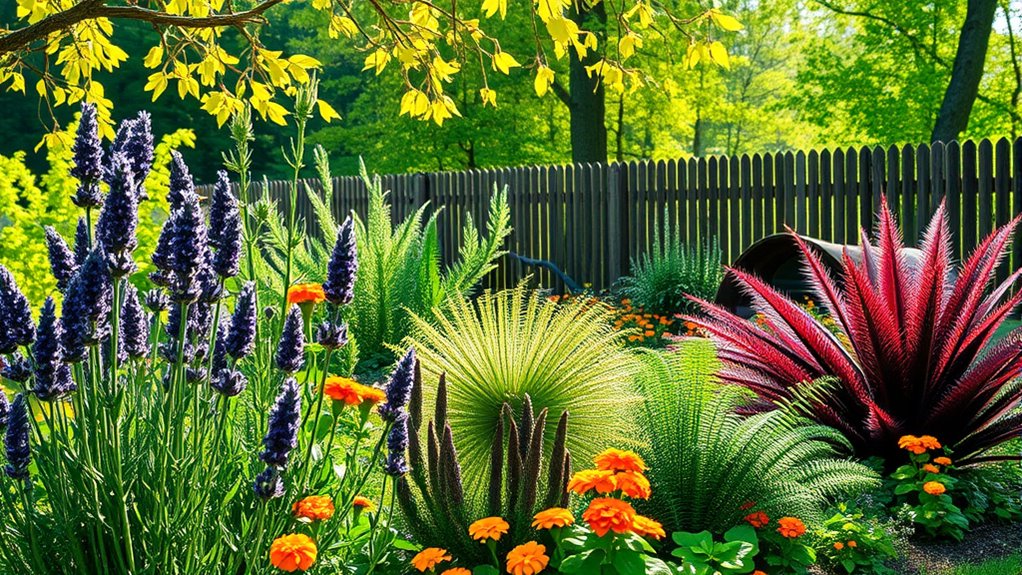
Choosing the right plants is a natural way to reduce deer damage in your garden. Focus on deer-resistant species like ornamental grasses, lavender, sage, thyme, and rosemary. These plants emit strong scents or textures that deer tend to avoid. Interplant deer-preferred plants with these resistant varieties to create a natural barrier. Placing garlic or onions near vulnerable crops can also help deter deer through scent. Avoid planting highly attractive foods like hostas or tender vegetables in exposed areas. Incorporate herbs that thrive in your climate, providing both culinary benefits and protection. Additionally, understanding the types of deer-resistant plants can help you select the most effective options for your specific environment. Using natural deterrents such as scent-based repellents can further discourage deer from frequenting your garden. Incorporating plant diversity can also make your garden less predictable and less appealing to foraging deer. Moreover, selecting plants that are native to your region can enhance the effectiveness of deer deterrence strategies. By selecting and strategically placing deer-resistant and companion plants, you create a more unappealing environment for deer, reducing their interest and minimizing damage without relying solely on physical barriers or repellents. Engaging in native plant gardening can support local ecosystems and naturally deter deer by providing alternative food sources.
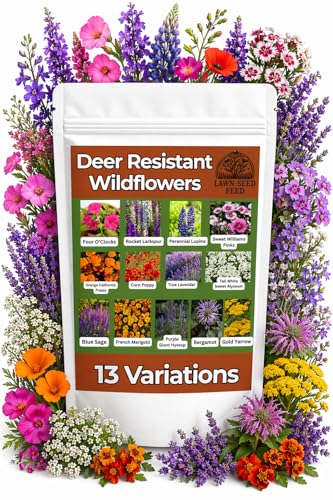
Deer Resistant Wildflower Seeds (2oz) Hardy Garden Flowers Designed to Deter Deer & Support Pollinators
- Resealable Pouch for Freshness: Keeps seeds fresh and viable
- Colorful and Vibrant Mix: Variety of colors and bloom times
- Supports Pollinators: Attracts a wide range of pollinators
As an affiliate, we earn on qualifying purchases.
As an affiliate, we earn on qualifying purchases.
Implementing Motion-Activated Deterrents
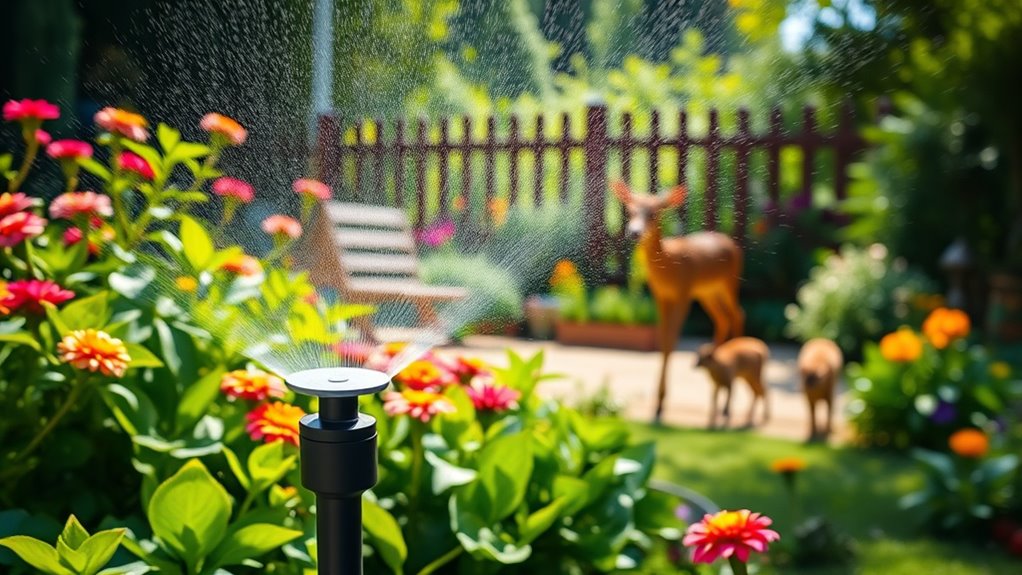
Motion-activated deterrents can be highly effective tools for protecting your garden from deer, especially when used strategically. They detect movement and respond with sudden stimuli that startle deer, discouraging them from entering your space. For example, motion-activated sprinklers deliver quick water bursts that quickly scare deer away. Battery-powered systems tend to produce stronger jets, increasing their effectiveness. Motion sensor lights can also be useful, especially at night, by illuminating and surprising deer. To maximize results, position sensors above plant height to prevent false triggers from low foliage. Combining different deterrents, like sprinklers and lights, creates a multi-layered defense that deer find harder to ignore. Regularly maintain and reposition these devices to prevent deer from becoming accustomed to them. Additionally, incorporating home safety measures such as secure fencing can further enhance your garden’s protection. Using deterrent effectiveness strategies, like varying the timing and type of stimuli, can help keep deer consistently wary of your garden. Incorporating behavioral modification techniques can also aid in training deer to avoid your yard over time. Employing consistent application of these methods will strengthen their overall impact and help establish long-term deterrence. Furthermore, understanding animal behavior can help you anticipate deer responses and adjust your tactics accordingly.
Designing Garden Structures to Deter Deer
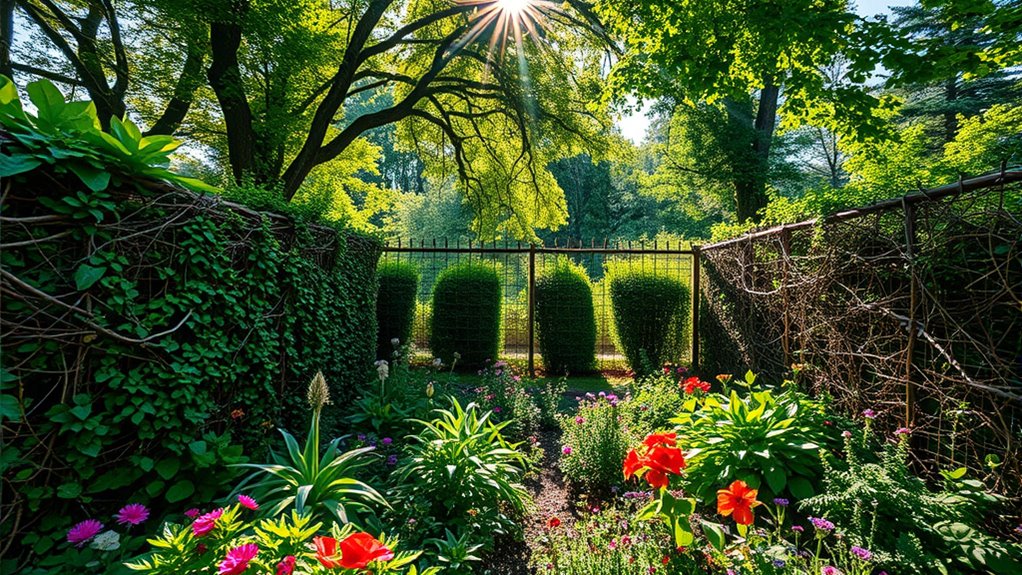
To keep deer out of your garden, consider using elevated plant barriers like raised beds or containers. Enclosed structures such as greenhouses or sturdy enclosures can create a physical barrier that deer can’t breach. Combining these with fencing options helps guarantee your plants stay protected from browsing. Incorporating natural deterrents like aromatic oils or plants known to repel deer can further enhance your garden’s defenses.
Elevated Plant Barriers
Have you considered elevating your garden to keep deer at bay? Raising your plants creates a physical barrier that deer find hard to breach. You can:
- Use tall raised beds—at least 2 to 3 feet high—to keep plants out of deer’s reach.
- Place potted plants on elevated platforms or stands, making access more difficult.
- Build tiered garden beds that add height and prevent deer from reaching the most vulnerable plants.
- Incorporate multi-layered plantings with taller, deer-resistant shrubs around your garden’s perimeter.
- Incorporating proper construction techniques ensures your elevated barriers are durable and effective against persistent wildlife.
These structures make it less tempting for deer to jump or reach, reducing browsing. Elevated barriers are a natural, effective addition to your deer deterrent strategy, especially when combined with other methods.
Enclosures and Fencing
Designing effective garden enclosures and fencing is essential for keeping deer out of your plants. You should install fences at least 8 feet high, as deer can easily leap over shorter barriers. Angling the fence outward or using double fencing with a narrow gap makes jumping less appealing for them. Wire or mesh fencing offers visibility while preventing access and blends naturally into your landscape. For added security, consider electric fencing, which is highly effective for large areas. Stringing invisible fishing line about 3 feet high around the perimeter can also serve as a subtle deterrent. Regular maintenance, such as checking for gaps or damage, guarantees your fencing remains a reliable barrier. Combining these techniques creates a strong physical defense against deer intrusion.
Maintaining and Monitoring Your Defense Systems
To keep your garden protected, you need to regularly check your fences and deterrent devices for any damage or wear. Reapplying natural repellents often is essential, especially after rain or watering, to maintain their effectiveness. Rotating your scare devices prevents deer from getting used to them and helps keep your defenses strong.
Regular System Inspections
Regular system inspections are essential to guarantee your garden’s defenses stay effective against deer. You need to check your barriers and deterrents regularly to spot weaknesses early. Here’s what to focus on:
- Examine fences for gaps, rust, or leaning sections that could allow deer entry.
- Inspect natural repellents and reapply them after rain or watering to keep their scent strong.
- Test motion-activated devices, ensuring batteries are charged and sensors are free of debris.
- Review plant enclosures and protective coverings for tears or damage that could expose plants.
Consistent inspections help you catch issues before deer do. Staying proactive preserves your garden’s defenses and keeps unwanted critters at bay.
Reapply Repellents Frequently
Reapplying repellents frequently is key to maintaining their effectiveness over time. Natural repellents, like homemade sprays or essential oil blends, wash away easily with rain, watering, or dew. To keep your garden protected, you need to reapply these solutions at least weekly, or more often after heavy rain. Make certain of thorough coverage on all vulnerable plants and edges of your garden. Consistent reapplication prevents deer from becoming accustomed to the scent or taste, keeping them deterred. Check and refresh your repellents regularly, especially during peak deer activity or changing weather conditions. This ongoing maintenance helps maintain a strong scent barrier and maximizes the natural repellent’s deterrent power, giving your garden the best chance to stay deer-free.
Rotate Deterrent Devices
Rotating your deterrent devices is essential to keep deer from becoming habituated and ignoring your defenses. When deer recognize a pattern, they start to ignore it, making your efforts ineffective. To prevent this, switch up your scare tactics regularly. For example:
- Change the position of motion-activated sprinklers to target different garden areas.
- Swap out noise-makers and wind chimes to prevent deer from getting used to specific sounds.
- Alternate between flashing lights and scent-based repellents to keep their reactions unpredictable.
- Vary the timing and duration of your deterrents to disrupt deer feeding routines.
Combining Natural Strategies for Maximum Effectiveness
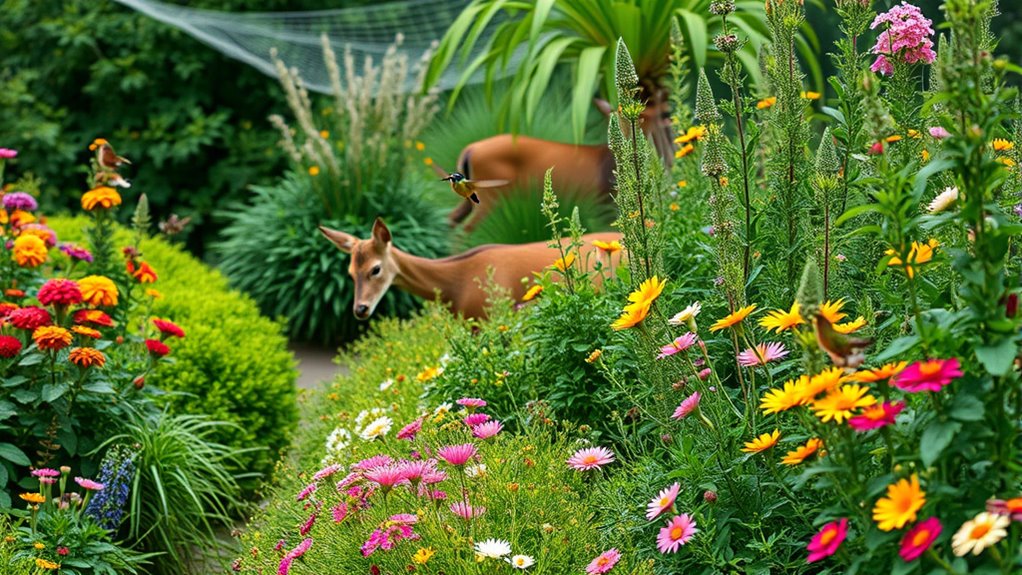
To effectively protect your garden from deer, combining multiple natural strategies creates a stronger, more reliable defense. Start by installing a sturdy, tall fence and supplement it with invisible fishing lines around the perimeter to deter jumping. Use homemade repellents like egg-based sprays and garlic mixtures, reapplying after rain to maintain their effectiveness. Plant deer-resistant species such as lavender, sage, and herbs near vulnerable crops to act as natural barriers. Incorporate motion-activated sprinklers or lights to startle deer and reinforce deterrence. Raised beds or enclosures add physical barriers, especially for high-value plants. Regularly monitor and maintain your defenses, rotating scare tactics to prevent habituation. By layering these approaches, you create a thorough, natural shield that reduces deer visits without relying on chemicals or harmful devices.
Utilizing Sensory Devices to Startle Deer

Sensory devices are an effective way to startle deer and reduce their interest in your garden. They rely on sudden stimuli to keep deer alert and discourage them from browsing. Here are four options to contemplate:
- Motion-activated sprinklers that deliver quick, unpredictable water bursts whenever deer approach, startling them away.
- Motion sensor lights that flicker or activate with movement, catching deer off guard and making the area less inviting.
- Noisemakers like ultrasonic devices or random sounds that activate when motion is detected, disrupting their feeding habits.
- Wind chimes and reflective objects that create visual or auditory disturbances, adding layers to your scare tactics.
Using a combination of these devices, positioned above plant height, maximizes their effectiveness and helps keep deer at bay naturally.
Protecting High-Value Plants With Enclosures
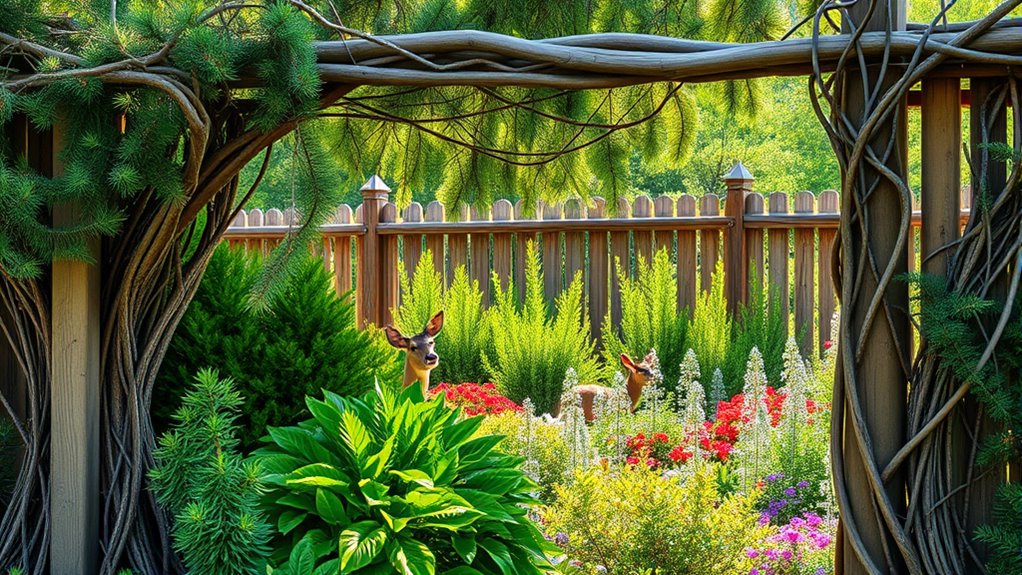
Protecting high-value plants often requires physical enclosures that create a secure barrier against deer. Installing fences at least 8 feet tall prevents most jumps, while angling or double fencing discourages deer from attempting to leap or squeeze through narrow gaps. Wire or mesh fencing offers visibility and blends well with the garden, ensuring the plants stay protected without obstructing the view. For extra security, consider electric fencing, especially in larger areas, as it provides a 100% effective barrier. Additionally, placing invisible fishing lines about 3 feet high around vulnerable beds can serve as a silent deterrent. Enclosures not only keep deer out but also give you peace of mind, allowing your high-value plants to thrive without the constant threat of browsing.
Adapting Your Garden Practices to Local Deer Behavior
Understanding how local deer behave can substantially improve your garden protection efforts. Deer activity varies by season, weather, and food availability, so observing their habits helps you adapt. For example:
- In dry periods, deer forage more in the early morning or late evening, so installing deterrents during these times increases effectiveness.
- During rutting season, bucks are more active and curious, making them more likely to approach gardens.
- When food is scarce, deer may venture closer to homes for easy meals, requiring stronger barriers.
- Swarming insects or changes in wind patterns can influence deer movement, so adjusting sensory devices accordingly helps.
Frequently Asked Questions
How Do I Prevent Deer From Becoming Accustomed to Deterrents?
If you want deer to keep guessing, don’t be predictable. Mix up your deterrents—swap out sprinklers, switch scents, and rotate lighting patterns. Reapply repellents after rain, and use different scare tactics regularly. Keep them on their toes, or better yet, on their hooves, and they’ll think twice about familiarizing themselves with your garden’s defenses. Variety is your secret weapon in the battle of the wily deer.
What Plants Are Most Effective at Repelling Deer Naturally?
You can naturally repel deer by planting herbs and plants they dislike, like lavender, sage, thyme, and rosemary. These plants emit strong scents that deer avoid. Interplant these with your vulnerable crops or surround your garden with them for added protection. Additionally, planting garlic or onions near sensitive plants creates a barrier that deer tend to shy away from, making your garden less attractive to them.
How Often Should I Reapply Natural Repellents After Rain?
You should reapply natural repellents immediately after rain or watering. Rain washes away the deterrent scent, making it less effective. For best results, check your garden regularly, especially after heavy rain, and reapply repellents like egg-based sprays, garlic solutions, or soap treatments as needed. Consistent reapplication maintains the scent barrier and helps keep deer and critters at bay, protecting your plants effectively.
Are There Safe Electrical Fencing Options for Small Gardens?
Yes, there are safe electrical fencing options for small gardens. You can install low-voltage, battery-powered electric fences designed specifically for residential use, which are safe for people, pets, and wildlife when properly installed. These fences are easy to set up, often portable, and include safety features like warning signs. Just make certain you follow manufacturer instructions, keep the voltage at safe levels, and avoid contact with the fence to prevent any accidents.
Can I Combine Multiple Deterrent Methods Without Harming Wildlife?
Yes, you can combine multiple deterrent methods safely without harming wildlife. Use visual cues like motion-activated lights and noise-makers alongside natural repellents such as garlic sprays and planting deer-resistant species. Erect physical barriers like fencing or plant enclosures, and incorporate sensory devices like sprinklers or wind chimes. Regularly check and maintain these methods to guarantee they’re effective and safe for all creatures, creating a balanced, wildlife-friendly garden protection system.
Conclusion
By blending natural deterrents with thoughtful garden design, you create a sanctuary that welcomes your plants while keeping deer at bay. It’s a delicate balance—respecting nature’s beauty while safeguarding your harvest. Though no method is foolproof, your persistence transforms your garden into a resilient haven. In this dance between flora and wildlife, your mindful strategies turn potential conflicts into opportunities for harmony, proving that patience and ingenuity can protect what you cherish most.