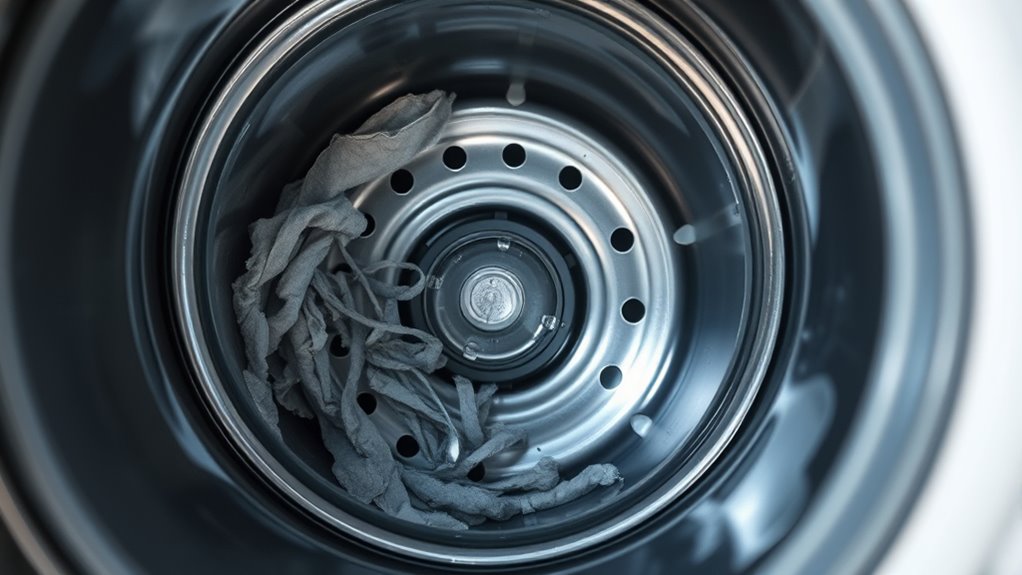

If your washing machine isn’t draining, start by unplugging the unit and detaching the drain hose. Check for clogs or obstructions by clearing out lint, debris, or small objects, and run water through the hose to make sure free flow. Clear any buildup in the drain pump or standpipe with a plumber’s snake if needed. Understanding these steps can quickly resolve most drainage issues—continue for detailed tips to get your washer draining properly again.
Key Takeaways
- Check and detach the drain hose for clogs or debris, then clear any obstructions.
- Inspect and clean the drain pump following manufacturer instructions to remove buildup.
- Use a drain auger or plumber’s snake to clear blockages in the standpipe or drain pipe.
- Run water through the hose after cleaning to ensure free flow and proper drainage.
- Confirm household drain systems are clear, and venting issues are not causing backpressure.

When your washing machine isn’t draining properly, it can quickly become frustrating and disruptive to your laundry routine. You might notice water pooling at the bottom of the drum or see the cycle halt midway through. The cause often lies in a clogged drain or a related issue. While it’s tempting to focus only on the washer itself, it’s worth considering other household systems that could indirectly affect drainage. For example, a blocked dryer vent or a malfunctioning water heater can contribute to drainage problems, especially if the plumbing system is interconnected or if venting issues cause pressure imbalances.
Start by inspecting the drain hose connected to your washing machine. Many clogs originate here because lint, debris, or small objects get lodged in the hose or drain pump. Detach the hose carefully and check for obstructions. Clear any buildup you find, then run water through the hose to ensure it flows freely. If the hose isn’t the problem, look inside the drain pump itself—sometimes small objects or accumulated debris can block it, preventing water from exiting the drum. Be cautious and follow your manufacturer’s instructions for accessing the pump to avoid damaging delicate parts.
Inspect and clear the drain hose and pump for blockages to ensure proper drainage.
Next, check the standpipe or drain pipe where your washing machine discharges. If it’s clogged or partially blocked, water will have nowhere to go, leading to drainage issues. Use a plumber’s snake or a drain auger to clear any obstructions. If the problem persists, consider inspecting the household drain system for other clogs. Sometimes, a blockage downstream can back up into your washer, causing it to stop draining.
While focusing on the washer’s drain, don’t overlook related household systems. A blocked dryer vent, for instance, may not directly cause drainage issues, but poor venting can lead to increased humidity and pressure buildup in the home’s plumbing, subtly affecting drainage. Similarly, if your water heater isn’t functioning properly or if there’s an issue with the hot water supply, it might influence water flow and pressure, indirectly impacting how your washing machine drains. Maintaining these systems guarantees your entire plumbing setup works smoothly.
Additionally, it’s important to be aware that clogged household drains can sometimes cause backpressure that affects your washer’s ability to drain properly. If you’ve checked all these areas and your washing machine still won’t drain, it might be time to call in a professional. Sometimes, the problem is deeper within the plumbing or related to electrical components in the washer itself. Regular maintenance—like cleaning the dryer vent and ensuring your water heater operates efficiently—can prevent future drainage problems, saving you time and hassle in the long run.
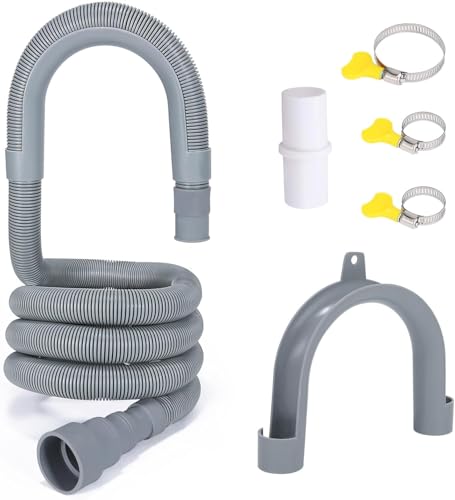
PinkCross Universal Washing Machine Drain Hose Extension, Flexible Washer & Dishwasher Hose, Portable Sink & Dehumidifier Pipe, Corrugated Plastic Hose with Clamp (6.5ft)
- Multi-Diameter Compatibility: Includes four different diameter connectors
- Complete Drain Hose Kit: 6.5ft hose, adapter, clamps, and U-bracket included
- Leak Prevention: Secure seals to prevent leaks and keep your home dry
As an affiliate, we earn on qualifying purchases.
As an affiliate, we earn on qualifying purchases.
Frequently Asked Questions
How Do I Prevent My Washer Drain From Clogging Again?
To prevent your washer drain from clogging again, you should regularly perform drain pipe maintenance by removing debris and buildup. Keep an eye on your laundry room tips, like using lint traps and avoiding overloading the washer. Also, run hot water or a cleaning cycle periodically to clear minor clogs. Staying proactive guarantees smooth drainage and prevents future blockages, making laundry day hassle-free.
Can I Use Chemical Drain Cleaners on My Washing Machine?
You shouldn’t use chemical cleaners on your washing machine drain because they can damage the pipes and your appliance. Instead, focus on drain maintenance like regularly cleaning the filter and avoiding debris buildup. If you suspect a clog, try using a natural or mechanical method first. Chemical cleaners might seem quick, but they can cause more harm than good over time, so stick to safer, preventative measures.
What Signs Indicate a Pump Failure in My Washer?
If you notice your washer isn’t draining properly, pump failure might be the cause. Signs include water remaining in the drum after the cycle ends, strange noises during operation, or the washer stopping unexpectedly. Drainage issues that persist despite clearing clogs often point to a faulty pump. Check for debris or damage to the pump and replace it if necessary to restore proper drainage and prevent further problems.
Is It Safe to DIY Repair My Washing Machine Drain?
Fixing your washer drain yourself is safe if you follow proper precautions. Think of it like fixing a leaky faucet—you can often do it with basic tools and careful steps. However, if you’re unsure or if the problem persists, a professional inspection is wise. They can advise on replacement options and guarantee safety. Always unplug the machine first and consult the manual to avoid damaging components.
How Often Should I Clean My Washing Machine Drain?
You should clean your washing machine drain at least every three to six months to make certain proper drain maintenance. Regular cleaning helps prevent clogs and keeps your washer running smoothly. If you notice slow draining or bad odors, it’s a sign you need to increase cleaning frequency. Make it a habit to check and clear the drain to avoid costly repairs and extend your washer’s lifespan.
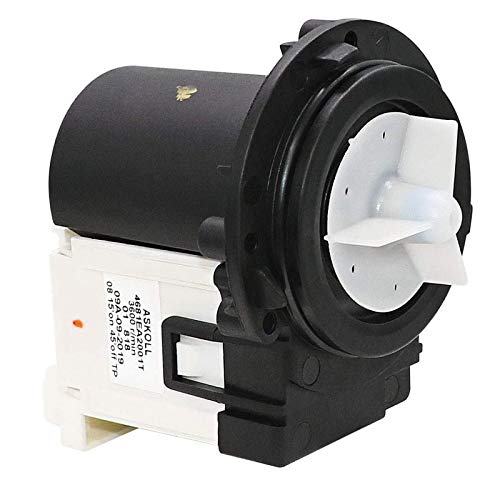
4681EA2001T Washer Drain Pump OEM Motor Replace for Kenmore & LG Washing Machine Replacement AP5328388 4681EA1007G 4681EA1007D Fit for Drain Pump Washing Machine WM2101HW WM3270CW WM3431HS WM3770HVA
- OEM Replacement Part: 4681EA2001T LG washer drain pump
- Easy Installation: Tools needed: screwdriver, pliers, 30-60 mins
- Compatible Models: Fits Kenmore and LG washers
As an affiliate, we earn on qualifying purchases.
As an affiliate, we earn on qualifying purchases.
Conclusion
Don’t delay diagnosing and draining your drain dilemma. With a little diligence, you can dazzle your device back into duty. Clear clogs, check hoses, and clean filters to keep your washer working wonderfully. Remember, a simple session of scrutiny can save you significant stress and summer spills. So, stay spirited, stay savvy, and soon you’ll see your washer smoothly spinning, singing, and sending water where it should go. Your diligent efforts deliver delightful, drain-free days!

Drain Auger, Clog Remover with Drill Adapter, 25 Feet Flexible Plumbing Snake Use Manually or Powered for Kitchen, Bathroom and Shower Sink, Comes with Gloves (orange)
- Length: 25 feet flexible drain snake
- Includes Gloves: Protective gloves included
- Versatile Use: Suitable for various drains
As an affiliate, we earn on qualifying purchases.
As an affiliate, we earn on qualifying purchases.

VEVOR Drain Cleaner Machine 100 FT x 3/4 Inch, Auto Feed Sewer Snake Auger, Portable Drain Cleaning Machine with Multi-Wheel Combination, 6 Cutters & Air-Activated Foot Switch for 4" to 8" Pipes
- Auto-Feeding System: Automates cable movement for efficiency
- High-Speed Motor: 1700 RPM for powerful clog removal
- Premium Steel Cable: 100FT x 3/4 inch resistant to breakage
As an affiliate, we earn on qualifying purchases.
As an affiliate, we earn on qualifying purchases.