
To prevent mice from invading your home, start by sealing all entry points with durable materials like steel wool or caulk. Keep your space clean by storing food in airtight containers and disposing of trash promptly. Manage outdoor areas by trimming vegetation, removing debris, and keeping firewood away from your foundation. Use traps strategically and consider rodenticides for long-term control. For more detailed tips, you’ll find effective methods that keep mice out for good.
Key Takeaways
- Seal all gaps larger than a quarter-inch in foundations, walls, vents, doors, and utility lines with durable materials.
- Keep your home clean, store food in airtight containers, and promptly dispose of trash to eliminate food sources.
- Maintain outdoor vegetation, remove debris, and store firewood away from the house to reduce nesting sites.
- Place traps along walls and hidden areas, and regularly check and remove trapped mice promptly.
- Use EPA-approved rodenticides safely with bait stations, combined with sealing entry points and sanitation practices.

Steel Wool Mice Control, 2 Pack 3" x10 Ft Hole Filler, Gap Blocker, Barrier, Protect Against Animals in Holes, Siding, Pipeline, Vents for Garden, House, Garage
【Keep The Mice Away.】: Mice and all sorts of small animals will enter your home through holes of…
As an affiliate, we earn on qualifying purchases.
As an affiliate, we earn on qualifying purchases.
Seal Entry Points to Keep Mice Out
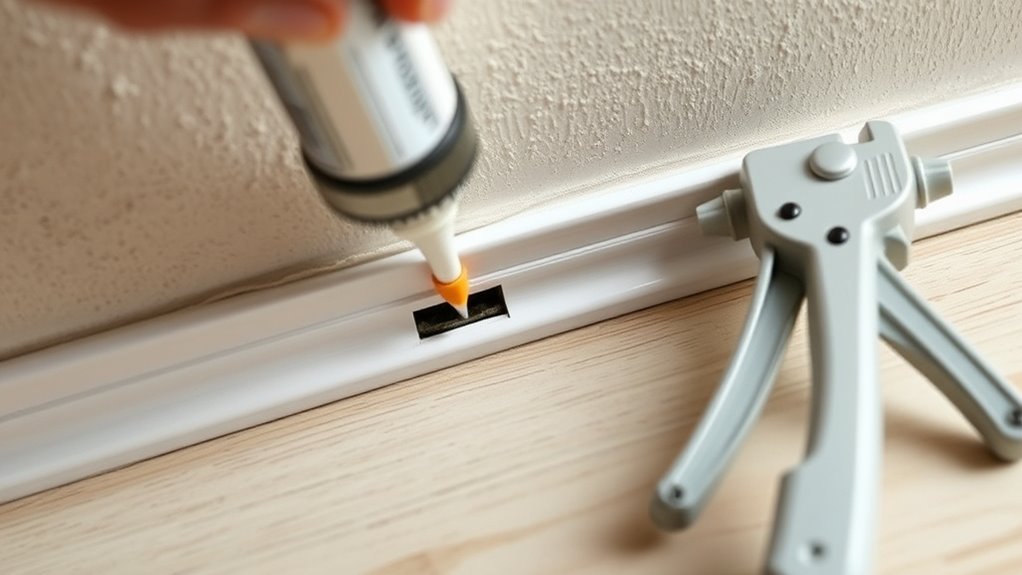
Sealing entry points is one of the most effective ways to prevent mice from invading your home. You should inspect your property thoroughly, looking for gaps larger than a quarter-inch—mice can squeeze through tiny cracks. Focus on areas around foundations, walls, vents, doors, windows, pipes, and utility lines both inside and outside. Use durable materials like hardware cloth, metal sheeting, or copper mesh to seal these openings securely. For small holes, tightly pack steel wool and seal with caulk or spray foam to block mice effectively. Make sure door sweeps, window screens, and vent covers fit tightly and are in good condition. Proper sealing creates a barrier that keeps mice from finding their way inside, reducing the risk of infestation. Additionally, understanding the natural behaviors of mice can help you identify potential entry points you might overlook. Recognizing mice movement patterns can assist in pinpointing less obvious entry spots around your home. Incorporating proper insulation can also help prevent mice from nesting in hidden areas, further protecting your home from invasions. Being aware of mice nesting habits can help you identify vulnerable areas that need extra attention.

Airtight Food Storage Containers with Lids, Vtopmart 24 pcs Plastic Kitchen and Pantry Organization Canisters for Cereal, Dry Food, Flour and Sugar, BPA Free, Includes 24 Labels,Black
Help Organize Your Kitchen and Pantry— Imagine every time walking to your kitchen or pantry, found everything is…
As an affiliate, we earn on qualifying purchases.
As an affiliate, we earn on qualifying purchases.
Keep Your Home Clean and Remove Food Sources

Keeping your home clean and eliminating accessible food sources are essential steps to prevent mice from settling in. Store all food in airtight containers, and avoid leaving crumbs or spills on counters and floors. Regularly clean your kitchen, paying close attention to hidden spots where crumbs may accumulate. Dispose of garbage promptly in sealed bins kept away from the house. Minimize clutter, especially cardboard boxes, paper, and wood, which mice use for nesting. Keep outdoor areas tidy by removing food scraps, sealing trash containers, and cleaning up seed spills from bird feeders. These actions remove the attractants mice seek, making your home less appealing. Proper sanitation practices are fundamental to preventing rodent infestations. Consistent sanitation and organization are key to discouraging rodents and maintaining a mouse-free environment. Monitoring entry points such as small gaps and cracks is also crucial to prevent mice from gaining access. Additionally, inspecting and repairing structural vulnerabilities around your home helps block potential entry routes for mice. Regularly checking your home’s perimeter defenses can further enhance your mouse-proofing efforts, similar to how precise field-of-view calculations in deep-sky imaging help optimize observation success.

Tomcat Rodent Station, Includes 1 Rodent Station with 4 Bait-Securing Rods and 1 Security Key – Fits Rat or Mouse Sized Traps (Baits & Traps Sold Separately), Use Indoors or Outdoors
INDOOR & OUTDOOR USE: Weather- and tamper-resistant for indoors and outdoors; usable as a mouse and rat bait…
As an affiliate, we earn on qualifying purchases.
As an affiliate, we earn on qualifying purchases.
Manage Vegetation and Outdoor Areas

Managing vegetation and outdoor areas is essential for preventing mice from accessing your home. Keep grass trimmed short and bushes well-maintained to eliminate hiding spots and make your yard less inviting. Remove dense ground cover, debris, and clutter near the foundation, as these provide shelter for mice. Store firewood, compost, and wood piles away from the house and elevate them off the ground to discourage nesting. Avoid thick mulch layers next to your home, since they create ideal hiding places. Regularly clear fallen leaves, branches, and yard waste to reduce cover. Maintaining a tidy yard increases visibility and makes it harder for mice to find shelter close to your home. Additionally, consider incorporating natural predators into your outdoor environment to help control rodent populations. By controlling outdoor vegetation, you disrupt mice’s natural habitat and lessen their chances of entering your living space. Proper landscape design can further reduce attractants near your home, making it less appealing to rodents. Incorporating native plantings can create a less hospitable environment for mice by reducing food sources and cover. Regularly inspecting and repairing any gaps or holes in your home’s exterior also plays a critical role in preventing entry and should be part of your comprehensive rodent control strategy. Furthermore, utilizing barrier methods around foundations can provide an additional layer of protection against intruders.

Pasimy 1 Pcs 7" l x 7" W x 5" H White Stainless Steel Vent Guard, Outside Dryer Vent Cover, Bird & Rodent Proof Exhaust Guard Hood Cover for Bathroom Kitchen Outdoor
The Package Includes: 1 Steel Vent Guard, with the size of approximately 7 x 7 x 5 inches/17.78…
As an affiliate, we earn on qualifying purchases.
As an affiliate, we earn on qualifying purchases.
Use Effective Traps and Barriers

Using effective traps and barriers is essential for quickly reducing and controlling a mouse infestation. Place snap traps or multiple traps along walls, behind furniture, and in dark, hidden areas where mice travel. Space traps no more than 10 feet apart for maximum effectiveness. Use highly sensitive traps by enlarging triggers or selecting clamshell-style traps for easier handling. Glue boards can be useful but only in areas inaccessible to pets and children; avoid dusty spots to maintain their stickiness. Always remove trapped mice promptly to prevent odors and discourage new rodents from moving in. Combine trapping with sealing entry points and maintaining sanitation. Regular inspection and proper placement help ensure success and prevent re-invasion. Proper sanitation and eliminating food sources further enhance trapping effectiveness. For added protection, consider using rodent-proof barriers such as sealing gaps and holes around your home to prevent mice from entering. Additionally, inspecting your home regularly for new entry points helps maintain a rodent-free environment over time. Incorporating preventive measures like these makes your home less attractive to mice and helps keep your space pest-free.
Safely Employ Rodenticides and Long-Term Strategies
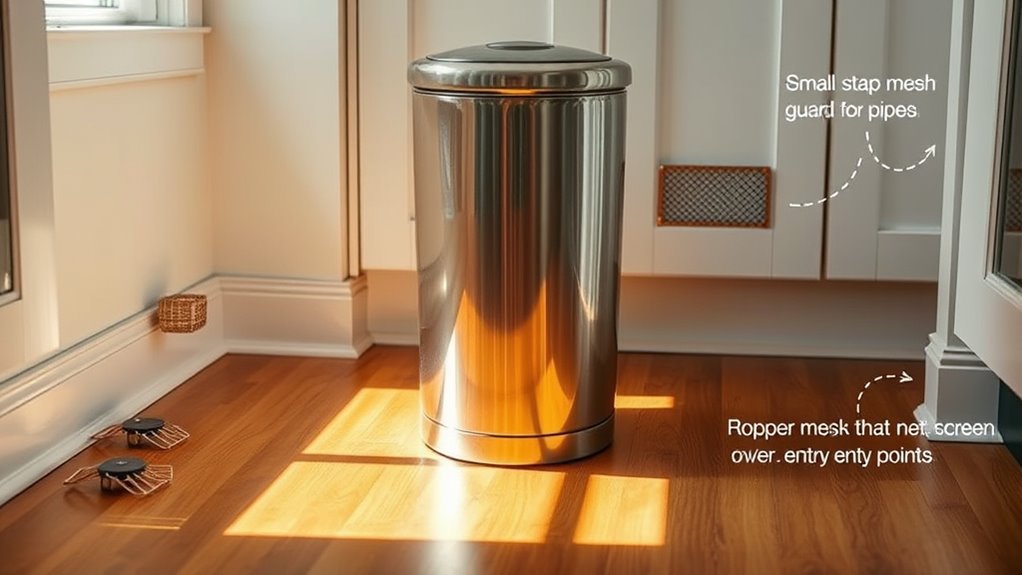
Are rodenticides a safe and effective solution for controlling persistent mouse problems? They can be, if used correctly as part of an integrated approach. To maximize safety and effectiveness, consider these strategies:
- Choose EPA-approved rodenticides and follow label instructions precisely to avoid accidental poisoning.
- Use bait stations to prevent pets and children from accessing toxic baits, and check them regularly to replace stale or contaminated bait.
- Combine rodenticide use with exclusion, sanitation, and trapping for long-term control, never relying solely on poisons.
- Incorporate smart home fitness technology to monitor and detect pest activity, enhancing your overall home safety.
Additionally, understanding dark psychology tactics can help you recognize and reduce the psychological triggers that may lead to neglecting pest prevention measures.
Always handle rodenticides with care, and keep them out of reach. Regular monitoring and maintenance ensure your efforts remain safe, effective, and sustainable over time.
Frequently Asked Questions
How Often Should I Inspect and Reseal Entry Points?
You should inspect and reseal entry points at least every three to six months. After severe weather, construction, or any structural changes, do a quick check to find new gaps. Regular inspections help catch small openings early before mice can exploit them. Keep an eye on previously sealed areas, and promptly reseal any new or damaged openings with durable materials like steel wool, caulk, or metal sheeting to maintain your home’s defenses.
What Are the Safest Rodenticide Options for Households With Children?
You should choose EPA-approved rodenticides specifically labeled as safe for households with children. Bait stations are your best option, as they contain the poison and prevent accidental contact. Always follow the instructions carefully, place stations out of children’s reach, and monitor regularly. Combining bait stations with exclusion and sanitation creates a safer, more effective approach. Never use open bait or loose poison indoors, and consider consulting pest control professionals for added safety.
How Can I Identify Early Signs of a Mouse Infestation?
Imagine tiny, unseen footprints in your pantry flour or fresh droppings on the kitchen floor. Early signs of a mouse infestation include these fresh droppings, gnawed wires or packages, and unusual scratching sounds in walls or ceilings at night. You might also notice a musky odor or shredded paper near hidden corners. Keep alert to these clues, so you can act quickly before a small problem becomes a big one.
Are There Eco-Friendly Alternatives to Chemical Rodenticides?
Yes, eco-friendly alternatives to chemical rodenticides include natural deterrents like peppermint oil, which mice dislike, and ultrasonic devices that emit high-frequency sounds to repel them. You can also set humane traps to catch mice without chemicals, and use integrated pest management practices like sealing entry points, maintaining cleanliness, and removing nesting materials. These methods are safe for your family and environment, helping you control mice without harmful chemicals.
What Professional Services Are Recommended for Severe Infestations?
Think of your home as a fortress under siege. For severe infestations, you should call in professional pest control experts who specialize in rodent removal. They use targeted techniques like advanced trapping, baiting, and sealing strategies to clear out mice efficiently. These pros also identify hidden entry points you might miss, ensuring your fortress stays secure long-term. Trust their expertise to restore peace and safety to your home.
Conclusion
By sealing entry points, keeping your home spotless, managing outdoor vegetation, and using traps wisely, you can effectively prevent mice from invading. Did you know that a single mouse can squeeze through a hole as small as a dime? That’s why these proactive steps are essential. Stay vigilant and consistent, and you’ll create a mouse-proof environment that keeps these pests at bay and your home safe and comfortable.