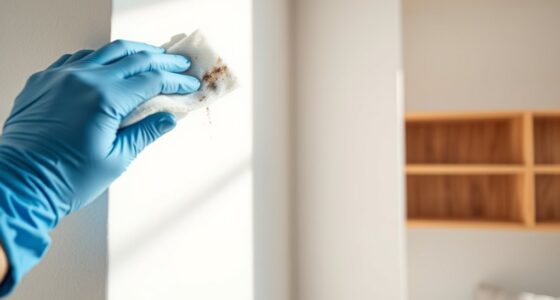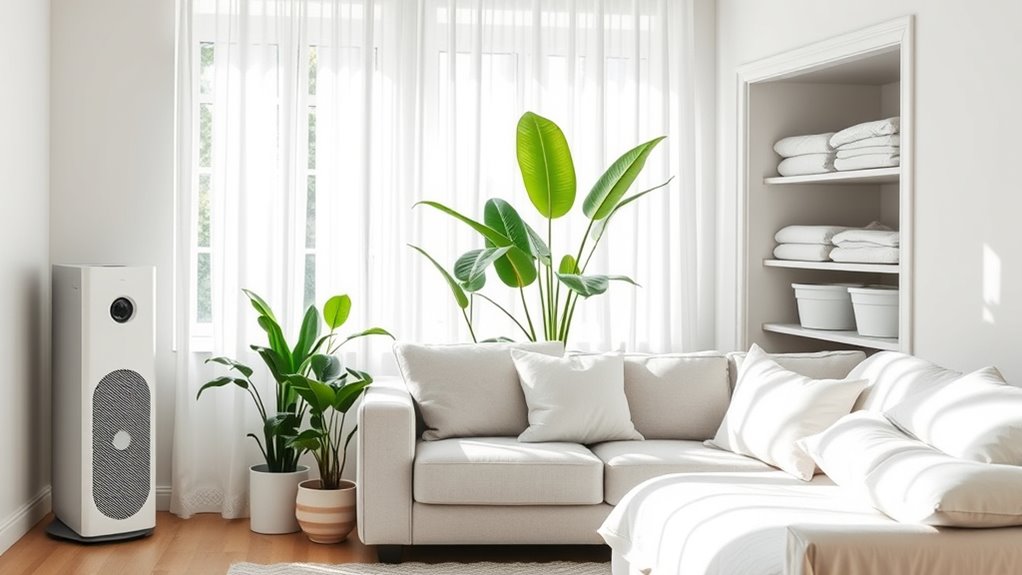

To allergen-proof your home, start by regular cleaning with damp cloths and vacuuming with a HEPA filter to trap dust mites, pet dander, and mold spores. Keep pets out of bedrooms, groom them regularly, and use air purifiers for cleaner air. Control humidity below 50% to prevent mold growth, and seal windows and vents to reduce outdoor allergens. Want more tips on creating a healthier indoor environment? Keep exploring to learn how to make your home truly allergen-resistant.

Get everyday essentials delivered free with Prime
- Fast, free delivery on millions of items
- Prime Video, Amazon Music and more included
- Member-only deals all year
Key Takeaways
- Use HEPA air purifiers and regularly change HVAC filters to trap airborne allergens like dust mites, pet dander, and mold spores.
- Keep indoor humidity below 50% with dehumidifiers and fix leaks to prevent mold growth.
- Vacuum and dust frequently with damp cloths or microfiber to reduce settled allergens on surfaces.
- Create pet-free zones and groom animals regularly to minimize pet dander in the home.
- Seal windows and vents and keep doors closed during high pollen seasons to limit outdoor allergen entry.
As an affiliate, we earn on qualifying purchases.
Identifying Common Indoor Allergens in Your Home
Have you ever wondered what allergens might be lurking in your home? Many common indoor allergens are invisible but can trigger allergy symptoms. Dust mites live in bedding, furniture, and carpets, leaving droppings that cause reactions. Pet dander from cats and dogs easily spreads throughout your house, especially if pets sleep or play on furniture. Mold spores thrive in damp areas like bathrooms and basements, releasing tiny particles into the air. Cockroach allergens, often found in kitchens, can also be problematic. Rodent dander and droppings tend to gather behind appliances or in hidden corners. Identifying these allergens involves inspecting damp spots, noticing pet behaviors, and paying attention to areas with heavy dust or signs of pests. Knowing what’s present is the first step to reducing your allergen exposure. Additionally, understanding projector contrast ratio can help you better evaluate your home environment’s impact on air quality and comfort. Indoor air quality is a crucial aspect to consider when aiming to allergen-proof your house effectively. Recognizing common allergen sources in your home can guide targeted cleaning and mitigation strategies, including implementing specific air purification methods to improve indoor air quality. Regular vacuuming and dusting can significantly reduce allergen buildup and improve overall air cleanliness.
dehumidifier for mold prevention
As an affiliate, we earn on qualifying purchases.
As an affiliate, we earn on qualifying purchases.
The Impact of Allergens on Respiratory Health

Did you know that indoor allergens can markedly worsen respiratory health? When allergens like dust mites, pet dander, mold spores, or cockroach residues are present, they can trigger asthma symptoms, cause wheezing, shortness of breath, and chest tightness. For many, these allergens increase the frequency and severity of respiratory issues, especially in those already diagnosed with asthma or allergies. High allergen levels can also lead to persistent coughing and nasal congestion, making breathing more difficult. Exposure to indoor allergens elevates inflammation in your airways, reducing lung function over time. Additionally, understanding air quality and how to improve it can significantly reduce allergen levels. Improving ventilation and filtration systems can help remove airborne allergens more effectively. Implementing targeted sound therapy techniques can help individuals better manage their reactions to environmental triggers. Regular cleaning and maintaining low humidity levels are crucial in reducing allergen buildup and preventing mold growth. This means that the more allergens you’re exposed to, the higher your risk of developing chronic respiratory problems. Managing allergen levels in your home is essential to protect your respiratory health and breathe easier daily.
As an affiliate, we earn on qualifying purchases.
Effective Cleaning Strategies to Reduce Allergens

To cut down on allergens, make sure you dust regularly using a damp cloth to trap dust instead of spreading it around. Vacuum with a HEPA filter at least once a week to remove pet dander, dust mites, and other tiny particles. Proper cleaning techniques can considerably lower allergen levels and improve your home’s air quality. Additionally, utilizing robot vacuum cleaners with HEPA filters and advanced cleaning devices can further enhance allergen reduction efforts. Incorporating regular dog grooming routines can also help minimize pet allergens in your home environment. Regularly inspecting and maintaining your HVAC system ensures filters are effective and allergens aren’t circulating through your air. Implementing architectural solutions such as sealed windows and improved ventilation can also help control indoor allergens.
Regular Dusting Practices
Ever wonder how regular dusting can substantially cut down indoor allergens? Dusting frequently removes dust mites, pet dander, and other particles that settle on surfaces. Use a damp cloth or microfiber duster to trap allergens rather than just spreading them around. Focus on high-touch areas like shelves, furniture, and baseboards. Don’t forget to dust light fixtures, ceiling fans, and vents, which can harbor hidden allergens. Make dusting a weekly routine to prevent buildup. When you dust, you’re reducing the amount of allergens that can become airborne and trigger reactions. Regular dusting also improves indoor air quality, making your home more comfortable and safer for allergy sufferers. Consistency is key—you’ll notice fewer allergy symptoms with each cleaning session.
HEPA Vacuuming Techniques
Using a HEPA vacuum is one of the most effective ways to reduce indoor allergens. It traps tiny particles like dust mites, pet dander, and mold spores, preventing them from recirculating in your home. To maximize its effectiveness:
- Always vacuum slowly and methodically, overlapping passes to ensure thorough cleaning.
- Focus on high-traffic areas, carpets, rugs, and upholstery where allergens tend to accumulate.
- Empty the vacuum bag or canister frequently to prevent buildup and maintain suction power.
Make sure your vacuum has a sealed system to prevent allergen escape. Use attachments to clean hard-to-reach spots, like under furniture and along baseboards. Regular HEPA vacuuming greatly lowers allergen levels and improves indoor air quality.
As an affiliate, we earn on qualifying purchases.
Using Air Purifiers and HEPA Filters for Better Air Quality
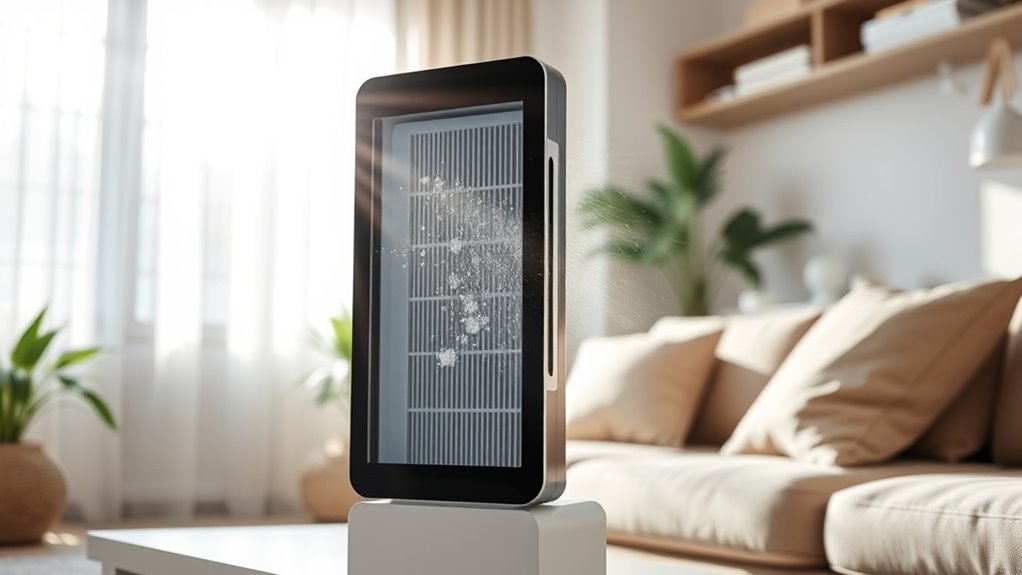
Have you ever wondered how to substantially improve the air quality inside your home? Using air purifiers with HEPA filters is one of the most effective ways to do that. HEPA filters can trap tiny particles like dust mites, pet dander, mold spores, and pollen, greatly reducing allergens in the air. Place an air purifier in bedrooms and common living areas where you spend the most time. Make sure it runs continuously or during peak allergy seasons for maximum benefit. Regularly replace or clean the filters as recommended by the manufacturer to guarantee excellent performance. Incorporating Free Floating particles into your home’s air purification strategy can further enhance overall air quality. Ensuring proper airflow around the unit can improve its efficiency and effectiveness. Using air exchange systems or ensuring good ventilation can help remove indoor pollutants more effectively. Combining an air purifier with good ventilation and routine cleaning can markedly lower allergen levels, helping you breathe easier and reducing allergy symptoms indoors. For more insights, consider Youngster Choice on how to manage your home’s air quality effectively. Additionally, choosing an effective filtration system can significantly enhance the overall air purification process.
Managing Pet Dander and Keeping Animals Allergic-Free

You can reduce pet dander in your home by creating designated pet-free zones, especially in bedrooms and common areas. Regular grooming and bathing your animals help minimize dander spread, making your space more allergy-friendly. Using effective air filtration, like HEPA filters, further captures airborne allergens and keeps the air cleaner. Incorporating proper air filtration techniques can significantly improve indoor air quality for allergy sufferers.
Designate Pet-Free Zones
Designating pet-free zones in your home is an effective way to reduce pet dander and create allergy-friendly spaces. By establishing areas where pets aren’t allowed, you limit allergen buildup and protect sensitive individuals. Focus on key spaces like bedrooms, where you spend a lot of time, and living rooms to minimize exposure. To guarantee these zones are effective, consider:
- Keeping pets out of bedrooms and off furniture
- Using door barriers or baby gates to restrict access
- Regularly cleaning and vacuuming these areas with a HEPA filter
- Utilizing lint rollers to remove pet hair from fabrics and surfaces, maintaining cleaner, allergen-reduced environments
This approach helps contain pet dander, reducing allergy symptoms and creating safer environments for allergy sufferers. Consistent enforcement and cleaning make pet-free zones an essential part of your allergen-proofing strategy.
Regular Grooming Routines
Regular grooming routines are essential for managing pet dander and maintaining a healthier indoor environment. Brushing your pet frequently, ideally outside, helps remove loose fur and dander before they settle on furniture or carpets. Bathing your pet weekly with a hypoallergenic shampoo reduces allergens on their coat and skin. Regular grooming also includes trimming long hair, which can trap more dander. Keep grooming tools clean and wash your hands afterward to prevent transferring allergens to your face or other surfaces. If you or your family members are allergic, consider having someone else handle grooming tasks. Consistent grooming minimizes the amount of pet dander in your home, making it easier to manage allergies and breathe easier indoors.
Effective Air Filtration
How can effective air filtration help manage pet dander and keep allergies at bay indoors? It actively removes airborne allergens, reducing pet dander and other irritants. Using high-quality filters makes a significant difference. Consider these key points:
- Install HEPA air purifiers to trap tiny particles
- Use HEPA filters in your vacuum cleaner for thorough cleaning
- Replace filters regularly to maintain efficiency
These steps ensure allergens don’t circulate freely, helping you breathe easier. HEPA filters capture pet dander, dust mites, and mold spores, lowering indoor allergen levels. Keep the air clean and reduce allergy symptoms by investing in reliable filtration systems. Proper air filtration complements regular cleaning and pet management, making your home a healthier, allergy-friendly space.
Controlling Mold Growth and Humidity Levels

Mold growth thrives in homes with high humidity and damp conditions, making it essential to control moisture levels to prevent allergens. Start by keeping indoor humidity below 50%. Use a dehumidifier in damp areas like basements and bathrooms, and ensure proper ventilation. Fix any leaks immediately, as water intrusion creates ideal mold environments. Regularly clean and dry areas prone to moisture, such as showers, sinks, and window sills. Use exhaust fans or open windows to improve airflow, especially during cooking or bathing. Maintain gutters and downspouts to prevent water from seeping into your home’s foundation. By managing humidity and moisture, you substantially reduce mold spores, protecting your home and reducing allergy symptoms.
Safeguarding Against Food Allergens in the Kitchen

To protect your family from food allergens in the kitchen, it’s essential to implement strict separation and cleaning practices. First, designate separate utensils, cutting boards, and cookware for allergen-containing foods. Always wash dishes thoroughly after preparing such meals. Second, store allergen foods in airtight containers, away from other groceries, to prevent cross-contact. Third, clean countertops, appliances, and sinks regularly with soap and water to eliminate residue. Additionally, consider using color-coded utensils for different food groups to reduce confusion. Use disposable gloves when handling allergens and wash hands thoroughly afterward. By maintaining these strict practices, you notably reduce the risk of accidental exposure and keep your kitchen a safer environment for everyone.
Seasonal Allergies and How to Minimize Their Effects Indoors

Seasonal allergies can considerably disrupt daily life, especially during peak pollen seasons. To reduce indoor pollen levels, keep windows closed when pollen counts are high. Use high-efficiency particulate air (HEPA) filters in your HVAC system and air purifiers to trap airborne allergens. Regularly clean floors and surfaces with a damp cloth to prevent pollen from settling. Shower and change clothes after outdoor activities to wash off pollen. Consider using allergen-proof covers on mattresses and pillows to prevent pollen from settling in your bedding. Keep indoor humidity low, ideally below 50%, to inhibit mold growth that can worsen allergy symptoms. By taking these steps, you can create a less allergenic environment and lessen the impact of seasonal allergies indoors.
Tips for Creating an Allergen-Resistant Living Environment

Creating an allergen-resistant living environment starts with simple, consistent steps to reduce indoor triggers. First, maintain a regular cleaning schedule to minimize dust, pet dander, and mold. Use a vacuum with a HEPA filter to trap allergens effectively. Second, wash bedding and curtains weekly in hot water to reduce dust mites. Third, control indoor humidity by fixing leaks and using dehumidifiers, which help prevent mold growth. Additionally, consider these tips:
Maintain a clean, dry home with HEPA filters to reduce indoor allergens effectively.
- Keep pets out of bedrooms and off furniture to limit dander.
- Install HEPA air purifiers to improve air quality.
- Seal cracks and vents to prevent pest entry and reduce allergens.
Frequently Asked Questions
How Can I Identify the Specific Indoor Allergens Affecting My Home?
You can identify specific indoor allergens by inspecting common problem areas like carpets, bedding, and pet zones. Consider using at-home allergy test kits or consulting an allergist for skin or blood tests. Keep a symptom diary to track when symptoms worsen, and note environmental changes. Regular cleaning, checking for mold, and observing pet behavior can help pinpoint triggers, so you can target your allergen-proofing efforts effectively.
Are There Natural Remedies to Reduce Indoor Allergens Effectively?
You might wonder if natural remedies can truly make a difference. The answer is yes—simple strategies like adding houseplants to boost air quality, using natural cleaning solutions such as vinegar and baking soda, and keeping a regular schedule of washing bedding in hot water can help reduce allergens. These methods work quietly but effectively, creating a healthier environment without harsh chemicals, so you breathe easier every day.
What Are the Best Ways to Prevent Mold Growth in Humid Areas?
To prevent mold growth in humid areas, you should control moisture levels by fixing leaks promptly and using dehumidifiers to keep humidity below 50%. Guarantee proper ventilation in bathrooms and kitchens, use exhaust fans, and open windows when possible. Regularly clean surfaces prone to mold, like shower curtains and bathroom tiles. Keep furniture and belongings away from damp walls to reduce mold-friendly environments and improve air circulation.
How Do I Safely Eliminate Pet Dander Without Giving up My Pets?
To safely eliminate pet dander without giving up your pets, start by regularly grooming and bathing them to reduce dander. Keep pets out of bedrooms and off furniture to limit spread. Use HEPA air purifiers and vacuum with a HEPA filter frequently. Wash bedding and soft toys weekly in hot water. Maintaining these habits minimizes allergens while allowing you to enjoy your pets’ company.
Can Food Allergens Be Mitigated Through Home Cleaning or Storage?
Yes, you can reduce food allergens at home by thorough cleaning and proper storage. Wipe down surfaces regularly to remove residue, especially where food is prepared or eaten. Store allergy-causing foods in airtight containers to prevent cross-contact and keep them away from common areas. Wash dishes and utensils promptly, and vacuum carpets and upholstery frequently with a HEPA filter to minimize allergen particles. These steps help manage food allergens effectively.
Conclusion
By taking these simple steps, you can considerably reduce indoor allergens and breathe easier at home. Did you know that up to 30% of people with allergies experience fewer symptoms when maintaining a cleaner, allergen-proof environment? Staying vigilant with cleaning, air quality, and managing pets can make a real difference. Start implementing these tips today, and enjoy a healthier, more comfortable living space free from the triggers that worsen your allergies.
Halloween Picks
halloween
As an affiliate, we earn on qualifying purchases.