
Cleaning your fridge coils is a simple way to save energy and prevent costly repairs. If your fridge isn’t cooling well, runs louder, or shows frost buildup, it might be time to clean the coils. Use a coil brush and vacuum to remove dirt and debris safely. Doing this every 2-3 months can boost efficiency and extend your appliance’s life. Keep going to discover more tips for easy energy savings.
Key Takeaways
- Regularly clean coils at least four times a year to maintain optimal heat transfer and energy efficiency.
- Turn off and unplug the refrigerator before cleaning to prevent electrical hazards.
- Use a coil brush and vacuum to remove dust, dirt, and pet fur from coils without water contact.
- Ensure proper airflow by leaving space behind the fridge and keeping door seals in good condition.
- Routine coil maintenance reduces strain on the compressor, lowers energy consumption, and extends appliance lifespan.

Refrigerator Coil Cleaning Brush,Sewer Set Brush Clog Remover,for Toilet, Kitchen Sink, Sewer, Bathroom Bathtub Hair Clogging Cleaning Tool,Long Drain Brush
DURABLE MATERIAL: The brush rod is made of high quality stainless steel, flexible and bendable. The spiral bristles…
As an affiliate, we earn on qualifying purchases.
As an affiliate, we earn on qualifying purchases.
Understanding How Dirty Coils Waste Energy
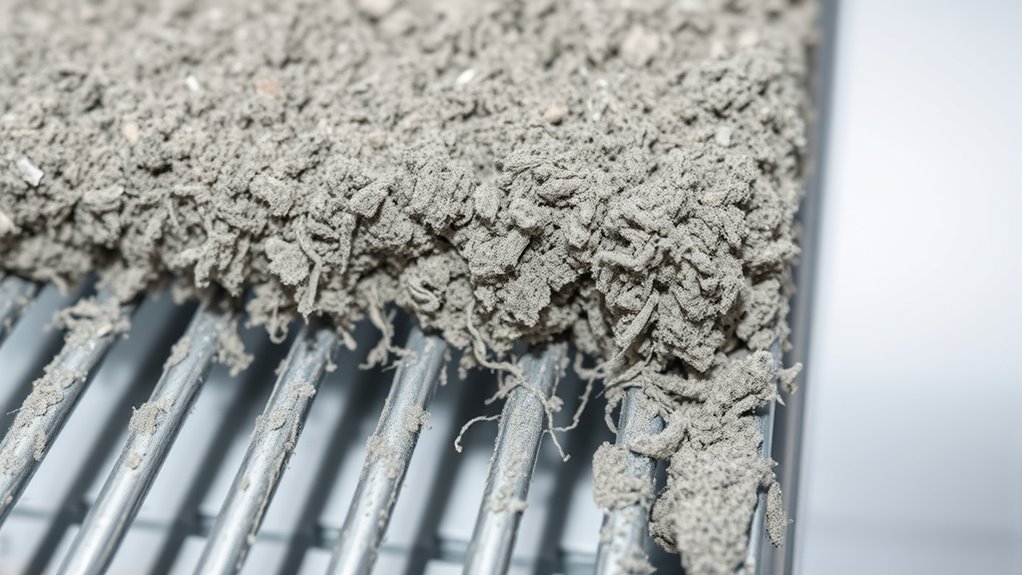
Dirty coils waste energy because they impair heat transfer, forcing your refrigerator’s compressor to work harder. When dust, dirt, or debris build up on the coils, they act as insulators, preventing heat from escaping efficiently. As a result, the system has to run longer and more frequently to maintain the set temperature. This increased workload strains the compressor, increasing energy consumption and reducing the appliance’s lifespan. Even a small layer of dirt—just 0.042 inches—can decrease coil efficiency by over 20%. The dirt traps moisture and pollutants, further hampering heat exchange and encouraging mold or bacteria growth. Proper coil cleaning methods are essential to optimize heat exchange and maintain energy efficiency. Regular maintenance can also prevent component wear and keep your refrigerator running smoothly. Additionally, understanding the importance of coil cleanliness can help you prevent costly repairs and improve overall appliance performance. Ensuring proper ventilation around the coils can also enhance heat dissipation and efficiency. Ultimately, dirty coils force your refrigerator to consume more power, drive up utility bills, and cause premature wear on key components. Properly cleaning your coils can be a simple yet effective way to conserve energy and extend the life of your appliance.

3 Pieces Dryer Vent Cleaner Kit: Vacuum Hose With Brush & Gloves Fits for Vacuums Cleaner, Refrigerator Condenser Coils, and Tight Spaces Behind Appliances, Deep Cleaning Tools for Clogged Ducts
UNIVERSAL COMPATIBILITY: Designed to attach securely to any standard vacuum cleaner hose for effective lint removal from dryer…
As an affiliate, we earn on qualifying purchases.
As an affiliate, we earn on qualifying purchases.
Signs That Your Refrigerator Coils Need Cleaning
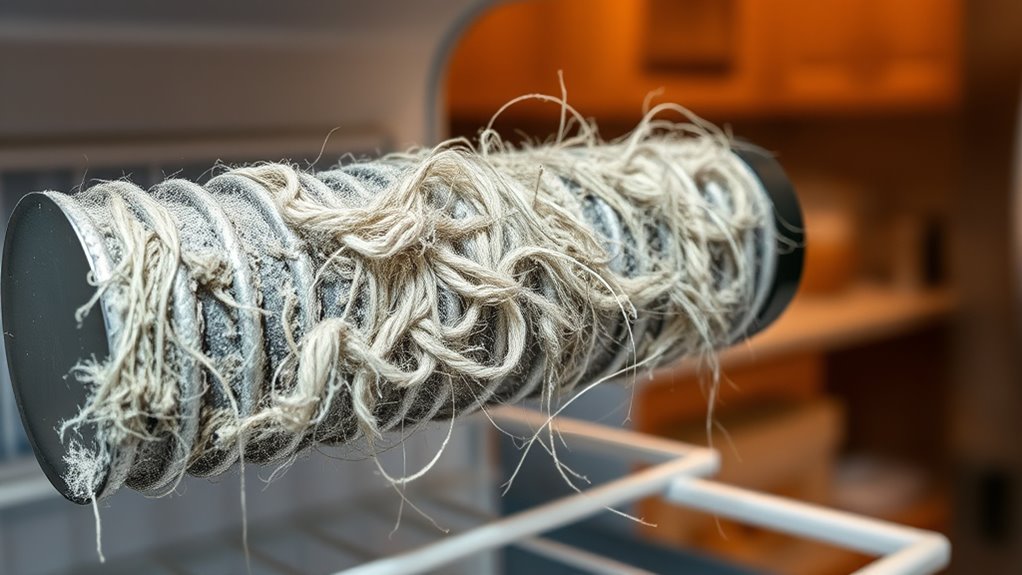
If your fridge isn’t cooling properly, dirty coils could be the cause. You might notice excessive dust buildup around the unit or on the coils themselves. These signs indicate it’s time to clean and restore your refrigerator’s efficiency. Additionally, free floating techniques can be used to improve the overall airflow around the coils, further enhancing performance. Ensuring your refrigerator’s air quality remains optimal can also prevent future issues related to poor cooling. Regularly inspecting and maintaining the coils can help prevent navigation and mapping issues that affect cooling efficiency. Proper hydraulics and airflow management are essential for consistent cooling and energy savings. Being aware of piercing risks and proper aftercare can also prevent potential complications if you have body piercings nearby.
Reduced Cooling Performance
When your refrigerator isn’t cooling as effectively as it used to, it could be a sign that the coils are clogged with dirt and debris. You might notice your fridge running longer than usual or struggling to maintain the set temperature. Food may spoil faster, or you might see frost buildup in unexpected places. These issues happen because dirty coils hinder heat transfer, forcing the compressor to work harder. As a result, cooling performance drops, and energy consumption increases. If you notice inconsistent cooling or your fridge seems louder, it’s likely time to inspect and clean the coils. Regular maintenance prevents this decline, keeps your refrigerator running smoothly, and helps you save energy and money over time. Recognizing these warning signs can help you address problems early before they lead to costly repairs or increased energy bills. Additionally, ensuring your refrigerator’s cooling system is clean can extend its lifespan and improve overall efficiency. Incorporating smart home devices, such as sensors that monitor appliance performance, can also alert you when maintenance is needed, further optimizing energy use.
Excessive Dust Accumulation
Excessive dust accumulation on your refrigerator coils is a clear sign that they need cleaning. When you notice a layer of dirt, lint, or pet fur on the coils, it’s a sign that airflow is restricted, and heat transfer is impaired. This buildup forces your refrigerator to work harder to cool, increasing energy consumption and wear on the compressor. You might also see dust around the unit or notice reduced cooling performance. If the coils feel sticky or greasy, it’s time to take action. Regularly inspecting the coils for dust and debris helps you catch buildup early. Cleaning them when necessary ensures your fridge runs efficiently, saves energy, and prolongs its lifespan. Recognizing the importance of net worth can motivate you to maintain your appliances efficiently to avoid costly repairs. Proper maintenance, including cleaning coils, is an essential part of home appliance care that can prevent unexpected breakdowns. Using the proper tools like a paint sprayer can make cleaning easier and more thorough. Incorporating regular preventive maintenance not only extends the life of your refrigerator but also improves its overall performance. Additionally, ensuring proper airflow around the coils can help maintain optimal efficiency. Don’t ignore dust—your refrigerator’s performance depends on it.

Dryer Vent Cleaner Kit & Refrigerator Condenser Coil Brush-Dryer Lint Brush Vent Trap Cleaner-Vacuum Attachment for Small Crevice-Dryer Cleaner Brush
✔ Improve Dryer Efficiency & Preventing Fire Risks of Your Beautiful House: Dryer manufacturers recommend regular lint removal…
As an affiliate, we earn on qualifying purchases.
As an affiliate, we earn on qualifying purchases.
Step-by-Step Guide to Safely Cleaning Your Coils
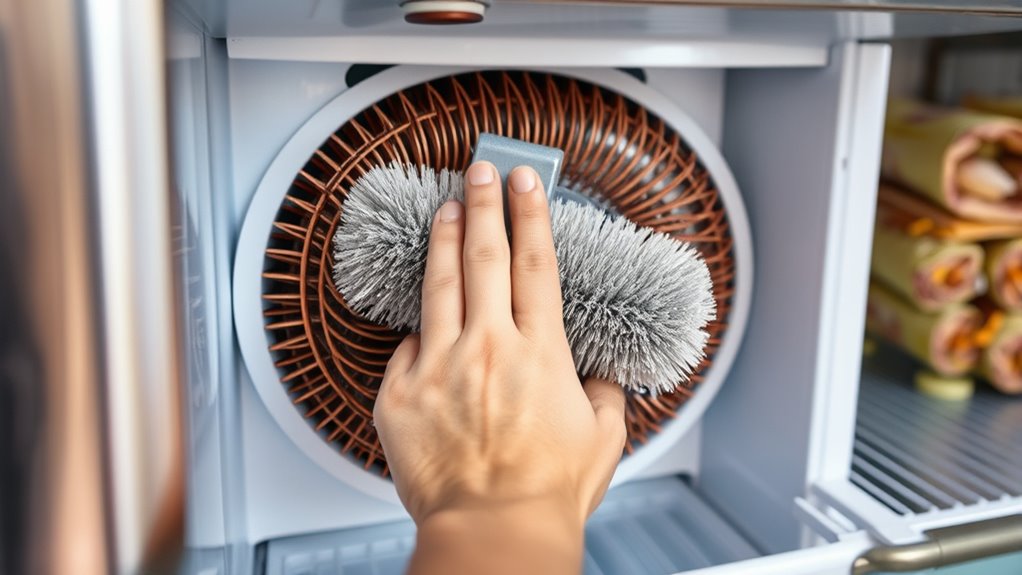
To clean your refrigerator coils safely, start by unplugging the unit to eliminate any risk of electric shock. Next, locate the coils—usually at the back or underneath—and prepare your cleaning tools: a coil brush, vacuum with a hose attachment, and a cloth. Use the brush to loosen dirt, then vacuum away debris carefully. Avoid using water directly on electrical parts. Regular maintenance helps improve energy efficiency and prevents strain on the compressor, which can extend your appliance’s lifespan.

4pcs Flexible Cleaning Brush Set for Dryer Vents, Fridge Coils, HVAC Systems & Tight Spaces – Multi-Use Lint and Dust Remover with Crevice Brush and Detailing Tools
【Deep Cleaning, Done Right】 Flexible stainless-steel shafts bend effortlessly into dryer vents, fridge coils, AC units, and behind…
As an affiliate, we earn on qualifying purchases.
As an affiliate, we earn on qualifying purchases.
How Often Should You Clean Your Refrigerator Coils?
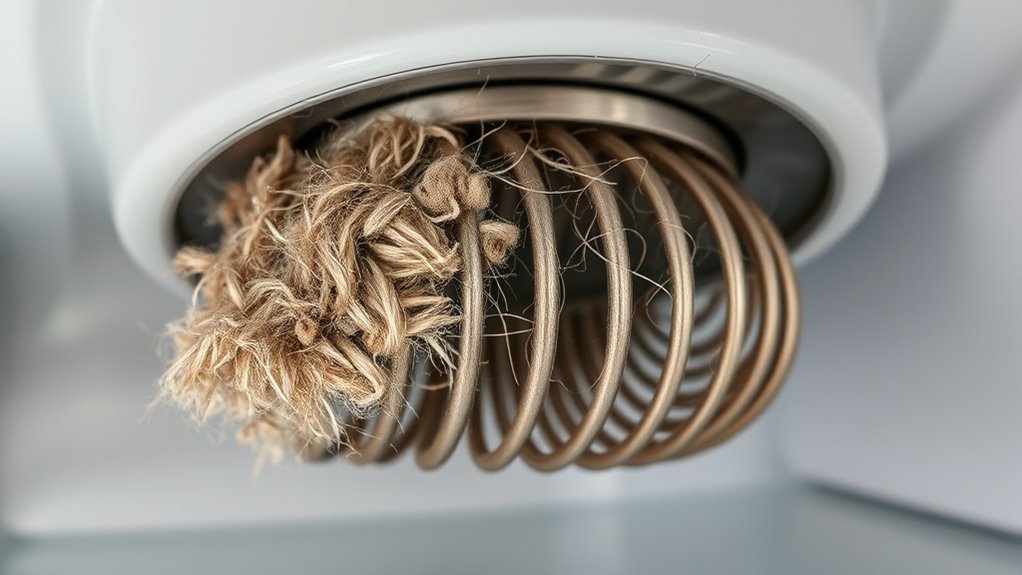
You should clean your refrigerator coils at least four times a year to maintain efficiency, but environments with heavy dust or pet fur may require more frequent attention. Keep an eye out for signs like reduced cooling performance, strange noises, or higher energy bills, which indicate it’s time for a cleaning. Regular maintenance helps prevent costly repairs and keeps your fridge running smoothly.
Recommended Cleaning Frequency
Regularly cleaning your refrigerator coils is essential for maintaining peak efficiency, and most experts recommend doing so at least four times a year. This schedule helps prevent dirt buildup that can cause your refrigerator to work harder and consume more energy. In high-traffic or dusty environments, consider cleaning every 2 to 3 months to keep performance ideal. If you have pets shedding fur or live in a humid area, more frequent cleaning may be necessary. For newer models with enclosed coils, professional cleaning might be the best option. Consistent maintenance not only boosts energy savings but also prolongs your fridge’s lifespan and reduces repair costs. Establishing a cleaning routine ensures your appliance runs smoothly and efficiently year-round.
Signs You Need Cleaning
Several signs indicate it’s time to clean your refrigerator coils before energy efficiency drops or costly repairs occur. If your fridge is running louder than usual or cycling on and off frequently, dirty coils might be the culprit. A noticeable increase in your energy bill is another red flag—fouled coils can cause the compressor to work harder, wasting electricity. Additionally, if your fridge isn’t cooling properly despite setting adjustments, dirty coils could be blocking heat transfer. Excessive dust, pet fur, or debris around the unit is a clear visual cue that cleaning is overdue. Finally, if you notice more frost buildup or a warm back or bottom panel, it’s time for a thorough coil inspection and cleaning. Addressing these signs promptly keeps your fridge efficient and prolongs its lifespan.
Additional Tips to Maximize Energy Savings
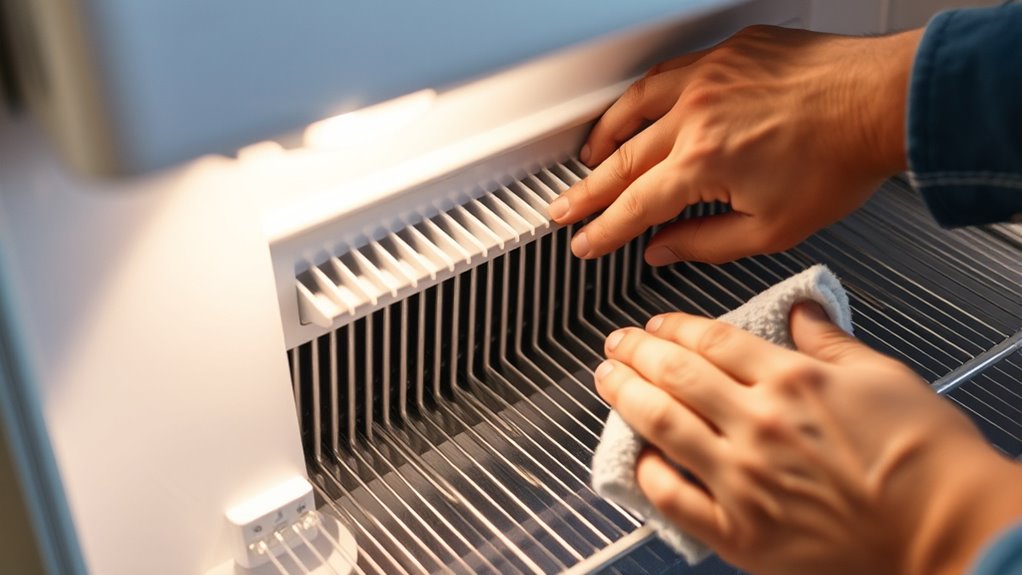
Maximizing energy savings involves more than just cleaning coils; it requires implementing complementary strategies that enhance overall efficiency. First, keep the refrigerator door closed as much as possible; frequent opening causes temperature fluctuations and increases compressor workload. Second, ensure your fridge is well-ventilated by leaving several inches of space behind it for proper airflow, which helps dissipate heat effectively. Third, check and replace door seals if they’re worn or damaged—cold air escapes, forcing the compressor to work harder. Finally, consider upgrading to ENERGY STAR-rated appliances when replacements are needed; these units consume less energy and work more efficiently. Combining these tips with regular coil maintenance drastically reduces energy use, lowers bills, and prolongs your refrigerator’s lifespan.
When to Call a Professional for Coil Maintenance

Knowing when to call a professional for coil maintenance is essential to guarantee your refrigerator runs efficiently. If you notice persistent issues like excessive noise, warm interior temperatures, or frequent cycling, it’s time to seek expert help. When cleaning coils yourself doesn’t improve performance or access is difficult, professionals are better equipped to handle enclosed or hard-to-reach coils safely and thoroughly. Signs of electrical problems, such as tripped breakers or burning smells, also indicate the need for expert inspection. If your unit is over 10-15 years old and showing declining efficiency despite regular cleaning, a professional assessment can prevent costly breakdowns. Regular professional maintenance ensures coils are cleaned properly, extending your fridge’s lifespan and maintaining peak energy savings.
Frequently Asked Questions
Can Cleaning Coils Improve My Fridge’s Cooling Speed?
Cleaning your coils can definitely improve your fridge’s cooling speed. When coils are dirty, they hinder heat transfer, causing your fridge to work harder and cool more slowly. By regularly cleaning the coils, you remove dirt, dust, and debris that block airflow, allowing your fridge to operate more efficiently. This means faster cooling, less energy use, and less strain on your appliance, helping it run smoothly and effectively.
What Tools Are Best for Cleaning Refrigerator Coils?
You should use a coil brush or a long-handled, soft-bristled brush to clean refrigerator coils effectively. A vacuum cleaner with a brush attachment also works well for removing loose dirt and dust. For stubborn grime, you can use a coil cleaning spray or mild detergent mixed with water. Remember to unplug the fridge before cleaning, and wear gloves to protect your hands during the process.
Is Cleaning Coils Safe for All Refrigerator Models?
Cleaning coils is generally safe for most refrigerator models if you follow proper procedures. You should unplug the unit first, then use a soft brush or vacuum with a brush attachment to carefully remove dirt and debris. Avoid using water directly on electrical components or coil covers that are sealed or enclosed. If you’re unsure, check your manufacturer’s instructions or consider professional cleaning, especially for newer or complex models.
How Do I Prevent Dirt Buildup on Coils?
To prevent dirt buildup on coils, you should regularly clean them at least four times a year, especially if you have pets or dust-heavy environments. Keep the area around your fridge clean and free of debris, and make certain of proper airflow by leaving space behind it. Use a vacuum or brush to remove dust and dirt, and consider installing washable filters to reduce dirt ingress and minimize frequent cleaning needs.
Do Coil Cleanings Affect Warranty or Service Agreements?
Cleaning your coils doesn’t usually void your warranty if you do it properly. You’re not breaking any rules by maintaining your refrigerator; in fact, it can help prevent issues. Just make sure to follow the manufacturer’s guidelines and use correct tools. If you’re unsure, consulting the manual or calling a professional guarantees you stay on the right side of the warranty terms. Don’t throw the baby out with the bathwater—proper maintenance is key.
Conclusion
Think of your fridge coils as the roots of a healthy tree. When they’re dirty, it’s like choking the roots, making the whole tree strain to grow. By keeping them clean, you give your fridge room to breathe and thrive, saving energy and money. Regular maintenance is your way of nurturing this unseen root system, ensuring your appliance stays strong and efficient for years to come. Your efforts keep your home running smoothly, just like a well-tended garden.