If you’re after stunning professional shots, I recommend the top four medium format cameras of 2026: the Fujifilm GFX100RF in both black and silver, the GFX100S II with its versatile mirrorless design, and the Hasselblad X2D 100C, known for its superb color capture. All feature high-resolution sensors, advanced stabilization, and portable builds. To find out which one suits your needs best and explore their features in detail, keep going—you’ll find everything you need here.
Key Takeaways
- All four models feature high-resolution 102MP sensors for exceptional detail and image quality.
- Compact, lightweight designs ensure portability without sacrificing professional performance.
- Advanced features like in-body stabilization, fast autofocus, and versatile creative options enhance shooting flexibility.
- Connectivity options such as Wi-Fi, HDMI, and USB facilitate seamless workflow and image transfer.
- While offering superb image quality, some models have limited battery life and higher price points.

Fujifilm GFX100RF Medium Format Camera - Black
Compact, portable rangefinder style design delivers classic camera handling
As an affiliate, we earn on qualifying purchases.
Fujifilm GFX100RF Medium Format Camera – Black
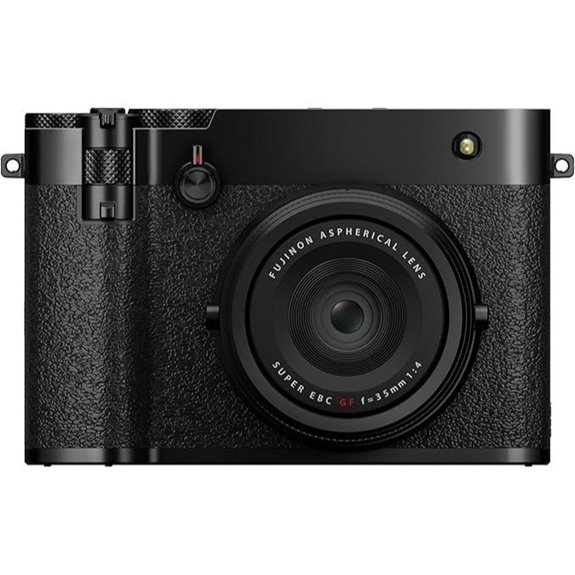
If you’re a professional photographer seeking exceptional image quality in a compact package, the Fujifilm GFX100RF Medium Format Camera is a standout choice. Its classic rangefinder design is sleek, lightweight at just 735 grams, and easily fits in your pocket. The camera features a 102-megapixel medium format CMOS sensor, delivering stunning detail and color. With a fixed 35mm wide-angle lens, digital teleconverter, internal ND filter, and leaf shutter, it offers creative flexibility. Connectivity options like HDMI, Wi-Fi, and USB ensure seamless workflow, while the robust build and premium materials make it a reliable tool for capturing high-end images on the go.
Best For: professional photographers and serious enthusiasts seeking exceptional image quality in a compact, portable medium format camera.
Pros:
- Compact rangefinder design weighing only 735g for easy portability and discreet shooting.
- High-resolution 102 MP CMOS sensor delivers stunning detail and vibrant color.
- Versatile features including internal ND filter, digital teleconverter, and leaf shutter for creative flexibility.
Cons:
- No built-in flash or water resistance, limiting some shooting environments.
- Limited battery life with approximately 90 minutes per charge.
- Higher price point may be a barrier for casual or hobbyist users.

Fujifilm GFX100RF Medium Format Camera - Silver
Compact, portable rangefinder style design delivers classic camera handling
As an affiliate, we earn on qualifying purchases.
Fujifilm GFX100RF Medium Format Camera – Silver
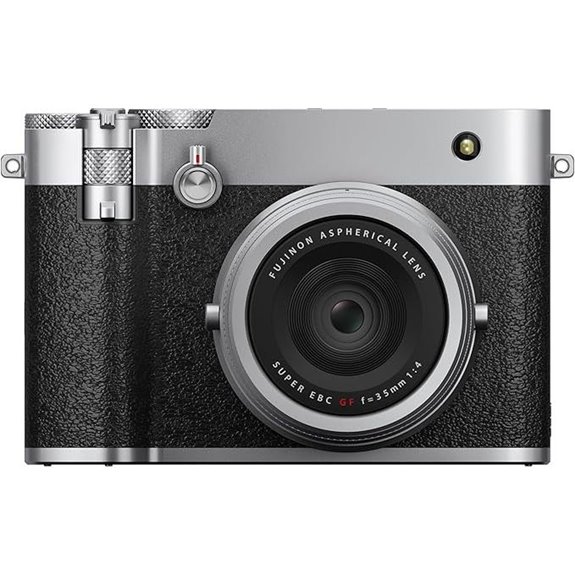
The Fujifilm GFX100RF Medium Format Camera in Silver stands out as an ideal choice for professional photographers who demand exceptional image quality without sacrificing portability. Its compact, rangefinder-style design makes handling comfortable and discreet, while the silver finish adds a sleek, stylish touch. Equipped with a 102-megapixel sensor, it captures incredibly detailed, high-resolution images perfect for large prints and professional work. The fixed 35mm lens offers sharp optical performance, with a digital teleconverter for versatile zooming. The new Aspect Ratio dial allows quick format adjustments, and 20 Film Simulation modes enable creative, film-inspired looks effortlessly.
Best For: professional photographers seeking high-resolution, portable medium format camera with versatile creative options.
Pros:
- High 102-megapixel sensor delivers detailed, high-quality images suitable for large prints.
- Compact, rangefinder-style design ensures portability and comfortable handling.
- Multiple Film Simulation modes and adjustable aspect ratios support creative versatility.
Cons:
- Fixed 35mm lens limits zoom flexibility compared to interchangeable lens systems.
- Premium features and build may come with a higher price point.
- Digital teleconverter, while versatile, may not match the quality of optical zoom in some scenarios.

Fujifilm GFX100S II Body Mirrorless Medium Format Camera Body
FUJIFILM GFX100S II digital camera features a newly developed sensor and processor pairing. The camera houses a high-speed,...
As an affiliate, we earn on qualifying purchases.
Fujifilm GFX100S II Body Mirrorless Medium Format Camera Body
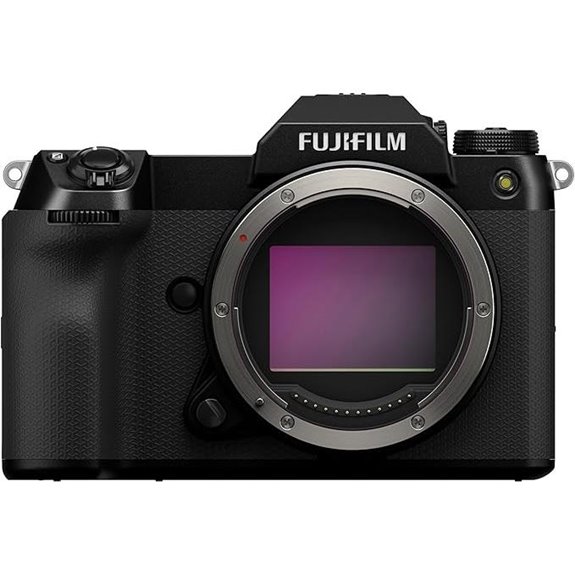
Designed for professionals who demand exceptional image quality, the Fujifilm GFX100S II Body Mirrorless Medium Format Camera offers a compact and lightweight build without sacrificing performance. Weighing just 883 grams, it features a 102-megapixel CMOS II sensor paired with the X-Processor 5 engine, delivering stunning high-resolution images and fast operation. Its ergonomic design includes a 3.2-inch tilting LCD and a high-resolution electronic viewfinder, ensuring easy framing. Supporting SDHC/XC UHS U3 cards and offering USB and HDMI connectivity, this camera balances portability with robust features, making it ideal for studio, landscape, and portrait work.
Best For: professional photographers and videographers seeking high-resolution medium format imagery in a portable, lightweight camera.
Pros:
- High 102 MP resolution with medium format sensor for exceptional image quality
- Compact and lightweight design (883g) for easy portability and handheld shooting
- Advanced autofocus with Face/Eye/Subject Detection and 8 stops of in-body stabilization
Cons:
- Customer rating of 3.7 stars suggests mixed reviews on performance or features
- Lacks built-in flash, potentially limiting flash photography options
- Limited to 4K/30p video recording, which may not satisfy all videographers’ needs

Hasselblad X2D 100C 100MP Medium Format Mirrorless Camera
UNRIVALED IMAGE QUALITY - Experience stunning detail with the 100MP medium format sensor, capturing images with exceptional clarity...
As an affiliate, we earn on qualifying purchases.
Hasselblad X2D 100C 100MP Medium Format Mirrorless Camera
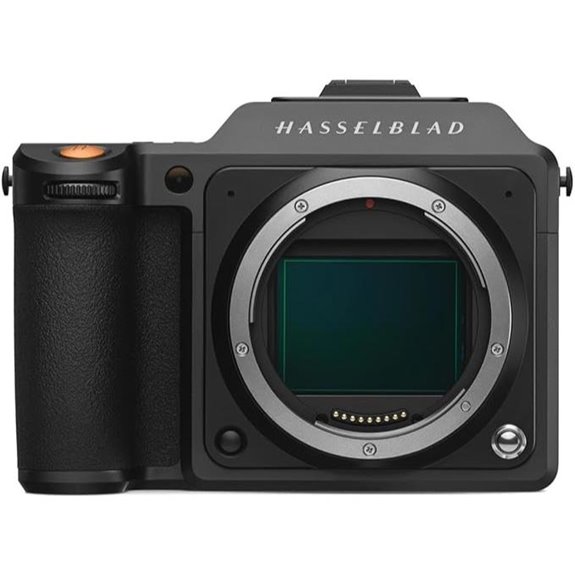
For photographers who demand exceptional image quality without sacrificing portability, the Hasselblad X2D 100C stands out as a top choice in 2026. Weighing just 4.7 pounds, it features a sleek design with a 72mm LCD touch screen for easy live view and settings control. Its 100MP medium format CMOS sensor captures over 281 trillion colors, delivering incredible detail and color accuracy. The camera offers a wide ISO range, fast autofocus, and 7 stops of stabilization, making it versatile in various shooting conditions. With 4K video, a 1TB SSD, and seamless connectivity, the X2D 100C combines high performance with portable design for professional and amateur photographers alike.
Best For: professional and amateur photographers seeking high-resolution medium format imaging in a portable, versatile camera.
Pros:
- Exceptional 100MP medium format sensor delivers stunning detail and color accuracy.
- Lightweight and sleek design enhances portability without sacrificing performance.
- Advanced features like 7 stops of stabilization and fast autofocus improve shooting versatility.
Cons:
- No built-in flash, requiring external lighting accessories.
- Limited maximum shutter speed of 1/200 seconds may restrict fast-action shooting.
- Higher price point reflecting premium quality, which may be less accessible for casual photographers.
Factors to Consider When Choosing Medium Format Cameras
When selecting a medium format camera, I focus on factors like image quality, size, and how quickly it can capture shots. Connectivity options and creative modes also matter, especially for professional workflows. Understanding these points helps me choose a camera that fits my needs perfectly.
Image Quality and Resolution
Choosing a medium format camera often comes down to image quality and resolution, as these factors determine how much detail your photos can capture. Larger sensors than full-frame 35mm models mean higher resolution and greater image detail, often ranging from 50MP to over 100MP. This high resolution allows for sharp, detailed images perfect for large prints and professional use. The extra image data also makes cropping and editing more flexible without sacrificing quality. Sensor technology plays a role too—backside illumination (BSI) sensors improve light sensitivity and reduce noise, enhancing image clarity in various lighting conditions. Ultimately, the maximum resolution and sensor size directly impact your camera’s ability to produce vibrant, crisp images with rich color and fine detail, essential for professional-grade photography.
Size and Portability
While image quality and resolution are essential, size and portability also play a key role in selecting a medium format camera. These cameras tend to be larger and heavier than full-frame or crop-sensor models, which can impact mobility. Fortunately, compact, lightweight designs are now available, often weighing under 1 kilogram, making them easier to carry on shoots. The size of the camera body affects how well it fits into bags or cases, influencing travel convenience. Features like tilting screens and smaller form factors help reduce bulk without sacrificing image quality. Whether you prioritize portability or prefer a more feature-rich, larger model depends on your mobility needs and shooting environment. Finding the right balance guarantees you’re prepared for professional results, wherever your photography takes you.
Autofocus and Speed
Autofocus and speed are critical factors that can make or break your experience with medium format cameras. A fast, accurate autofocus system guarantees sharp images, especially for portraits or fast-moving subjects. Many models now feature hybrid autofocus with advanced eye and face detection, making it easier to capture crisp, professional shots. Higher continuous shooting speeds, like 8 fps or more, let you seize fleeting moments without missing detail. The number of focus points—sometimes over 400—enhances subject tracking across the frame. In-body image stabilization (IBIS) also plays an essential role, reducing motion blur during handheld shots. Additionally, fast shutter speeds up to 1/4000 sec improve autofocus performance by enabling quick subject tracking and minimizing motion artifacts, ensuring your images are sharp and in focus, regardless of the scene.
Connectivity Options
Ever wondered how you can streamline your workflow with a medium format camera? Connectivity options are vital. Modern models typically include HDMI, Wi-Fi, and USB ports, making image transfer and control seamless. Wi-Fi enables wireless sharing and remote operation, saving time during shoots. HDMI ports are essential for live viewing and connecting to external monitors, especially in studio environments. USB connections facilitate quick data transfer and firmware updates; some cameras even feature multiple USB ports for added versatility. The variety and quality of these options directly impact your workflow flexibility and integration with other devices. Choosing a camera with robust connectivity ensures smoother collaboration, faster turnaround times, and better overall efficiency, whether you’re shooting on location or in the studio.
Creative Features and Modes
Creative features and modes are essential considerations when choosing a medium format camera, as they substantially influence your ability to capture unique images and expand your artistic options. Internal ND filters, digital teleconverters, and leaf shutters provide creative flexibility, allowing for unique effects and better control over lighting. Multiple film simulation modes enable you to achieve a variety of aesthetic looks directly in-camera, cutting down on post-processing. Aspect ratio dials and options help you quickly adapt framing styles, supporting diverse compositional needs. Advanced autofocus modes, like face, eye, and subject detection, ensure sharp focus on specific elements, enhancing creative control. Additionally, video features such as 4K recording and external options broaden your creative horizons beyond still photography, making these cameras versatile tools for all your artistic pursuits.
Frequently Asked Questions
How Do Medium Format Cameras Compare to Full-Frame Models?
Medium format cameras generally offer higher resolution and better image quality than full-frame models, especially in large prints or detailed work. They have larger sensors, which capture more light and produce richer tones. However, they tend to be bulkier, more expensive, and slower in autofocus. If you need top-tier detail and color depth, medium format is ideal. For versatility and affordability, full-frame cameras often suffice.
What Is the Typical Battery Life for These Professional Cameras?
I find that the typical battery life for professional medium format cameras ranges from about 400 to 700 shots per charge, depending on the model and usage. I always carry extra batteries to guarantee I don’t run out during a shoot. These cameras use high-capacity batteries, but heavy use of LCD screens and image processing can drain them faster. Planning ahead helps me stay ready for any professional assignment.
Are Medium Format Cameras Suitable for Video Production?
Sure, medium format cameras are perfect for video—said no one ever who values autofocus and portability. They’re primarily built for stunning stills, not fast-paced video shoots. While some models offer decent video features, they lack the agility and convenience of dedicated cinema cameras. If you’re serious about video, stick with those designed for motion. Medium format is better suited to capturing breathtaking images, not the latest viral TikTok videos.
How Important Is Lens Selection for Medium Format Photography?
Lens selection is incredibly important in medium format photography because it directly impacts image quality, sharpness, and creative control. I always choose lenses suited to my subject and desired aesthetic, knowing that premium glass enhances resolution and color. Investing in the right lens allows me to capture stunning detail and achieve professional results, making it a vital part of my workflow. Without careful lens choice, even the best camera won’t reach its full potential.
What Are the Maintenance Requirements for High-End Medium Format Cameras?
Maintaining high-end medium format cameras is surprisingly simple—if you enjoy wiping away dust and checking for scratches daily. I keep mine clean with a soft cloth, regularly update firmware, and store it in a dry, dust-free environment. Yes, they require some care, but honestly, a little attention keeps my camera performing flawlessly. Think of it as pampering a prized possession—worth every minute for perfect shots.
Conclusion
Choosing the right medium format camera is like selecting a brush for a masterpiece—each one offers unique strokes of detail and color. Whether you’re drawn to the sleek lines of Fujifilm’s latest or the timeless craftsmanship of Hasselblad, these cameras release your creative potential. Remember, the perfect shot isn’t just about gear; it’s about capturing the essence of your vision—like a painter’s final stroke that brings a canvas to life.