If you’re starting out, I recommend beginner-friendly lenses like versatile 18-55mm zooms and macro options such as 60mm F2.8 for detailed shots. Look for lenses with good autofocus, wide apertures for low light, and compatibility with your camera mount. Budget wisely, considering used gear for better quality without overspending. If you keep exploring, you’ll discover how to choose the perfect lens to grow your skills and creative options.
Key Takeaways
- Focus on versatile, budget-friendly zoom lenses like 18-55mm for beginners exploring multiple photography styles.
- Prioritize lenses with autofocus and wide apertures (f/2.8 or lower) for better low-light performance and creative depth.
- Ensure lens compatibility with your camera mount and sensor size to maximize functionality and image quality.
- Consider macro or prime lenses (50mm, 60-100mm) for specific genres like portraits or close-up photography.
- Look for lenses with image stabilization and quick autofocus features to improve sharpness and ease of use.
| Canon EOS 2000D Rebel T7 DSLR Camera Bundle | 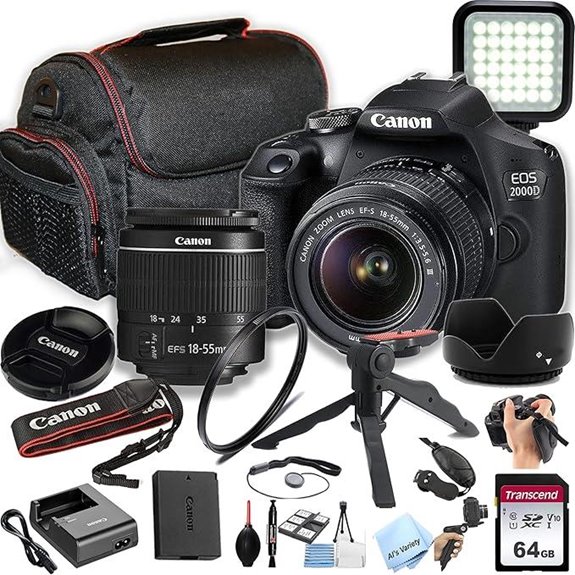 | Beginner-Friendly Choice | Sensor Type: 24.1MP APS-C CMOS | Connectivity: Wi-Fi, NFC | Image Processor: DIGIC 4+ | VIEW LATEST PRICE | See Our Full Breakdown |
| 7artisans 60mm F2.8 Macro Lens for Sony APS-C Cameras | 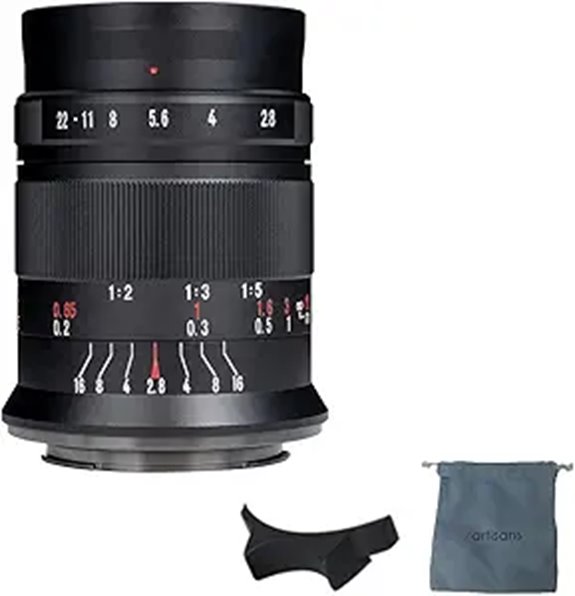 | Macro Masterpiece | Sensor Type: 60mm F2.8 Macro Lens (no sensor) | Connectivity: None specified | Image Processor: None specified | VIEW LATEST PRICE | See Our Full Breakdown |
| Canon EOS Rebel T7 DSLR Camera Bundle with Accessories | 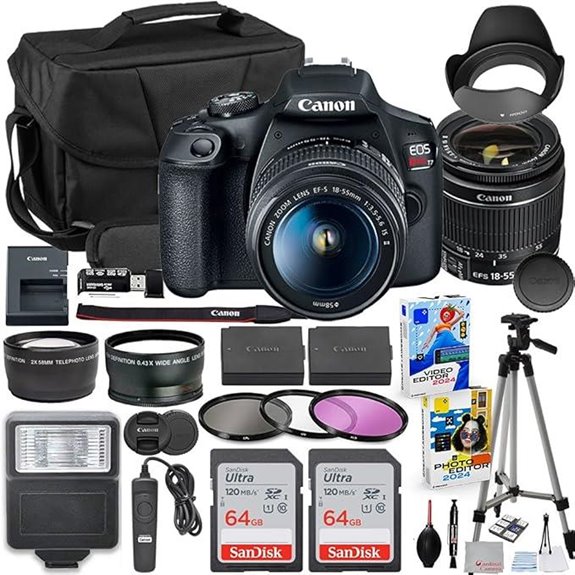 | Versatile Starter Kit | Sensor Type: 24.1MP APS-C CMOS | Connectivity: Wi-Fi, NFC | Image Processor: DIGIC 4+ | VIEW LATEST PRICE | See Our Full Breakdown |
| Canon Rebel T7 DSLR Camera Kit with 2 Lenses | 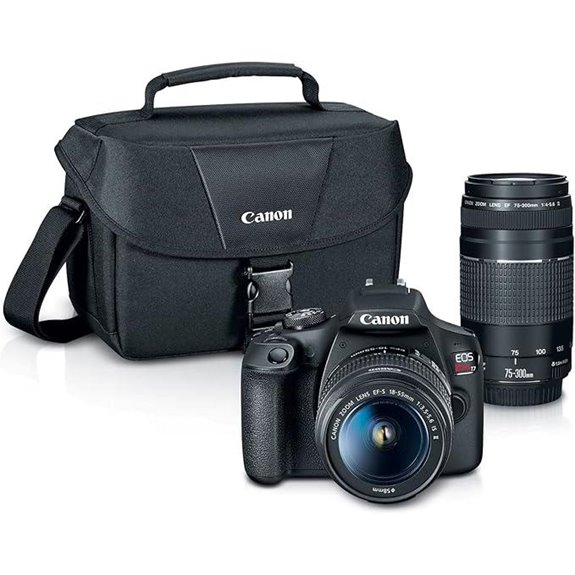 | All-in-One Beginner Set | Sensor Type: 24.1MP APS-C CMOS | Connectivity: Wi-Fi, NFC | Image Processor: DIGIC 4+ | VIEW LATEST PRICE | See Our Full Breakdown |
| Canon EOS R100 Mirrorless Camera Kit with 24MP Sensor | 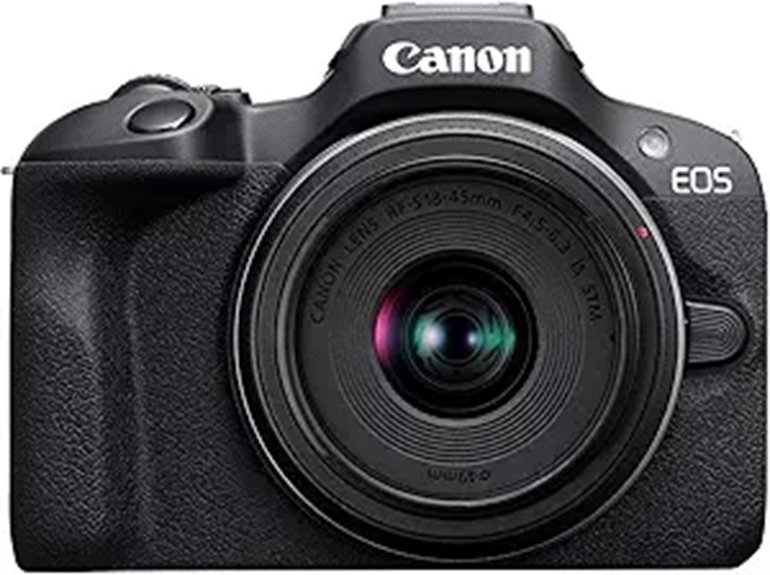 | Compact Quality | Sensor Type: 24.1MP APS-C CMOS | Connectivity: Wi-Fi, HDMI, USB | Image Processor: DIGIC 8 | VIEW LATEST PRICE | See Our Full Breakdown |
| Canon EOS Rebel T7 DSLR Camera with 18-55mm Lens |  | Classic Entry-Level | Sensor Type: 24.1MP APS-C CMOS | Connectivity: Wi-Fi, NFC | Image Processor: None specified | VIEW LATEST PRICE | See Our Full Breakdown |
More Details on Our Top Picks
Canon EOS 2000D Rebel T7 DSLR Camera Bundle
If you’re just starting out in photography, the Canon EOS 2000D Rebel T7 DSLR Camera Bundle is a fantastic choice because it combines user-friendly features with high-quality performance. With a 24.1MP APS-C CMOS sensor and DIGIC 4+ processor, it delivers sharp, detailed images quickly. The 3.0-inch LCD monitor and optical viewfinder make composing shots easy, while Full HD 1080p video adds versatility. Its built-in Wi-Fi and NFC enable instant sharing and remote control. The bundle includes an versatile 18-55mm lens, a 64GB memory card, and accessories, making it perfect for beginners enthusiastic to explore photography confidently.
- Sensor Type:24.1MP APS-C CMOS
- Connectivity:Wi-Fi, NFC
- Image Processor:DIGIC 4+
- Video Recording:Full HD 1080p
- Autofocus System:9-point AF
- Lens Compatibility:EF-S mount
- Additional Feature:Built-in Wi-Fi with NFC
- Additional Feature:Scene Intelligent Auto Mode
- Additional Feature:Includes comprehensive accessories bundle
7artisans 60mm F2.8 Macro Lens for Sony APS-C Cameras
The 7artisans 60mm F2.8 Macro Lens is an excellent choice for beginners who want a versatile, high-quality lens for their Sony APS-C mirrorless cameras. Its compact design, weighing just 342g and measuring 80.5mm long, makes it easy to carry and handle. The lens features an internal focusing mechanism for smooth operation, ideal for macro shots of flowers, insects, or still life, with a minimum focus distance of 0.175 meters. Its optical design includes 11 elements with one ED lens, reducing aberrations and delivering sharp, clear images from center to edge. Plus, it offers great customer support and a one-year warranty, making it a reliable choice.
- Sensor Type:60mm F2.8 Macro Lens (no sensor)
- Connectivity:None specified
- Image Processor:None specified
- Video Recording:None specified
- Autofocus System:Manual focus
- Lens Compatibility:Sony E-mount
- Additional Feature:Compact lightweight design
- Additional Feature:Internal focusing mechanism
- Additional Feature:Includes one ED lens element
Canon EOS Rebel T7 DSLR Camera Bundle with Accessories
For anyone starting their photography journey, the Canon EOS Rebel T7 DSLR Camera Bundle with Accessories offers an excellent combination of simplicity and versatility. It features a 24.1MP APS-C CMOS sensor and DIGIC 4+ processor, ensuring sharp images and smooth Full HD video. The bundle includes a versatile EF-S 18-55mm lens, perfect for everyday shooting, along with extra batteries, memory cards, and useful accessories. Built-in Wi-Fi and NFC make sharing easy, while Scene Intelligent Auto and Creative Modes help beginners achieve great results effortlessly. Its compact, lightweight design makes it ideal for learning and exploring photography without feeling overwhelmed.
- Sensor Type:24.1MP APS-C CMOS
- Connectivity:Wi-Fi, NFC
- Image Processor:DIGIC 4+
- Video Recording:1080p FHD
- Autofocus System:9-point AF
- Lens Compatibility:EF-S mount
- Additional Feature:Creative Auto and Filter modes
- Additional Feature:Extra Canon batteries included
- Additional Feature:2x 64GB memory cards
Canon Rebel T7 DSLR Camera Kit with 2 Lenses
Aspiring photographers seeking an entry-level DSLR that combines versatility with excellent image quality will find the Canon Rebel T7 DSLR Camera Kit with 2 Lenses to be an ideal choice. It features a 24.1 MP APS-C CMOS sensor that captures vibrant, detailed images even in low light. The kit includes an EF18-55mm lens for wide shots and an EF75-300mm telephoto lens for zoomed-in shots, making it perfect for various subjects. With built-in Wi-Fi, NFC, and a 3-inch articulating LCD, sharing and framing are straightforward. Its user-friendly auto modes and scene settings make it a great option for beginners wanting high-quality photos without complexity.
- Sensor Type:24.1MP APS-C CMOS
- Connectivity:Wi-Fi, NFC
- Image Processor:DIGIC 4+
- Video Recording:1080p FHD
- Autofocus System:9-point AF
- Lens Compatibility:EF-S mount
- Additional Feature:Articulating 3-inch LCD screen
- Additional Feature:Supports external flash via hotshoe
- Additional Feature:Multiple scene auto modes
Canon EOS R100 Mirrorless Camera Kit with 24MP Sensor
If you’re starting out in photography and want a compact, easy-to-use camera that still delivers high-quality images, the Canon EOS R100 Mirrorless Camera Kit is an excellent choice. It features a 24.1MP APS-C CMOS sensor that produces sharp, detailed photos with natural bokeh. The lightweight, small design makes it perfect for portability and everyday use. It supports 4K video at 24 fps and high-speed HD recording, ideal for versatile shooting. Powered by the DIGIC 8 processor and equipped with advanced Dual Pixel AF, it offers quick autofocus and continuous shooting up to 6.5 fps. Overall, it’s a user-friendly, affordable option for beginners seeking high performance.
- Sensor Type:24.1MP APS-C CMOS
- Connectivity:Wi-Fi, HDMI, USB
- Image Processor:DIGIC 8
- Video Recording:4K, HD at 60 fps
- Autofocus System:Dual Pixel CMOS AF
- Lens Compatibility:RF-S mount
- Additional Feature:4K video recording
- Additional Feature:Compact and lightweight
- Additional Feature:Continuous shooting 6.5 fps
Canon EOS Rebel T7 DSLR Camera with 18-55mm Lens
The Canon EOS Rebel T7 DSLR Camera with 18-55mm Lens is an excellent choice for beginners who want a straightforward, versatile entry point into photography. It features a 24.1 MP APS-C CMOS sensor that captures sharp, detailed images, while the 18-55mm kit lens covers a wide range of shooting scenarios. With a 9-point autofocus system and AI Servo AF, it tracks moving subjects easily. The camera offers Full HD video recording, built-in Wi-Fi and NFC for quick sharing, and compatibility with Canon EF lenses. Its user-friendly design makes it simple to learn, yet capable enough for developing your skills.
- Sensor Type:24.1MP APS-C CMOS
- Connectivity:Wi-Fi, NFC
- Image Processor:None specified
- Video Recording:Full HD 1080p
- Autofocus System:9-point AF
- Lens Compatibility:EF-S mount
- Additional Feature:Supports high-quality webcam use
- Additional Feature:ISO expandable to 12800
- Additional Feature:9-point autofocus system
Factors to Consider When Choosing Camera Lenses for Beginners
When choosing a lens, I consider my budget and how it fits with my camera model to avoid compatibility issues. I also think about the focal length I need and how an aperture size can affect my photos, especially in low light. Finally, I look at autofocus features to make sure I get sharp images quickly and easily.
Budget Considerations
Setting a realistic budget is essential for beginners starting their photography journey. I recommend allocating between $50 and $300 for a basic lens, balancing affordability with quality. Investing in a versatile lens, like an 18-55mm zoom, offers great value and covers most shooting needs without multiple purchases. High-end lenses with wider apertures or advanced features can be tempting, but they often come with a hefty price tag, so consider whether those features are necessary at your skill level. Buying used or refurbished lenses is a smart way to access higher-quality optics without overspending. Remember, it’s important to weigh cost against performance and ensure the lens is compatible with your camera body. Staying within your budget helps you grow without financial stress while still capturing great images.
Camera Compatibility
Choosing the right lens starts with making certain it’s compatible with your camera. First, check that the lens mount matches your camera body, like Canon EF-S or Sony E-mount. This guarantees the lens physically fits and functions properly. Next, verify that your camera supports the lens type—whether DSLR or mirrorless—to avoid compatibility issues. It’s also important to contemplate your sensor size; lenses designed for APS-C or full-frame sensors may differ in image circle and performance. Additionally, confirm that features like autofocus and aperture control are supported by your camera model. Finally, consult the manufacturer’s compatibility list to prevent buying lenses that won’t work with your camera. Being thorough here saves you time and money down the line.
Focal Length Needs
Understanding focal length is essential because it directly affects your camera’s field of view and the types of photos you’ll take. Shorter focal lengths, like 18-55mm, are perfect for wide-angle shots and landscapes, capturing more of the scene. Longer focal lengths, such as 50mm and above, excel at portraits, isolating subjects, and capturing distant details. Macro lenses, usually around 60-100mm, are designed for close-up shots of small objects with great detail. When choosing a lens, think about what you mainly want to shoot—landscapes, portraits, or macro work—and select focal lengths that suit those interests. A versatile zoom lens can offer multiple focal lengths in one, giving you flexibility as you explore different photographic styles.
Aperture Size
When selecting a camera lens, considering its aperture size can make a big difference in your photos. A larger aperture (smaller f-number) lets in more light, which is great for low-light situations and indoor shooting. It also creates a shallow depth of field, helping you blur the background and highlight your subject—perfect for portraits or artistic shots. Lenses with a constant maximum aperture are more convenient, providing consistent exposure without adjustments. On the other hand, lenses with smaller maximum apertures (larger f-numbers) tend to be more affordable and lightweight, making them ideal for everyday use. The right aperture size depends on your photography style—whether you’re capturing landscapes, macro shots, or portraits—so choose one that aligns with your needs.
Autofocus Features
Autofocus features play a pivotal role in helping beginners capture sharp images quickly and easily. The autofocus speed can make a big difference, especially when photographing moving subjects, and many beginner lenses offer quick, silent focusing mechanisms that are user-friendly. Different lenses use contrast-detection or phase-detection autofocus, impacting how accurately and responsively they focus. Eye and face detection autofocus are especially helpful for portraits, ensuring sharpness without manual adjustments. Additionally, autofocus modes like single, continuous, and manual give flexibility for various scenarios, with some lenses automatically switching modes based on the situation. Advanced features such as focus peaking and tracking can also enhance your focus control and improve overall image sharpness as you learn and experiment.
Image Stabilization
Image stabilization is an essential feature to contemplate when choosing lenses for beginners because it helps reduce camera shake and produces sharper images, especially in challenging conditions. It’s particularly useful in low-light situations or when using slow shutter speeds, where even slight movement can blur photos. There are two main types: optical image stabilization (OIS), built into the lens, and sensor-shift stabilization, integrated into the camera body. Lenses with stabilization let you shoot handheld at longer focal lengths without a tripod, giving you more flexibility. Effective stabilization extends exposure times and improves image quality when there’s movement or limited light. For beginners, selecting lenses with this feature can boost confidence and help you capture clearer, more professional-looking photos in a variety of environments.
Versatility of Use
Choosing a lens that offers versatility makes a big difference for beginners exploring different photography styles. A good versatile lens typically covers a range of focal lengths, like 18-55mm, allowing you to handle landscapes, portraits, and close-ups without switching lenses. Zoom capabilities let you experiment with compositions easily, saving you time and effort. A wide maximum aperture, such as f/2.8 or wider, improves low-light shooting and creates beautiful background blur, adding a creative edge. Quick, accurate autofocus ensures you can capture moving subjects with ease. Additionally, compatibility with accessories like filters or macro attachments extends your options further. Overall, a versatile lens simplifies learning, making it easier to explore various genres and develop your skills as you grow.
Future Expansion Potential
When selecting a lens for beginners, it’s important to think about how it will fit into your future camera system. Choosing lenses with an interchangeable mount compatible with future camera upgrades guarantees you won’t need to replace everything later. Investing in a versatile focal length like 24-70mm offers flexibility as your skills grow, covering many photography styles. Opting for lenses with manual focus and adjustable apertures provides room to experiment with advanced techniques down the line. Higher optical quality and better autofocus performance can also future-proof your setup as your equipment improves. Additionally, selecting lenses that support accessories like macro or telephoto attachments opens up creative possibilities over time. Planning ahead helps you build a system that evolves with your photography journey, saving time and money.
Frequently Asked Questions
How Do I Choose the Right Lens for My Specific Photography Style?
To choose the right lens for my photography style, I start by considering what I love to shoot—portraits, landscapes, or macro. I then think about the focal length and aperture that suit those subjects. I also read reviews and try out lenses if possible. Ultimately, I pick a lens that feels intuitive and enhances my creativity, helping me capture the images I envision.
What Are the Differences Between Prime and Zoom Lenses for Beginners?
Think of prime and zoom lenses like a steady heartbeat versus a wild rollercoaster ride. Prime lenses have a fixed focal length, offering sharper images and better low-light performance, perfect for capturing moments with clarity. Zoom lenses are versatile, letting you change focal lengths on the fly, ideal for unpredictable scenes. As a beginner, choosing depends on whether you prefer simplicity and quality or flexibility and convenience.
How Important Is Lens Aperture for Beginner Photographers?
Lens aperture is pretty important for beginners because it controls how much light enters your camera, affecting your photos’ brightness and depth of field. A wider aperture (like f/1.8) helps in low light and creates beautiful background blur, making your subject stand out. I recommend starting with a lens that has a versatile aperture, so you can experiment and learn how aperture impacts your images.
Can I Start With a Kit Lens and Upgrade Later?
They say, “Don’t put all your eggs in one basket,” and I believe that applies to starting with a kit lens. Yes, you can begin with a kit lens and upgrade later as you learn what you prefer. It’s a smart, budget-friendly way to get comfortable with photography. Over time, you’ll discover your style and can invest in lenses that truly enhance your creative vision.
How Do Lens Focal Lengths Affect Photo Composition and Perspective?
Focal lengths hugely influence my photo composition and perspective. A wide-angle lens (like 24mm) captures more of the scene, making everything seem larger or more dramatic, perfect for landscapes. Telephoto lenses (like 70-200mm) compress space, bringing distant objects closer and creating a sense of intimacy or isolating subjects. I choose my focal length based on the story I want to tell and the feeling I want viewers to experience.
Conclusion
Choosing the right lens can truly transform your photography journey. Whether you’re into macro shots or versatile zooms, there’s a perfect match out there for you. Have you thought about what you want to capture most? Remember, the best lens is the one that inspires you to explore and grow. So, take your time, experiment, and enjoy every moment behind the camera. Your creative potential is waiting to be *unleashed*!