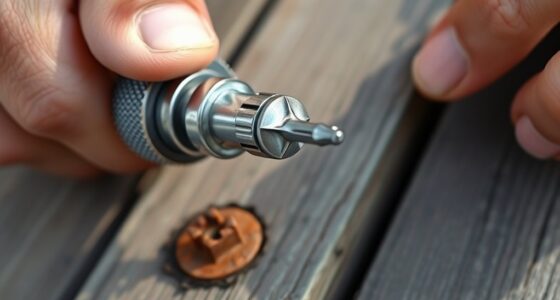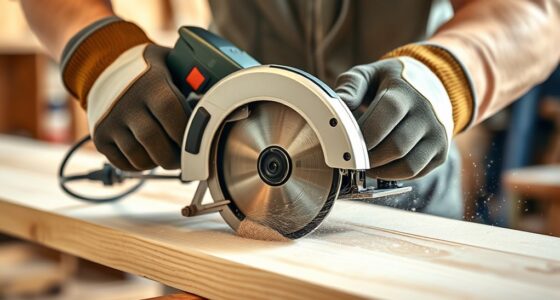
Oscillating tools are incredibly versatile, letting you cut, grind, sand, and scrape with just one device. To get the most out of yours, choose the right blades and attachments for each task, like fine-tooth blades for smooth cuts or sanding pads for tight corners. Keep blades sharp and clean, and handle the tool steadily to prevent overheating. Interested in revealing all its tricks? Discover more tips to maximize your oscillating tool’s potential.

Get everyday essentials delivered free with Prime
- Fast, free delivery on millions of items
- Prime Video, Amazon Music and more included
- Member-only deals all year
Key Takeaways
- Use the right blade or attachment for each task, such as sanding pads or cutting blades, to maximize versatility.
- Regularly maintain and clean attachments to ensure smooth operation and extend tool lifespan.
- Secure workpieces firmly and choose appropriate speeds for different materials to improve precision and safety.
- Utilize specialty attachments like grout removers or detail sanders for complex or tight-space projects.
- Incorporate various tricks, such as plunge cuts or flush cuts, to handle a wide range of DIY and professional tasks efficiently.
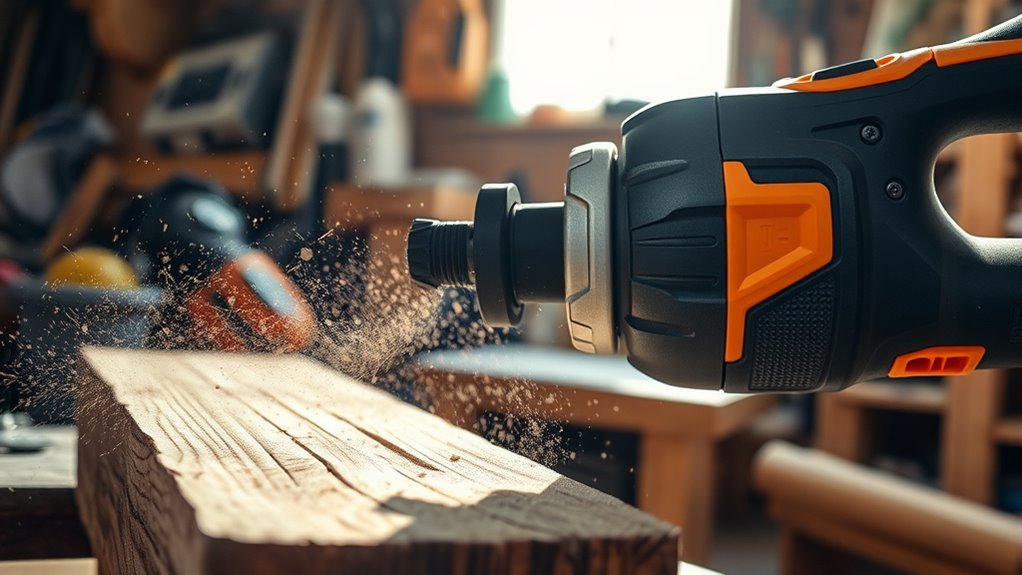
Oscillating tools are versatile and efficient for a variety of DIY projects, but knowing a few tricks can help you get even better results. One of the most vital aspects is choosing the right blade for each task. The market offers an array of blades designed for different materials and applications, so understanding which one to use can save you time and improve your work quality. For cutting wood, blades with fine teeth provide smoother cuts, while carbide-grit blades excel at cutting through tile or grout. When sanding, selecting a triangular or delta-shaped pad with appropriate abrasive sheets ensures you reach tight corners and detailed areas more effectively. Always keep a few specialty blades on hand; they can make complex tasks much easier, like plunge-cut blades for flush cuts or segmented blades for quick, straight cuts.
Equally significant is blade maintenance. Proper care not only extends the life of your blades but also maintains cutting efficiency. After each use, inspect your blades for signs of wear, such as dullness, chips, or cracks. Dull blades force the tool to work harder, which can lead to overheating and damage, so replace or sharpen blades as needed. Keep blades clean by removing debris and resin buildup, which can affect cutting performance. Using a blade brush or a wire brush can help with this, especially after heavy use. Lubricating blades or applying a light coating of oil can prevent rust, particularly if you store your tools in humid environments. When changing blades, always follow manufacturer instructions to avoid damaging the blade or the tool itself. Additionally, selecting the appropriate oil for airless sprayers can help ensure your tools operate smoothly and last longer, especially if you use your oscillating tool in conjunction with spraying equipment.
In addition to blade selection and maintenance, you can enhance your results by observing proper handling techniques. Use the tool at appropriate speeds—higher speeds for softer materials and lower speeds for tougher ones—to avoid blade overheating. Always secure your workpiece firmly, and guide the tool steadily without forcing it. This reduces blade wear and ensures cleaner cuts. Remember, your oscillating tool is only as good as the blades you choose and how well you care for them. By paying close attention to blade selection and incorporating regular maintenance tips, you’ll maximize your tool’s performance and achieve professional-looking results in all your DIY projects.
oscillating multi-tool blades for wood
As an affiliate, we earn on qualifying purchases.
As an affiliate, we earn on qualifying purchases.
Frequently Asked Questions
Can Oscillating Tools Cut Through Metal and Concrete Effectively?
Yes, oscillating tools can cut through metal and concrete effectively. You just need the right blades for metal cutting or concrete demolition. With the proper attachments, you can easily tackle tasks like cutting pipes, nails, or rebar, as well as breaking up concrete surfaces. Their precision and versatility make oscillating tools ideal for detailed work in metal and concrete, saving you time and effort on tough projects.
What Safety Gear Is Recommended When Using an Oscillating Tool?
Wearing safety gear when using an oscillating tool is a must—you’ll want to protect yourself from debris that can fly like a tornado. Always wear safety glasses to shield your eyes and hearing protection to block out loud vibrations. These essentials keep you safe from potential hazards, so you can focus on your project without worry. Don’t skip this step; it’s your best defense against unexpected accidents.
How Do I Choose the Right Attachment for a Specific Task?
To choose the right attachment, first consider attachment compatibility with your oscillating tool model. For each specific task, select task-specific accessories designed for that purpose, like sanding pads for smoothing surfaces or grout removal blades for tile work. Read the manufacturer’s instructions to guarantee proper fit and performance. By matching the right attachment to your task and verifying compatibility, you’ll achieve efficient results and extend your tool’s lifespan.
What Are Common Mistakes to Avoid With Oscillating Tools?
Think of your oscillating tool as a finely tuned instrument—mistakes can turn it into a discordant mess. Avoid common errors like incorrect blade selection, which hampers efficiency, and neglecting vibration control, leading to fatigue and less precise cuts. Always match blades to your task and hold the tool steadily. Keep these in mind, and you’ll master your oscillating tool, turning potential pitfalls into perfect results.
How Does Oscillating Tool Speed Affect Cutting Performance?
When you adjust oscillating tool speed, it directly impacts cutting performance and precision. Using speed control allows you to match the tool’s power to the material, ensuring cleaner cuts and reducing errors. Higher speeds are ideal for soft materials, while lower speeds give you better control on tougher surfaces. By fine-tuning the speed, you enhance cutting precision and prevent damage, making your projects smoother and more efficient.
tile grout removal oscillating tool attachment
As an affiliate, we earn on qualifying purchases.
As an affiliate, we earn on qualifying purchases.
Conclusion
Think of your oscillating tool as a Swiss Army knife in disguise—a trusty companion ready to tackle any challenge. With a few clever tricks, you transform it from a simple gadget into a master craftsman, carving, grinding, and sanding with ease. Embrace its versatility, and you’ll find yourself steering projects like a skilled sailor steering through diverse waters. Master this tool, and your DIY journey becomes an exciting voyage full of confident, smooth sailing.
sanding pads for oscillating tools
As an affiliate, we earn on qualifying purchases.
As an affiliate, we earn on qualifying purchases.
oscillating tool blade sharpener
As an affiliate, we earn on qualifying purchases.
As an affiliate, we earn on qualifying purchases.
Columbus Day / Indigenous Peoples' Day Picks
long weekend sales
As an affiliate, we earn on qualifying purchases.