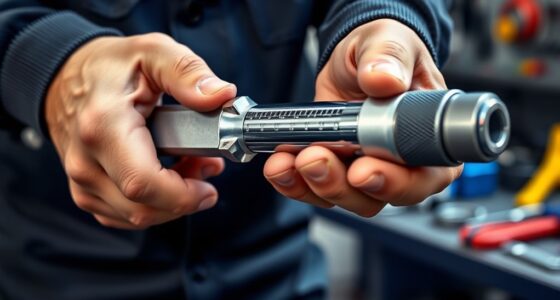
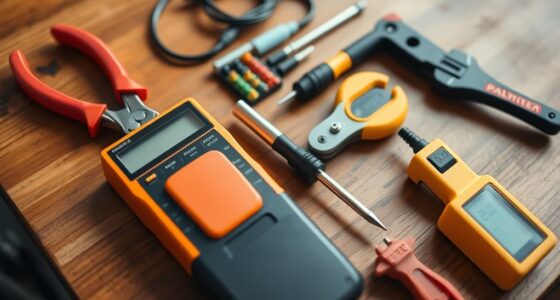
Learning welding is a smart move if you want to take on DIY metal projects safely and effectively. It helps you create and repair items, from furniture to sculptures, with confidence. Knowing proper safety measures and equipment use prevents injuries and ensures good results. Welding skills can turn your ideas into reality and boost your creativity. If you want to explore the essentials and get started, there’s plenty more to discover to help you succeed.

Get everyday essentials delivered free with Prime
- Fast, free delivery on millions of items
- Prime Video, Amazon Music and more included
- Member-only deals all year
Key Takeaways
- Learning welding enhances DIY project versatility, enabling repairs, custom creations, and artistic metalwork.
- Proper safety knowledge and equipment use are essential for safe and successful DIY welding.
- Gaining welding skills builds confidence and can reduce project costs by avoiding outsourcing.
- Familiarity with different welding techniques allows for more complex and precise DIY metalwork.
- Welding is a valuable skill that transforms creative ideas into durable, functional finished pieces.
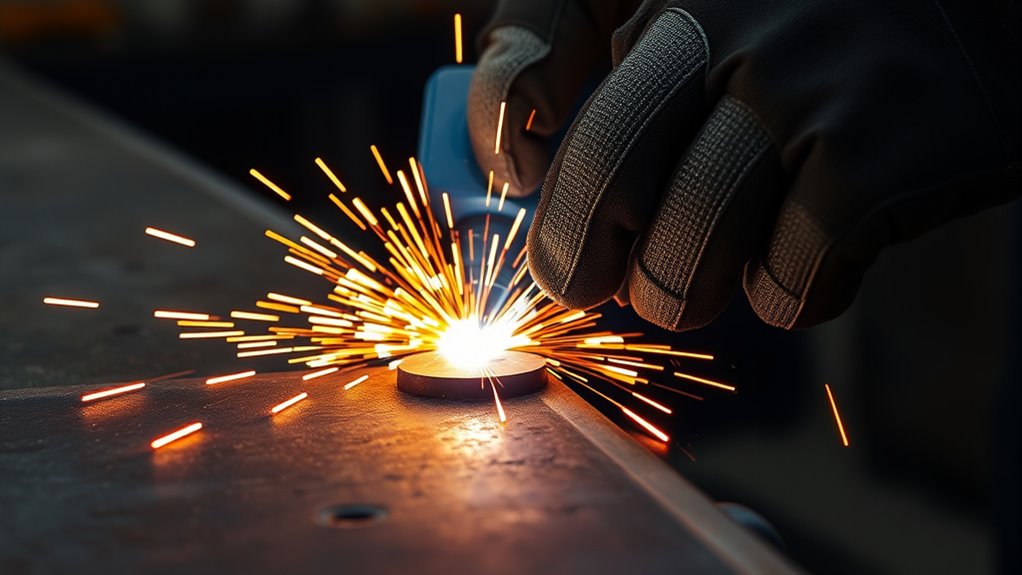
Have you ever wondered how different metal objects come together to create everything from bridges to artwork? The answer lies in welding, a skill that transforms raw metal into functional and artistic forms. If you’re considering diving into DIY projects involving metal, learning about welding can open up a world of possibilities. But before you get started, it’s essential to understand the importance of welding safety and the right welding equipment. These elements are foundational to ensuring your projects are successful and safe.
Welding safety should always be your top priority. The process involves intense heat, bright light, and potentially hazardous fumes. Without proper precautions, you risk burns, eye damage, or inhaling harmful substances. Make sure to wear protective gear such as flame-resistant gloves, a welding helmet with a proper shade, safety goggles, and long sleeves to shield your skin. Ventilation is equally important; working in a well-ventilated area helps disperse fumes and reduces health risks. When you’re starting out, never skip safety checks or ignore safety guidelines—these are in place for your protection. Additionally, understanding the importance of proper equipment can significantly improve the safety and quality of your welds.
Equipping yourself with the right welding equipment is essential for quality results and safety. Basic welding tools include a sturdy welding machine suited to your projects—whether it’s MIG, TIG, or arc welding—along with an assortment of clamps, brushes, and grinding tools. Investing in quality equipment might seem costly initially, but it pays off in durability, safety, and precision. For DIY projects, portable welding units can be a good choice, offering flexibility and ease of use. Remember, the type of welding equipment you select depends on the materials you plan to work with and the complexity of your projects.
Getting familiar with your welding equipment and understanding safety procedures might seem overwhelming at first, but it’s worth the effort. Practice in a controlled, safe environment, and take time to learn about each tool’s function. There are plenty of tutorials, classes, and guides available to help you build confidence and skill. Once you get comfortable with your equipment and safety protocols, you’ll find welding becomes not just a skill but a creative outlet. Whether you’re repairing metal furniture, building sculptures, or crafting custom metal pieces, knowing how to weld safely and effectively is a valuable skill that can turn your DIY ideas into reality.
MIG welding machine for beginners
As an affiliate, we earn on qualifying purchases.
As an affiliate, we earn on qualifying purchases.
Frequently Asked Questions
What Safety Gear Is Essential for Beginner Welders?
You need essential safety gear like protective clothing, including flame-resistant shirts, gloves, and a welding helmet to shield your eyes and face. Make certain to wear sturdy boots and long sleeves to protect your skin. Proper ventilation systems are vital to avoid inhaling harmful fumes. Always prioritize safety by wearing the right gear to prevent injuries and guarantee a safe welding experience for your DIY projects.
How Much Does Beginner Welding Equipment Typically Cost?
Beginner welding equipment typically costs between $200 and $800, depending on the types of welding you choose, like MIG, TIG, or stick welding. As you learn beginner techniques, start with a basic welder and safety gear. Investing in quality tools guarantees safety and better results. Remember, prices vary based on brand and features, so research your options to find the best fit for your DIY projects.
Can Welding Be Learned Through Online Courses?
You can definitely learn welding through online courses, and many believe it’s effective. Online tutorials and certification programs provide valuable guidance, but hands-on practice is essential. While you can acquire foundational knowledge online, welding skills improve with real-world experience. Consider combining online lessons with local classes or supervised practice. This approach guarantees you develop safe, proper techniques and gain confidence to tackle your DIY projects effectively.
What Are Common Mistakes Beginners Make in Welding?
You often make common pitfalls like inconsistent welds or poor technique when starting out. Failing to control your welding techniques can lead to weak joints or burns. Rushing or not preparing your work surface also causes issues. To avoid these mistakes, practice steady hand control, focus on proper settings, and keep your workspace clean. Recognizing these common pitfalls helps you improve your skills and produce stronger, more reliable welds.
Is Welding Suitable for Small-Scale DIY Projects at Home?
Yes, welding is suitable for small-scale DIY projects at home if you focus on proper metal prep and mastering essential welding techniques. You’ll need to clean and prepare your metal surfaces thoroughly and choose the right welding method, like MIG or arc welding. With practice and patience, welding can be a rewarding skill that helps you create custom projects, furniture, or repairs around your home.
As an affiliate, we earn on qualifying purchases.
Conclusion
If you’re passionate about DIY projects, learning welding can be a game-changer—you’ll gain access to skills that turn your ideas into reality faster than you can say “blueprints.” Welding empowers you to build, repair, and customize with confidence, saving money and boosting creativity. Think of it as a superpower for makers; once you master it, you’ll wonder how you ever managed without it. So, plunge into and embrace the craft—your projects deserve the best, and welding is your secret weapon!
As an affiliate, we earn on qualifying purchases.
welding helmet with auto-darkening
As an affiliate, we earn on qualifying purchases.
As an affiliate, we earn on qualifying purchases.
Evergreen bestsellers Picks
bestsellers
As an affiliate, we earn on qualifying purchases.