
To keep your septic system running smoothly, schedule regular pumping every 3-5 years to remove solids and prevent clogs. Avoid disposing of non-biodegradable items, harsh chemicals, and excessive grease that can harm the system. Regularly inspect for signs of failure, like odors or standing water, and maintain safe landscaping to prevent root intrusion. Consistent care and proper maintenance help extend your system’s lifespan—stay with us to discover more helpful tips.
Key Takeaways
- Schedule septic tank pumping every 3-5 years to remove accumulated solids and prevent clogs.
- Avoid disposing of non-biodegradable items, chemicals, and excessive grease to protect system integrity.
- Regularly inspect the system for signs of failure, such as odors, standing water, or slow drains.
- Maintain proper landscaping by avoiding invasive plant roots and ensuring soil permeability around the leach field.
- Keep access ports clear for inspections and repairs, and conduct routine maintenance to extend system lifespan.
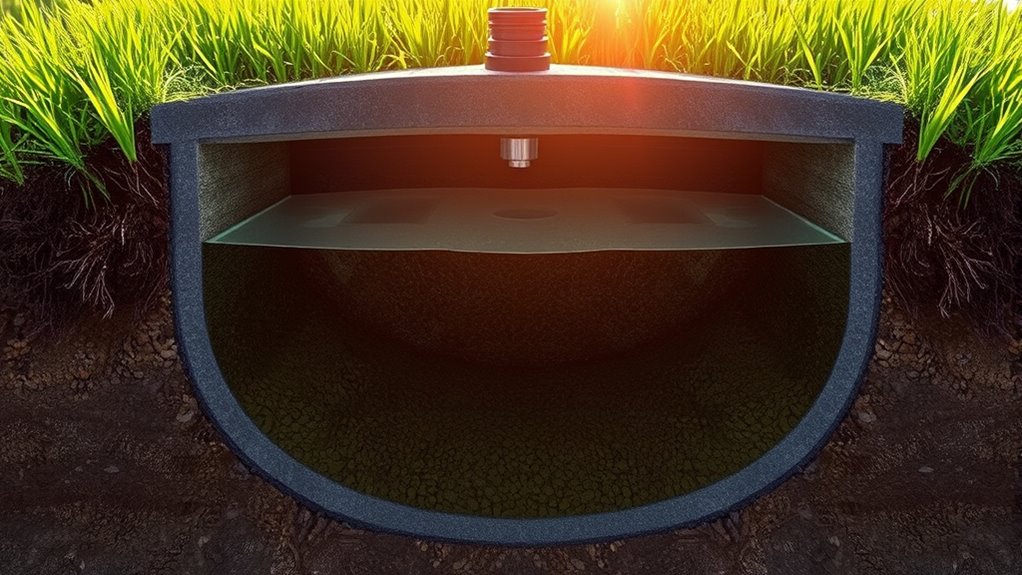
Ever wondered how your home’s wastewater gets safely treated when you don’t have access to a municipal sewer system? It all starts with your septic system, a carefully designed setup that relies on proper maintenance to function effectively. Central to this system are the septic tank and the leach field. The septic tank design determines how waste is separated and stored, making it essential to understand how to keep this component in good shape. Regular septic tank maintenance ensures the tank doesn’t overflow or develop leaks, which could lead to costly repairs or environmental hazards. When your septic tank is properly designed and maintained, it provides a reliable way to manage household waste without plumbing issues or health risks.
Proper septic tank maintenance ensures safe, reliable household waste management and prevents costly environmental hazards.
One key aspect often overlooked is leach field maintenance. The leach field, also called the drain field, is where liquids from the septic tank are dispersed into the soil for natural filtration. Over time, soil clogging or buildup of solids can impair its function. To prevent this, you should avoid planting trees or shrubs with invasive roots nearby, as roots can damage pipes and clog the system. Regular inspections can help identify early signs of failure, such as standing water or foul odors around the leach field. Proper leach field maintenance involves ensuring the soil remains permeable and free of obstructions, which keeps the effluent flowing smoothly. If you notice problems, professionals can perform necessary repairs or even replace damaged sections to restore proper function.
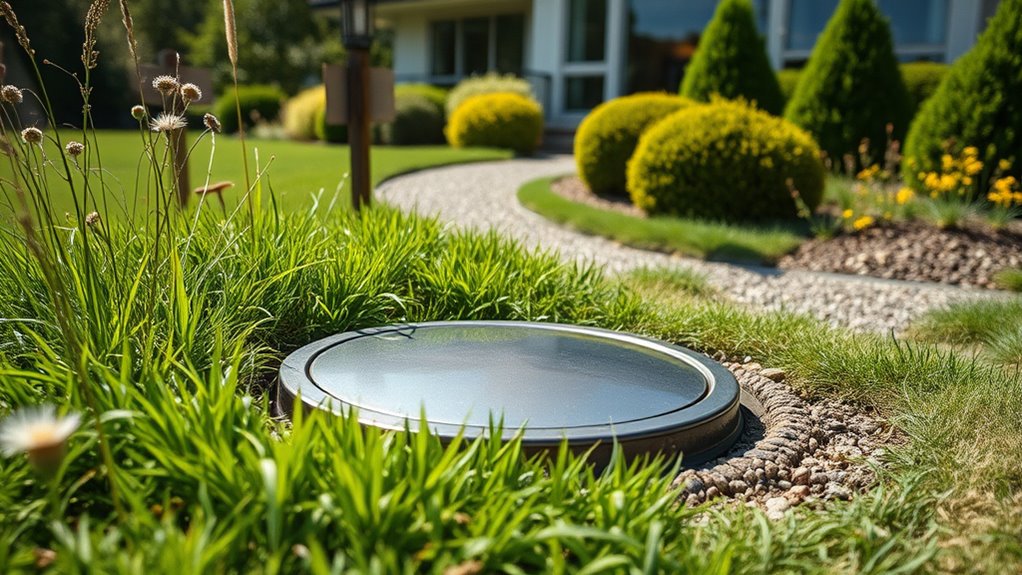
Understanding your septic tank design can also help you maintain the system more effectively. Modern designs often incorporate features that make maintenance easier, like access ports for inspection and pumping. Knowing where these are located allows you to schedule routine pumping—typically every three to five years—to remove accumulated solids. This prevents the tank from overflowing or clogging the outlet, which could cause untreated waste to escape into the environment. Additionally, being mindful of what goes into your septic system is essential. Avoid flushing non-biodegradable items, harsh chemicals, or excessive grease, as these can disrupt the natural biological processes that break down waste.
In short, caring for your septic system involves understanding its design and staying proactive with leach field maintenance. Regular inspections, timely pumping, and mindful usage extend the lifespan of your system and protect your property’s health. Incorporating proper landscaping practices can help prevent root intrusion and soil compaction that could impair system function. When you take these steps seriously, your septic system remains reliable, preventing costly repairs and safeguarding the environment. Proper maintenance might require effort now, but it pays off in the long run with a functional, odor-free, and environmentally friendly waste treatment solution right at your home.
Frequently Asked Questions
How Often Should I Have My Septic System Inspected?
You should schedule a septic system inspection at least every three years to guarantee proper functioning. Regular inspections are essential for maintaining your system’s health and preventing costly repairs. Along with an inspection schedule, follow maintenance tips like conserving water and avoiding harmful chemicals. Staying proactive helps extend your septic system’s lifespan and keeps it running smoothly. Don’t wait—set up an inspection today to protect your home and environment.
Can I Use Chemical Drain Cleaners With a Septic Tank?
You shouldn’t use chemical drain cleaners with a septic tank. For example, a homeowner used harsh chemicals, thinking they’d clear a clog, but it caused septic damage, leading to costly repairs. Chemical cleaners can kill beneficial bacteria essential for breaking down waste, disrupting your septic system’s balance. Instead, opt for natural solutions like enzyme-based treatments or mechanical cleaning to keep your system healthy and functioning properly.
What Are Signs of Septic System Failure?
If your septic system is failing, you’ll notice signs like slow drains, foul odors, or sewage backups. Leak detection might reveal unexplained wet spots or lush grass over the drain field. Additionally, sludge buildup can cause solids to enter the leach field, leading to clogs. Pay attention to these warning signs and perform regular inspections to prevent costly repairs. Address issues promptly to keep your system functioning properly.
How Much Does Septic Tank Pumping Typically Cost?
You might be surprised, but septic tank pumping usually costs between $200 and $600, depending on size and location. Regular tank inspection is essential, often recommended every 3-5 years, to prevent costly repairs. While some believe septic chemicals can reduce pumping needs, they don’t replace proper maintenance. Keep up with your tank inspection frequency and avoid neglecting your system to save money and extend its lifespan.
Are There Eco-Friendly Alternatives to Traditional Septic Treatments?
Yes, there are eco-friendly alternatives to traditional septic treatments. You can use biodegradable additives that enhance natural breakdown processes without harming the environment. Natural bacteria treatments are also effective; they introduce beneficial bacteria to your septic system, helping it function efficiently. These options are safer for the environment, cost-effective, and maintain your system’s health without relying on harsh chemicals. Consider incorporating biodegradable additives or natural bacteria treatments for a greener, sustainable approach.
Conclusion
By now, you see how important regular septic tank maintenance is for keeping your system running smoothly. Don’t wait until it’s too late—think of it as giving your septic system a little TLC before bigger problems pop up. Staying proactive saves you money and stress down the line. Remember, a stitch in time saves nine, so schedule those inspections and pumpings. Keep your system happy, and it’ll serve you well for years to come.