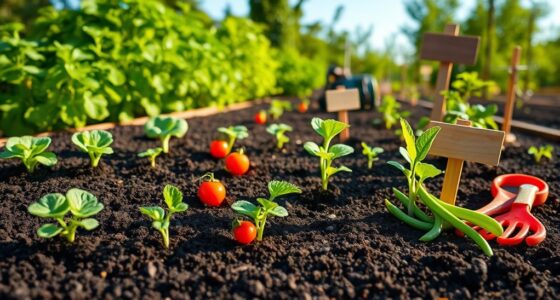
To create a low-water, low-maintenance yard, start by choosing native, drought-resistant plants that thrive in your climate. Design your landscape with efficient watering in mind, using mulch, drip irrigation, and reducing lawn areas. Incorporate hardscaping features like rock gardens to minimize upkeep. Proper plant spacing and regular pruning help keep your yard healthy and attractive. Keep exploring to discover more practical tips and strategies for a sustainable, beautiful xeriscape.

Get everyday essentials delivered free with Prime
- Fast, free delivery on millions of items
- Prime Video, Amazon Music and more included
- Member-only deals all year
Key Takeaways
- Select native, drought-resistant plants suited to your local climate and soil conditions.
- Use efficient watering methods like drip irrigation and group plants with similar water needs.
- Incorporate mulch generously to retain soil moisture and reduce evaporation.
- Minimize lawn areas and replace traditional grass with drought-tolerant ground covers or native grasses.
- Add hardscaping features such as rock gardens to reduce maintenance and water requirements.
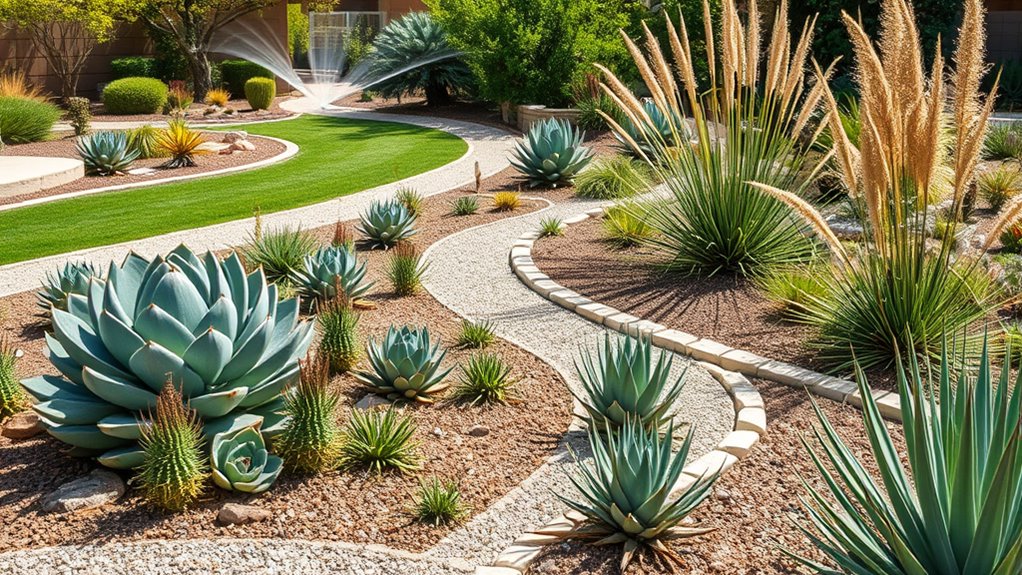
Are you looking for a way to create a beautiful, low-maintenance landscape while conserving water? If so, xeriscaping offers a practical solution that can transform your yard into a vibrant, sustainable space. The key to successful xeriscaping lies in selecting native plants that are naturally adapted to your local climate and soil conditions. These plants require less water, fertilizers, and pesticides because they’re already suited to thrive in your environment. By focusing on native plants, you not only promote water conservation but also support local wildlife, creating a balanced ecosystem right in your backyard.
Choose native plants for a sustainable, low-maintenance landscape that conserves water and supports local wildlife.
When designing your xeriscape, start by planning for efficient water use. Group plants with similar water needs together, so you can water them appropriately without waste. Use mulch generously around your plants to reduce evaporation and keep the soil moist longer. Drip irrigation systems are ideal because they deliver water directly to the roots, minimizing runoff and evaporation. These tactics help you maximize water efficiency, ensuring your yard stays lush without excessive watering.
Another important aspect is to minimize lawn areas, especially those that demand frequent watering and mowing. Replacing traditional grass with drought-tolerant ground covers or native grasses can markedly cut down on water consumption while still providing visual appeal. Consider incorporating rock gardens or hardscaping features to add texture and interest to your landscape, reducing the need for ongoing maintenance and watering.
When choosing plants, prioritize those that are drought-resistant and suited to your specific region. Native plants are often the best choice because they have evolved to withstand the local climate, making them more resilient and requiring less intervention from you. They also tend to be more resistant to pests and diseases, reducing your need for chemical treatments. As you select your plant palette, think about the mature size of each species to avoid overcrowding and ensure good airflow, which helps prevent plant diseases.
Finally, maintaining your xeriscape involves periodic pruning, removing dead or overgrown branches, and keeping mulch fresh. These simple steps help retain moisture and keep your landscape looking tidy. Additionally, investing in security lighting or surveillance cameras can help protect your investment from theft or vandalism, ensuring your low-maintenance landscape remains safe. With a bit of planning and the right plant choices, you’ll create a yard that’s not only visually appealing but also environmentally responsible. By focusing on native plants and water conservation practices, you’ll enjoy a low-maintenance landscape that conserves resources and enhances your outdoor space for years to come.
drip irrigation system for xeriscaping
As an affiliate, we earn on qualifying purchases.
As an affiliate, we earn on qualifying purchases.
Frequently Asked Questions
What Plants Are Best for Xeriscaping in Shady Areas?
For shady garden design, you should choose shade tolerant plants that thrive with minimal water. Consider options like ferns, hostas, and Japanese forest grass, which adapt well to low-light conditions. These plants not only reduce water needs but also add texture and color to your shady areas. Incorporate a mix of these species to create a lush, low-maintenance landscape that conserves water and stays vibrant year-round.
How Often Should Xeriscaped Gardens Be Watered During Winter?
During winter, you should water your xeriscaped garden only when the soil is dry to promote drought resilience. Typically, this means watering once every 3-4 weeks, depending on rainfall and temperatures. Keep an eye on soil moisture levels, as overwatering can harm plants. Winter watering helps maintain plant health without unnecessary water use, ensuring your garden stays resilient through dry, cold months while conserving water effectively.
Can Xeriscaping Be Combined With Traditional Landscaping?
Ever wondered if you can blend xeriscaping with traditional landscaping? Absolutely! Hybrid landscaping lets you combine drought-tolerant plants with lush, seasonal flowers for visual interest. This approach accommodates seasonal shifts and adds diversity to your yard. By thoughtfully integrating both styles, you create a sustainable, beautiful landscape that requires less water and maintenance, while still featuring the vibrant appeal of traditional gardens. It’s a smart, flexible way to enhance your outdoor space.
What Is the Cost Difference Between Xeriscaping and Conventional Lawns?
The cost comparison between xeriscaping and conventional lawns varies based on your design choices, but generally, xeriscaping can lower your long-term expenses. While initial setup costs for xeriscaping might be higher due to drought-tolerant plants and landscape changes, you’ll save on water bills and maintenance over time. When budget planning, consider these factors to determine if xeriscaping fits your financial goals and lifestyle.
How Do I Maintain Soil Health in Xeriscaped Yards?
To preserve soil health in your xeriscaped yard, regularly add soil amendments like organic compost to boost nutrients and improve drainage. Practice composting techniques by recycling yard waste and kitchen scraps, which enriches the soil naturally. This keeps your plants healthy and resilient while reducing water needs. Consistent soil care ensures your xeriscape stays vibrant and sustainable with minimal effort.
native drought-resistant plants for landscaping
As an affiliate, we earn on qualifying purchases.
As an affiliate, we earn on qualifying purchases.
Conclusion
By embracing xeriscaping, you’ll enjoy a stunning, sustainable space that saves water and minimizes maintenance. With wise watering, thoughtful plant choices, and careful planning, you create a yard that’s both beautiful and better for the environment. So, start small, stay committed, and see your space flourish with less fuss and more flair. Transform your terrain into a thriving, drought-resistant haven—your low-water, low-maintenance masterpiece awaits!
As an affiliate, we earn on qualifying purchases.
As an affiliate, we earn on qualifying purchases.
Halloween Picks
halloween
As an affiliate, we earn on qualifying purchases.