To build a small backyard pond, start by choosing a suitable spot with good sunlight and drainage. Dig a shallow hole, then install a pond liner and add a biological filter to keep water clean. Incorporate a mix of aquatic plants such as submerged, floating, and marginal types to create a balanced ecosystem that oxygenates water and reduces algae. carefully arrange the plants for stabilization. If you continue exploring, you’ll learn how to fine-tune your pond for thriving aquatic life.
Key Takeaways
- Choose a suitable location and size for your pond, considering sunlight, drainage, and visibility.
- Excavate the pond shape, then install a pond liner to prevent water leakage.
- Add a filtration system appropriate for small ponds to keep water clear and healthy.
- Incorporate a mix of aquatic plants—submerged, floating, and marginal—to promote ecosystem balance.
- Fill the pond with water, plant your aquatic vegetation, and connect the filtration system for ongoing maintenance.

Creating your own garden pond is a rewarding project that transforms your outdoor space into a tranquil oasis. When you start planning, one of the most important aspects to consider is the ecosystem within your pond, which includes selecting the right aquatic plants and ensuring proper pond filtration. Aquatic plants are essential because they add beauty, provide shelter for pond life, and help maintain water quality. You’ll want to choose a mix of submerged, marginal, and floating plants to create a balanced environment. Submerged plants like anacharis or hornwort oxygenate the water, while floating plants such as water lilies or duckweed offer shade and help control algae growth. Marginal plants like reeds or cattails not only serve as natural filters but also give your pond a lush, natural appearance.
As you set up your pond, don’t overlook pond filtration. A good filtration system is crucial to keep the water clean and clear, especially if you plan to introduce fish or other aquatic creatures. Mechanical filters trap debris and prevent clogging, while biological filters house beneficial bacteria that break down organic waste. This process is vital because it keeps harmful toxins at bay and promotes a healthy pond environment. When choosing your pond filtration system, consider the size of your pond and the volume of water it holds. A small, DIY pond often benefits from a simple, plug-and-play filter, which is easy to install and maintain. You can also incorporate a small pump to circulate the water, which helps oxygenate it and prevents stagnation.
Installing aquatic plants and pond filtration together creates a balanced ecosystem that requires less maintenance over time. Place your aquatic plants strategically—some at the pond edges, others floating on the surface—to ensure even coverage and efficient filtration. The plants will absorb excess nutrients, reducing algae growth and keeping the water healthier. Meanwhile, the pond filtration system works behind the scenes to continually clean and circulate the water, mimicking natural processes. This combination not only enhances the pond’s aesthetic appeal but also supports a thriving mini-ecosystem.
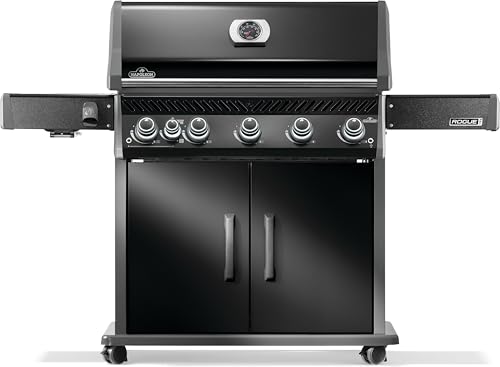
Napoleon Rogue PRO 625 Natural Gas Grill with Infrared Side Burner, Black, Durable 6-Burner Cooking Power
5 Main Burners Main Cooking Area 34 3/4-inches by 18-inches (86.995 cm by 45.72 cm)
As an affiliate, we earn on qualifying purchases.
Frequently Asked Questions
What Types of Fish Are Suitable for Small Backyard Ponds?
For small backyard ponds, you should choose fish like goldfish, minnows, or koi, which are ideal for pond stocking. These fish thrive in outdoor environments and don’t require large spaces. Goldfish are hardy and colorful, while minnows help keep the pond clean. Koi add beauty, but they need a bit more room. Make sure to select fish suited for your pond’s size and climate to guarantee healthy, enjoyable pond life.
How Often Should I Clean and Maintain My Garden Pond?
You should clean and maintain your pond at least once a month to keep it healthy. Regular pest control prevents unwanted insects, while pond liner maintenance guarantees no leaks or damage. Don’t wait until it’s messy—routine upkeep helps prevent algae buildup and keeps fish happy. Even with small ponds, consistent care makes a big difference, so stay proactive and enjoy your thriving backyard oasis.
Can I Install a Pond in Shaded Areas?
Yes, you can install a pond in shaded areas, but consider shade tolerance and sun exposure. Shaded spots keep the water cooler and reduce algae growth, which benefits many aquatic plants and fish. However, limited sunlight might slow down plant growth, so choose shade-tolerant plants. Make certain your pond receives some indirect sunlight to support healthy ecosystems, and regularly monitor water conditions to maintain a balanced environment.
What Are the Best Plants to Include in a Small Pond?
You should include aquatic plants like water lilies and submerged plants in your small pond. Water lilies add beauty and provide shade, helping control algae. Submerged plants oxygenate the water and support aquatic life. Consider floating plants like duckweed for extra coverage. These plants thrive in small ponds, creating a balanced ecosystem and enhancing your pond’s visual appeal. Make sure to select species suited for your pond’s sunlight and temperature.
How Do I Prevent Algae Growth in My Pond?
To prevent algae growth, you should focus on pond filtration and algae control. Make sure your pond has a good filtration system that circulates water regularly, reducing nutrients that algae thrive on. Add beneficial pond bacteria to promote healthy water balance, and control sunlight by using pond shade or aquatic plants. Avoid overfeeding fish, and remove debris promptly to keep the pond clean and clear, minimizing algae buildup effectively.

Kenyon Texan Built-In Electric Grill with Faceted Single Piece Lid and Standard Lite Touch Control, Stainless Steel Body, UL-Approved for Use Indoors and Outdoors, No-Flame Grill, 240 Volts
Built-In Electric Grill: Kenyon Texan B70420WH is a built-in electric grill with mounting holes for installation into countertops....
As an affiliate, we earn on qualifying purchases.
Conclusion
Now that you’ve learned how to build your own garden pond, imagine the peaceful oasis you’ll create. But beware—once the pond is in place, unexpected challenges might arise, testing your patience and skills. Will your pond become the serene retreat you envision or something more? The journey is just beginning. With your newfound knowledge, you’re ready to take the plunge. The secret to a beautiful backyard pond is waiting—are you ready to discover it?

Spire Premium 5 Burner Built In Gas Grill Island Head, Stainless Steel 30 Inch Propane Grill with Rear Burner, 63,000 BTUs, 750 SQ In Racks, Dual Fuel Compatibility - 740-0788P
Premium Stainless Steel Frame For Durability: Designed with a rust-resistant stainless steel frame, this outdoor grill combines exceptional...
As an affiliate, we earn on qualifying purchases.

Spire Premium 6 Burner Built In Gas Grill Island Head, Stainless Steel 36 Inch Propane Grill with Rear Burner, 73,000 BTUs, 904 SQ In Racks with Dual Fuel Compatibility - 740-0781P
Premium Stainless Steel Frame For Durability: Designed with a rust-resistant stainless steel frame, this outdoor grill combines exceptional...
As an affiliate, we earn on qualifying purchases.