
To revive your lawn each spring, start by aerating to loosen compacted soil and allow better airflow, water, and nutrient absorption. Follow up with dethatching to remove the thick layer of dead organic matter that can suffocate your grass. Both steps help promote healthy root growth and improve overall grass health. Performing these practices at the right time and with proper tools can make a big difference—keep going to discover more tips for a lush lawn.
Key Takeaways
- Perform core aeration in early spring when soil is moist to reduce compaction and improve airflow.
- Dethatch using a rake or dethatching machine to remove layered dead organic matter obstructing water and nutrients.
- Combine aeration and dethatching to enhance nutrient absorption, water infiltration, and promote healthy root growth.
- Monitor lawn signs like sponginess or water pooling to determine if dethatching is necessary.
- Follow up with overseeding and fertilizing after aeration and dethatching for optimal lawn revival.
If your lawn isn’t looking its best, it might be time to contemplate lawn aeration and dethatching. Over time, soil compaction can make it difficult for roots to access air, water, and nutrients, leading to a dull, weak-looking lawn. Simultaneously, thatch buildup—a layer of dead grass, roots, and organic matter between the grass and soil—can hinder water penetration and promote disease. Addressing both issues is essential to reviving your lawn’s health and appearance. Proper lawn maintenance techniques, including aeration and dethatching, can significantly improve your yard’s overall vitality.
Revive your lawn by addressing soil compaction and thatch buildup for a healthier, greener yard.
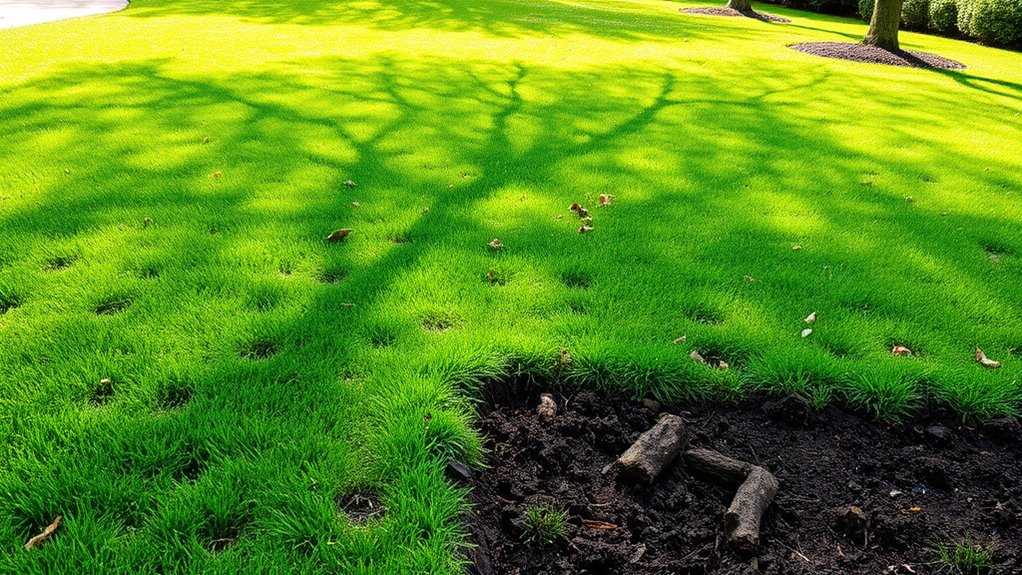
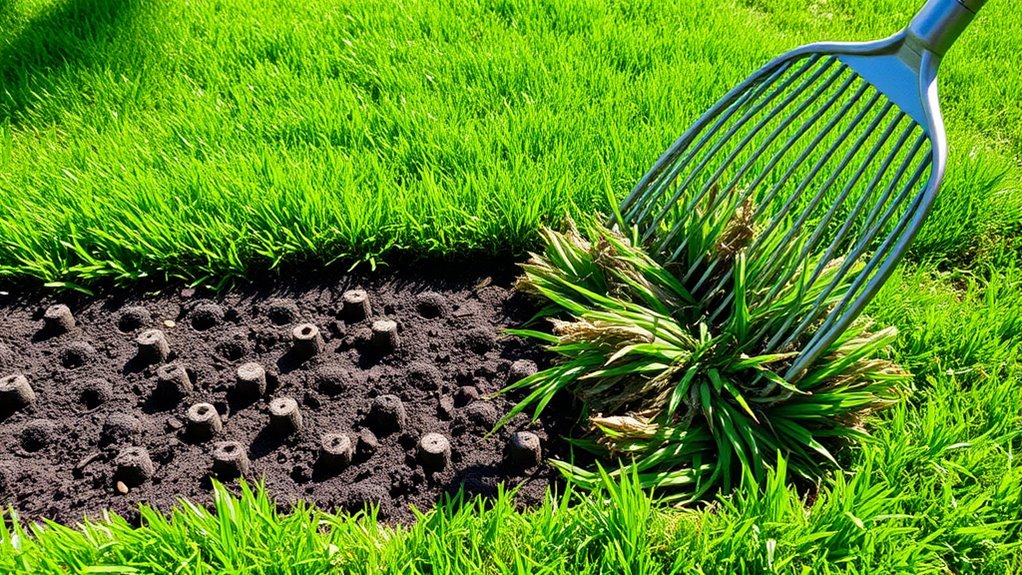
Aeration focuses on relieving soil compaction by creating small holes across your lawn. These holes allow air, water, and nutrients to penetrate deeper into the soil, promoting healthier root growth. When the soil is compacted, it becomes dense and resistant, making it hard for roots to expand and absorb what they need. By aerating, you loosen this dense layer, giving your grass a better foundation to grow strong and resilient. It’s especially important during spring when your lawn begins its active growing season. Aeration can be done with a spike or plug aerator, but using a core aerator that removes plugs of soil is often more effective. You’ll want to aerate when the ground isn’t soaked but remains moist enough to allow the equipment to work efficiently.
Dethatching, on the other hand, targets the thatch buildup that can smother your grass if left unchecked. Thatch isn’t just dead grass; it’s a dense layer that can prevent water, nutrients, and air from reaching the roots. If you notice your lawn feels spongy or if water tends to sit on the surface, it’s a sign that dethatching is needed. Dethatching involves removing this layer using a rake or a dethatching machine. You should do this carefully to avoid damaging the healthy grass underneath. The goal is to lift and remove the thatch without disturbing the root system too much. Dethatching helps restore proper airflow and water absorption, creating an environment where your grass can thrive.
Combining aeration and dethatching in early spring can markedly improve your lawn’s overall health. After aerating, you can overseed or apply fertilizer more effectively because the nutrients can reach the roots more easily. Dethatching ensures that the surface isn’t preventing water or nutrients from penetrating the soil. By tackling soil compaction and thatch buildup simultaneously, you set your lawn up for a lush, green season. Remember, these processes aren’t permanent solutions but essential maintenance steps that can make a noticeable difference in how your lawn looks and feels. With proper timing and technique, you’ll enjoy a healthier, more vibrant yard all season long.

K.D STONEDGE Patented Rolling Lawn Coring Aerator Yard Grass Pulling Plugs Manual Aeration Tool Push Roller Rotary Compacted Garden Soil Loosening
Boosts Lawn Condition: Punches holes and extracts soil plugs to improve air, water, and nutrient absorption
As an affiliate, we earn on qualifying purchases.
As an affiliate, we earn on qualifying purchases.
Frequently Asked Questions
When Is the Best Time to Aerate and Dethatch My Lawn?
You should aerate and dethatch your lawn in early spring when the soil is moist but not overly wet. This timing helps relieve soil compaction and allows organic matter to break down more effectively. Aeration creates holes that improve air, water, and nutrient flow, while dethatching removes excess thatch buildup. Doing this early ensures your lawn can recover quickly, promoting healthy growth throughout the season.
Can I Aerate and Dethatch Simultaneously?
Yes, you can aerate and dethatch simultaneously. Doing so helps relieve soil compaction and reduces thatch buildup, which can hinder water, air, and nutrients from reaching your lawn’s roots. Just make certain your lawn is moist enough for both processes to work effectively. Combining these tasks saves time and promotes a healthier, more vigorous lawn by improving soil aeration and removing excess thatch at once.
How Often Should I Aerate and Dethatch My Lawn?
Did you know that 85% of lawns suffer from soil compaction and thatch buildup? You should aerate and dethatch your lawn annually or biannually, depending on its condition. If your soil feels hard or thatch is thick, do it every year. Otherwise, every 2-3 years should suffice. Regular aeration relieves soil compaction, and dethatching improves airflow, helping your lawn stay healthy and lush.
What Equipment Do I Need for Aeration and Dethatching?
You’ll need essential lawn care tools like a core aerator and a dethatching rake. For aeration, rent or buy a core aerator with hollow tines that remove plugs from your lawn. For dethatching, use a dethatching rake or power dethatcher to loosen and remove thatch buildup. Make sure your equipment is in good condition, and wear gloves and sturdy shoes for safety. These tools make the process efficient and effective.
Are There Any Lawn Types That Shouldn’t Be Aerated or Dethatched?
Some turf types, like Bermuda or Zoysia, generally tolerate aeration and dethatching well, but you should avoid these practices if your soil is overly wet or compacted, as it could cause damage. For sensitive turf types or poor soil conditions, consult a local expert before proceeding. Always assess your soil and turf type to determine if aerating or dethatching is suitable to prevent harm and promote healthy growth.

Thatch Rake for Lawn with 74inch Handle, 15 inch Dethatcher Rake for Grass to Cleaning Dead Grass, Efficient Steel Metal Rake for Dethatching, Heavy Duty Thatching Rakes for Garden, Yard
Promote Lawn Health and Neatness: This thatch rake is designed to clear away thatch buildup, dead grass, fallen…
As an affiliate, we earn on qualifying purchases.
As an affiliate, we earn on qualifying purchases.
Conclusion
By aerating and dethatching each spring, you give your lawn the best chance to thrive. These practices improve soil health, boost nutrient absorption, and promote stronger grass growth. Did you know that lawns with proper aeration can see up to a 50% increase in root development? Taking these simple steps now can lead to a lush, healthy yard all season long. Don’t wait—revive your lawn and enjoy the vibrant green space you deserve!

Hydro Mousse Liquid Lawn System – Grass Seed Spray Kit for Spot Repair & Full Lawn Seeding – Easy-to-Use Lawn Patch Solution for All Grass Types
Spray & Stay Technology – Attaches to any garden hose for quick, mess-free application. The green mousse sticks…
As an affiliate, we earn on qualifying purchases.
As an affiliate, we earn on qualifying purchases.
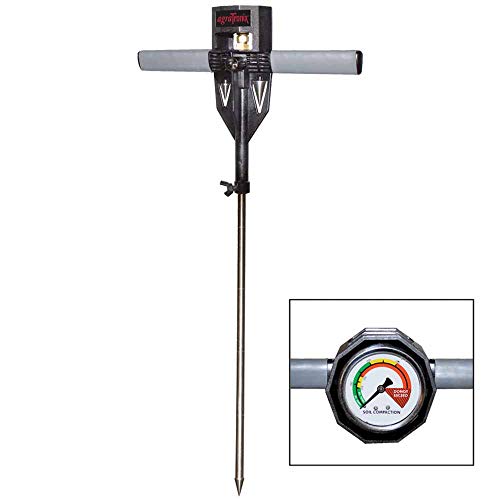
AgraTronix 8180 Soil Compaction Tester – 24 in. Probe, 300 PSI, Rubber Grip Handles, Water Filled Stainless Dial | Agricultural Supplies
Soil Testing Equipment: Designed to accurately test soil compaction, this soil tester lets you determine the ideal state…
As an affiliate, we earn on qualifying purchases.
As an affiliate, we earn on qualifying purchases.