
Water stains on your ceiling usually point to a leak from the roof or plumbing. To find the cause, check for damaged or missing shingles if it’s near the roofline, or look for dripping pipes and signs of mold around bathrooms or kitchens. Once you identify the source, repair the leak and dry out the area thoroughly. Keep in mind, knowing how to spot hidden issues can save you from future headaches—discover more as you continue.

Get everyday essentials delivered free with Prime
- Fast, free delivery on millions of items
- Prime Video, Amazon Music and more included
- Member-only deals all year
Key Takeaways
- Inspect the stained area for signs of roof damage, such as missing or curled shingles, or plumbing leaks near the ceiling.
- Look for water marks, mold, or active drips to identify if the leak is ongoing or recent.
- Check higher areas like the attic or roof space for visible damage or moisture to locate the source.
- Confirm if plumbing fixtures or pipes above the stain are leaking by inspecting accessible fittings and connections.
- After identifying the cause, repair the roof or plumbing, dry affected areas, and remove mold to prevent future stains.
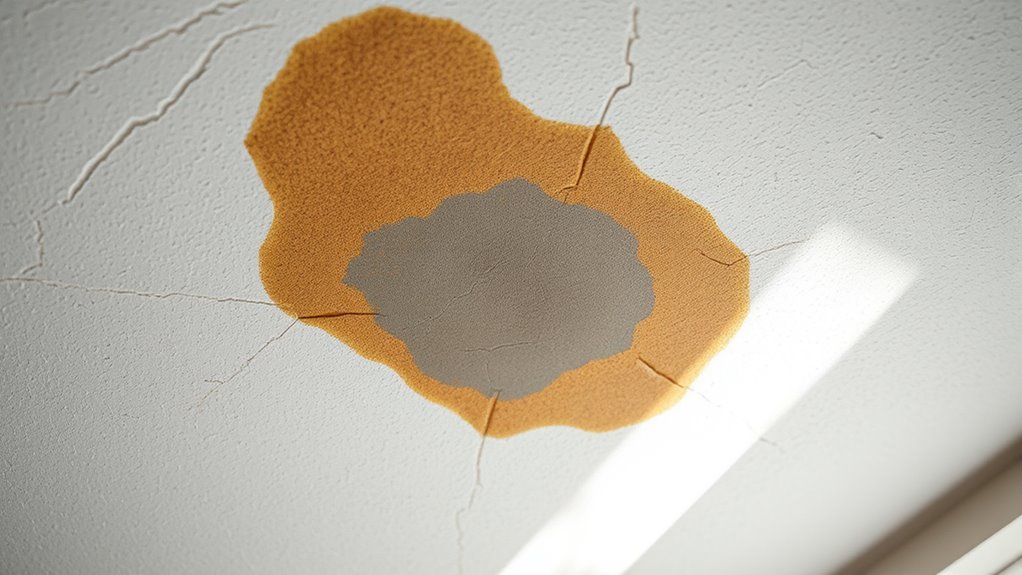
Water Stains on Ceiling
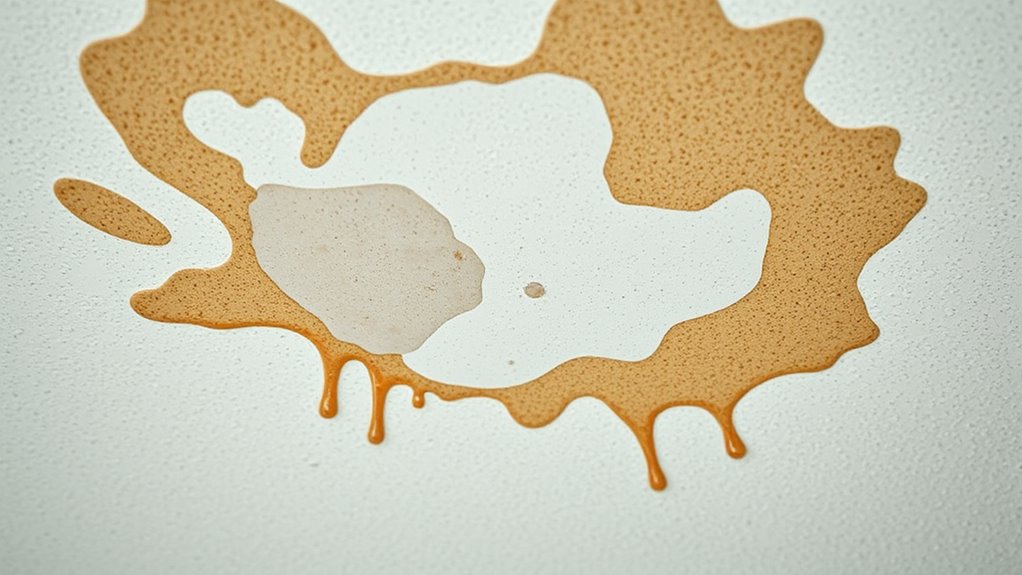
Have you noticed water stains on your ceiling? If so, you’re probably wondering what’s causing them and how to fix the problem. These stains can be alarming, but identifying the source is the first step toward fixing the issue and preventing further damage. Water stains often appear as brownish or yellowish spots that gradually grow or change shape over time. They can be caused by a variety of issues, but two of the most common culprits are roof leaks and plumbing issues. Recognizing which one is responsible is essential because it determines the repair approach.
Water stains signal potential roof or plumbing problems; identifying the cause is key to effective repairs.
If the water stains are near the roofline or on the ceiling directly beneath an attic or roof space, a roof leak is likely the cause. Roof leaks happen when shingles, flashing, or other roofing materials deteriorate or become damaged, allowing water to seep through during rainstorms or snow melts. You might notice water actively dripping or accumulating during bad weather, or see signs of water intrusion around vents, chimneys, or skylights. In such cases, inspecting your roof for missing, cracked, or curling shingles is vital. Sometimes, the leak is hidden behind the shingles, so a professional inspection can be worthwhile to pinpoint the exact location. Repairing a roof leak often involves replacing damaged shingles, sealing flashing, or fixing underlying structural issues. Proper inspection techniques can help in accurately locating hidden leaks.
On the other hand, plumbing issues are a common cause of ceiling stains, especially if the stains appear near bathrooms, kitchens, or laundry rooms. Leaking pipes, faulty fittings, or aging plumbing fixtures can cause water to drip or seep into the ceiling below. Plumbing leaks tend to be slow and may not produce immediate drips but can still cause significant water damage over time. If you notice water stains along with a musty smell, mold growth, or a sudden increase in water bills, a plumbing problem is likely behind it. To address plumbing issues, you need to locate the leaking pipe or fixture. This might involve inspecting accessible pipes or calling a plumber for a thorough assessment. Fixes can range from tightening fittings to replacing sections of pipe. Additionally, water damage mitigation techniques can help minimize the extent of damage caused by leaks.
Once you identify the cause—whether a roof leak or plumbing issue—you can take appropriate action. Stopping the leak is vital to prevent further damage. For roof leaks, this means repairing or replacing damaged roofing materials. For plumbing issues, it involves fixing or replacing faulty pipes or fixtures. After repairs, don’t forget to dry out the affected area thoroughly and remove any mold or mildew that may have developed. Keep an eye on the ceiling for new stains or signs of moisture to guarantee the problem is fully resolved. Getting to the root cause quickly helps protect your home’s structure and keeps your living space safe and dry.
As an affiliate, we earn on qualifying purchases.
Frequently Asked Questions
Can Water Stains Appear Without a Visible Leak?
Yes, water stains can appear without a visible leak. Roof discoloration or hidden plumbing leaks might cause stains that seem to come out of nowhere. You might not see an active leak, but moisture could be seeping through small cracks or hidden pipes. Keep an eye on the stain’s size and color, and consider inspecting your roof and plumbing system to find the source before mold develops.
How Long Does It Take for Water Stains to Fade?
Time heals all wounds, they say, but water stains’ fading relies on how well you handle stain removal and moisture prevention. Typically, stains fade within a few months if you eliminate the source of moisture and keep the area dry. To speed up the process, use proper cleaning methods and ensure good ventilation. Consistent moisture prevention helps prevent new stains, giving your ceiling a fresh look sooner rather than later.
Are Water Stains Harmful to Health?
Water stains can pose health risks, especially if mold develops underneath, affecting your air quality. Mold spores can trigger allergies, asthma, and other respiratory issues. To prevent mold, fix leaks promptly and keep the area dry. Regularly inspect your ceilings and improve ventilation. Staying vigilant helps protect your health and maintain good air quality, reducing the chances of mold growth and related health problems caused by water stains.
Can Mold Grow Behind Water Stains?
Oh, the irony—your water stain might hide a mold problem! Yes, mold can grow behind water stains if you don’t address the moisture. To prevent this, focus on mold prevention strategies and stain removal techniques that eliminate lingering dampness. Regularly inspecting and cleaning the area helps catch mold early before it spreads. Don’t ignore those stains; they’re often a silent warning of hidden mold lurking behind the surface.
Is It Safe to Paint Over Water Stains?
It’s generally not safe to paint over water stains without proper preparation. If you skip stain concealment, the stain can bleed through your new paint, causing discoloration. First, verify the source of the water is fixed and the area is dry. Then, apply a stain-blocking primer to conceal the stain effectively. Once the primer dries, you can confidently paint over it, achieving a smooth, lasting finish.
ceiling water stain removal products
As an affiliate, we earn on qualifying purchases.
As an affiliate, we earn on qualifying purchases.
Conclusion
Addressing water stains on your ceiling isn’t just about erasing a mark; it’s about restoring peace of mind beneath your roof. By identifying the subtle clues and tending to the root cause, you create a more harmonious space. Remember, a gentle touch and attentive care can turn a small concern into a quiet reassurance, allowing you to enjoy your home’s serenity once more. After all, a well-maintained ceiling reflects a well-cared-for sanctuary.
mold and mildew remover for ceilings
As an affiliate, we earn on qualifying purchases.
As an affiliate, we earn on qualifying purchases.
As an affiliate, we earn on qualifying purchases.
Halloween Picks
halloween
As an affiliate, we earn on qualifying purchases.