
If your outlet isn’t working, start by checking the corresponding circuit breaker for any trips—you can reset it by flipping it off then on again. If the breaker trips repeatedly, or the outlet remains dead, turn off power at the breaker before inspecting the wiring for loose or burnt connections. Confirm your safety first and consider replacing the outlet if needed. For persistent issues or if you’re unsure, more tips are available to help you troubleshoot safely and effectively.
Key Takeaways
- Check if the outlet is connected to its circuit and verify the corresponding breaker isn’t tripped or partially engaged.
- Reset the circuit breaker by flipping it fully off, then back on to restore power.
- Inspect the outlet for loose, damaged, or burnt wiring connections before replacing it.
- Use a voltage tester to confirm no current flows before handling or working on the outlet.
- If the breaker trips repeatedly or issues persist, consult a professional electrician for further diagnosis.
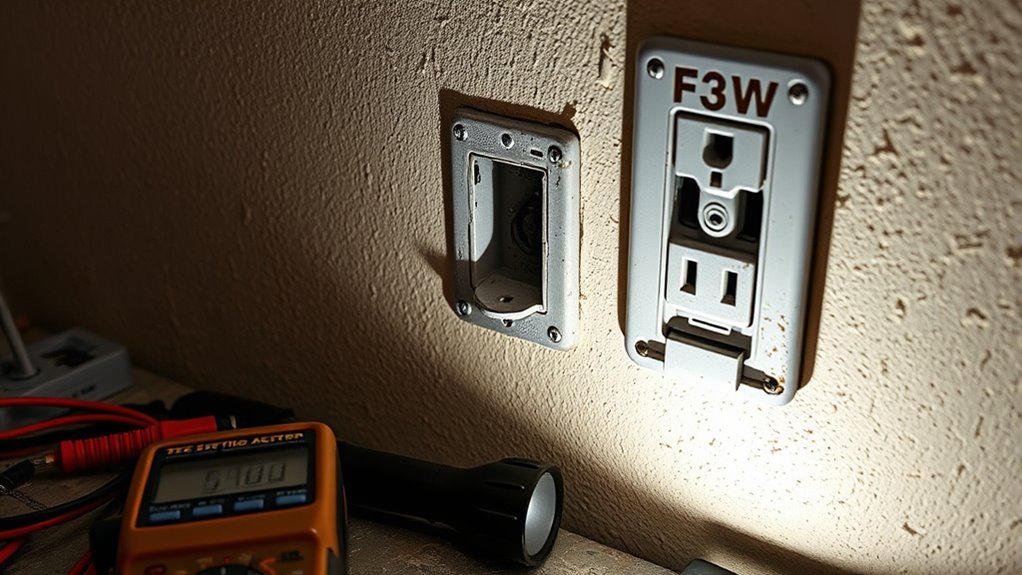
When an outlet suddenly stops working, it can disrupt your daily routine and cause frustration. You might wonder if it’s a simple fix or something that needs professional attention. Before calling an electrician, it’s worth troubleshooting the problem yourself. Often, the culprit is a tripped circuit breaker. Your home’s circuit breaker panel is designed to protect your electrical system by shutting off power during overloads or faults. If an outlet stops working, check the breaker box first. Locate the breaker labeled for that particular outlet or area. If you see a switch in the “off” position or a breaker that’s partially tripped, reset it by flipping it fully off and then back on. Sometimes, the breaker may look fine but has tripped internally, so resetting it can restore power to the outlet. If the breaker trips again quickly, that indicates a deeper electrical issue that may require a professional diagnosis.
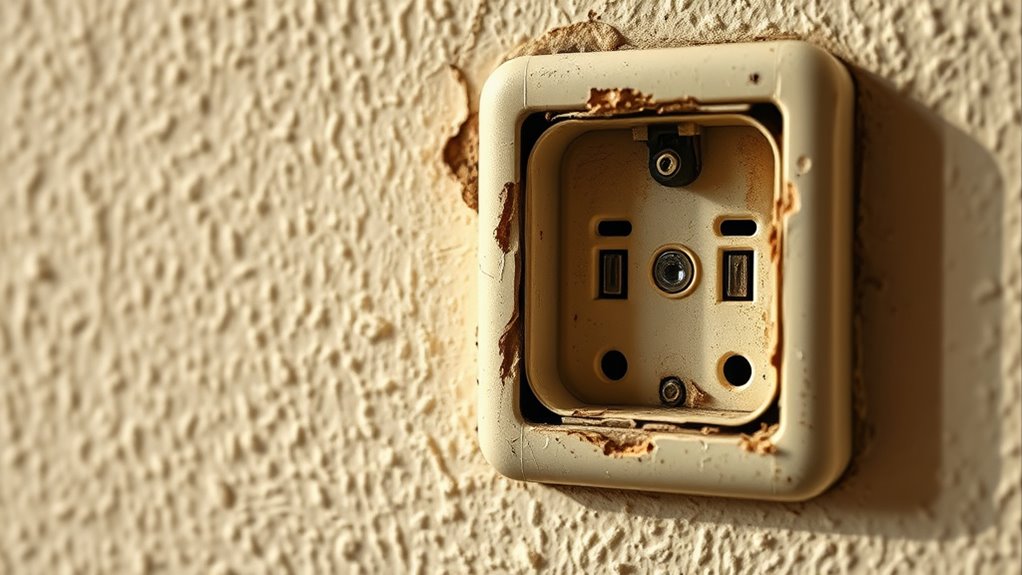
If the breaker is fine and the outlet still isn’t working, it’s time to contemplate outlet replacement. Over time, outlets can become worn or damaged, especially in high-traffic areas or if they’ve experienced power surges. Before attempting any work, power down the circuit at the breaker panel to avoid electrical shock. Remove the outlet cover plate, then unscrew and gently pull out the outlet from the electrical box. Check the wiring connections—make sure they’re tight and secure. If the wires are loose or appear burnt or damaged, that’s a clear sign the outlet needs replacement. Using a voltage tester, confirm no current is flowing before proceeding further. If you’re not comfortable working with electrical wiring, it’s best to call an electrician for safe outlet replacement.
Additionally, understanding the role of circuit breakers can help you better diagnose electrical issues, as they are crucial components in preventing overloads and faults. In some cases, even after replacing the outlet, the problem might persist if the wiring behind it is faulty or if there’s an issue further upstream. You might also consider inspecting other outlets on the same circuit to see if they’re affected, which can help identify broader electrical issues. Remember, safety is paramount. If at any point you feel unsure or uncomfortable, don’t hesitate to contact a licensed electrician. Troubleshooting dead outlets involves a combination of checking the circuit breaker and replacing the outlet when necessary, but handling wiring is always best to leave to professionals if you’re inexperienced. Taking these steps can save you time and money, and most importantly, keep your home safe from electrical hazards.
Frequently Asked Questions
Can a Dead Outlet Be Caused by a Tripped Circuit Breaker?
Yes, a dead outlet can be caused by a tripped circuit breaker. When there’s a circuit overload or wiring issues, the breaker trips to protect your system. Check your breaker panel and reset any tripped switches. If the outlet still doesn’t work, wiring problems could be at fault. Always make certain safety first—if you’re unsure, consider calling an electrician to properly diagnose and fix the issue.
Is It Safe to Reset a Circuit Breaker Myself?
Yes, it’s generally safe to reset a circuit breaker yourself, but you should be cautious. Before doing so, check for a ground fault or circuit overload, which could cause the breaker to trip as a safety measure. If you notice frequent trips, persistent issues, or if you’re unsure about the cause, it’s best to call an electrician. Always turn off appliances and avoid handling the breaker if you’re uncomfortable or unsure.
How Do I Identify a Loose Wire Behind the Outlet?
Imagine plugging in your phone and it doesn’t charge. To identify a loose wire behind the outlet, turn off the power, then gently remove the faceplate. Check the wire connection—look for any loose or disconnected wires. Use outlet testing tools to confirm power flow. If wires aren’t secure or you see corrosion, tighten or replace them carefully. Always prioritize safety and call an electrician if unsure.
Should I Replace an Outlet That Frequently Trips?
Yes, you should consider replacing an outlet that frequently trips to guarantee electrical safety. Frequent tripping indicates a potential wiring issue or overload that could pose risks. An outlet replacement not only restores proper function but also enhances safety in your home. If you’re unsure, it’s best to consult a professional. Don’t ignore persistent issues—addressing them promptly helps prevent electrical hazards and keeps your household safe.
When Is It Necessary to Hire an Electrician Immediately?
You should hire an electrician immediately if you notice sparks, burning smells, or frequent outlet trips, as these indicate serious electrical issues. For DIY safety, avoid trying outlet replacement yourself if you’re unsure of wiring or if the outlet is damaged. Call a professional to guarantee safe, proper repairs, preventing potential hazards and ensuring your home’s electrical system remains reliable and safe.
Conclusion
Before calling an electrician, try these simple troubleshooting tips to restore your dead outlet. Many issues, like a tripped breaker or loose wiring, are easy fixes. Did you know that nearly 10% of electrical fires are caused by faulty outlets? Taking a few minutes to inspect and troubleshoot can prevent hazards and save you money. If your outlet still doesn’t work after trying these tips, it’s best to consult a professional for safety and peace of mind.