
To remove pet urine odors for good, start by blotting up fresh spills with paper towels and using absorbent materials to lift excess liquid. Apply enzymatic cleaners to neutralize odors, and consider homemade solutions like vinegar or baking soda for stubborn spots. Regular professional cleans and preventative measures, such as using waterproof rugs and pet training, can keep your carpets fresh long-term. Keep going, and you’ll discover more effective tips to banish odors forever.
Key Takeaways
- Blot fresh urine immediately with paper towels or absorbent materials to prevent deeper penetration into fibers and padding.
- Use enzymatic cleaners specifically designed for pet odors to effectively break down uric acid crystals and organic compounds.
- Apply a mixture of vinegar, baking soda, and hydrogen peroxide to neutralize odors and disinfect the affected area.
- Consider professional deep cleaning methods, such as hot water extraction and enzymatic treatments, for persistent or deep-seated pet urine odors.
- Implement preventive measures like carpet protectors, training pets to use designated areas, and regular cleaning to minimize future odors.

Bissell CleanView Compact Upright Vacuum, Fits in Dorm Rooms & Apartments, Lightweight with Powerful Suction and Removable Extension Wand, 3508
EVERY PURCHASE SAVES PETS. BISSELL proudly supports BISSELL Pet Foundation and its mission to help save homeless pets.
As an affiliate, we earn on qualifying purchases.
Understanding Why Pet Urine Causes Persistent Carpet Odors
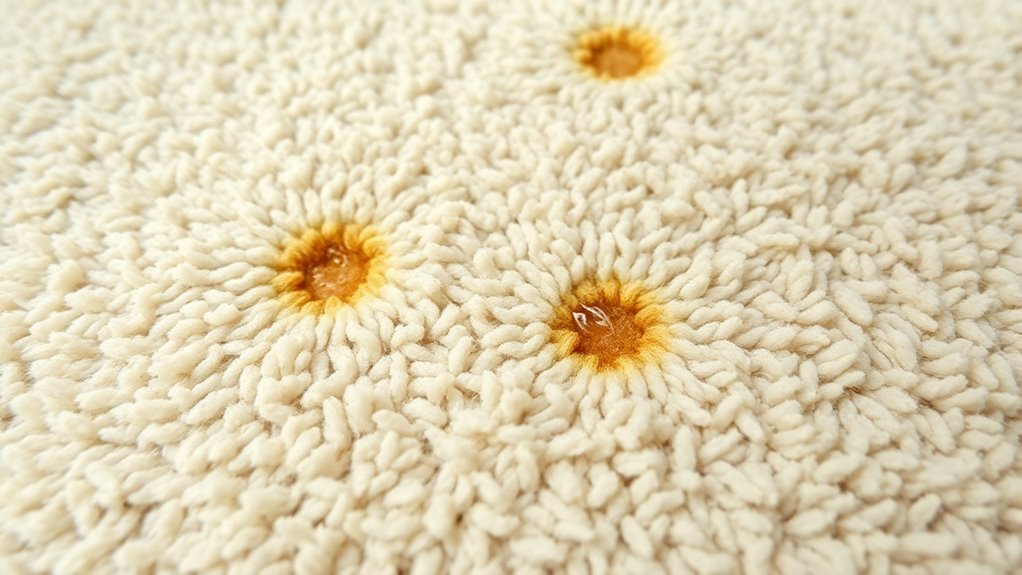
Pet urine causes persistent odors in carpets because it contains uric acid crystals and proteins that can seep deep into fibers, padding, and even the subfloor. These compounds don’t just stay on the surface; they penetrate layers beyond what you can see or clean easily. As urine dries, uric acid crystals form, making odors more stubborn and difficult to remove. Organic compounds in urine break down and release ammonia and other strong gases, which intensify the smell. If urine reaches the padding or subfloor, the odor becomes embedded and more challenging to eliminate. Over time, these odors can become permanent if not addressed promptly. That’s why understanding the chemistry behind pet urine is essential for effective removal and odor prevention. Additionally, the contrast ratio of your cleaning methods can influence how thoroughly you’re able to see and eliminate residual stains and odors. Proper enzymatic treatments can help break down these compounds more effectively, making odor removal more successful.

Bissell Pet Hair Eraser Turbo Lift-Off Vacuum, w/Self-Cleaning Brush Roll, HEPA Filtration, Powerful Pet Hair Pickup with TurboBrush Pivot Tool & LED-lit dusting Brush & Crevice Tool, 3774F
EVERY PURCHASE SAVES PETS. BISSELL proudly supports BISSELL Pet Foundation and its mission to help save homeless pets.
As an affiliate, we earn on qualifying purchases.
Immediate Steps to Minimize Damage and Odor Spread
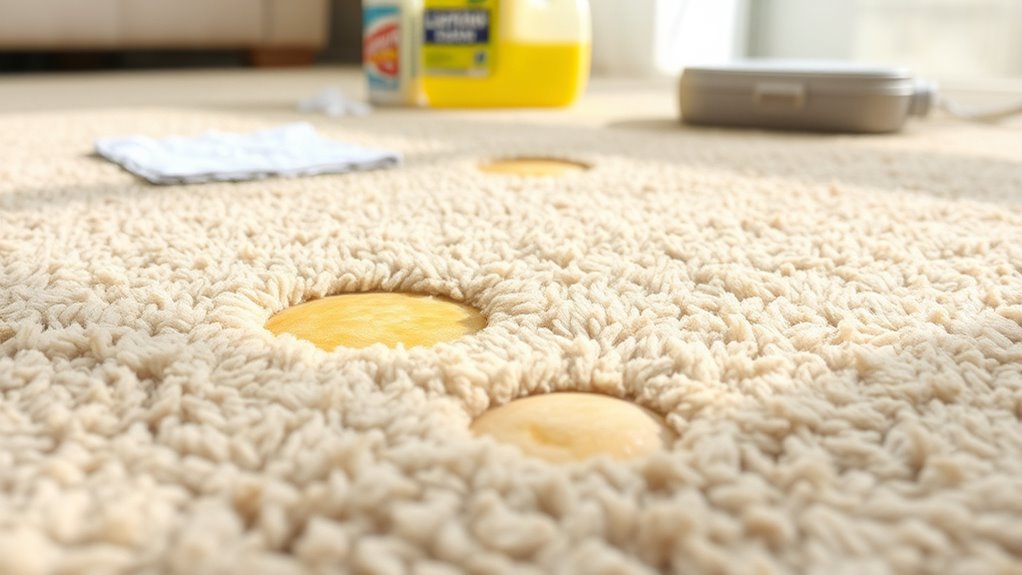
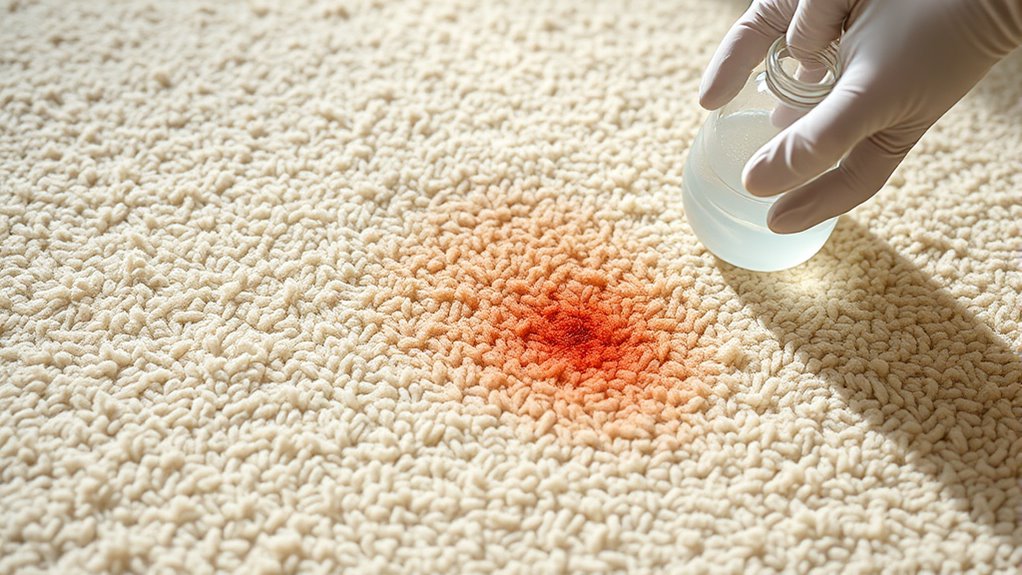
When you notice pet urine on your carpet, act quickly to minimize damage by blotting the area with paper towels or a clean cloth—don’t rub, as that spreads the stain. Use absorbent materials to lift as much liquid as possible before it penetrates deeper. Be careful not to rub, which can push the urine further into fibers and padding, making odor removal more difficult. Incorporating visual and auditory cues can help you identify the extent of the spill and ensure thorough cleanup.
Blot Urine Immediately
Act quickly to blot fresh urine to prevent it from soaking deeper into the carpet fibers and padding. Use paper towels or a clean cloth to gently press over the spot, absorbing as much liquid as possible. Avoid rubbing, as this can spread the stain and push urine further into the fibers. Keep pressing until no more liquid is transferred to the towels. The goal is to remove the urine before it penetrates deeply, making odor removal more difficult later. If available, use a wet-dry vacuum to extract moisture thoroughly. The faster you act, the better your chances of minimizing damage and preventing persistent odors. Remember, prompt blotting is vital for effective pet urine stain and odor control. Additionally, understanding safe installation practices can help ensure your carpets and flooring are protected from future issues.
Use Absorbent Materials
Did you know that using absorbent materials right after a urine spill can substantially reduce damage and odors? Acting quickly to soak up excess liquid prevents urine from soaking deeper into the carpet fibers and padding. Here are three effective absorbent options:
- Paper Towels or Cloths – Press gently to lift urine without spreading it further.
- Clean Sponges – Absorb remaining moisture while avoiding scrubbing.
- Absorbent Pads or Cat Litter – Place over the spill to draw out moisture if available.
Use firm pressure to ensure maximum absorption, but avoid rubbing, which can spread the stain. The goal is to minimize urine penetration and keep odors from permeating further into your carpet and subfloor. Understanding carpet fiber types can help you select the most suitable cleaning method to prevent damage. Additionally, acting promptly with the right absorbent materials can make the odor removal process much easier and more effective.
Prevent Rubbing Spread
To prevent urine from spreading further into your carpet, it’s essential to avoid rubbing or scrubbing the stain. Rubbing can push the urine deeper into fibers, padding, and even the subfloor, making odor removal more difficult. Instead, gently blot the area with paper towels or a clean cloth to absorb as much liquid as possible. Use a light touch to lift urine without spreading it outward. If the stain is larger, consider using a wet-dry vacuum or spot extractor to carefully remove excess moisture. Once you’ve blotted, avoid walking on the area to prevent the urine from seeping further. Acting quickly and gently helps contain the stain and makes subsequent cleaning more effective. Proper cleaning techniques can significantly reduce odors and prevent further damage to your carpet.

Shark Upright Vacuum, Navigator Lift-Away Deluxe with Large Dust Cup Capacity, HEPA Filter, Swivel Steering, Upholstery Tool & Crevice Tool, Blue, NV360
POWERFUL SUCTION: Deep-clean carpets and tackle bare floors with multi-surface powerful suction.
As an affiliate, we earn on qualifying purchases.
Choosing the Right Cleaning Products for Effective Odor Neutralization
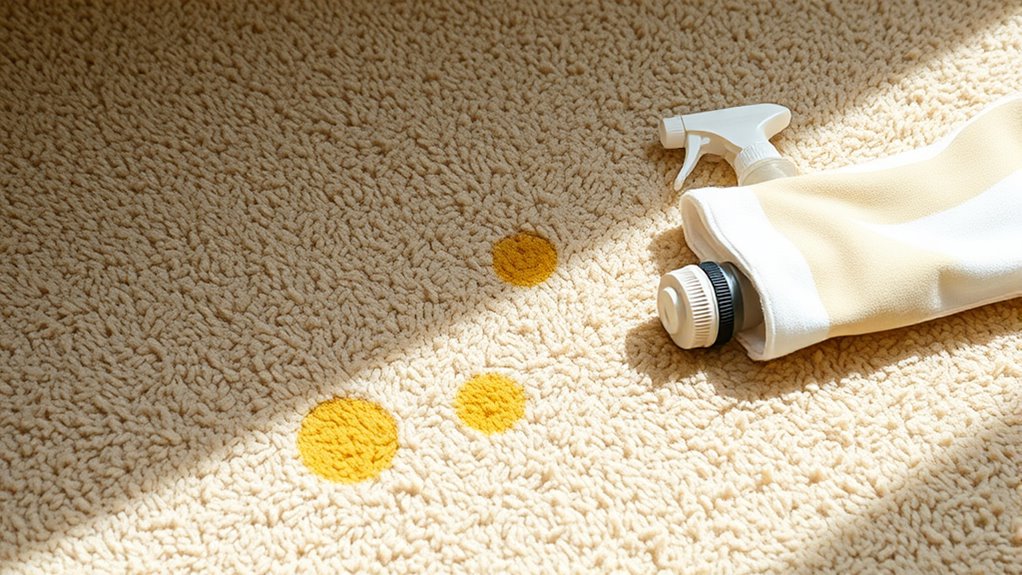
Choosing the right cleaning products can make a big difference in neutralizing pet odors effectively. Enzymatic cleaners are often the most effective for breaking down urine compounds, but it’s important to verify their efficacy and compatibility with your carpet. Testing products beforehand helps prevent damage and guarantees you pick the safest, most effective solution for your situation. Incorporating smart cleaning technologies can further enhance odor neutralization by providing more precise and automated cleaning options. Additionally, understanding the vetted options for wave and wind cleaning methods can help you select environmentally friendly and efficient solutions. Staying informed about the latest digital asset management innovations can also inspire new approaches to maintaining a clean and odor-free home environment. Properly applying necessary cookies and other site features can also support your cleaning routine by offering tailored tips and product recommendations. For enhanced results, consider using specialized cleaning tools designed specifically for pet odor removal, which can reach deeper into the carpet fibers.
Enzymatic Cleaner Efficacy
Selecting an effective enzymatic cleaner is essential because not all products deliver the same level of odor neutralization. To maximize results, look for cleaners with proven enzyme formulas designed to break down urine’s organic compounds. Consider these factors:
- Enzyme Variety: Products containing protease, urease, and amylase target different urine components, ensuring thorough breakdown. Proper application techniques can also influence overall effectiveness.
- Concentration: Higher enzyme concentration means stronger, faster action on stubborn odors.
- Dwell Time: Effective cleaners require sufficient contact time—usually 5-15 minutes—to fully neutralize smells. Understanding enzyme types can help you select the best product for your needs.
Natural vs. Commercial Products
When it comes to neutralizing pet odors in your carpet, you have the option of using natural remedies or commercial products. Natural solutions like vinegar, baking soda, and hydrogen peroxide are affordable, eco-friendly, and free of harsh chemicals. They’re great for light odors or freshening up areas after accidents. However, they may require more effort, repeated applications, and thorough testing to avoid discoloration. Commercial products, especially enzymatic cleaners, are specifically formulated to break down urine’s organic compounds, providing more reliable and long-lasting odor removal. They’re convenient, often easy to apply, and designed for deep cleaning. But they can be more expensive and contain chemicals some prefer to avoid. Choosing between natural and commercial depends on your odor severity, carpet type, and personal preferences. Innovative European Cloud Servers can support sustainable solutions for home cleaning by providing secure and energy-efficient cloud storage options for managing cleaning data and schedules. Additionally, considering the types of cleaning products suited for your specific needs can enhance odor neutralization effectiveness. Understanding the effectiveness of enzymatic cleaners can help you select the most suitable product for stubborn pet stains and odors. Incorporating proper cleaning techniques can also significantly improve the success of odor removal efforts, especially when combined with proper product selection to achieve optimal results.
Compatibility and Testing
To guarantee your cleaning efforts effectively neutralize pet odors without damaging your carpet, it’s essential to test any product before full application. This prevents discoloration, fiber damage, or lingering stains.
Start by choosing a discreet area, like a corner or underneath furniture. Then, apply a small amount of the cleaner or homemade mixture. Observe for 10-15 minutes, watching for color changes, fiber stiffness, or texture shifts.
Imagine these scenarios:
- A faint stain turns darker or bleached out.
- The fabric feels rough or sticky after drying.
- The color in the tested spot shifts or fades unevenly.
Always follow manufacturer instructions and let the tested spot dry completely before proceeding. This ensures your product is safe for your carpet and effective for odor removal.

BISSELL TurboClean, Upright Carpet Cleaner, Pro Max Clean & Protect + Oxy Urine Eliminator Formula Included, 3952
EVERY PURCHASE SAVES PETS. Every purchase makes it possible for BISSELL to continue our support of BISSELL Pet...
As an affiliate, we earn on qualifying purchases.
DIY Solutions and Home Remedies for Lasting Freshness
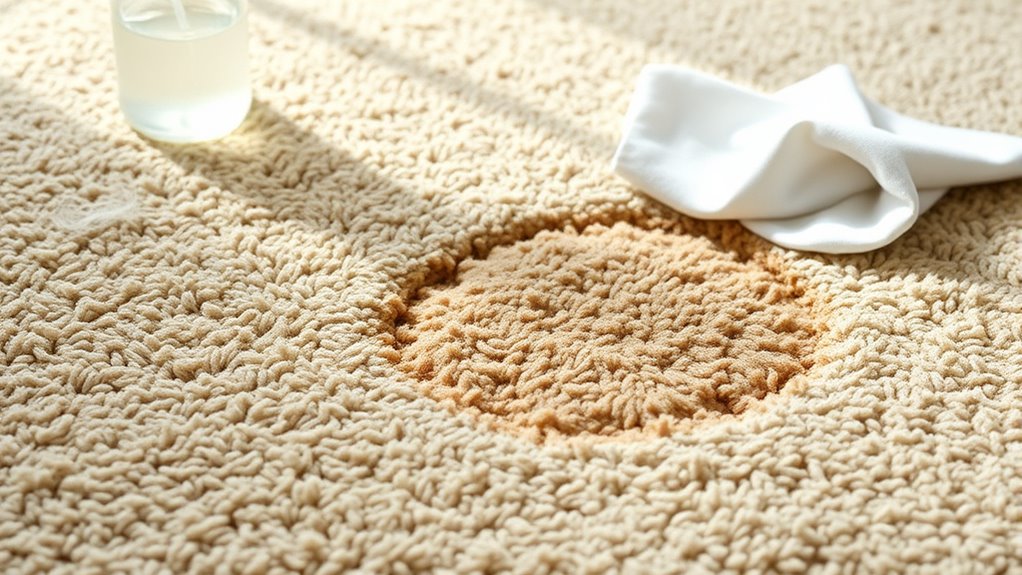
DIY solutions and home remedies can be effective for maintaining lasting freshness in your carpets after pet accidents. Start by spraying a vinegar solution to neutralize odor-causing compounds, then apply a homemade mixture of hydrogen peroxide, baking soda, and dish soap for tough stains. Always test in a hidden area first. After cleaning, sprinkle baking soda on the damp spot to absorb residual odors, letting it sit overnight before vacuuming. For added freshness, a mixture of household ammonia and hydrogen peroxide can help, but handle carefully. Using enzymatic cleaners can be especially effective at breaking down organic odors caused by pet urine. Here’s a quick reference:
| Remedy | Application | Caution |
|---|---|---|
| Vinegar solution | Spray on affected area | Test for discoloration |
| Baking soda | Sprinkle and vacuum later | Avoid excessive use |
| Hydrogen peroxide mix | Apply and blot | Bleach risk; test beforehand |
| Enzymatic cleaner | Use as directed | Follow label instructions |
Additionally, understanding the neutralization process can help you choose the most effective treatment for your situation.
Preventative Measures to Protect Your Carpets From Future Accidents

Implementing preventative measures is essential to protect your carpets from future pet accidents and odors. Here are three effective steps:
- Apply a carpet protector spray like Scotchgard to create a barrier against spills and stains, making cleanup easier and preventing deep absorption.
- Train your pets to use designated areas or outdoor spots, reducing the chance of accidents on your carpets.
- Use waterproof or easy-to-clean rugs in high-traffic or accident-prone zones, giving you a quick solution without risking permanent staining.
Regularly maintain your carpets by prompt spot cleaning and scheduling professional cleanings to keep odors at bay. These proactive steps help preserve your carpet’s appearance and prevent lingering pet smells.
When to Call Professionals for Deep Cleaning and Odor Removal
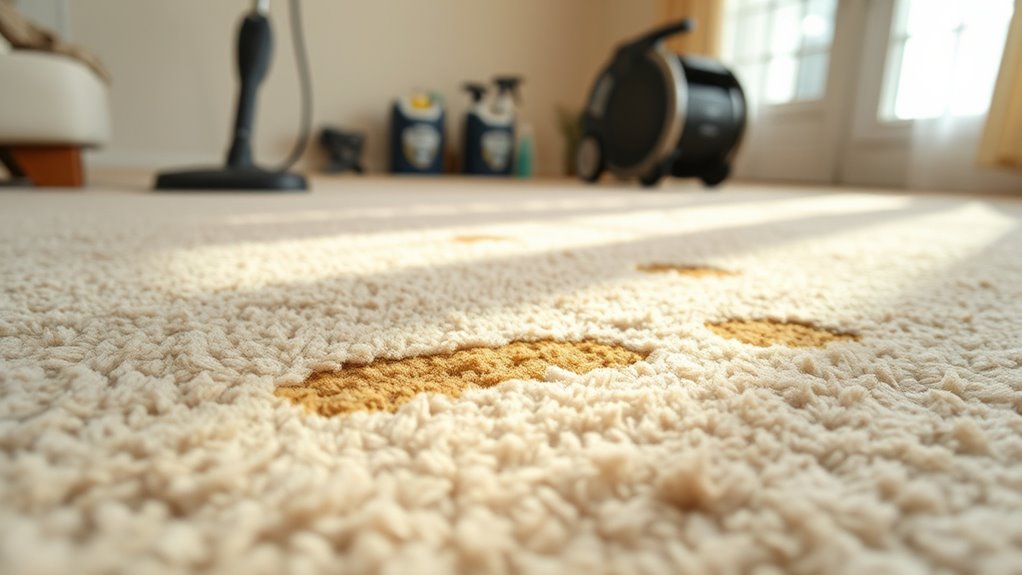
When pet odors and stains become stubborn or deeply embedded, professional deep cleaning is often necessary to fully eliminate the problem. If you notice persistent smells despite regular cleaning or if stains have set in for weeks or months, it’s time to call in experts. Deep cleaning services use specialized equipment like hot water extraction, enzymatic treatments, and ozone generators to target odors at their source. When odors linger after multiple home treatments, or if your carpet feels damp or shows signs of mold, professionals can thoroughly clean the padding and subfloor. Additionally, if your pet repeatedly urinates in the same spot, professional intervention can prevent ongoing issues and restore your carpet’s freshness. Don’t hesitate to seek expert help when DIY methods no longer suffice.
Frequently Asked Questions
Can Repeated Cleaning Fully Eliminate Pet Urine Odors?
Repeated cleaning can considerably reduce pet urine odors, but it might not fully eliminate them if the urine has deeply penetrated the carpet, padding, or subfloor. You need to use targeted enzymatic cleaners that break down organic compounds, combined with thorough extraction and odor-absorbing treatments like baking soda. In severe cases, professional cleaning or replacing affected padding may be necessary to completely remove persistent odors.
How Long Does It Take for Enzymatic Cleaners to Work?
Enzymatic cleaners typically start working within 5 to 15 minutes, but for deep or stubborn stains, you might need to wait up to 24 hours for full odor neutralization. While you expect quick results, patience is key; these cleaners need time to break down organic compounds thoroughly. Rushing the process can leave odors lingering, so follow the instructions carefully and allow ample dwell time for the enzymes to do their job effectively.
Are There Safe Carpet Protectors for Pet Urine?
Yes, there are safe carpet protectors for pet urine. You can choose products like Scotchgard or other pet-safe repellents that create a barrier, preventing urine from penetrating deeply. Always read labels and test a small, hidden area first to verify compatibility with your carpet. Regularly applying these protectors helps keep your carpets cleaner and odor-free, making cleanup easier and reducing the chance of persistent pet urine smells.
What’s the Best Way to Prevent Pets From Re-Soiling the Same Spot?
You can prevent your pet from re-soiling the same spot by using a pet-specific deterrent spray that discourages urination there. Consistently rewarding your pet for going outside or in designated areas reinforces good habits. Keep the area clean and odor-free with enzymatic cleaners, so they’re less likely to return. Additionally, consider using training mats or barriers to redirect your pet’s attention and prevent access to the spot.
How Often Should I Professionally Deep Clean My Carpets?
You should have your carpets professionally deep cleaned at least once every 12 to 18 months, especially if you have pets or high-traffic areas. Regular deep cleaning keeps dirt, allergens, and odors at bay, preventing long-term damage. If pets frequently stain or if there are persistent odors, consider more frequent cleanings—every 6 to 12 months—to maintain a fresh, healthy home environment.
Conclusion
Don’t let pet odors linger and ruin your home’s freshness. With the right cleaning techniques and prevention tips, you can keep your carpets smelling clean and inviting. Some might think professional help is always necessary, but many odors can be effectively tackled at home with simple solutions. Give these methods a try first—your carpets and nose will thank you for it! Keep up with regular maintenance, and you’ll enjoy a fresher, odor-free space for years to come.