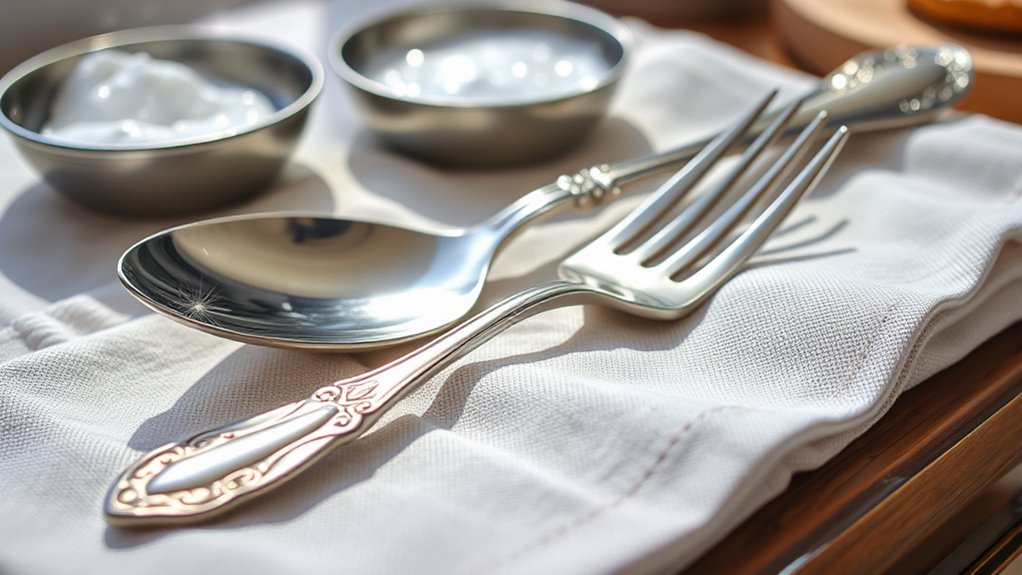

To clean and polish your silverware easily, gather gentle solutions like a baking soda paste or a commercial silver polish, along with a soft microfiber cloth. Apply the polish with circular motions, focusing on tarnished areas, and let it sit if needed. Use a soft brush for intricate details, then rinse and dry immediately to prevent water spots. For more tips on keeping your silverware sparkling, keep exploring!
Key Takeaways
- Use a gentle silver polish or homemade baking soda paste to remove tarnish without damaging the silver.
- Apply the polish or paste with a soft microfiber cloth using circular motions for even cleaning.
- For detailed areas, gently scrub with a soft-bristled toothbrush to reach crevices and intricate designs.
- Rinse thoroughly with warm water and dry immediately to prevent water spots and future tarnish.
- Store silverware properly and clean regularly to prevent tarnish buildup and maintain its shine effortlessly.
Silverware can easily lose its shine over time, but cleaning and polishing it regularly keeps it looking stunning. One of the main challenges you’ll face is silver tarnish, a dull, dark film that forms when silver reacts with sulfur compounds in the air. To restore its luster, you need to understand effective polishing techniques that remove tarnish without damaging the silver’s surface.
Start by gathering your supplies. You’ll need a gentle silver polish or a homemade paste made from baking soda and water, a soft microfiber cloth, and a gentle brush if needed. When tackling tarnish, avoid abrasive scrubbers or harsh chemicals, as these can scratch or dull your silverware. Instead, focus on gentle polishing techniques that lift away tarnish and restore shine.
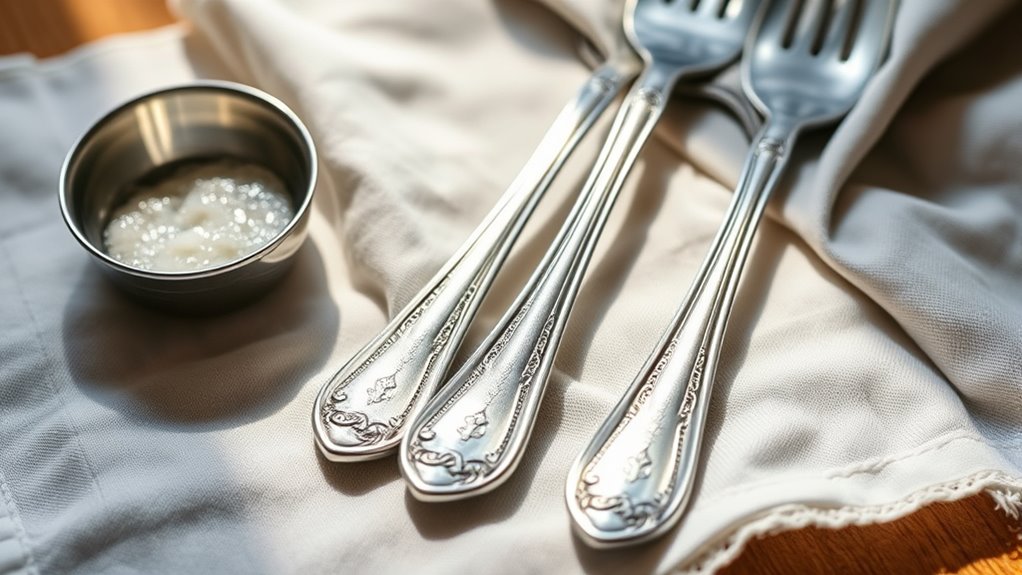
Before you begin, lay out your silverware on a soft towel to prevent scratches. If you’re using a commercial polish, follow the instructions carefully. Apply a small amount of polish or paste to the microfiber cloth, and gently rub the silver in circular motions. This method works well because it evenly distributes the polish and helps lift tarnish without being too aggressive. For heavily tarnished pieces, you might need to let the polish sit for a few minutes before buffing.
If you prefer a more natural approach, mix baking soda with a little water to form a paste. Apply it with a soft cloth or a sponge, using gentle pressure. Focus on areas with visible tarnish, and then rinse thoroughly with warm water to remove any residue. Dry immediately with a clean, soft cloth to prevent water spots and further tarnishing.
For intricate designs or hard-to-reach areas, a soft-bristled toothbrush can help. Gently scrub the crevices, being careful not to apply too much pressure. After polishing, always buff the silver with a clean cloth to enhance its shine and remove any remaining residue. Additionally, understanding the causes of tarnish, such as sulfur exposure, can help you take steps to prevent future discoloration for long-term preservation.

Astercook Knife Set, 13 Pieces Kitchen Knives Set with Healthy Anti-Rust Coating, Dishwasher Safe, Stainless Steel Chef Knife Sets with 6 Blade Guards, Perfect Holiday Gifts for Kitchen
Multipurpose Knife Set: This kitchen knives set includes 8" Chef Knife, 8" Slicing Knife, 7" Santoku Knife, 8"...
As an affiliate, we earn on qualifying purchases.
Frequently Asked Questions
Can I Clean Silverware With Dish Soap Only?
You can clean silverware with dish soap, but it won’t effectively remove tarnish or provide a true polish. Dish soap helps with regular dirt and grime, but for tarnish removal and a shiny finish, you’ll need a silver polish. Use a specialized silver polish to restore luster and eliminate tarnish, then rinse thoroughly. Regular cleaning with soap keeps silverware looking good, but for tarnish, a dedicated polish is essential.
How Often Should I Polish My Silverware?
Polishing your silverware is like giving it a fresh shine every few months, especially if you want to keep it looking new. You should polish it at least twice a year, more often if you use it frequently. Proper Silver storage and Tarnish prevention techniques help maintain its brilliance longer. Regular polishing removes tarnish buildup and keeps your silverware sparkling, so you always impress guests with its gleam.
Is It Safe to Use Toothpaste for Polishing?
Using toothpaste for polishing silverware isn’t the safest option due to concerns about toothpaste safety and abrasive cleaning. Toothpaste contains mild abrasives that can scratch your silver, causing damage over time. Instead, opt for a silver polish designed specifically for silverware, which safely removes tarnish without harming the metal. Always choose gentle, non-abrasive products to keep your silverware shiny and in good condition.
Can I Clean Silverware in a Dishwasher?
You can clean silverware in a dishwasher, but it’s not ideal for silver care. Dishwashers often expose silver to harsh detergents and high heat, which can cause tarnish and damage over time. For tarnish removal and to keep your silverware shining, hand washing with gentle cleaning methods works best. If you choose to use a dishwasher, make sure you use a gentle cycle and avoid harsh chemicals to protect your silver’s beauty.
How Do I Prevent Silverware Tarnishing Quickly?
To prevent silverware tarnishing quickly, you should focus on proper silver storage and tarnish prevention techniques. Store your silverware in anti-tarnish cloths or lined drawers, ensuring it stays dry and away from air exposure. Regularly polishing your silverware with a gentle polish also helps. Avoid contact with rubber, wood, or acidic foods, which can speed up tarnishing. These steps keep your silverware shiny and tarnish-free longer.

Brewin CHEFILOSOPHI Japanese Chef Knife Set 5 PCS with Elegant Red Pakkawood Handle Ergonomic Design,Professional Ultra Sharp Kitchen Knives for Cooking High Carbon Stainless Steel
DESIGN PHILOSOPHY - The Chefilosophi Series professional kitchen knife set from Brewin combines cutting edge kitchen technology with...
As an affiliate, we earn on qualifying purchases.
Conclusion
Now that you know how to clean and polish your silverware easily, you’ll see the difference—dull, tarnished pieces transform into shiny, mirror-like treasures. It’s like turning a faded photograph into a vibrant image, revealing its original beauty. With just a little effort, your silverware will shine like new, ready to impress at every meal. Keep this simple routine in mind, and enjoy the sparkle that elevates your table setting from ordinary to extraordinary.

Brewin Professional Kitchen Knives, 3PC Chef Knife Set Sharp Knives for Kitchen High Carbon Stainless Steel, Japanese Cooking Knife with Gift Box
MUTI-PURPOSE CHEF KNIFE SET - The Brewin 3pc Professional Kitchen Knife Set comes with 1× chef’s knife, 1×...
As an affiliate, we earn on qualifying purchases.
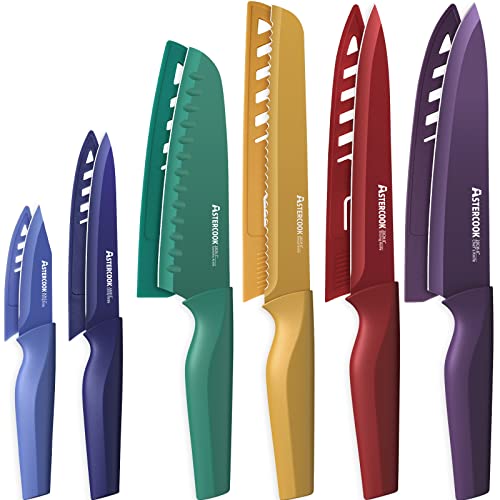
Astercook Knife Set, 12 Pcs Color-Coded Kitchen Knives Set, 6 Color Anti-Rust Coating Stainless Steel Chef Knife Sets with 6 Blade Guards Dishwasher Safe
Multipurpose Knife Set: This kitchen knives set includes: 8" Chef Knife, 8" Slicing Knife, 7" Santoku Knife, 8"...
As an affiliate, we earn on qualifying purchases.