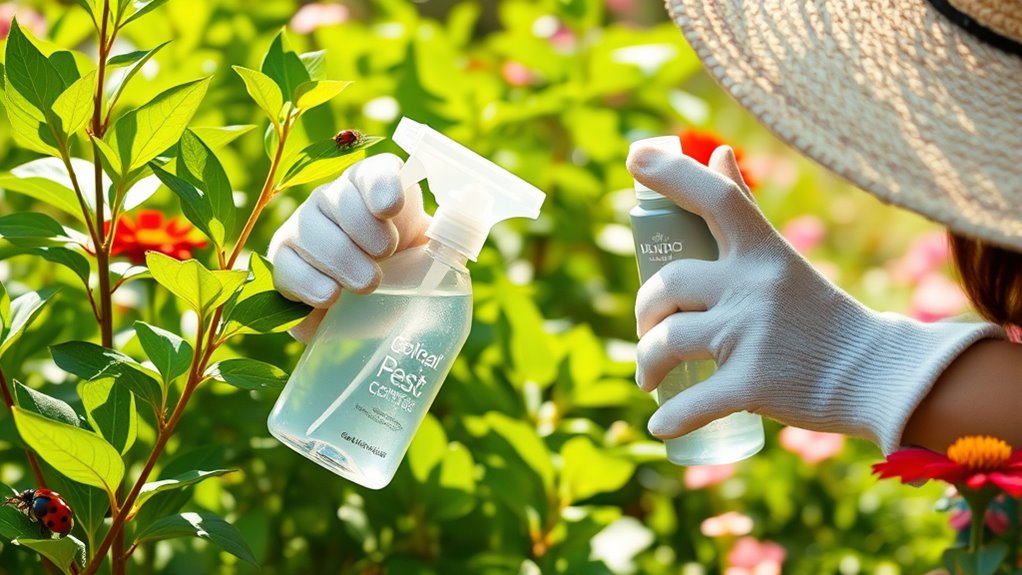

Switching to eco-friendly pest control means choosing non-toxic, natural solutions that keep pests away without harming your family, pets, or the environment. You can use plant-based repellents like peppermint or citronella, seal entry points, and encourage natural predators such as ladybugs and birds. These methods prioritize prevention and ecological balance while reducing chemical exposure. To discover more simple, safe strategies for managing pests naturally, keep exploring effective options that support a healthier home and planet.
Key Takeaways
- Use natural repellents like peppermint, citronella, and eucalyptus to deter pests safely without chemicals.
- Implement integrated pest management practices, including sealing entry points and maintaining cleanliness.
- Promote ecological balance by encouraging beneficial insects and natural predators to control pests organically.
- Choose eco-friendly, non-toxic traps and baits that minimize environmental impact and avoid chemical residues.
- Support sustainable pest control products made from biodegradable and reusable materials for safer, chemical-free solutions.

Are traditional pest control methods harming both your home and the environment? Many commercial pesticides contain chemicals that can linger in your living space and pollute nearby ecosystems. If you’re seeking safer, more sustainable options, it’s time to explore natural repellents and sustainable methods that effectively deter pests without the negative side effects. These approaches focus on minimizing environmental impact while keeping your home safe and pest-free.
Natural repellents are a great starting point. These are substances derived from plants or other natural sources that repel pests without toxic chemicals. For example, scents like peppermint, citronella, or eucalyptus can deter mosquitoes, ants, and even mice. You can use essential oils in diffusers or create sprays to treat problem areas. Not only are these repellents more eco-friendly, but they’re also safer for your family and pets. Unlike conventional pesticides, natural repellents break down quickly and don’t accumulate in the environment, reducing long-term harm.
Sustainable methods go beyond just choosing natural repellents. Incorporating integrated pest management (IPM) techniques can markedly reduce reliance on chemical solutions. This approach emphasizes prevention, such as sealing cracks and entry points to block pests from invading your home in the first place. Maintaining cleanliness and removing food sources also help reduce attractants naturally. For outdoor spaces, planting pest-repelling herbs or using physical barriers like screens and traps minimizes the need for chemical interventions.
Another sustainable method involves encouraging natural predators. For instance, supporting bird and beneficial insect populations like ladybugs and lacewings can naturally keep pest numbers in check. Installing birdhouses or planting nectar-rich flowers attracts these helpful creatures to your yard, creating an eco-friendly balance that reduces pest problems over time. This approach emphasizes coexistence rather than extermination, aligning with a more sustainable mindset.
Finally, consider adopting eco-conscious products designed for pest control. Many companies now produce non-toxic baits and traps that target pests without harmful chemicals. These tools are often reusable and biodegradable, promoting a sustainable cycle of pest management. By choosing products that prioritize environmental health, you contribute to a safer planet while effectively managing pests. Additionally, understanding the environmental impact of traditional pesticides can help you make more informed decisions about pest control options.

Kate's Home & Garden Peppermint Oil Spray for Bugs, Ants, Insects, Spiders, Roaches, Stink Bug. Pesticide and Insecticide Indoor Repellent Pest Control with Cedar Oil (16oz, Natural, Non Toxic)
PEPPERMINT SPRAY FOR BUGS: This natural bug repellent for home is made with peppermint and cedarwood oil for…
As an affiliate, we earn on qualifying purchases.
As an affiliate, we earn on qualifying purchases.
Frequently Asked Questions
Are Eco-Friendly Pest Controls as Effective as Chemical Methods?
Eco-friendly pest controls can be just as effective as chemical methods, especially for common pests, if you choose the right solutions. While chemical effectiveness often offers quick results, eco-friendly options minimize environmental impact and reduce health risks. You might need to apply them more frequently, but they’re safer for your home and the environment. With proper use, eco-friendly methods can provide reliable pest control without the drawbacks of traditional chemicals.
How Long Do Non-Toxic Pest Treatments Typically Last?
A stitch in time saves nine, and so does choosing eco-friendly pest treatments. Typically, non-toxic pest treatments last anywhere from a few weeks to a few months, depending on the type of pest and treatment method. The duration effectiveness and treatment longevity can vary, but regular reapplications help maintain pest control. Keep in mind, these solutions are safer for your family and the environment, offering effective pest management over time.
Can Eco-Friendly Solutions Be Used Around Children and Pets Safely?
Yes, eco-friendly solutions are generally safe around children and pets when you follow child-safe practices. These pest control options are designed as pet-friendly alternatives that minimize chemical exposure. Always read the label instructions carefully, keep treatments out of reach, and apply them during times when children and pets are not nearby. Using these precautions guarantees your home remains safe while effectively managing pests with non-toxic, eco-friendly methods.
Are There Any Pests That Eco-Friendly Methods Cannot Control?
Imagine trying to control a termite infestation with only natural methods; sometimes, eco-friendly solutions face limitations against unmanageable pests. Certain pests, like bed bugs or large infestations, may resist non-toxic treatments, making eco-friendly methods less effective. While these solutions work well for many pests, they can’t always handle severe or stubborn infestations, requiring more intensive or chemical approaches for complete control.
What Are the Costs Differences Between Traditional and Eco-Friendly Pest Control?
You’ll find that eco-friendly pest control usually costs more upfront compared to traditional methods, mainly due to specialized products and techniques. However, when considering the cost comparison, it often results in better long-term financial considerations because it reduces health risks and environmental damage. While traditional pest control might save you money initially, eco-friendly solutions can save you money over time by preventing future issues and avoiding costly health or environmental repairs.

Roach Traps Indoor Sticky (18 Pack) – Glue Traps for Roaches Bug Traps with Roach Bait Traps – Long Lasting Non-Toxic Children and Pet Friendly – Trap a Pest
Safe for your home – Our sticky traps for roaches can be inside your house without any problem….
As an affiliate, we earn on qualifying purchases.
As an affiliate, we earn on qualifying purchases.
Conclusion
By choosing eco-friendly pest control, you’re not just killing pests—you’re releasing a tidal wave of safety and sustainability that could change the world! Say goodbye to toxic chemicals and hello to a pest-free paradise that’s gentle on your family, pets, and the planet. Every small step you take is a giant leap toward a healthier, greener future. So, gear up, make the switch, and become a hero in the fight against pests and pollution!
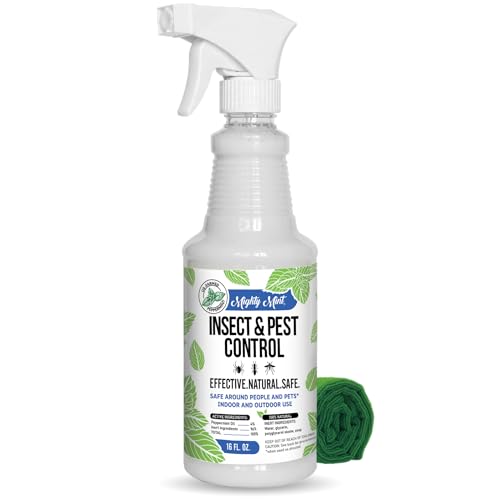
Mighty Mint Peppermint Oil Insect Repellent Spray – Indoor & Outdoor Bug Control for Spiders, Ants, Roaches, and More – Plant-Based, Extra-Strong Formula – 16 oz
PET-FRIENDLY & FAMILY-SAFE FORMULA – Mighty Mint is a top pick for pet parents looking for a natural…
As an affiliate, we earn on qualifying purchases.
As an affiliate, we earn on qualifying purchases.

Mighty Mint Peppermint Oil Plant Protection Spray – Insect & Pest Control for Gnats, Spider Mites & Aphids – Plant-Based, Easy-to-Use – 16 oz
Plant-Based Pest Protection: Helps protect plants from common pests including gnats, spider mites, aphids, fungus issues, and other…
As an affiliate, we earn on qualifying purchases.
As an affiliate, we earn on qualifying purchases.