
TL;DR
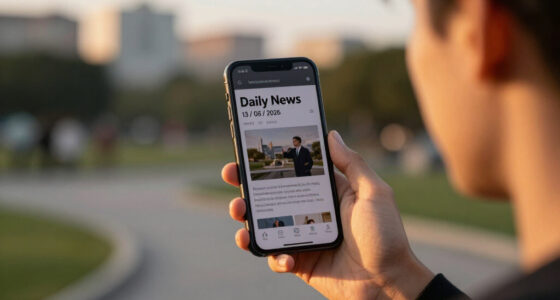
Sudan has seen a sharp rise in global media coverage, with reports increasing by 20 times the usual level according to GDELT data. The surge reflects heightened international interest amid ongoing developments in the country.
Sudan is experiencing a notable increase in international media coverage, with the GDELT database recording 43 mentions within a recent reporting window — a twentyfold rise compared to typical levels. This surge underscores heightened global interest amid ongoing developments in the country, which remains unstable following recent conflicts and political transitions. You can read more about the recent developments in Sudan’s global coverage.

Get everyday essentials delivered free with Prime
- Fast, free delivery on millions of items
- Prime Video, Amazon Music and more included
- Member-only deals all year
According to the GDELT (Global Database of Events, Language, and Tone), Sudan’s media mentions have surged to 43 in the latest window, compared to an average baseline of around two mentions. This represents a significant escalation in international attention, with coverage spanning news outlets, social media, and international organizations.
The increase coincides with reports of renewed violence, political instability, and international diplomatic efforts in Sudan’s crisis. While specific causes for the surge are not officially confirmed, analysts suggest it reflects growing concern over the country’s ongoing crisis.
Experts note that this spike in coverage is unusual given Sudan’s recent media profile, which had been relatively subdued before recent escalations. The heightened attention may influence international diplomatic and humanitarian responses moving forward.
Implications of Increased Global Media Attention on Sudan
This surge in media coverage matters because it signals increased international awareness and potential diplomatic or humanitarian intervention. Greater media focus can influence foreign policy decisions, mobilize aid efforts, and shape global perceptions of Sudan’s crisis. It also raises the profile of ongoing conflicts and political instability, potentially accelerating international response efforts.
Products Worth Considering

Philips Hue Play Floor Lamp, RGBWWIC LED, 53 Inch, Black

Ring Alarm 14-Piece Home Security Kit

Bose SoundTouch 10 Wireless Speaker, Black
As an affiliate, we earn on qualifying purchases.
Recent Developments Driving Media Attention in Sudan
Sudan has experienced ongoing unrest since the overthrow of former President Omar al-Bashir in 2019, with intermittent violence, political transitions, and clashes between military and civilian groups. The past few months have seen renewed violence, including clashes in the capital Khartoum and surrounding regions, prompting international concern.
In addition, diplomatic efforts by regional and global actors have intensified, aiming to broker peace and stabilize the country. The recent surge in coverage reflects these developments and the international community’s heightened focus on Sudan’s stability.
“We are closely monitoring the situation in Sudan and are encouraged by the increased international focus, which could lead to more coordinated aid and diplomatic action.”
— UN spokesperson
Unclear Causes and Future Trajectory of Media Surge
While the data confirms a spike in media mentions, it remains unclear what specific events or developments triggered this surge. The precise impact of increased coverage on diplomatic or humanitarian actions is also still uncertain, as is the duration of this heightened attention.
Expected Developments and Monitoring of Media Trends
Observers will continue to monitor media coverage levels and key developments in Sudan, including any significant escalation or resolution of conflicts. International organizations and governments are likely to respond with increased diplomatic engagement and aid efforts, influenced by the growing media focus.
Key Questions
What caused the sudden increase in media coverage about Sudan?
While specific causes are not officially confirmed, analysts suggest it is driven by recent violence, political instability, and diplomatic efforts in Sudan, which have attracted increased international attention.
How might this media surge influence international aid or intervention?
Increased media attention can pressure governments and international organizations to act more decisively, potentially leading to more aid, diplomatic efforts, or peace initiatives in Sudan.
Is this surge expected to last, or is it a temporary spike?
It is unclear how long the increased coverage will persist. Analysts will watch upcoming developments to determine whether media attention stabilizes or continues to grow.
Are there specific events that triggered this surge?
Currently, no single event has been confirmed as the trigger. The surge appears to be linked to a combination of recent violence and diplomatic activity.
Source: gdelt