
TL;DR
Listen free for 30 days with Audible
Thousands of audiobooks and originals — cancel anytime.
Start your free trialAs an affiliate, we earn on qualifying purchases.
NATO has announced a new military deployment to Eastern Europe, involving thousands of troops, in response to increased tensions with Russia. This move signals a strategic shift and aims to bolster regional security. Details about the deployment are confirmed, but the full scope and timeline remain unclear.
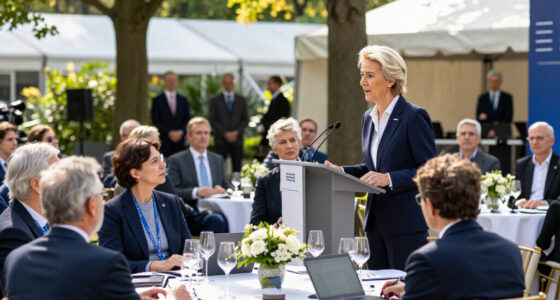
NATO has confirmed a significant troop deployment to Eastern Europe, involving thousands of soldiers from member countries, in a move aimed at strengthening regional security amid ongoing tensions with Russia. This announcement marks a major shift in the alliance’s military posture and comes amid heightened geopolitical concerns.
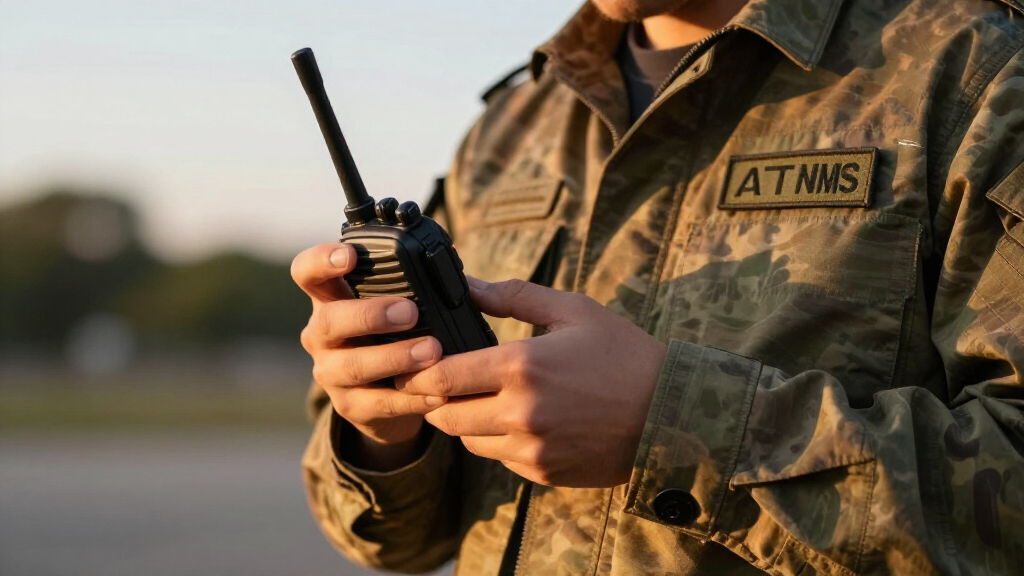
According to NATO officials, the deployment will include approximately 5,000 troops from various member states, primarily stationed in Poland, the Baltic states, and Romania. The move follows recent escalations in Russia’s military activities near Ukraine and increased rhetoric about regional security threats. NATO Secretary General Jens Stoltenberg stated that the deployment is a defensive measure, intended to reassure allies and deter further aggression. The deployment is scheduled to begin in the coming weeks, with details on the exact timeline and operational scope still being finalized. For more on current political developments, see Türkiye: NATO Zirvesi Öncesinde Baskı, Gözaltı ve Yasaklar. NATO emphasized that the move is purely defensive and does not indicate an offensive posture, but it reflects the alliance’s response to perceived threats.Implications for European Security and NATO Unity
This deployment signifies a substantial escalation in NATO’s military commitment in Eastern Europe, aimed at countering Russian influence and reassuring member states in the region. It underscores the alliance’s shift towards a more proactive defense posture and may influence future diplomatic and military strategies. For readers, this development highlights ongoing tensions in the region and the potential for increased military activity or conflicts, which could impact stability and security across Europe.As an affiliate, we earn on qualifying purchases.
Recent Escalations and NATO’s Response Strategy
Over the past year, Russia has increased military activities near Ukraine, including large-scale exercises and troop movements, prompting NATO to reassess its eastern defenses. In response, NATO has previously enhanced its military presence in the Baltic states and Poland, but the recent announcement marks the largest deployment to date. Diplomatic efforts to de-escalate tensions have been ongoing, but recent events have heightened fears of conflict. The alliance’s decision reflects a broader strategy to deter further Russian aggression and protect its eastern flank. Historically, NATO has increased its military presence in response to threats, but this deployment marks a notable escalation in recent years.“Our presence in Eastern Europe sends a clear message that NATO stands united and ready to respond to any threat.”
— U.S. Defense Secretary
As an affiliate, we earn on qualifying purchases.
Details on Deployment Size and Timeline Still Unclear
While NATO has confirmed the deployment of approximately 5,000 troops, the exact timeline for troop movements and the duration of the deployment remain uncertain. It is also unclear how Russia will respond to this escalation, and whether further military or diplomatic actions are planned in the coming weeks. NATO has indicated that the deployment is flexible and can be adjusted based on evolving security dynamics.As an affiliate, we earn on qualifying purchases.
Monitoring Diplomatic and Military Developments
NATO is expected to finalize operational details in the coming weeks, with troop movements beginning shortly. Diplomatic efforts to de-escalate tensions are ongoing, including talks with Russia and regional partners. Analysts will closely watch for any further military build-up or signs of escalation, as well as NATO’s strategic adjustments in response to regional developments. The alliance may also hold upcoming summit meetings to coordinate further actions.As an affiliate, we earn on qualifying purchases.
Key Questions
Why is NATO deploying additional troops now?
NATO is deploying additional troops in response to increased military activities and rhetoric from Russia near Ukraine, aiming to strengthen regional security and reassure member states in Eastern Europe.
How many troops are involved in the deployment?
Approximately 5,000 troops from various NATO member countries will be involved, primarily stationed in Poland, the Baltic states, and Romania.
Is this deployment a sign of imminent conflict?
Not necessarily. NATO describes the deployment as a defensive measure to deter aggression, but the situation remains tense, and further developments could influence regional stability.
What has Russia said about NATO’s deployment?
Russia has criticized NATO’s move, warning it could escalate tensions. However, official Russian government statements have not indicated specific military responses yet.
What are the next steps for NATO and regional security?
NATO will likely continue monitoring the situation, finalize operational details of the deployment, and engage in diplomatic talks. Future actions depend on regional developments and Russia’s responses.
Source: google-trends
Flea & tick season Picks
flea and tick prevention
As an affiliate, we earn on qualifying purchases.