
TL;DR

Get everyday essentials delivered free — and shop member deals
- Fast, free delivery on millions of items
- Access to Prime Big Deal Days deals on October 6–7
- Prime Video, Amazon Music and more included
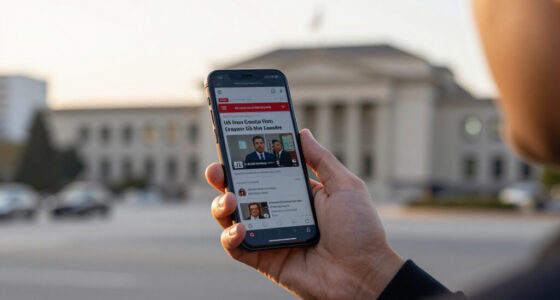
Recent data shows Israel’s media coverage has surged, with mentions rising over 3.8 times the baseline. This increase reflects heightened international interest, though the reasons remain unclear. The development could impact global perceptions and diplomatic relations.
Israel’s media coverage has surged significantly in recent days, with mentions increasing by approximately 3.8 times the typical baseline, according to GDELT data. This rapid rise in coverage is drawing international attention and raising questions about the underlying causes and potential implications for global diplomacy and public perception.
According to GDELT, a global media monitoring database, Israel was mentioned 211 times within a recent window, representing a 3.8-fold increase compared to normal levels. The surge is observed across multiple international news outlets and social media platforms, indicating a broad and intensified focus on Israel’s current situation or events.
Officials and analysts have not yet specified the exact triggers for this spike. Some speculate it may be related to recent developments in the region, diplomatic activities, or international reactions to ongoing conflicts, but no definitive explanation has been confirmed. For more on regional coverage, see Gaza, Israel (General). The increase in coverage has been consistent across various regions, including North America, Europe, and Asia. You can explore more about international media surges in Gaza, Israel (General).
Impact of Increased Media Attention on Israel’s Global Image
The surge in media coverage could influence international perceptions of Israel, potentially affecting diplomatic relations, foreign policy, and public opinion. Increased attention might also lead to greater scrutiny of Israel’s actions and policies, which could have diplomatic or geopolitical consequences. For the Israeli government and international stakeholders, understanding and managing this heightened media focus will be crucial in shaping narratives and responses.
As an affiliate, we earn on qualifying purchases.
Recent Trends and Possible Drivers of Media Surge
Media monitoring data from GDELT indicates that Israel’s mentions have historically fluctuated based on regional and international events. The current surge follows a period of heightened geopolitical activity in the Middle East, including diplomatic negotiations, conflicts, and international statements. While specific triggers remain unconfirmed, recent regional tensions and global diplomatic engagements are likely contributing factors.
Historically, media attention on Israel tends to spike during conflicts or diplomatic crises, but this recent increase appears broader, affecting multiple media sectors and audiences worldwide. The context suggests an intensification of global interest, possibly driven by social media amplification or international political developments.
“While the reasons for this spike are not yet clear, it reflects the heightened geopolitical importance of the region and possibly a strategic media interest.”
— Foreign Policy Expert John Ramirez
As an affiliate, we earn on qualifying purchases.
Unconfirmed Causes of the Media Coverage Spike
It is not yet clear what specific events or factors have triggered the surge in coverage. Officials and analysts have not provided definitive explanations, and ongoing developments may influence the media focus further. The exact timing and scope of future coverage remain uncertain.
As an affiliate, we earn on qualifying purchases.
Monitoring Media Trends and Diplomatic Responses
Media analysts and policymakers will likely monitor how coverage evolves in the coming weeks. Further data and official statements are expected to clarify the reasons behind the surge and its potential impact on international relations. Stakeholders will also watch for shifts in public opinion and diplomatic engagement related to this increased attention.
As an affiliate, we earn on qualifying purchases.
Key Questions
What caused the surge in media coverage of Israel?
The exact cause is unclear. It may be related to recent regional developments, diplomatic activities, or international reactions, but no definitive explanation has been confirmed.
How significant is the increase in mentions?
Mentions increased approximately 3.8 times the baseline, indicating a substantial rise in media focus on Israel across multiple platforms and regions.
Could this affect Israel’s international relations?
Potentially, as increased media attention can influence public opinion and diplomatic perceptions, but the specific impact will depend on the nature of the coverage and subsequent developments.
While it is likely connected to ongoing regional tensions or diplomatic actions, the precise link has not been confirmed, and further analysis is needed.
What should we expect next regarding this coverage?
Further monitoring of media trends and official statements will clarify the causes and implications of the surge, with possible shifts in diplomatic engagement and public discourse.
Source: gdelt
Fall Picks
fall essentials
As an affiliate, we earn on qualifying purchases.