
TL;DR

Get everyday essentials delivered free — and shop member deals
- Fast, free delivery on millions of items
- Access to Prime Big Deal Days deals on October 6–7
- Prime Video, Amazon Music and more included
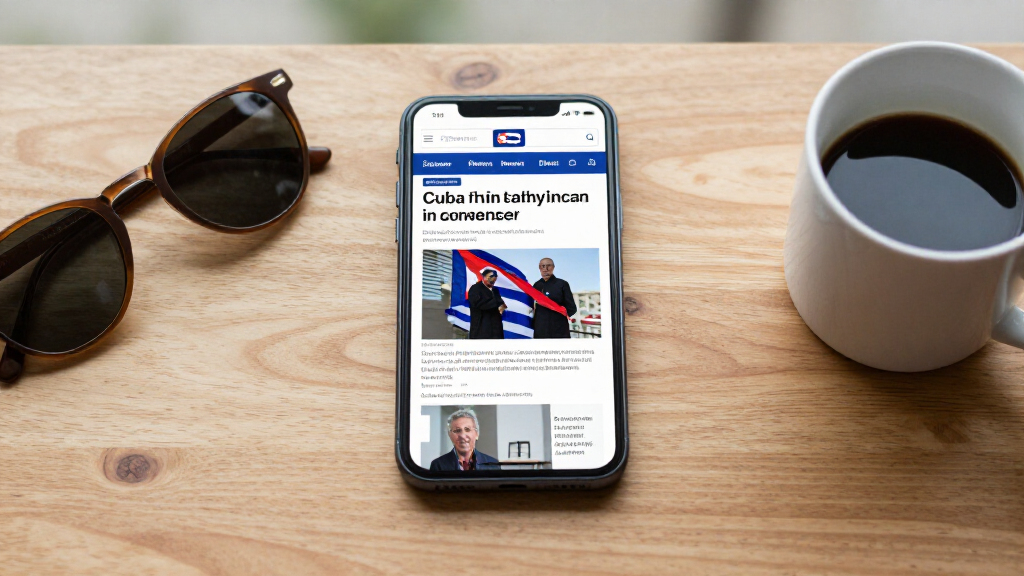
Cuba is currently experiencing a notable rise in media coverage worldwide, with GDELT recording over 200 mentions in a short time. This surge indicates increased international focus on Cuba’s political, economic, or social issues.
Cuba is experiencing a significant increase in international media coverage, with GDELT reporting over 200 mentions in a recent time window. This surge, which is approximately 7.2 times its usual baseline, signals heightened global attention on Cuba’s current political, economic, or social developments. The increased coverage is expected to reach mainstream outlets within hours, marking a notable shift in international focus.
According to data from the GDELT Project, which tracks global news mentions, Cuba has seen a sharp rise to 204 mentions in a recent window, compared to its typical baseline level. This surge began roughly three hours ago and is likely linked to recent events or developments that have drawn international media interest. The specific causes of this increased coverage are not yet confirmed but may relate to political protests, economic issues, diplomatic activities, or other significant occurrences.
Experts note that such surges in media attention can reflect underlying political or social tensions or international diplomatic shifts. The GDELT data indicates that this increase is temporary but may signal a period of heightened international focus on Cuba’s internal situation or its role in regional affairs. It is not yet clear what specific event or series of events triggered this media surge, nor how long it will last.
Implications of Increased Global Media Attention on Cuba
The surge in media coverage matters because it could influence international perceptions of Cuba, potentially affecting diplomatic relations, foreign investment, or diplomatic negotiations. Increased attention can also lead to greater pressure on the Cuban government or amplify internal protests and social movements. For international audiences, this heightened focus offers a window into unfolding developments that may impact regional stability and U.S.-Cuba relations.
As an affiliate, we earn on qualifying purchases.
Recent Trends in Cuba’s International Coverage
Historically, Cuba’s coverage in global media has fluctuated, often tied to political events, economic conditions, or diplomatic incidents. Over the past year, coverage has been relatively moderate, with occasional spikes during protests or diplomatic disputes. The current surge, as reported by GDELT, appears to be a notable deviation from typical patterns, indicating a potentially significant development. Prior to this, Cuba has been under international scrutiny over economic reforms, U.S. sanctions, and recent protests, but the current spike suggests a new or intensified focus.
As an affiliate, we earn on qualifying purchases.
Unconfirmed Causes Behind the Media Coverage Spike
It is not yet clear what specific event or series of events has triggered this surge in media mentions. Officials or sources have not confirmed any particular incident, and the cause remains speculative based on available data. The situation is evolving, and further details are expected in the coming hours or days.
As an affiliate, we earn on qualifying purchases.
Monitoring Developments and Mainstream Media Coverage
Media outlets are expected to publish more detailed reports as the surge continues and more information becomes available. Analysts will scrutinize the events in Cuba that may have prompted this attention, including political protests, diplomatic negotiations, or economic crises. Authorities in Cuba and international observers will likely monitor the situation closely, with further updates anticipated in the next 24 to 48 hours.
As an affiliate, we earn on qualifying purchases.
Key Questions
What caused the surge in media coverage about Cuba?
It is currently unclear; no specific event has been confirmed as the cause. The surge is likely related to recent developments that have attracted international attention, but details are still emerging.
How long is this increased coverage expected to last?
The duration is uncertain; media attention could be temporary or part of a longer trend depending on unfolding events in Cuba.
Does this indicate political instability in Cuba?
Not necessarily. While increased coverage can signal unrest or significant developments, it does not confirm political instability. Further information is needed to assess the situation.
Are there specific regions or countries driving this coverage?
The data from GDELT does not specify geographic sources, but the surge suggests widespread international interest, likely from multiple regions.
What should observers watch for next?
Observers should monitor official statements from Cuban authorities, subsequent media reports, and any signs of protests or diplomatic activity that could clarify the cause of this surge.
Source: gdelt
Halloween Picks
halloween
As an affiliate, we earn on qualifying purchases.