
To get started with inflatable paddle boarding, always check water conditions and weather forecasts before you go. Wear a personal flotation device and stay within your limits while remaining alert to your surroundings. Keep your board clean by rinsing it after use and inspecting for damage. Properly inflate and store your board to extend its lifespan. If you follow these safety and maintenance tips, you’ll build confidence and enjoy your time on the water. Keep exploring for more helpful insights.

Get everyday essentials delivered free with Prime
- Fast, free delivery on millions of items
- Prime Video, Amazon Music and more included
- Member-only deals all year
Key Takeaways
- Choose a stable, wide inflatable paddle board suitable for beginners to enhance balance and confidence.
- Always wear a personal flotation device and check water conditions before paddling.
- Regularly rinse the board with fresh water and inspect for damage to ensure longevity.
- Practice proper inflation and storage techniques to prevent material stress and leaks.
- Prioritize safety by monitoring weather, avoiding stormy conditions, and staying within personal limits.
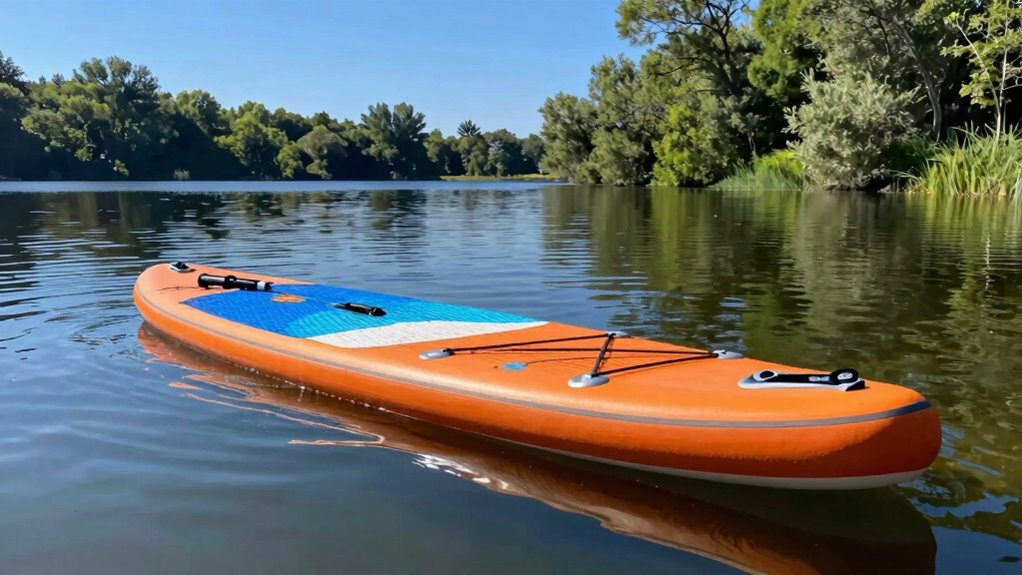
Are you curious about inflatable paddle boards and how they can enhance your water adventures? If you’re just starting out, understanding the basics can make a big difference in your experience. One of the most important things to keep in mind is paddleboard safety. Before you even set out, ensure you’re familiar with the water conditions and always wear a personal flotation device. Even if you’re confident in your swimming skills, safety gear adds an extra layer of protection, especially if you venture into open water or unfamiliar areas. Keep an eye on weather forecasts and avoid paddling during storms or high winds, as these conditions can make controlling your inflatable paddle board difficult and dangerous. Respecting your limits and staying alert to your surroundings helps prevent accidents and ensures you enjoy your time on the water.
Another key aspect beginners often overlook is inflatable maintenance. Proper care extends your paddleboard’s lifespan and keeps it performing well. After each use, rinse your board with fresh water to remove salt, dirt, or debris that can cause damage over time. Be gentle when cleaning, avoiding harsh chemicals that might degrade the material. Always deflate and store your inflatable paddle board in a cool, dry place when you’re not paddling. This prevents unnecessary stress on the seams and material, which can weaken if left inflated for extended periods. Regularly inspect your board for any signs of wear, such as small tears or leaks, and address issues promptly. Using a repair kit for minor damages can save you from costly replacements later on, and it’s good to familiarize yourself with the proper inflation and deflation procedures to avoid over-inflating, which can stretch or damage the seams. Additionally, understanding inflation techniques from trusted sources can further prolong your board’s life and prevent damage caused by over-inflation. Being aware of proper storage practices can also help maintain your paddleboard’s integrity over time. Practicing proper cleaning and maintenance will keep your board in top condition and ready for your next adventure. Getting comfortable on your inflatable paddle board takes time, but practicing paddleboard safety and inflatable maintenance will boost your confidence and enjoyment. By always prioritizing safety, you reduce the risk of accidents, and by maintaining your board well, you ensure it remains reliable for many adventures to come. Remember, your inflatable paddle board is a versatile and portable watercraft, but caring for it properly and staying safe are essential steps in making every trip a safe and memorable experience. As you gain more confidence, you’ll find that these habits become second nature, allowing you to focus on the fun and serenity of paddling across lakes, rivers, or coastal waters.
inflatable paddle board for beginners
As an affiliate, we earn on qualifying purchases.
As an affiliate, we earn on qualifying purchases.
Frequently Asked Questions
How Long Does It Take to Fully Inflate an Inflatable Paddle Board?
It usually takes about 5 to 10 minutes to fully inflate an inflatable paddle board, depending on your pump type and inflation speed. Hand pumps tend to be slower and require more effort, while electric pumps considerably cut down inflation time. If you use an electric pump, you might finish in just 3-5 minutes. Your choice of pump impacts how quickly you can get on the water and ready to paddle.
What Is the Maximum Weight Capacity of Most Inflatable Paddle Boards?
Most inflatable paddle boards can support between 200 to 400 pounds, depending on paddle board materials and design. To guarantee safety, you should always check the maximum weight capacity listed by the manufacturer. Proper inflation techniques, like evenly distributing pressure and using a high-quality pump, help achieve ideal firmness. This not only maximizes your board’s weight capacity but also enhances stability and performance on the water.
Can Inflatable Paddle Boards Be Used in Saltwater?
Yes, you can absolutely use inflatable paddle boards in saltwater, but beware of saltwater corrosion that can sneak into tiny crevices and cause long-term damage. Luckily, most boards are designed with puncture resistance, so sharp shells and rocks won’t ruin your adventure. Just rinse your board with fresh water after each use, and you’ll keep it in top shape for countless saltwater escapades.
How Do I Prevent My Inflatable Paddle Board From Puncturing?
To prevent your inflatable paddle board from puncturing, always inspect the inflatable material before use, avoiding sharp objects, rocks, or rough surfaces. When not in use, store it in a cool, dry place away from direct sunlight. Carry a puncture repair kit and learn how to use it, so you can quickly fix any minor damage. Regular maintenance and cautious handling substantially reduce the risk of punctures during your paddling adventures.
Are Inflatable Paddle Boards Suitable for Rough or Choppy Waters?
Yes, inflatable paddle boards can handle rough or choppy waters, especially if you choose a model designed for stability and wave handling. Look for boards with a wider shape and a thicker profile, which offer better water stability. These features help you stay balanced and control your movement, even in challenging conditions. With the right board, you’ll find it easier to navigate waves and maintain control in rough waters.
personal flotation device for paddleboarding
As an affiliate, we earn on qualifying purchases.
As an affiliate, we earn on qualifying purchases.
Conclusion
Now that you know the essentials, you’re ready to hit the water with confidence. Think of your inflatable paddle board as a trusted partner—like a reliable friend who’s always there to support you, no matter the tide. When I first started, I was nervous, but once I got on my board, I felt like I was riding a gentle wave of adventure. With practice, you’ll find your balance and flow, turning each paddle into a new story on the water.
As an affiliate, we earn on qualifying purchases.
As an affiliate, we earn on qualifying purchases.
Fall Picks
fall essentials
As an affiliate, we earn on qualifying purchases.