
TL;DR

Get everyday essentials delivered free with Prime
- Fast, free delivery on millions of items
- Prime Video, Amazon Music and more included
- Member-only deals all year
Lockheed Martin’s Skunk Works has integrated Guam’s missile defense systems into a unified command and control network. This development aims to improve regional missile defense capabilities amid rising regional tensions. Details on operational deployment remain limited.
Lockheed Martin’s Skunk Works has finalized the integration of Guam’s missile defense systems into a unified command and control network, significantly enhancing regional missile defense coordination. This development is confirmed by official sources and marks a major step in strengthening U.S. defense posture in the Indo-Pacific region.
The project, known as the Guam Missile Defense Network Unification, consolidates multiple missile defense assets—including radar, interceptor batteries, and command systems—under a single operational framework. According to a Lockheed Martin spokesperson, this integration improves response times and situational awareness across Guam’s defense perimeter.
Sources familiar with the project indicate that the upgrade was carried out by Lockheed’s Skunk Works division, known for advanced aerospace and defense innovations. The system reportedly leverages cutting-edge command and control technology to coordinate missile defense assets more effectively, though specific technical details remain classified.
Why Unified Missile Defense in Guam Matters
This unification enhances Guam’s missile defense capabilities, providing faster decision-making and more coordinated responses to potential threats from regional adversaries, particularly North Korea and China. It also signals a strategic shift toward more integrated regional defense systems, which could influence future military deployments and alliances in the Indo-Pacific.
Experts suggest that this upgrade increases the resilience of U.S. missile defense infrastructure, potentially deterring aggressive actions by adversaries due to improved interception and response efficiency. The initiative aligns with broader U.S. efforts to modernize military assets in the face of evolving regional security dynamics.
As an affiliate, we earn on qualifying purchases.
Background on Guam’s Missile Defense Enhancements
Guam has long been a strategic U.S. military hub in the Indo-Pacific, hosting significant missile defense assets aimed at protecting the island from regional threats. Over recent years, there have been multiple upgrades to missile defense systems, including the deployment of THAAD and Aegis Ashore batteries.
The recent unification effort by Lockheed Skunk Works builds on these previous enhancements, aiming to create a more cohesive and responsive defense network. While the U.S. has publicly emphasized the importance of missile defense in the region, specific details about recent upgrades have been limited, with many developments classified for security reasons.
“This integration significantly enhances Guam’s missile defense response capabilities, ensuring faster, more coordinated action against potential threats.”
— Lockheed Martin spokesperson
Aegis Ashore missile defense batteries
As an affiliate, we earn on qualifying purchases.
As an affiliate, we earn on qualifying purchases.
Operational Details and Future Deployment Status Unclear
It is not yet confirmed when the unified system will become fully operational or how it will be integrated into broader regional missile defense strategies. Specific technical details and deployment timelines remain classified, and official statements have not clarified these points.
As an affiliate, we earn on qualifying purchases.
Next Steps for Guam’s Missile Defense System
Defense officials are expected to conduct operational testing of the unified system in the coming months. Further updates on deployment, integration with other regional systems, and potential expansion are anticipated as the U.S. continues to modernize its Indo-Pacific missile defense posture.
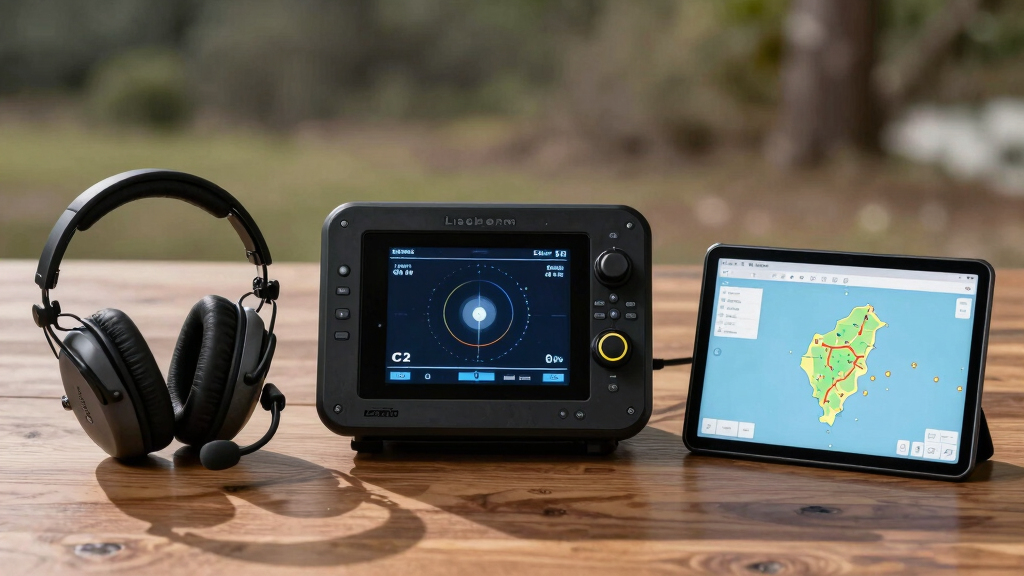
command and control missile defense equipment
As an affiliate, we earn on qualifying purchases.
As an affiliate, we earn on qualifying purchases.
Key Questions
What is the main purpose of the Guam missile defense unification?
The main purpose is to create a more coordinated and faster response system to potential missile threats, improving regional security and deterrence.
Who carried out the missile defense network integration?
Lockheed Martin’s Skunk Works division led the integration project, utilizing advanced command and control technology.
When will the system become fully operational?
The exact timeline remains classified, but operational testing is expected to occur in the coming months.
How does this upgrade affect regional security?
It enhances Guam’s ability to detect, respond to, and intercept missile threats more quickly, strengthening deterrence in the Indo-Pacific region.
Source: google-trends
Halloween Picks
halloween
As an affiliate, we earn on qualifying purchases.