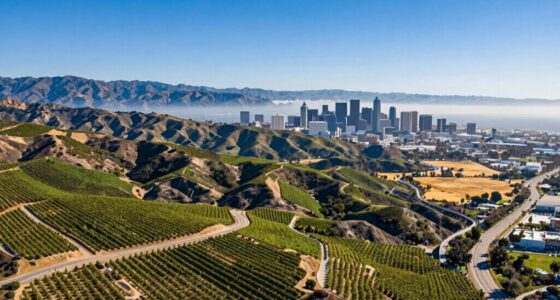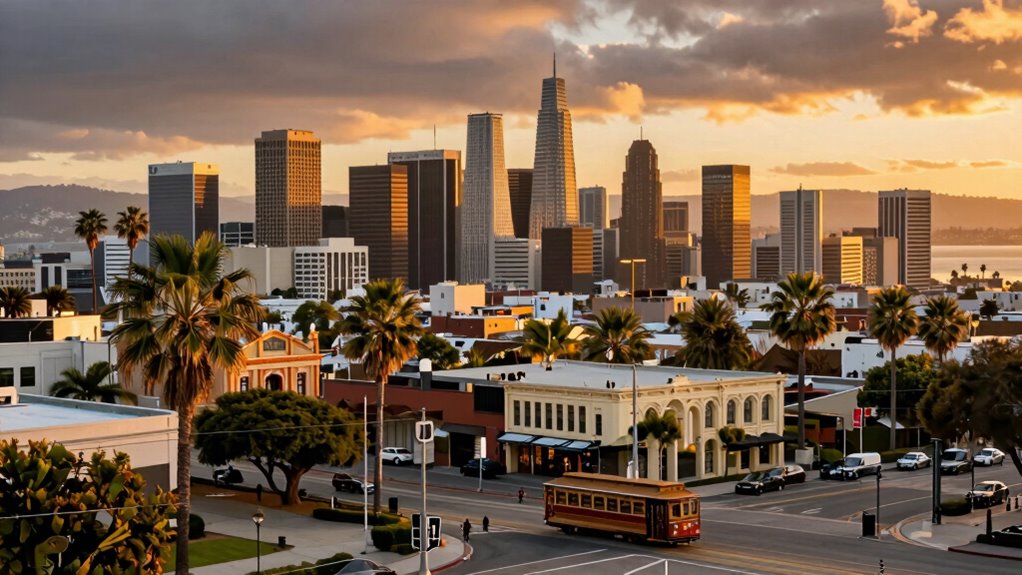

California’s most famous cities have unexpected origins rooted in the Gold Rush, which brought rapid growth and migration, but also displacement of Indigenous peoples. San Francisco’s architecture and multicultural vibe reflect this history, while Los Angeles became a global center for entertainment and business. Sacramento grew as a key supply hub for miners. Behind these stories are struggles for cultural preservation and environmental impacts that still influence the state today. Keep exploring to uncover more surprising details about these vibrant city histories.

Get everyday essentials delivered free with Prime
- Fast, free delivery on millions of items
- Prime Video, Amazon Music and more included
- Member-only deals all year
Key Takeaways
- California’s major cities like San Francisco, LA, and Sacramento were shaped by the Gold Rush and Indigenous cultures.
- The Gold Rush attracted global migrants, transforming city landscapes and economies.
- Indigenous tribes thrived long before European settlement, with their history preserved in cultural sites.
- Urban development reflects a blend of Gold Rush legacy, migration, and cultural diversity.
- Environmental and cultural preservation efforts aim to address past ecological damage and honor Indigenous heritage.

California’s famous cities each have a rich history that shapes their unique identities today. When you visit San Francisco, Los Angeles, or Sacramento, you’re walking through stories that stretch back centuries. One of the most transformative periods in California’s history was the Gold Rush, which began in 1848 when gold was discovered at Sutter’s Mill. This event didn’t just attract fortune seekers from all over the world; it also drastically altered the land and its original inhabitants. Before the rush, the region was home to numerous Indigenous tribes, each with their own cultures, languages, and traditions. These tribes had thrived for thousands of years, living off the land, managing natural resources, and maintaining complex social systems. When the gold fever hit, it brought a flood of newcomers looking to strike it rich, and this influx often led to displacement and suffering for the Indigenous peoples. You can see remnants of this history in the names of places, artifacts, and stories that have been preserved in museums and cultural sites. The Gold Rush turned California into a magnet for migration, but it also marked a tragic chapter for Indigenous tribes, many of whom faced violence, forced removal, and loss of their lands. Additionally, the environmental impact of mining and settlement during this period still influences the landscape today. The environmental consequences of this era are still visible in the altered landscapes and ecological challenges faced by the region. Moreover, efforts to preserve Indigenous cultures are essential for maintaining California’s diverse heritage.
As you explore these cities today, it’s essential to recognize that their landscapes and communities are deeply rooted in these historical events. In San Francisco, the legacy of the Gold Rush is evident in its architecture and the city’s multicultural makeup, which was shaped by the diverse groups that arrived seeking wealth. Los Angeles’s growth was also influenced by this period, as it became a hub for commerce and migration, setting the stage for the city’s future as a global entertainment and business center. Sacramento, the state capital, grew directly out of the Gold Rush era, serving as a key supply point and transportation hub for miners and settlers heading to the gold fields. Throughout all this, the Indigenous tribes’ presence persisted, often overshadowed by the rush for riches but still essential to California’s history. Today, acknowledging this complex past helps you better understand the rich tapestry of cultures, stories, and landscapes that define California’s most famous cities. It’s a story of resilience, change, and the ongoing effort to honor those who first called this land home long before the gold seekers arrived. Recognizing the importance of cultural preservation can help ensure that these histories are remembered and respected for future generations. Furthermore, understanding the impact of the Gold Rush on the environment and indigenous communities provides a more comprehensive view of California’s development and ongoing challenges. Recognizing and addressing these historical impacts is crucial for fostering a more inclusive and sustainable future for the region.
California historical city tour books
As an affiliate, we earn on qualifying purchases.
As an affiliate, we earn on qualifying purchases.
Frequently Asked Questions
Which California City Was the First to Establish a University?
You’ll find that UC Berkeley was the first California city to establish a university, founded in 1868. As you explore its early campus architecture, you’ll notice the influence of historical university founders who prioritized academic excellence. Walking through Berkeley’s grounds, you can appreciate the blend of historic and modern structures, reflecting the university’s rich history. This pioneering spirit set the stage for California’s higher education growth.
How Did the Gold Rush Influence California’s City Development?
Imagine a stampede of enthusiastic prospectors, gold-dusted dreams in their eyes. That’s how the Gold Rush spurred California’s city development. Gold rush migration flooded towns, transforming tiny settlements into bustling hubs overnight. Urban infrastructure development skyrocketed, with roads, bridges, and buildings sprouting like wildflowers after rain. The rush didn’t just change fortunes; it laid the foundation for thriving cities, forever shaped by those feverish, gold-fueled beginnings.
What Indigenous Tribes Originally Inhabited California’s Major Cities?
You’ll find that Native tribes originally inhabited California’s major cities, each with rich traditions and vast tribal territories. For example, the Tongva people lived in Los Angeles, the Ohlone in San Francisco, and the Chumash along the coast. These tribes maintained their Native traditions, shaping the region’s history long before European settlers arrived. Recognizing their tribal territories helps you appreciate the deep indigenous roots that form the foundation of California’s cities today.
When Did California’s Cities Transition From Frontier Towns to Urban Centers?
California’s cities shifted from frontier towns to urban centers mainly during the late 19th and early 20th centuries, driven by rapid urban expansion and population growth. You’ll notice that as industries boomed and railroads expanded, cities like Los Angeles and San Francisco attracted more people, leading to infrastructure development and a move toward modern urban living. This period marked a significant transformation from rural settlements to bustling metropolitan areas.
Which City Has the Oldest Architecture Still Standing Today?
You’ll find that Monterey boasts California’s oldest architecture still standing today, acting as a living relic of its rich history. Its historical landmarks, like the Custom House and Carmel Mission, showcase architectural preservation that’s stood the test of time. Walking through Monterey feels like flipping through a living history book, where centuries-old buildings whisper stories of early California life, reminding you of the state’s deep-rooted past.
As an affiliate, we earn on qualifying purchases.
Conclusion
So, next time you visit California’s iconic cities, remember the surprising history that shaped them. It’s easy to get caught up in the sights and sounds, but knowing their stories adds a whole new layer of appreciation. Don’t worry if history isn’t your thing—these tales are fascinating and make your experience richer. Embrace the history, and you’ll see these cities in a fresh, more meaningful light. Enjoy every moment of your journey!
Indigenous cultural site guides California
As an affiliate, we earn on qualifying purchases.
As an affiliate, we earn on qualifying purchases.
California city history museum tickets
As an affiliate, we earn on qualifying purchases.
As an affiliate, we earn on qualifying purchases.
Fall Picks
fall essentials
As an affiliate, we earn on qualifying purchases.