To effectively control dust in your workshop, use shop vacs and dust collectors with high-efficiency filters like HEPA to trap tiny airborne particles. Position hoses and vents properly to maximize dust capture and prevent recirculation. Wearing safety gear such as masks enhances your protection. Regularly clean or replace filters to maintain performance and guarantee safety. For more tips on creating a safer, cleaner workspace, discover how combining these methods makes a significant difference.
Key Takeaways
- Select high-efficiency filters like HEPA for shop vacs and dust collectors to effectively trap fine dust particles.
- Properly position hoses and vents to optimize airflow and maximize dust collection efficiency.
- Regularly clean or replace filters to maintain optimal performance and air quality.
- Use personal protective equipment such as masks and respirators alongside filtration systems for comprehensive safety.
- Combine effective air filtration with safety gear to ensure a cleaner, safer workshop environment.
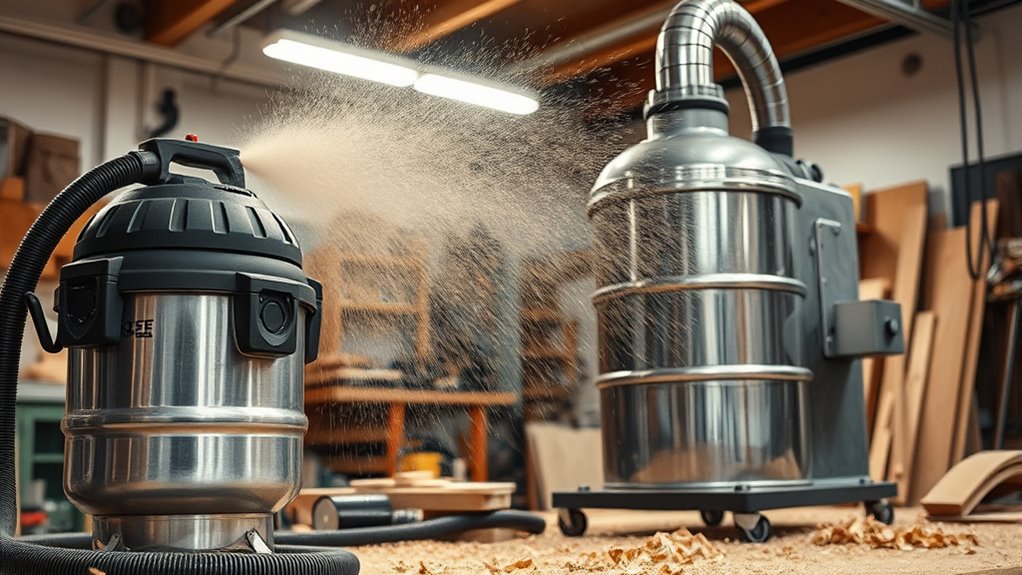
Dust control is vital for maintaining a safe and healthy environment, especially in construction sites, industrial areas, and unpaved roads. In your workshop, managing dust isn’t just about cleanliness—it’s about protecting your health and ensuring equipment longevity. Using shop vacs and dust collectors effectively can make a significant difference. These tools rely heavily on air filtration to trap tiny particles that otherwise linger in the air, posing risks when inhaled. When you operate a dust collector, you’re actively filtering the air, preventing dust from recirculating into your workspace. This process reduces airborne particles, making breathing safer and lessening the likelihood of respiratory issues over time. To maximize safety, it’s essential to wear appropriate safety gear, such as masks or respirators, especially when dealing with fine dust that can penetrate standard masks. Safety gear acts as the last line of defense, complementing the air filtration systems of your shop vacs and dust collectors, ensuring you’re protected even if some dust escapes filtration.
When selecting a dust collector or shop vac, prioritize units with high-efficiency filters, like HEPA filters, which are capable of capturing particles as small as 0.3 microns. These filters make a noticeable difference in air quality, especially in enclosed workshops where dust can quickly accumulate. Regular maintenance, such as replacing or cleaning filters, keeps your air filtration system operating at peak performance and prolongs the life of your equipment. Besides filtering the air, these systems help keep your workspace cleaner, reducing the need for extensive post-work cleanup and minimizing the spread of dust to other areas. Properly positioned hoses and vents ensure maximum dust collection efficiency, drawing dust away from your work surface before it becomes airborne. Additionally, understanding the importance of air filtration can help you choose the right equipment and setup for your specific needs.
Don’t forget, wearing the right safety gear isn’t just about comfort—it’s about safety. Respirators or dust masks should be part of your standard PPE when working with dusty materials, especially during activities that generate a lot of fine particles. Eye protection and gloves also help prevent dust from irritating your skin or getting into your eyes. Combining effective air filtration with proper safety gear creates a thorough approach to dust control. It’s an investment in your health and safety, as well as the longevity of your tools and workspace. By understanding how shop vacs and dust collectors work together with safety gear, you ensure a cleaner, safer environment where you can work confidently and efficiently.
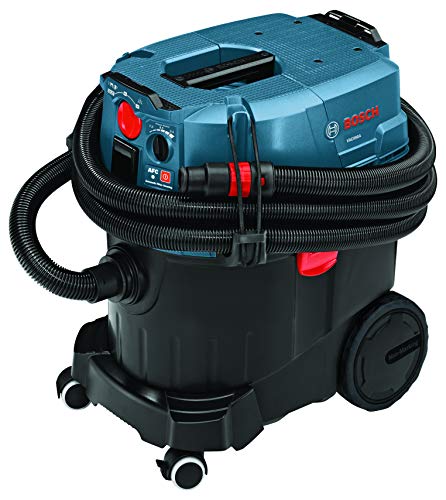
BOSCH VAC090AH Portable 9 Gallon Dust Extractor with Auto Filter Clean and HEPA Filter
AUTO CLEANING: With automatic filter cleaning, the Bosch VAC090AH dust extractor cleans the filter every 15 seconds to…
As an affiliate, we earn on qualifying purchases.
As an affiliate, we earn on qualifying purchases.
Frequently Asked Questions
Can Shop Vacs Handle Fine Dust Particles Effectively?
Yes, shop vacs can handle fine dust particles effectively if they have enough vacuum power. Look for models with high airflow and strong suction to trap tiny particles. Keep in mind, the filter lifespan depends on your dust type and usage; regular maintenance guarantees peak performance. Using a shop vac with a HEPA filter can considerably improve its ability to capture fine dust, protecting your air quality and equipment.
What Maintenance Is Required for Dust Collectors?
Imagine you notice your dust collector isn’t performing like before. Regular maintenance includes replacing filters to guarantee ideal airflow and filtering effectiveness. You should also perform system troubleshooting by checking for clogs or leaks in hoses and seals. Keep an eye on the motor and fan belt for wear. Consistent cleaning of collection bins and inspecting filters prevents breakdowns, extending your dust collector’s lifespan and maintaining a cleaner, safer workshop environment.
Are There Specific Filters Recommended for Woodworking Dust?
Yes, for woodworking dust, you should use HEPA filters in your dust collector. They trap tiny particles effectively, improving air quality. Regular filter maintenance is essential—check filters frequently, clean or replace them as needed to prevent clogging and maintain suction power. Using high-quality HEPA filters and staying on top of filter maintenance guarantees your dust collection system works efficiently and keeps your workshop safe.
How Do I Reduce Noise From Dust Collection Systems?
They say “a little noise goes a long way,” and you can reduce your dust collector’s noise with simple steps. Use noise reduction techniques like installing muffler options or sound enclosures. You might also add flexible hoses or vibration pads to dampen sound and prevent vibrations. Regular maintenance keeps the system running smoothly, reducing excess noise, so your workshop stays quiet and comfortable while you work efficiently.
Can Dust Collectors Improve Air Quality in My Workshop?
Yes, dust collectors can improve your workshop’s air quality. They work by capturing airborne particles through effective air filtration, preventing them from lingering in the air. To maximize benefits, guarantee proper system placement near dust sources and maintain filters regularly. This proactive setup helps reduce airborne dust, creating a cleaner, healthier environment so you can work safely and comfortably.

VEVOR Dust Collector, 1200 CFM 2.5 Micron Vortex Cone Dust Collectors, 2.0HP Sawdust Collection System with 35-Gallon Dusts Collector Bag & 42-Gallon Filter Bag, 3400 RPM High Speed, for Wood Chips
Robust Dust Suction: With 1200CFM airflow, this portable vortex dust collector captures large and fine wood particles alike….
As an affiliate, we earn on qualifying purchases.
As an affiliate, we earn on qualifying purchases.
Conclusion
Remember, controlling dust isn’t just about keeping your workshop clean—it’s about safeguarding your health and your craft. Like a wise gardener tending to their plants, you must nurture a safe environment that allows your skills to flourish without interference. Using shop vacs and dust collectors is your shield against unseen dangers. Stay diligent, and you’ll build not only better projects but a safer space where your creativity can truly thrive, free from the dust that threatens to obscure your vision.

3M P100/OV Odor/Particulate Multi-Purpose Reusable Respirator 65021, Medium Size, NIOSH-APPROVED Organic Vapor Cartridge & P100 Rated Filters, Flexible, Thermoplastic Faceseal For Comfort (65021H1-DC)
NIOSH-APPROVED OV CARTRIDGE WITH P100 FILTER filters at least 99.97% of solids and liquid aerosols as well as…
As an affiliate, we earn on qualifying purchases.
As an affiliate, we earn on qualifying purchases.
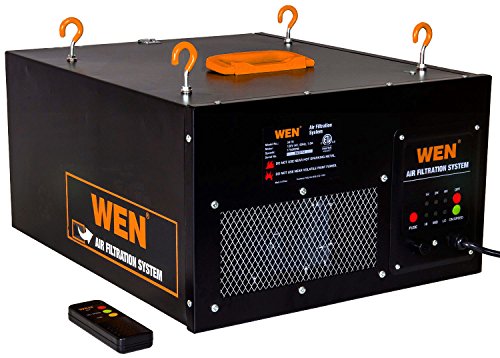
WEN 3410 3-Speed Remote-Controlled Air Filtration System (300/350/400 CFM), Basic w/ RF Remote (400 CFM) , Black
Includes a 1-micron filter and a 5-micron pre-filter, both of which can be easily replaced
As an affiliate, we earn on qualifying purchases.
As an affiliate, we earn on qualifying purchases.